
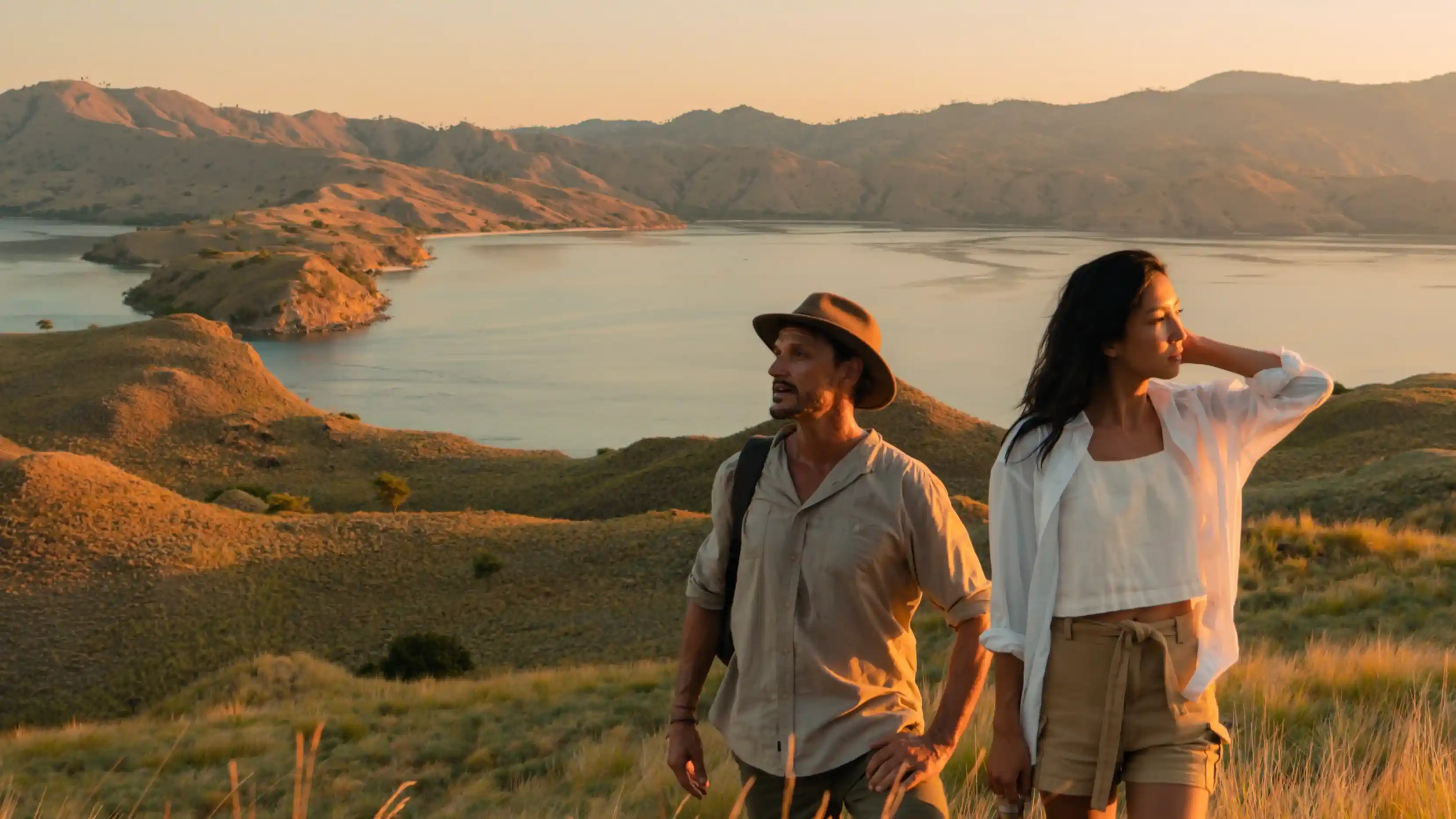
Best Time to Visit Komodo Island 2026 — Month-by-Month Guide
Travel Journal

Best Time to Visit Komodo Island 2026 — Month-by-Month Guide

Ghifari April 4, 2026 16 min read

Quick Answer: The best time to visit Komodo Island is during the dry season from April to December, with peak conditions from July to September when diving is exceptional, manta rays are abundant, and weather is most stable. However, each season offers distinct advantages—choose based on your priorities for diving conditions, marine life encounters, crowds, and budget.

Best Time to Visit Komodo Island: Your Complete Seasonal Guide

Komodo Island stands as one of the world’s most extraordinary natural destinations, combining dramatic volcanic landscapes, pristine marine ecosystems, and the legendary Komodo dragons. Planning the perfect visit requires understanding the intricate interplay between weather patterns, diving conditions, marine life migrations, and tourism seasons. This comprehensive guide will help you determine the ideal timing for your Komodo adventure, whether you’re a diving enthusiast seeking the best underwater experiences or a nature lover wanting optimal wildlife viewing.

Understanding Komodo’s Climate and Seasons

Komodo Island operates on a tropical climate characterized by two primary seasons: the dry season and the wet season. The dry season, spanning from April through December, represents the most favorable period for tourism activities, particularly diving expeditions. During these months, wind patterns stabilize, ocean currents become more predictable, and visibility underwater reaches its optimal levels. The wet season, occurring from January through March, brings increased rainfall, rougher seas, and occasional weather challenges that can disrupt travel plans and diving operations.

The island’s location within the Lesser Sunda Islands places it in a unique geographic position where multiple ocean currents converge. These currents significantly influence water temperature, nutrient levels, and consequently, marine life behavior. Understanding these seasonal variations is crucial for planning an unforgettable experience in one of the world’s premier diving destinations.

Month-by-Month Guide to Visiting Komodo

January to March: Wet Season Considerations

January through March constitutes the wet season in Komodo, characterized by increased rainfall and more challenging sea conditions. While this period is less ideal for diving operations, it’s not entirely without merit. Adventurous travelers and budget-conscious visitors will discover significantly lower accommodation prices, fewer tourists crowding the islands, and a different perspective on the ecosystem as seasonal rains refresh the landscape.

During these months, water temperatures remain warm, ranging from 26 to 28 degrees Celsius. However, visibility can drop to 10-15 meters due to increased sediment runoff and plankton blooms. Occasional squalls and rough seas mean that diving operations may be canceled, and liveaboard schedules might face disruptions. The winds tend to be unpredictable, and ocean swells can be substantial. For liveaboard trips, operators maintain flexibility in their itineraries to navigate around weather systems.

January particularly sees the tail end of holiday season tourism from Australia and Europe, making early January busy despite challenging conditions. By late January through February and March, the crowds thin considerably, offering exceptional value for those comfortable with weather uncertainties. Local wildlife viewing remains productive, as many land animals remain active during the cooler, wetter conditions.

April to June: Shoulder Season Excellence

April through June marks the transition from wet to dry season, offering an ideal compromise between favorable weather and lower tourism numbers. April specifically presents one of the best value periods of the year, as the dry season begins without the peak-season pricing. Rainfall diminishes significantly by late April, and sea conditions steadily improve throughout this period.

By May, weather patterns have stabilized considerably. Water visibility improves to 15-20 meters or better, diving conditions become reliable, and ocean temperatures remain comfortable at around 26-27 degrees Celsius. This period sees moderate tourism levels—busy enough to ensure all services operate fully, yet uncrowded enough to feel exclusive. Komodo National Park experiences fewer visitors, meaning more intimate wildlife encounters and less competition for the best viewing spots.

June represents the beginning of the truly excellent diving season. Visibility often reaches 20-25 meters, currents become more manageable, and marine life activity increases. Water temperatures begin cooling slightly to 25-26 degrees Celsius, requiring slightly warmer wetsuits but offering more comfortable diving conditions for extended periods. Accommodation prices begin rising as the peak season approaches, but remain reasonable compared to July and August rates. Komodo liveaboard prices start increasing in June, so early bookings provide better value than last-minute reservations.

July to September: Peak Season Paradise

July through September represents the absolute pinnacle of the Komodo diving and tourism season. These months offer the most reliable weather, optimal diving conditions, and the highest probability of spectacular marine encounters. However, this excellence comes with a corresponding increase in prices and tourist numbers.

July inaugurates the season with exceptional diving conditions: visibility typically ranges from 20-30 meters, currents are strong but manageable, and water temperatures settle around 24-25 degrees Celsius. The increased ocean activity brings abundant marine life, including regular manta ray sightings. July marks the beginning of the famous manta ray season, when these gentle giants congregate in specific areas to feed on plankton blooms. Diving encounters with mantas become increasingly common as the season progresses.

August and September continue this excellence. August particularly stands out for manta ray encounters, with multiple sightings per dive common at prime manta ray cleaning stations. Visibility remains exceptional, often exceeding 25 meters, and water temperatures stay cool and refreshing. Weather patterns are most stable during September, with minimal rainfall and consistent northeast winds that create predictable sea conditions.

Photography conditions during these months are extraordinary. The strong light and exceptional visibility create ideal underwater photography opportunities. Land-based photography also benefits from clearer skies and more defined shadows that enhance landscape drama. However, expect premium pricing across all services and potentially crowded dive sites and popular anchorages.

October to December: Late Dry Season Value

October through December offers a compelling alternative to the peak season. By October, many tourists have departed following the September school holidays, reducing crowds significantly while maintaining excellent diving and weather conditions. Early October visibility remains at 20-25 meters, and water temperatures begin warming slightly to 25-26 degrees Celsius.

October provides an excellent balance: outstanding diving conditions persist, manta ray season continues (though sightings become less frequent than August-September), and prices drop noticeably from peak season levels. Late October and November see increasing wind activity as weather patterns begin their seasonal transition, but conditions remain suitable for most diving operations and tourism activities.

November brings warmer water temperatures (26-27 degrees Celsius) and increasing cloud coverage, though rainfall remains minimal. Visibility holds at 15-20 meters, which is still excellent for diving and marine observation. Winds become more variable, occasionally creating choppier sea conditions, but liveaboard operators easily accommodate these variations through strategic route planning.

December offers the warmest water temperatures of the dry season (27-28 degrees Celsius) and increasing humidity as the dry-to-wet transition approaches. Early December maintains good diving conditions, but late December becomes increasingly crowded as Christmas and New Year holiday travelers arrive. Booking early in December provides access to reasonably priced accommodations before holiday surcharges apply, while still enjoying favorable conditions.

Diving Conditions Throughout the Year

Diving enthusiasts should understand that Komodo’s underwater environment varies dramatically by season. The dry season generally provides superior diving through more stable conditions, better visibility, and more predictable currents. During July through September, visibility often reaches 25-30 meters, water temperatures range from 23-26 degrees Celsius, and nutrient-rich currents attract abundant marine life.

Current strength is a critical consideration for divers. Komodo’s famous manta ray sites often feature strong currents that create dynamic drifting experiences. These currents peak during the dry season, particularly June through September, when they drive nutrient transport that attracts mantas and other large marine species. Experienced divers find these currents exhilarating; less experienced divers might prefer the gentler conditions of the shoulder seasons.

Dive site accessibility varies by season. Some sites become inaccessible during the wet season due to rough seas and strong currents. The dry season provides safe access to the full range of top-tier dive sites throughout Komodo National Park, including the famous Manta Point and Castle Rock. Liveaboard trips maximize dive site variety by traversing between locations based on current conditions and seasonal patterns.

Manta Ray Season Deep Dive

The manta ray season deserves special attention for divers and marine enthusiasts. Manta rays gather in Komodo waters primarily from June through November, with peak activity from July through September. During these months, mantas congregate at specific cleaning stations—areas where fish remove parasites and dead skin from the rays’ bodies. These gatherings attract multiple mantas simultaneously, creating unforgettable diving experiences.

The manta season’s intensity correlates with plankton blooms triggered by upwelling currents and water mixing. When conditions are optimal, divers witness 5-10 mantas per dive at prime locations like Manta Point. The grace and size of these creatures—some spanning up to 5 meters across—create profound encounters that rank among the world’s most spectacular marine wildlife experiences.

August and September typically deliver the most reliable manta sightings, though encounters remain unpredictable. Manta presence depends on plankton availability, which varies based on subtle oceanographic conditions. Some dives yield no mantas; others provide multiple magnificent encounters. This unpredictability adds to the experience—the possibility of encountering these majestic creatures makes every dive exciting.

Weather Patterns and Climate Stability

Understanding weather patterns is essential for planning a successful Komodo visit. The dry season—April through December—experiences minimal rainfall and stable atmospheric conditions. Northeast winds dominate during this period, creating consistent weather patterns that allow reliable travel and tourism planning. The dry season’s predictability makes it ideal for fixed itineraries and time-sensitive activities.

The wet season—January through March—introduces weather unpredictability. Monsoon influences bring moisture and occasional heavy rainfall. While these months don’t require rain constantly, sudden storms can disrupt plans. Sea conditions become rougher, with larger swells and stronger wind gusts. These factors make the wet season less favorable for water-based activities, though land-based tourism remains feasible with flexible scheduling.

September stands out as the most stable month weatherwise. Dry season patterns are firmly established, yet the extreme heat and humidity of October haven’t arrived. Wind patterns are most consistent, sea conditions are calmest, and rainfall is virtually nonexistent. For travelers prioritizing weather reliability, September offers the safest choice despite higher pricing.

Crowd Levels and Tourism Intensity

Tourism crowds significantly impact the Komodo experience. Peak season—July through September—brings maximum visitors but also maximum tourism infrastructure. All accommodations, restaurants, and dive operators function at full capacity. Popular dive sites and viewpoints become crowded, though Komodo’s vast expanse means even peak season feels less overwhelming than equivalent periods at smaller destinations.

The shoulder seasons—April through June and October through December—offer superior crowd ratios. Fewer tourists mean shorter wait times, more personalized service, and more intimate encounters with wildlife. Popular sites and hiking trails feel less congested, allowing for more peaceful experiences.

February and March represent the lowest tourism periods. Wet season conditions deter many visitors, leaving facilities less busy and services more personalized. For travelers seeking exclusive experiences and solitude, these months offer remarkable value despite weather uncertainties. Booking during the wet season provides maximum flexibility and often includes attractive discounts from tourism operators seeking to maintain business during slower periods.

Seasonal Pricing and Budget Considerations

Komodo’s pricing structure fluctuates significantly by season. Peak season—July through September—commands premium prices across all categories: flights, accommodations, dining, and activities. Komodo liveaboard pricing increases substantially during these months, sometimes reaching 50% above shoulder season rates. However, the consistency and quality of experiences often justify premium pricing for travelers seeking guaranteed excellent conditions.

The shoulder seasons—April through June and October through December—offer exceptional value. Prices decrease 20-40% from peak season levels while conditions remain excellent. These periods represent optimal value for budget-conscious travelers unwilling to compromise significantly on experience quality.

The wet season—January through March—provides maximum savings, with prices often 40-50% below peak season. However, these savings must be weighed against potential weather disruptions and reduced service availability. For flexible travelers comfortable with weather uncertainties, wet season pricing offers remarkable value.

Booking patterns influence pricing significantly. Early bookings—3-6 months in advance—typically secure better rates than last-minute reservations. However, wet season bookings made closer to travel dates sometimes yield additional discounts as operators attempt to fill remaining capacity.

Photography Conditions by Season

Photographers should time Komodo visits based on specific photographic goals. Underwater photography reaches its zenith during July through September when visibility exceeds 25 meters and marine life activity peaks. The abundant manta rays, sharks, and reef fish create endless photographic subjects. Strong sun angles and clear water combine to produce vivid colors and excellent lighting conditions.

Land-based photography benefits from dry season conditions throughout April through December. Clear skies and dramatic cloud formations create compelling landscape photographs. The sun angles during spring and fall (April-May and October-November in the Southern Hemisphere’s perspective) produce ideal lighting for landscape and wildlife photography.

Overcast conditions during the wet season create different photographic opportunities—soft, diffused light that reduces harsh shadows and creates atmospheric photographs. Lush green vegetation, enhanced by rainfall, provides richer landscape colors during and immediately after the wet season.

Wildlife Viewing by Season

Wildlife observation varies seasonally. Komodo dragons remain active throughout the year, but visibility patterns change. Dry season temperatures attract dragons to open areas for basking and hunting, making sightings more probable. Wet season rains cool temperatures, potentially driving dragons toward more shaded areas, though sightings remain possible.

Marine wildlife follows distinct seasonal patterns. Manta rays peak from June through November. Whale sharks appear sporadically year-round but concentrate more heavily during certain seasons. Large pelagic fish—sharks, jacks, tuna—increase in visibility during the dry season when stronger currents attract them to feeding areas. Destination guides provide detailed information about seasonal wildlife variations.

Choosing Your Ideal Season

For Diving Enthusiasts

Serious divers should prioritize July through September for optimal conditions, or extend visits to include June and October for slightly less crowded shoulder season access. The dry season’s strong currents and exceptional visibility create top-tier diving that rivals any global destination. Manta ray encounters, while unpredictable, become increasingly probable during these months.

For Budget Travelers

Budget-conscious travelers should consider April through June or November as ideal periods, balancing cost savings against decent conditions. February and March offer maximum price reductions but require flexibility for weather disruptions.

For Wildlife Photographers

Photographers seeking maximum diversity should plan for July through September when underwater photography conditions are exceptional and manta sightings are probable. Land photographers might prefer April-May or October-November for ideal lighting without peak-season crowds.

For Comfort-Focused Travelers

Travelers prioritizing comfort should avoid the hottest, most humid months (December, November) and the wettest periods (January-February). April through September provides comfortable conditions, with May-June and October-November offering ideal temperature ranges without the humidity of later months.

When is the absolute best time to visit Komodo Island?

July through September offers the best combination of exceptional diving, stable weather, and excellent wildlife encounters. However, “best” depends on individual priorities. April-June provides excellent conditions with fewer crowds and lower prices, while February-March offers maximum savings for flexible travelers.

What month has the most manta ray sightings in Komodo?

August typically delivers the most reliable manta ray encounters, though September and July also feature excellent sighting probabilities. Manta presence depends on plankton conditions, which vary year to year. Any month from June through November offers decent chances, with July-September providing the highest probability.

Is it safe to visit Komodo during the wet season (January-March)?

It’s safe to visit during the wet season, but weather presents challenges. Rainfall is sporadic rather than constant, but sudden storms can occur. Sea conditions are rougher, potentially affecting boat operations and diving schedules. Travel insurance becomes especially important. For experienced travelers comfortable with uncertainty, wet season visits offer exceptional value.

What is the cheapest time to visit Komodo?

February and March offer the lowest prices, often 40-50% below peak season rates. This savings reflects wet season conditions—rougher seas, occasional rainfall, and reduced service availability. April also offers good value as the dry season begins. Booking during low seasons sometimes includes additional discounts from operators seeking occupancy.

How does water temperature vary throughout the year in Komodo?

Water temperatures range from approximately 23-28 degrees Celsius throughout the year. The coolest months are July-September (23-26°C) when strong currents bring deeper, cooler water. Water warms to 27-28°C during November-December. These temperature variations influence comfort for extended diving but rarely prevent comfortable underwater exploration with appropriate wetsuits.

What are the best months for land-based wildlife viewing of Komodo dragons?

April through September provides optimal land-based wildlife viewing when temperatures encourage dragons to bask in open areas. May through August typically offers excellent sighting opportunities. Wet season months (January-March) make spotting more difficult due to cooler temperatures pushing dragons toward shade, though sightings remain possible.

Can I visit Komodo as part of a liveaboard trip year-round?

Most liveaboard operators maintain year-round schedules, though with modifications during the wet season. April through December operates with full itinerary options. January-March sees reduced itinerary flexibility as operators route around weather patterns. Liveaboard diving occurs throughout the year, though conditions are most reliable during the dry season. Check specific liveaboard trip schedules before booking wet season travel.

Should I visit Komodo during school holidays or avoid them?

July-August school holidays bring substantial crowds from Europe and Australia. December-January holidays also increase tourism significantly. For maximum exclusivity, avoid these periods by visiting April-June or October-November. If you must travel during school holidays, expect higher prices, crowded sites, and advance booking requirements. Alternatively, early July or late August sometimes offers a sweet spot between holiday rush beginning and peak crowds.

Final Recommendations

Komodo Island offers top-tier experiences throughout the year, but seasonal timing significantly influences the quality, cost, and nature of your experience. Choose July through September for the most reliable, spectacular diving and wildlife encounters, accepting premium pricing for this excellence. Select April through June or October for superior value combined with excellent conditions. Plan wet season visits only if weather unpredictability doesn’t concern you and budget takes priority.

Your specific interests should drive timing decisions. Divers prioritizing manta rays should target August-September. Photographers seeking abundant light should consider April-May or September-October. Budget travelers should embrace February-March despite conditions. Comfort-focused visitors should avoid the humidity-extreme months of late November through December.

Regardless of chosen timing, Komodo Island delivers profound natural experiences. The legendary Komodo dragons, magnificent manta rays, pristine beaches, and dramatic volcanic landscapes remain accessible year-round. Your timing choice simply determines the specific conditions, crowds, and costs accompanying your adventure. Begin planning your Komodo journey today by exploring destination information, understanding Komodo National Park details, and considering booking options that align with your chosen season.