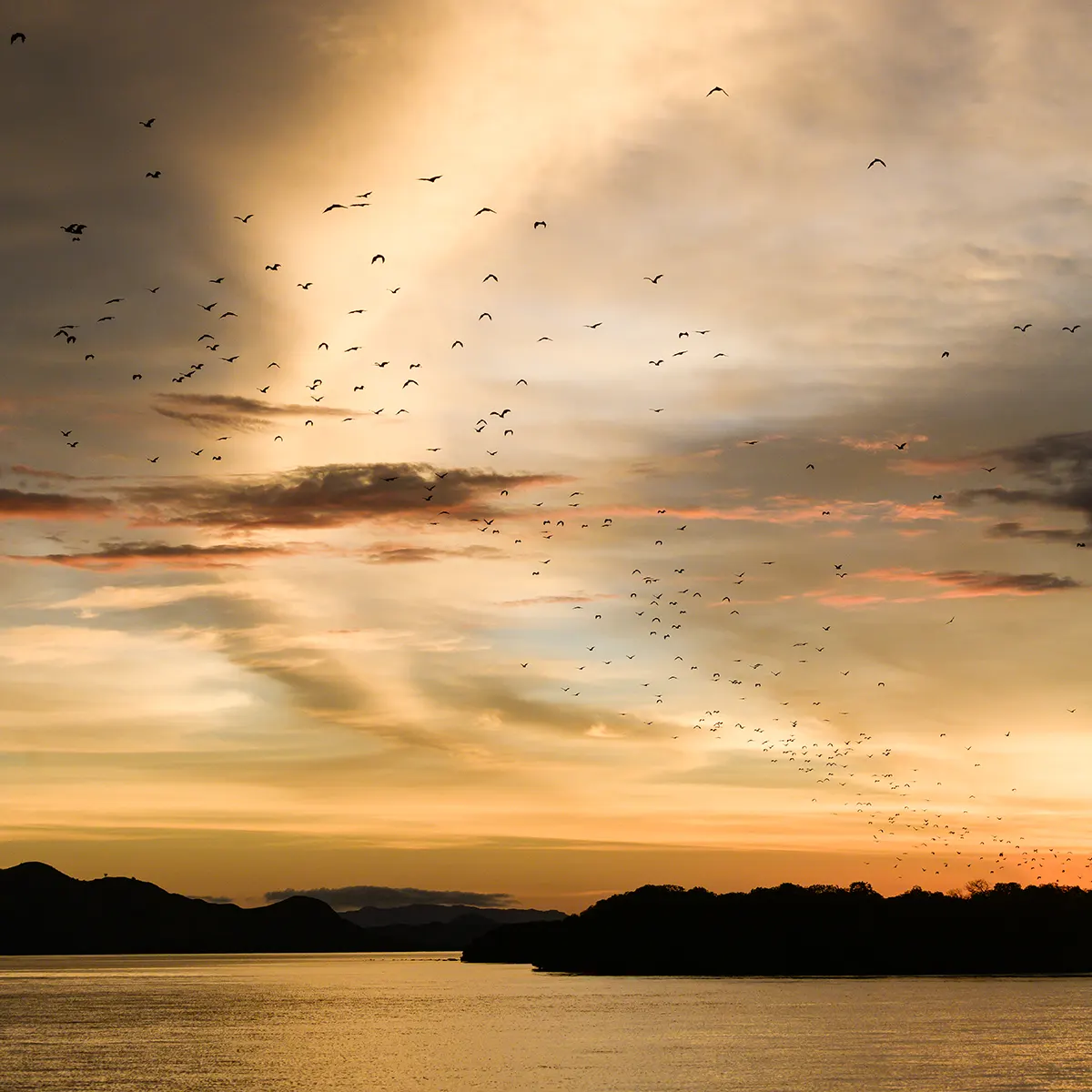
The Sunset Exodus
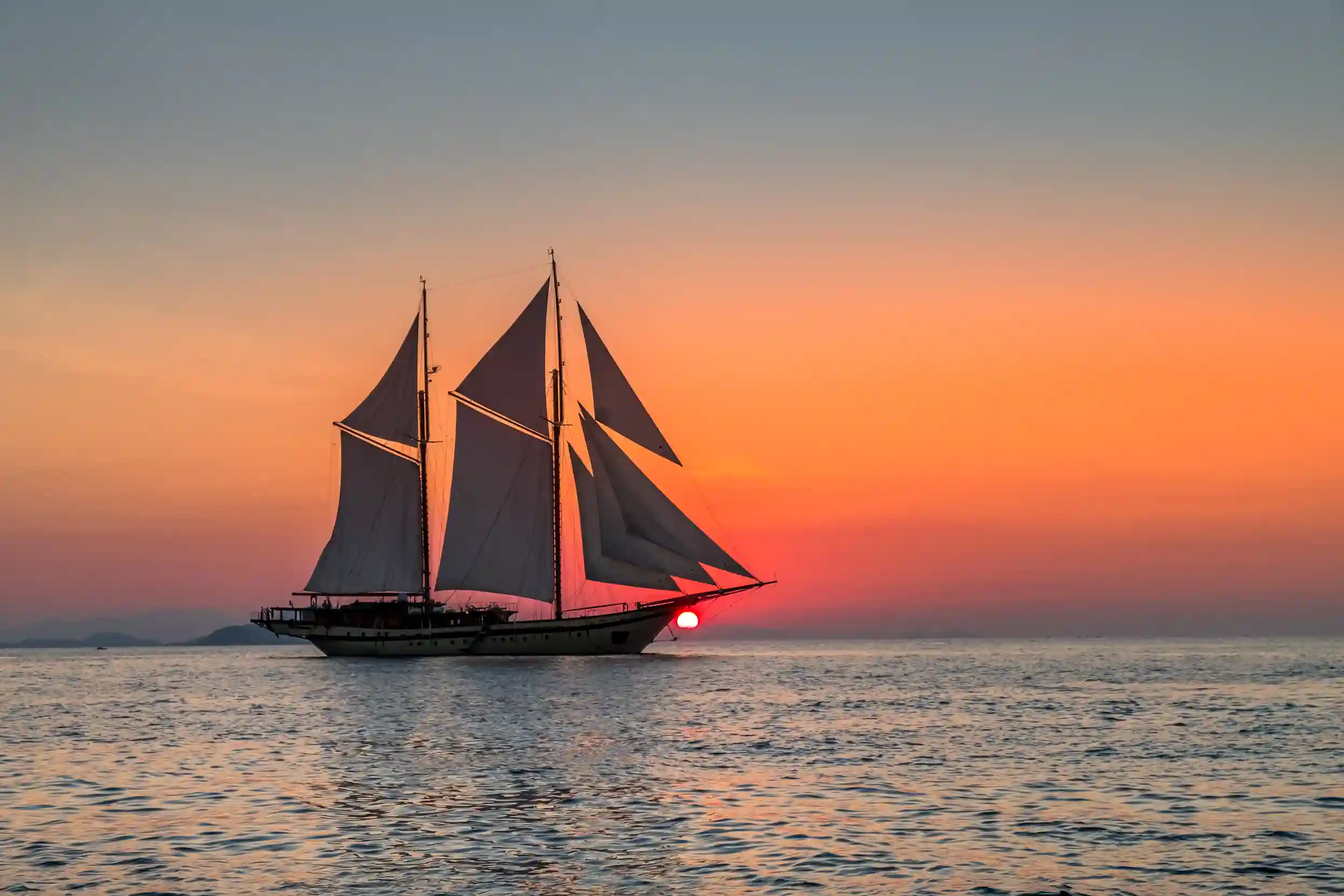
Twenty to thirty minutes before sunset, thousands of flying foxes lift off the mangroves in a wave that peaks against an orange sky before tapering off within the hour.
Book Now
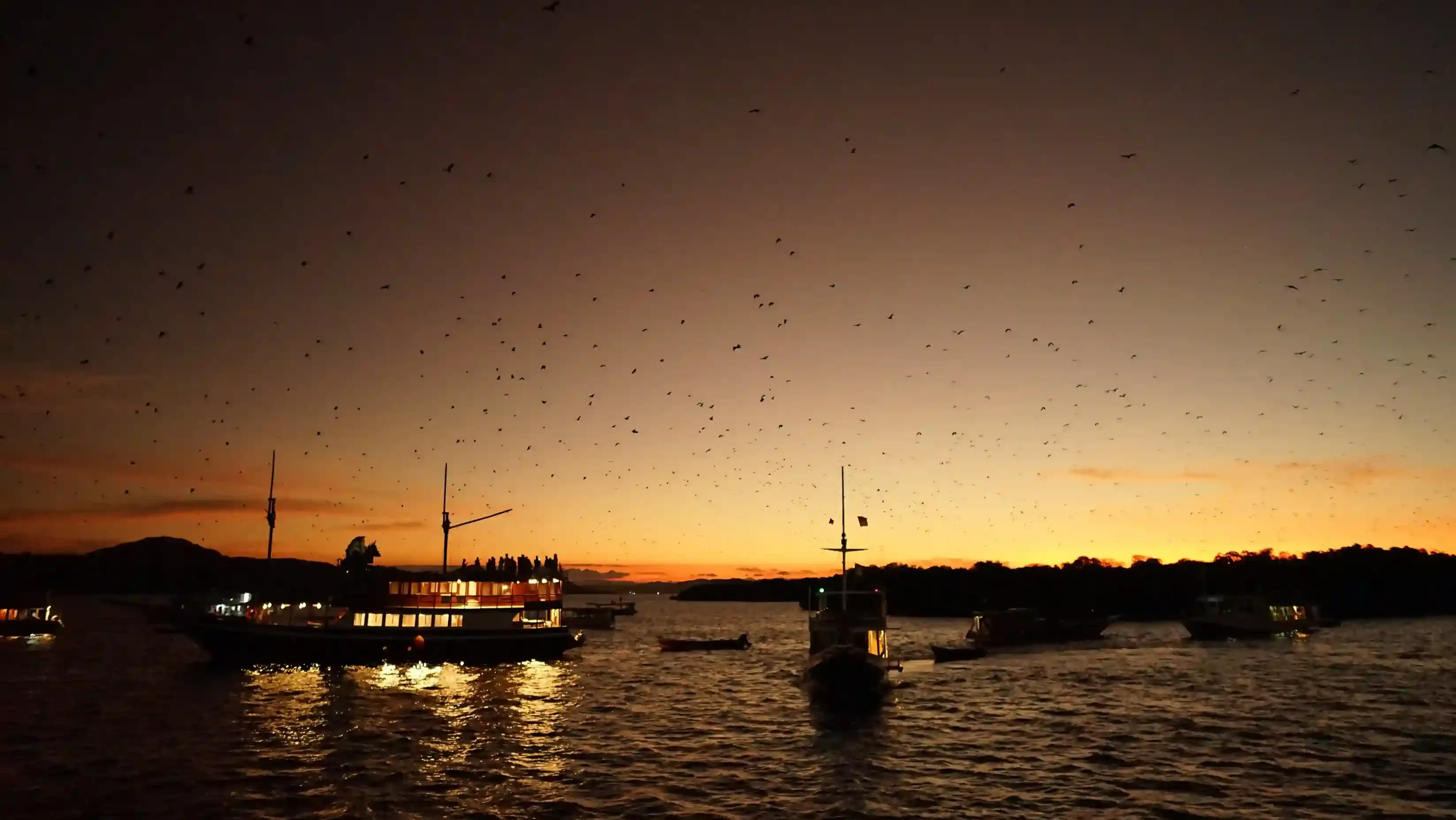
Quick Answer: Kalong Island, also known as Flying Fox Island, is where thousands of fruit bats stream across the sunset sky each evening from their mangrove roost in the Komodo archipelago. Best watched from a liveaboard anchored offshore, it pairs one of Indonesia’s most dramatic wildlife spectacles with diving and snorkeling nearby.
Kalong Island, locally Pulau Kalong, is a small mangrove islet inside UNESCO-protected Komodo National Park, roosting home to an estimated 3,000 to 12,000 large flying foxes.
Every evening as the light fades, these gentle fruit-eating bats lift off the mangroves in a wave that builds for 45 minutes to an hour before scattering to feed up to 40 kilometers away.
Reached almost entirely by liveaboard, Kalong rewards travelers with front-row access to this nightly performance alongside pristine mangrove habitat and nearby reefs.
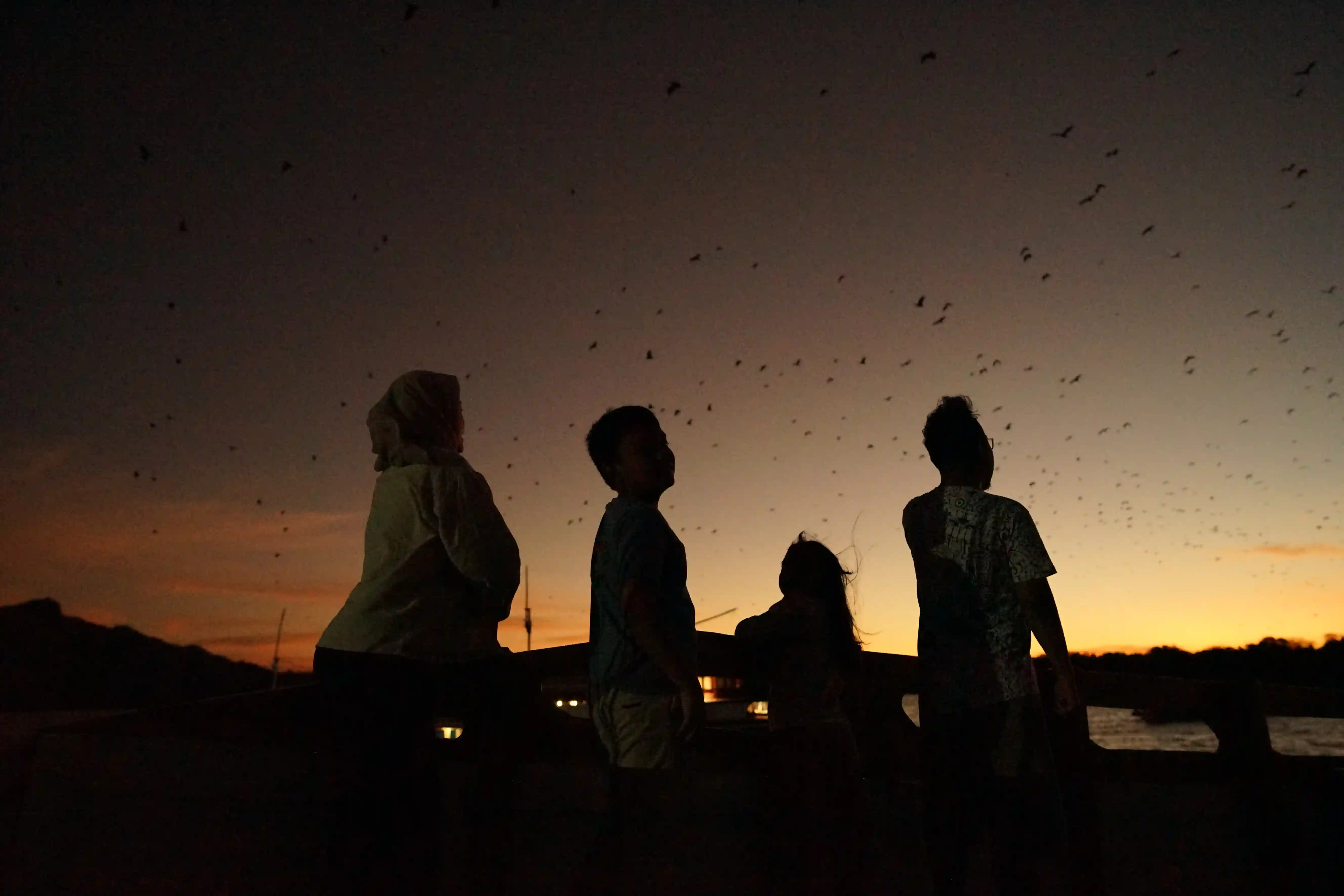
From the sunset exodus to quiet mangrove mornings and nearby reefs, Kalong Island delivers a complete encounter with one of Komodo’s most remarkable ecosystems.
Twenty to thirty minutes before sunset, thousands of flying foxes lift off the mangroves in a wave that peaks against an orange sky before tapering off within the hour.
Book Now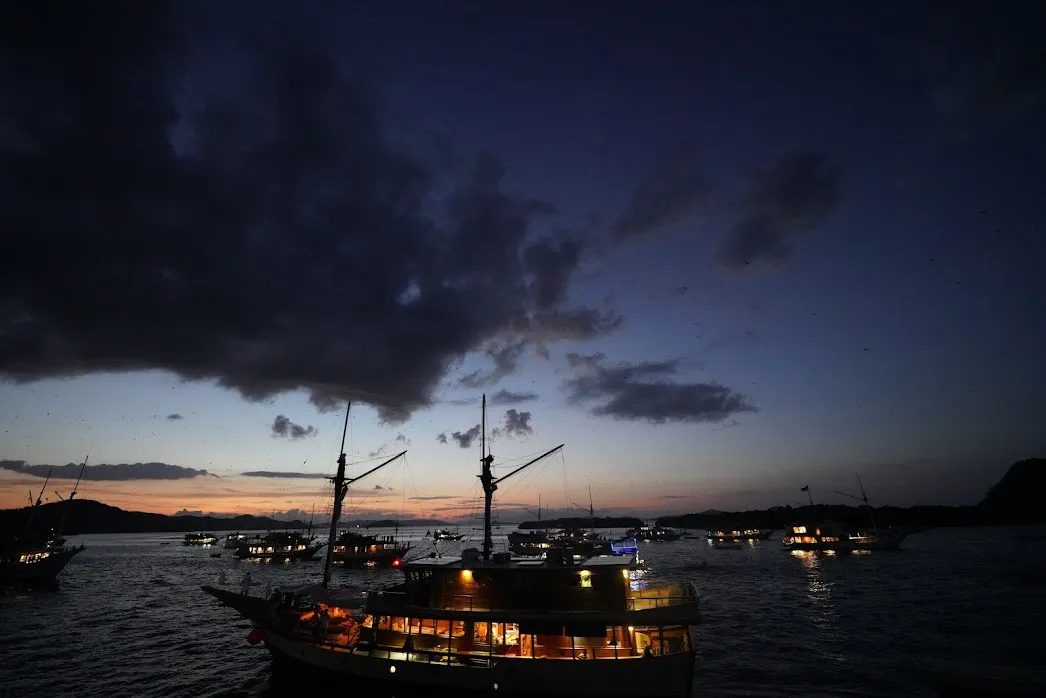
Dawn tender rides thread through the shallow channels around Kalong Island, where monitor lizards, wading birds, and roosting bats overhead are easiest to spot before the heat sets in.
Discover Destinations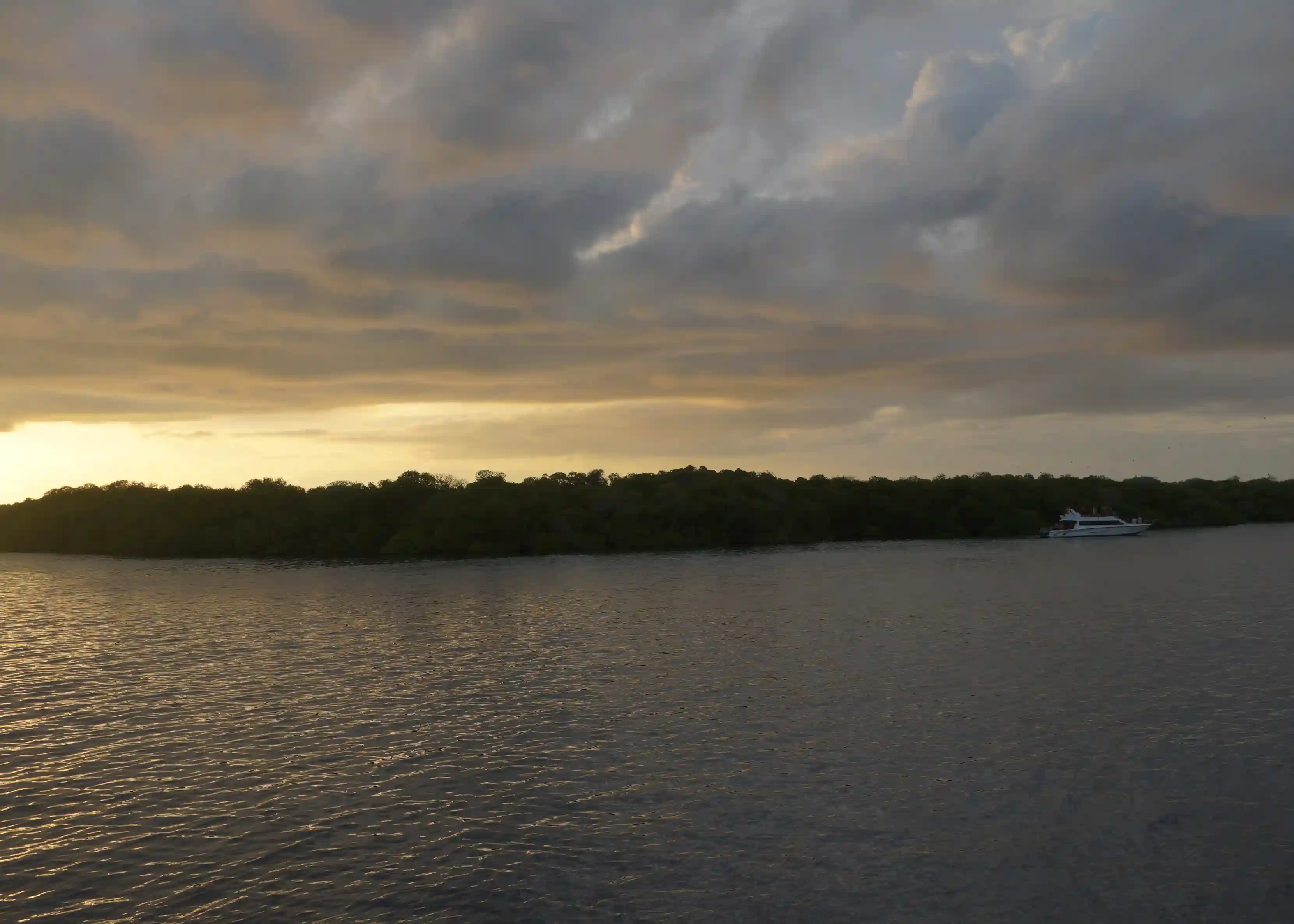
Midday hours often mean diving or snorkeling over healthy coral gardens in the surrounding waters, with nearby Rinca Island offering some of the archipelago’s best sites.
Explore Rinca Island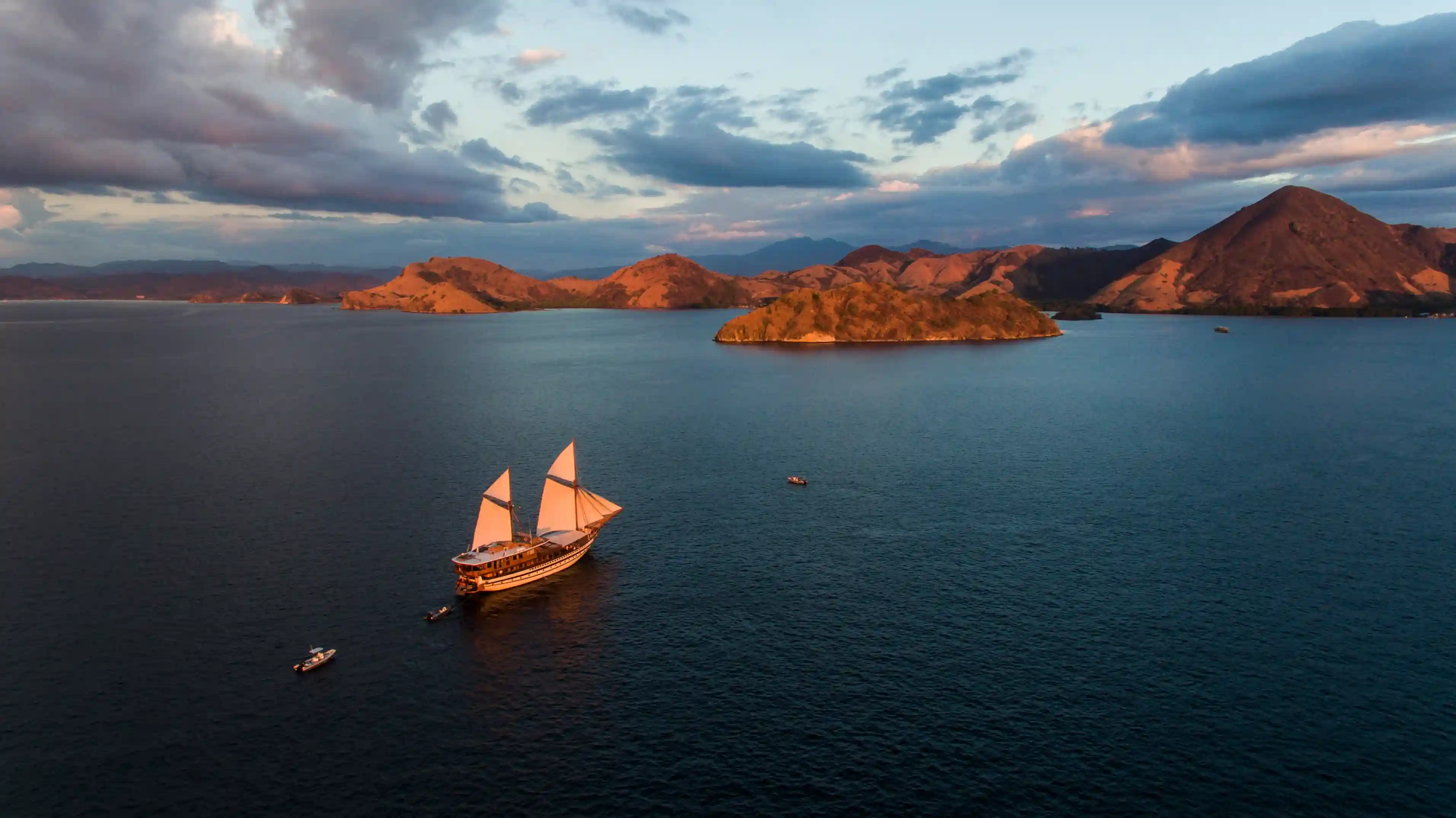
A fast shutter speed, a telephoto lens, and a position 100 to 200 meters from the flight path capture the bats’ silhouettes without disturbing their natural behavior.
View Liveaboard Options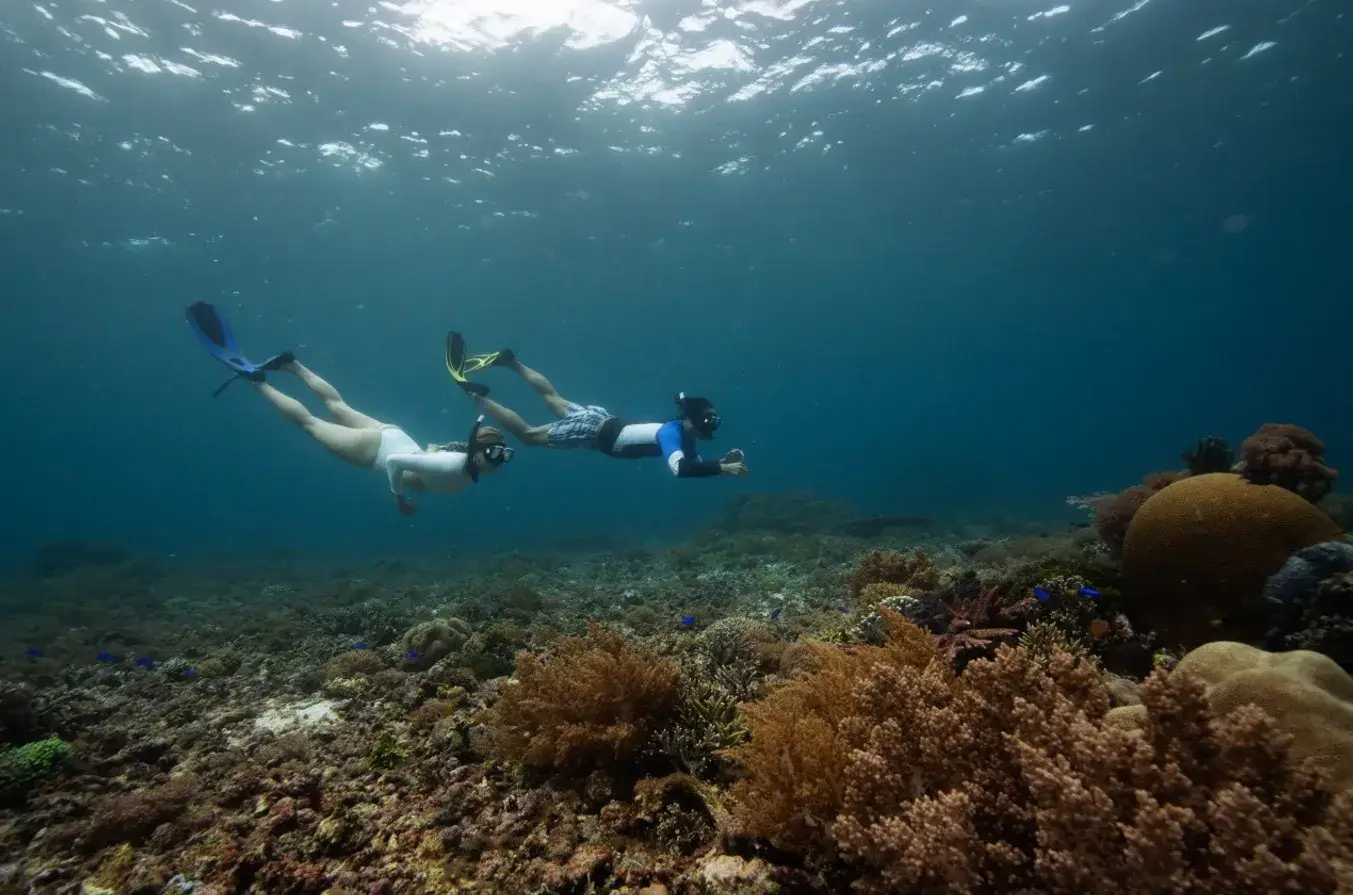
Day trips from Labuan Bajo rush to catch the exodus and turn straight back; a liveaboard anchors overnight, allowing dawn mangrove exploration before the evening show without rushing either.
Onboard naturalists explain flight patterns and how lunar cycles shift the timing, while nearby stops like Rinca Island round out the diving and wildlife on a longer liveaboard itinerary.
No—despite their size and the “flying fox” name, they eat only fruit, nectar, and pollen, and avoid human contact naturally. Liveaboard crews keep a safe, respectful distance for guests and bats alike.
Flying foxes are megabats with wingspans over 1.5 meters that navigate by sight and smell, unlike smaller echolocating microbats. Their size and visible daytime roosting make Kalong Island’s population especially easy to observe.
Kalong is a roosting site, not a feeding ground, so the bats travel 10 to 40 kilometers nightly to fruiting trees across the archipelago. A single bat can eat roughly a quarter of its body weight in fruit each night.
Yes—morning mangrove tender rides let you spot bats resting in the canopy in torpor, a low-energy state distinct from their nighttime activity. It’s a quieter, complementary view ahead of the evening exodus.
March through May and August through November offer the most reliable bat populations, calm seas, and pleasant conditions, with September and October often best for visibility. Experienced operators can still arrange strong sightings year-round.
Responsible operators hold vessels 100 to 200 meters from the main flight path, which still delivers an extraordinary view through a telephoto lens. Closer approaches can disturb the bats’ flight patterns and break park regulations.
A camera with fast autofocus, a 70-200mm telephoto lens, and a high ISO (1600-6400) with a shutter speed of at least 1/500s handle the fading light and bat movement. Pack waterproof protection against salt spray and humidity.
Liveaboards anchor overnight near the island, enabling dawn exploration, unhurried sunset positioning, and naturalist commentary that day trips skip entirely. Multi-day itineraries also combine Kalong with other Komodo destinations in one trip.
Independent planning guides for Komodo National Park liveaboard trips, updated for the 2027 season.
Boats and departures are operated by Komodo Luxury — a registered Indonesian PT under Juara Holding Group Limited with 1,500+ verified guest reviews (4.9/5).