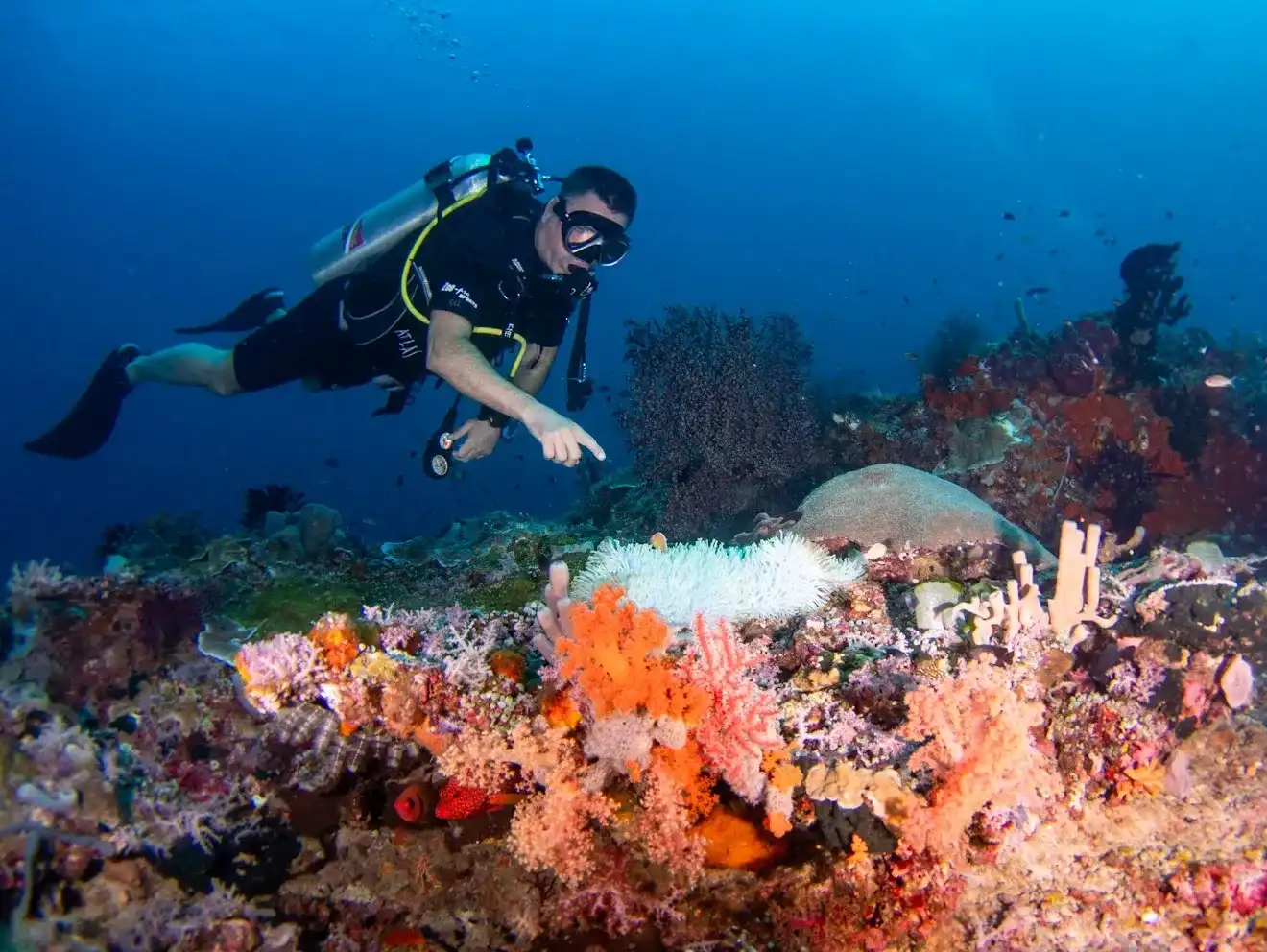
Current-Swept Walls & Drift Diving
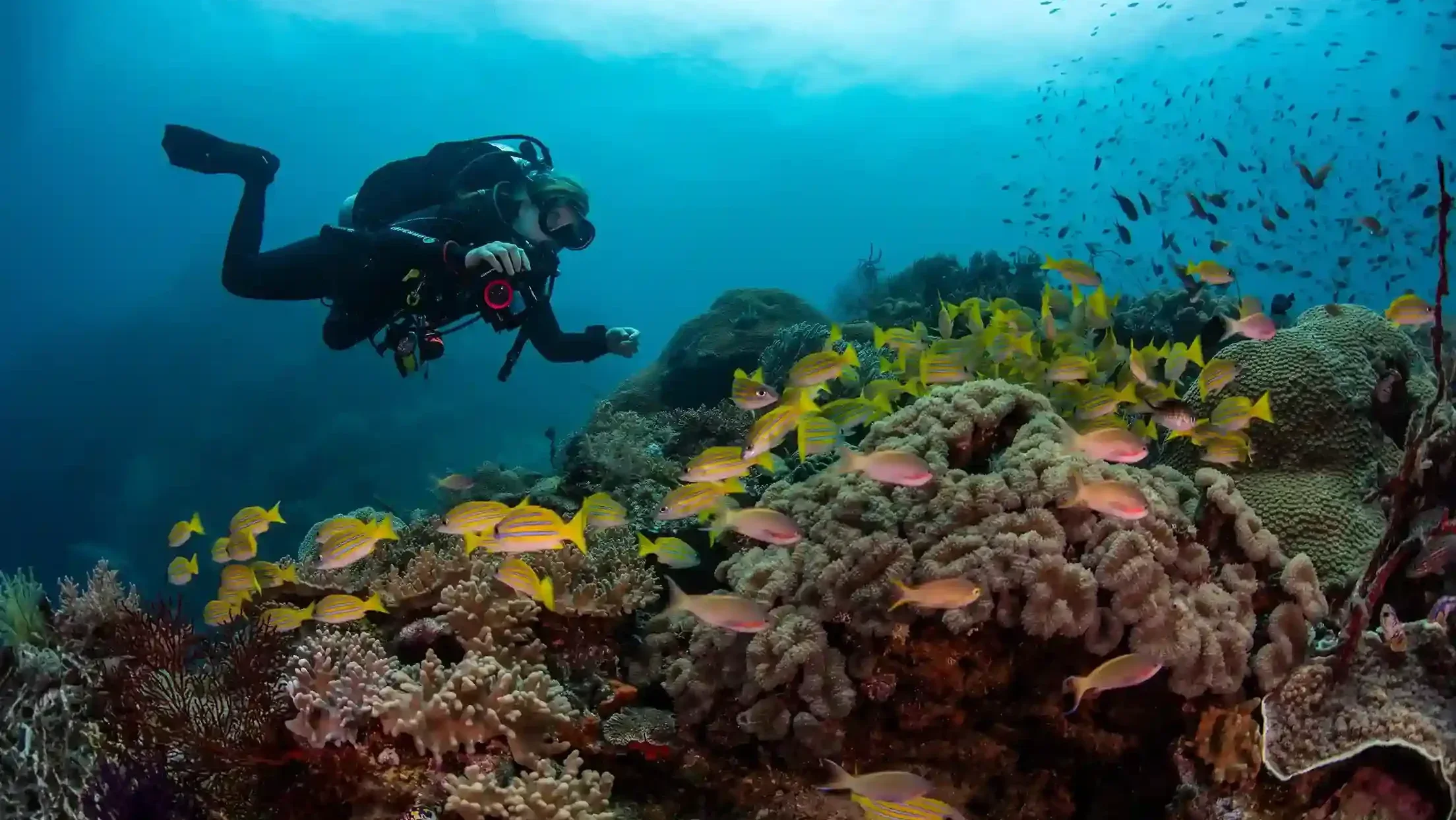
Vertical walls plunging into the deep, swept by strong currents alive with jacks, trevally, and reef sharks—the classic Komodo experience at sites like Batu Bolong and Castle Rock.
Explore Batu Bolong
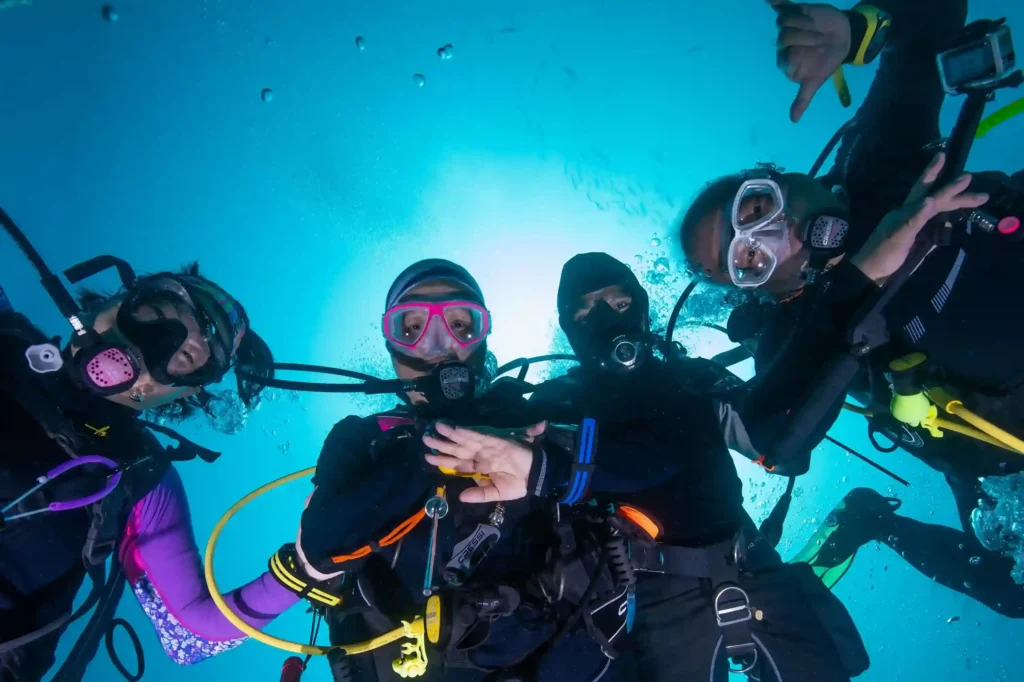
Quick Answer: Komodo National Park has 20+ top-tier dive sites including Batu Bolong, Castle Rock, Crystal Rock, and Manta Alley, offering encounters with manta rays, reef sharks, turtles, and over 1,000 species of tropical fish.
Set within the Coral Triangle, this UNESCO World Heritage Site showcases dramatic current-swept walls, towering pinnacles, and biodiversity that draws divers from across the globe.
Each site tells its own geological story, shaped by tectonic forces and the convergence of the Indian and Pacific Oceans—conditions that fuel exceptional marine productivity from tiny pygmy seahorses to massive manta rays.
Strict conservation regulations keep these ecosystems pristine, so every dive here directly supports marine protection and local communities.
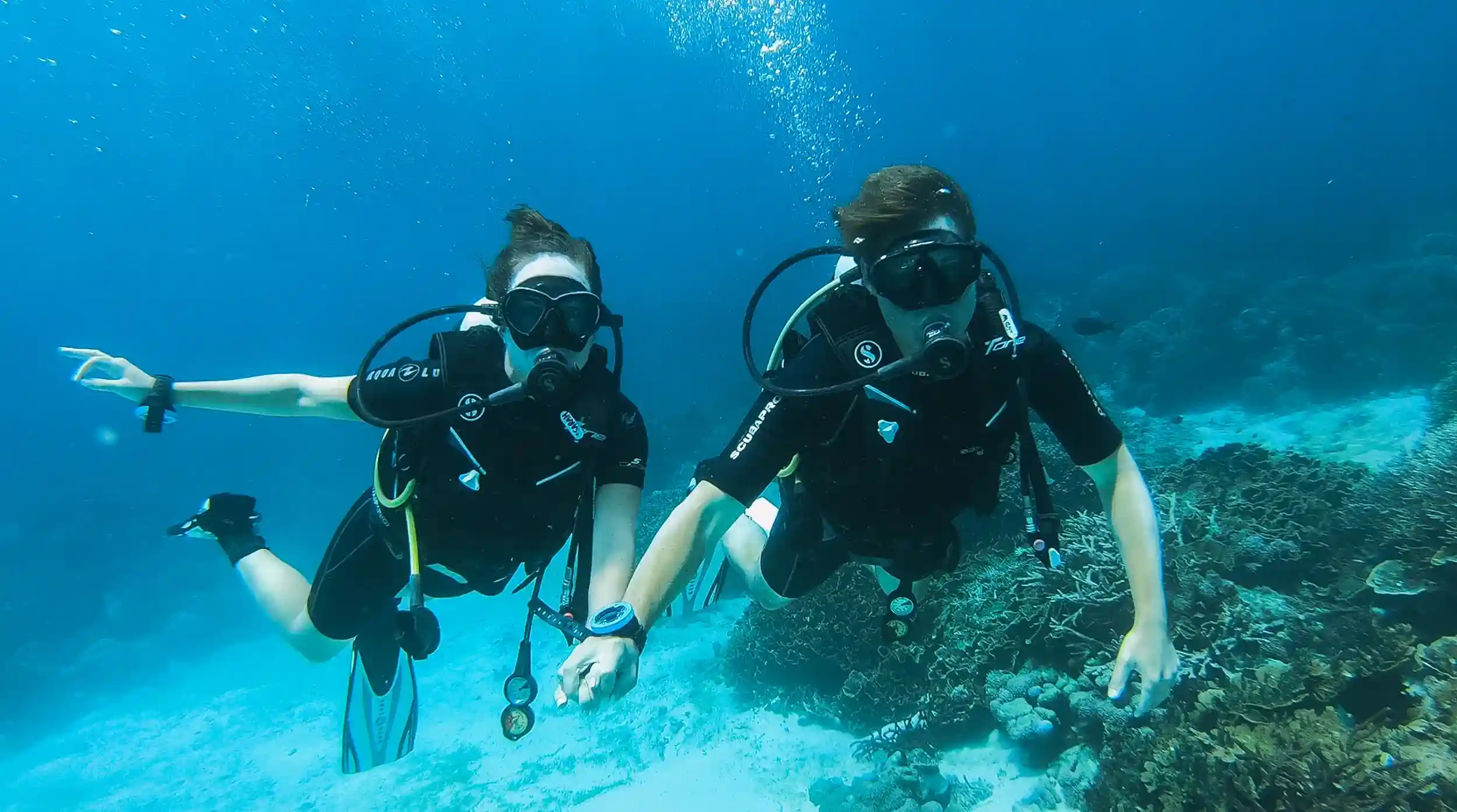
From current-swept walls to macro-rich critter sites, Komodo’s dive sites naturally sort into a few distinct experiences.
Vertical walls plunging into the deep, swept by strong currents alive with jacks, trevally, and reef sharks—the classic Komodo experience at sites like Batu Bolong and Castle Rock.
Explore Batu Bolong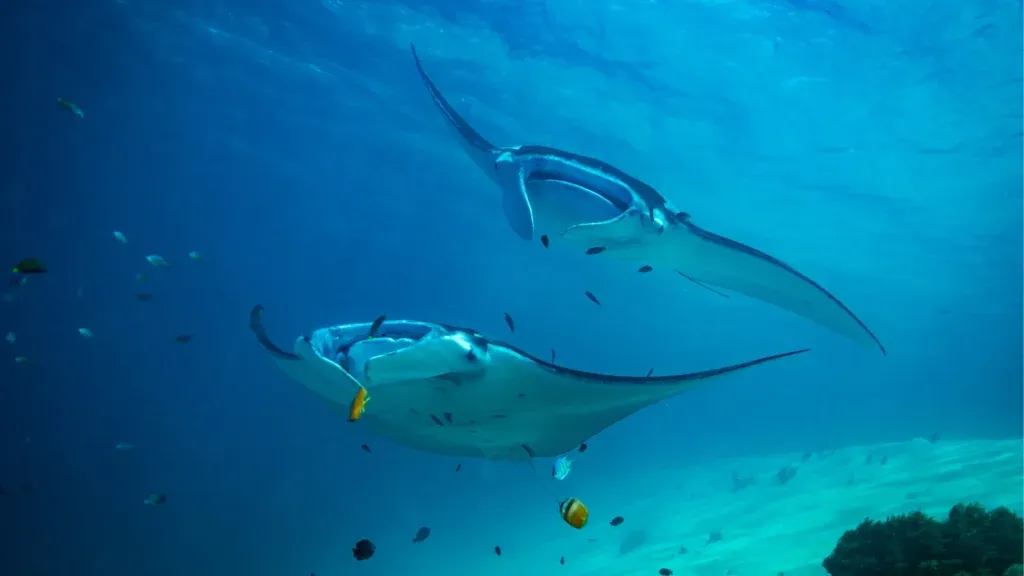
Manta Alley lives up to its name—a seasonal gathering point where graceful giants glide through plankton-rich water from November through April.
Explore Manta Alley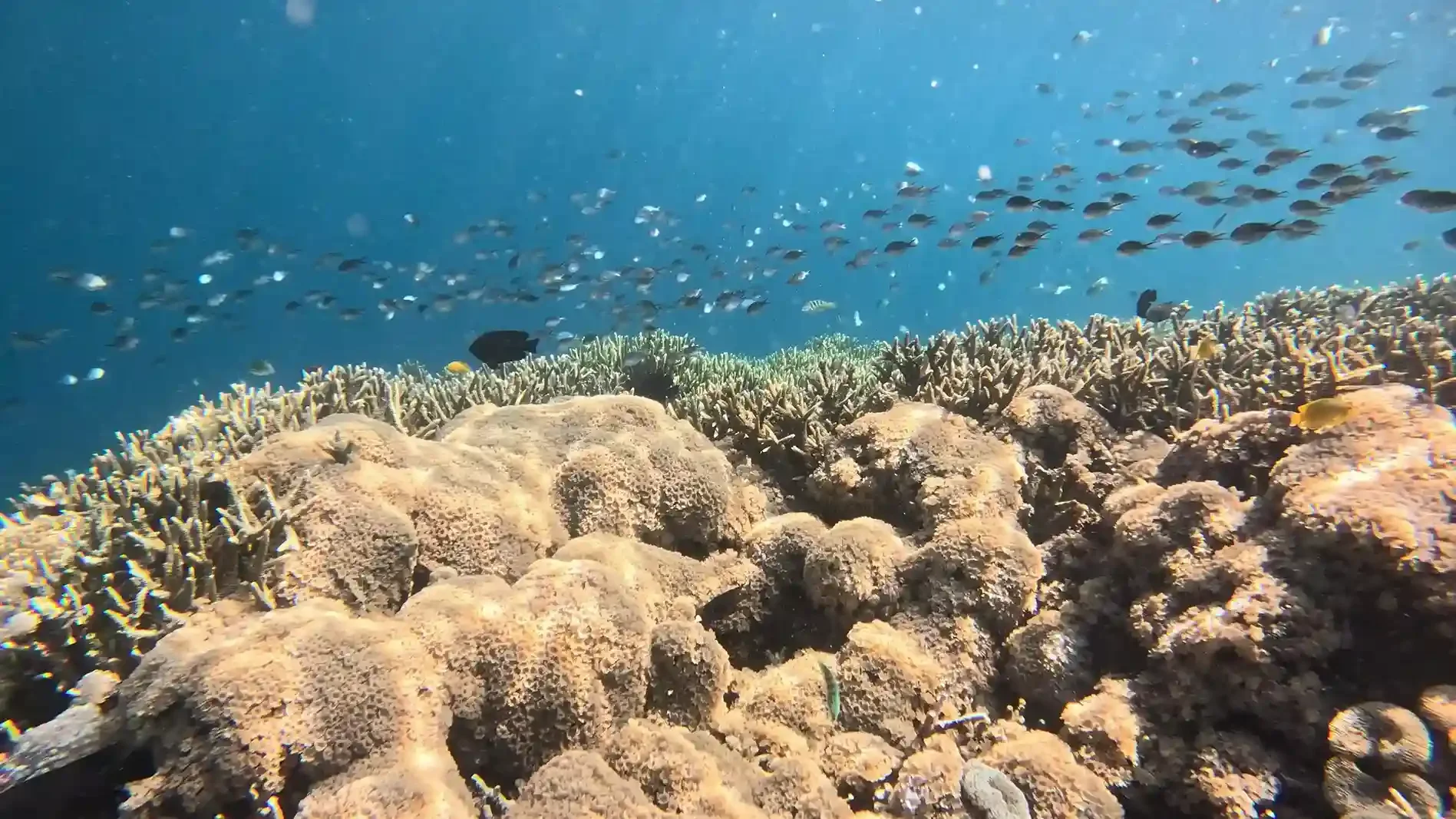
Sheltered reefs at Cauldron & Shotgun and Siaba Besar reveal nudibranchs, seahorses, and frogfish for patient photographers.
Explore Siaba Besar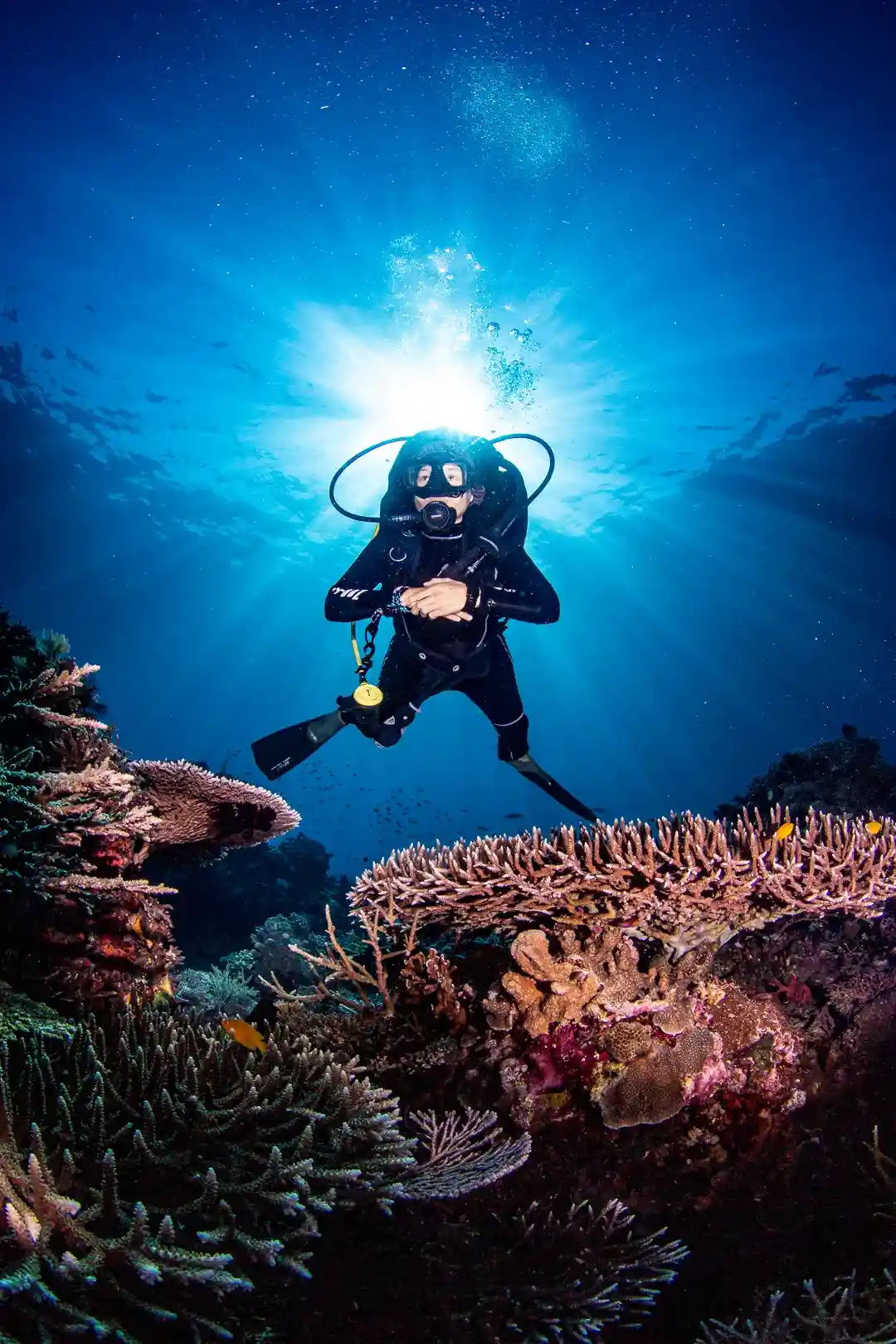
Makassar Reef and Sebayur Reef offer manageable depths and gentle conditions—perfect for building confidence without sacrificing marine life.
Explore Sebayur ReefKomodo’s #1 dive site—an iconic current-swept wall with dense fish schools and dramatic vertical topography.
A shark-filled seamount with exceptional coral growth and consistent pelagic encounters at manageable currents.
A technical drift site wrapped in soft coral, prized for thrilling currents and abundant macro life.
A gentler wall dive with pristine coral and a resident sea turtle population—exceptional marine life without extreme currents.
A drift channel off Gili Lawa where converging currents create a fast, scenic ride past healthy reef.
Komodo’s legendary manta gathering point, with near-guaranteed encounters during the November–April season.
A manta cleaning station that doubles as a snorkeling paradise—accessible for divers and snorkelers alike.
Komodo’s ultimate drift dive—a whirlpool-like channel for advanced divers, with unique geological formations.
A macro-rich site teeming with turtle encounters, coral gardens, and photogenic small critters.
A South Komodo night dive known for unusual nocturnal critters that only emerge after dark.
Mandarin fish and excellent night diving on a shallow, sheltered reef ideal for building experience.
The macro photography capital of Komodo—and one of its most challenging sites, reserved for advanced current-diving experience.
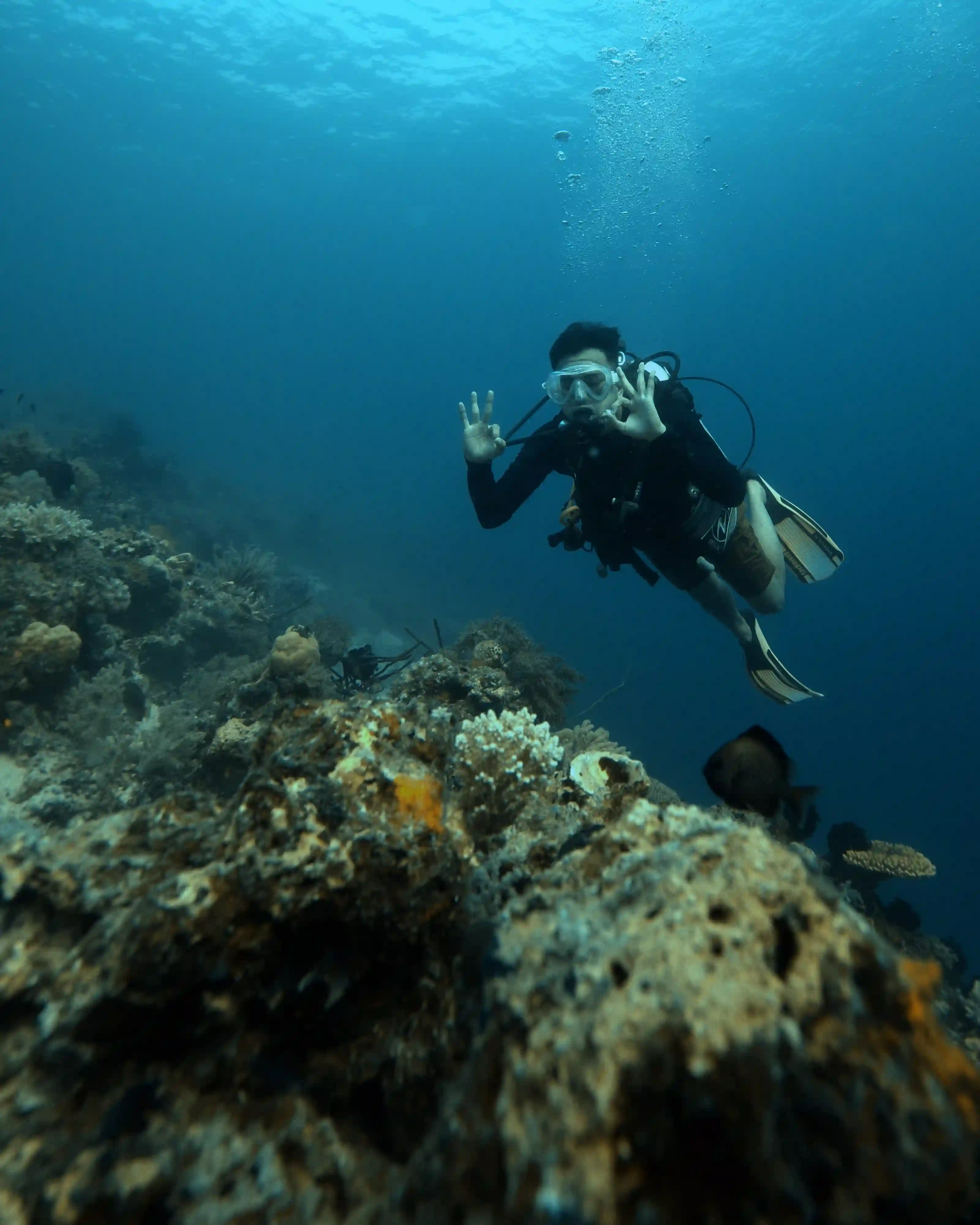
Current strength, depth, and visibility vary widely across Komodo’s dive sites. Cannibal Rock and Batu Bolong demand advanced current-diving skills, while Castle Rock offers a moderate step up, and gentler sites welcome newer divers.
Seasonal shifts matter too: the dry season (November–April) brings calmer conditions and the best visibility, while the wetter months (June–September) bring stronger currents, lower visibility, and fewer crowds.
Advanced Open Water is the minimum for most sites, while Castle Rock, Batu Bolong, and Cannibal Rock call for Advanced Adventurer or Divemaster-level current-diving experience. Rescue Diver training and recent dive experience within the past 12 months are strongly recommended.
Water stays a consistent 26–29°C year-round. Most divers still wear a 3-5mm wetsuit for extended bottom times and abrasion protection around rocky reefs.
Prime season liveaboard trips often book 6-12 months ahead, especially for November–April departures. Off-season trips need less lead time—2-3 months is usually enough.
Wide-angle lenses capture the walls and big pelagics, while macro lenses reveal the small critters at sites like Siaba Besar. Many photographers bring both, alongside GoPros for simpler video documentation.
Yes, nitrox is available fleet-wide, extending bottom time on deeper wall dives. You’ll need Advanced Nitrox certification or equivalent to use mixes beyond 40% oxygen.
Expect reef sharks, seasonal manta rays, sea turtles, and schooling jacks and snapper, alongside nudibranchs, seahorses, and countless crevice-dwelling critters. Larger pelagics like dogtooth tuna and occasional whale sharks add unpredictability.
Your passport should stay valid at least six months beyond your return date, and diving-specific travel insurance is essential since standard policies often exclude it. Get a pre-dive medical check if it’s been more than three months since your last dive.
Independent planning guides for Komodo National Park liveaboard trips, updated for the 2027 season.
Boats and departures are operated by Komodo Luxury — a registered Indonesian PT under Juara Holding Group Limited with 1,500+ verified guest reviews (4.9/5).