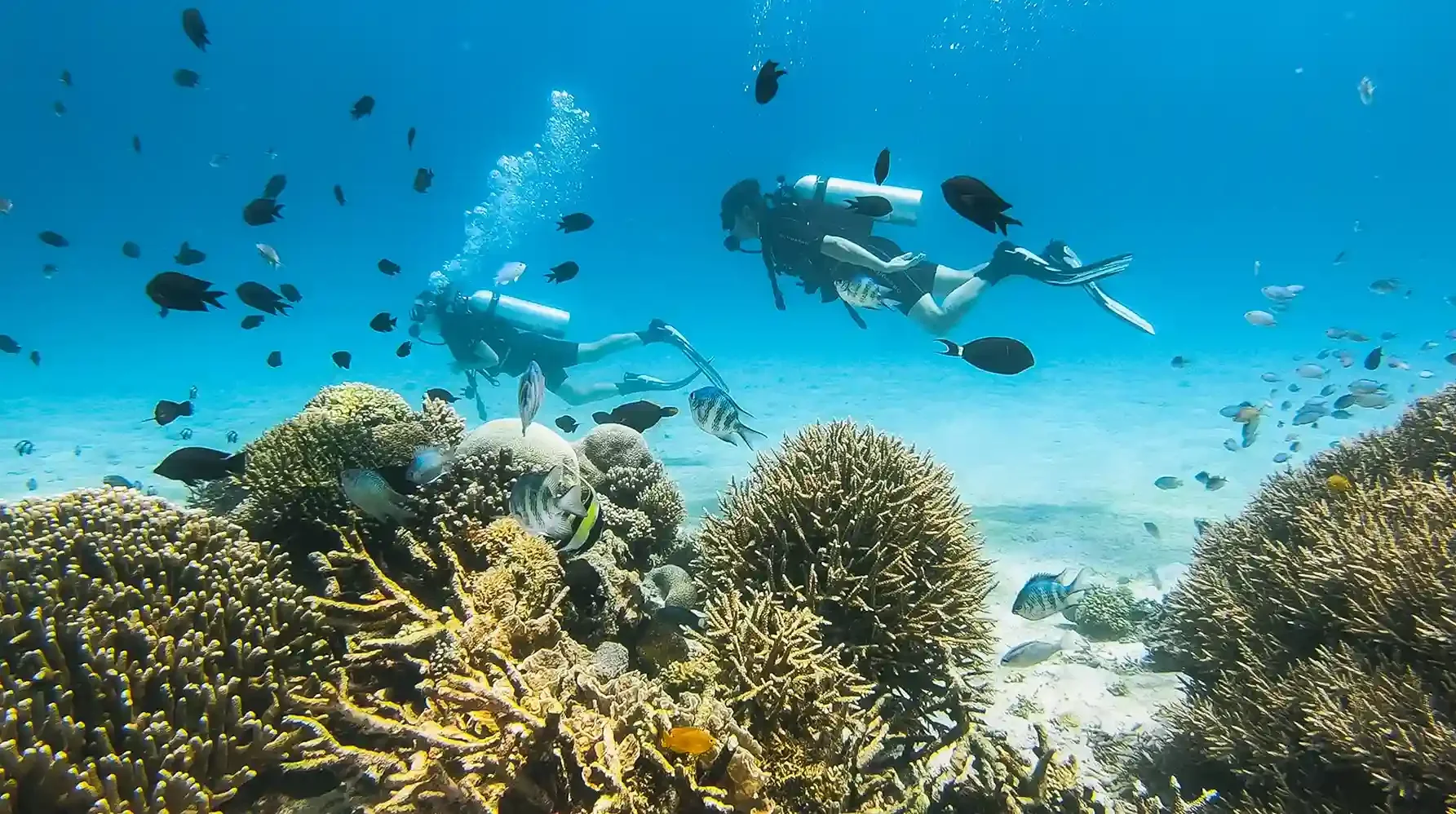
Current-Swept Walls & Drift Diving
Converging Indian and Pacific currents carve dramatic walls and pinnacles that concentrate fish life across the park.
Explore All Dive Sites
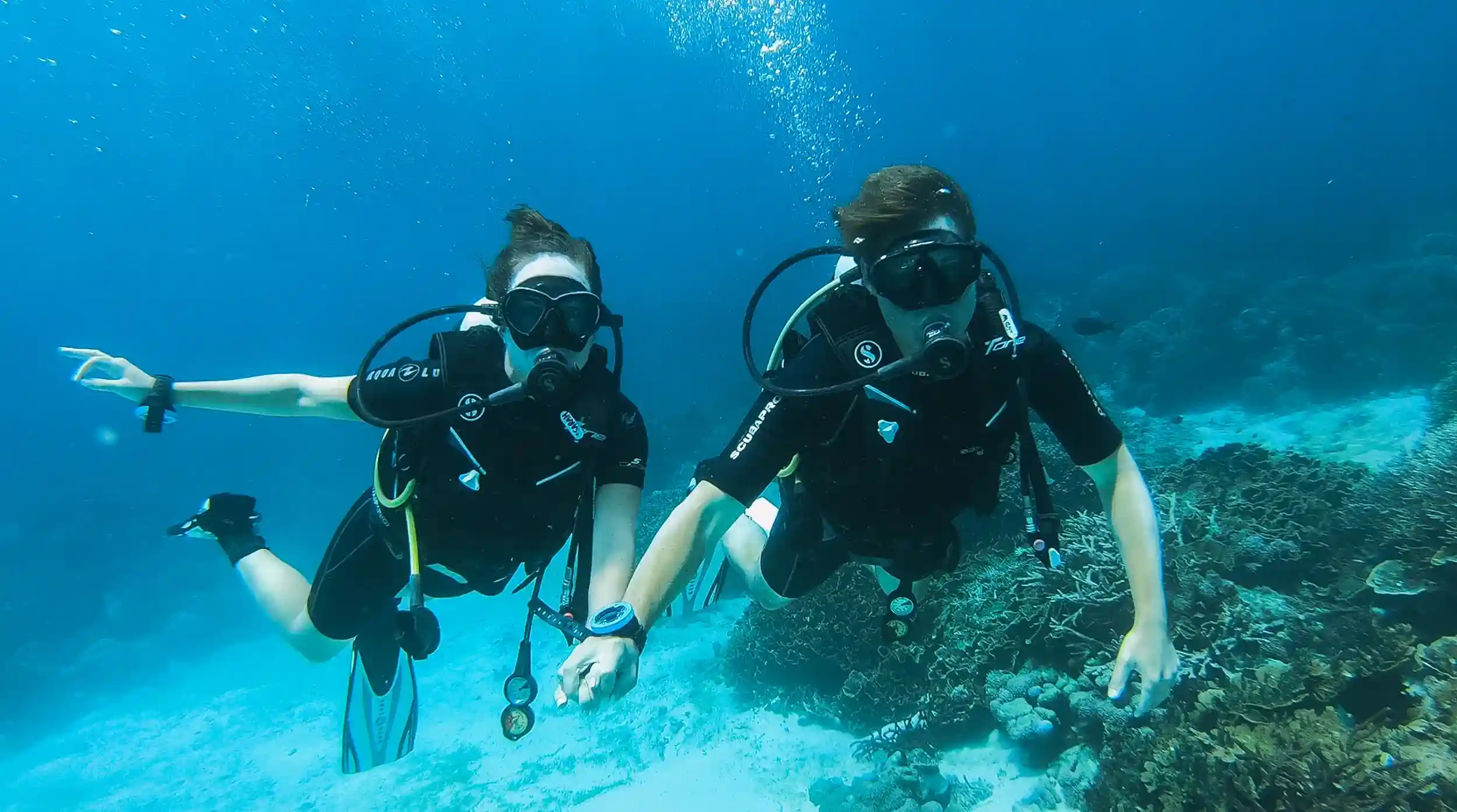
Quick Answer: Komodo diving liveaboard trips deliver pristine reefs, powerful drift dives, and near-guaranteed manta encounters, with PADI-certified instruction for beginners through advanced divers. Signature sites like Castle Rock, Batu Bolong, and Manta Alley make it one of the world’s great dive destinations.
Komodo sits inside the Coral Triangle, Earth’s marine biodiversity hotspot, where dramatic underwater topography meets an extraordinary concentration of species.
A liveaboard keeps you in the water longer than any land-based trip—multiple daily dives, extended bottom time, and access to remote sites day-trippers never reach.
Whether you’re chasing your first certification or your hundredth dive, our fleet and PADI instructors meet you at your level.
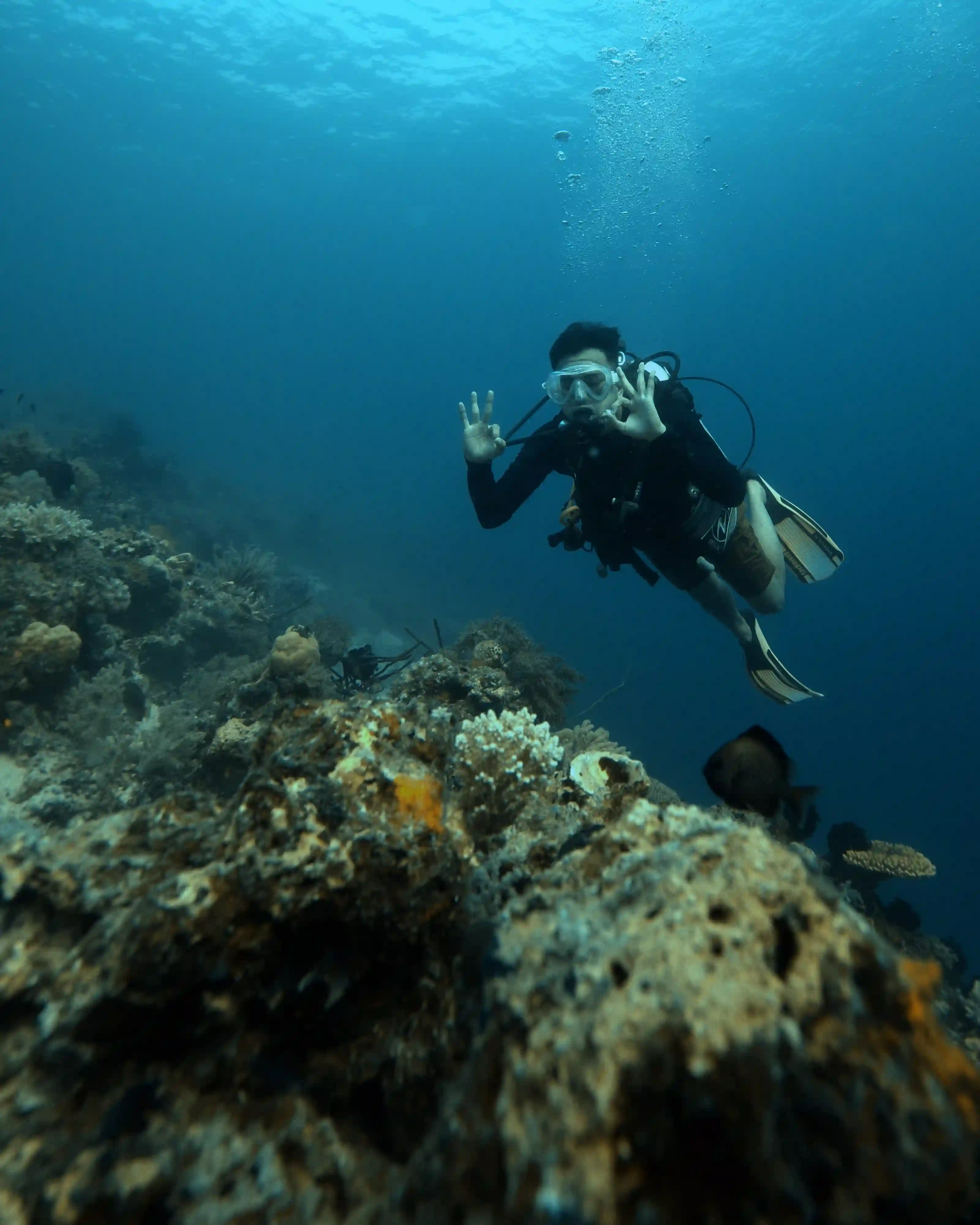
From current-swept walls to onboard certification, here’s what makes diving with us distinct.
Converging Indian and Pacific currents carve dramatic walls and pinnacles that concentrate fish life across the park.
Explore All Dive Sites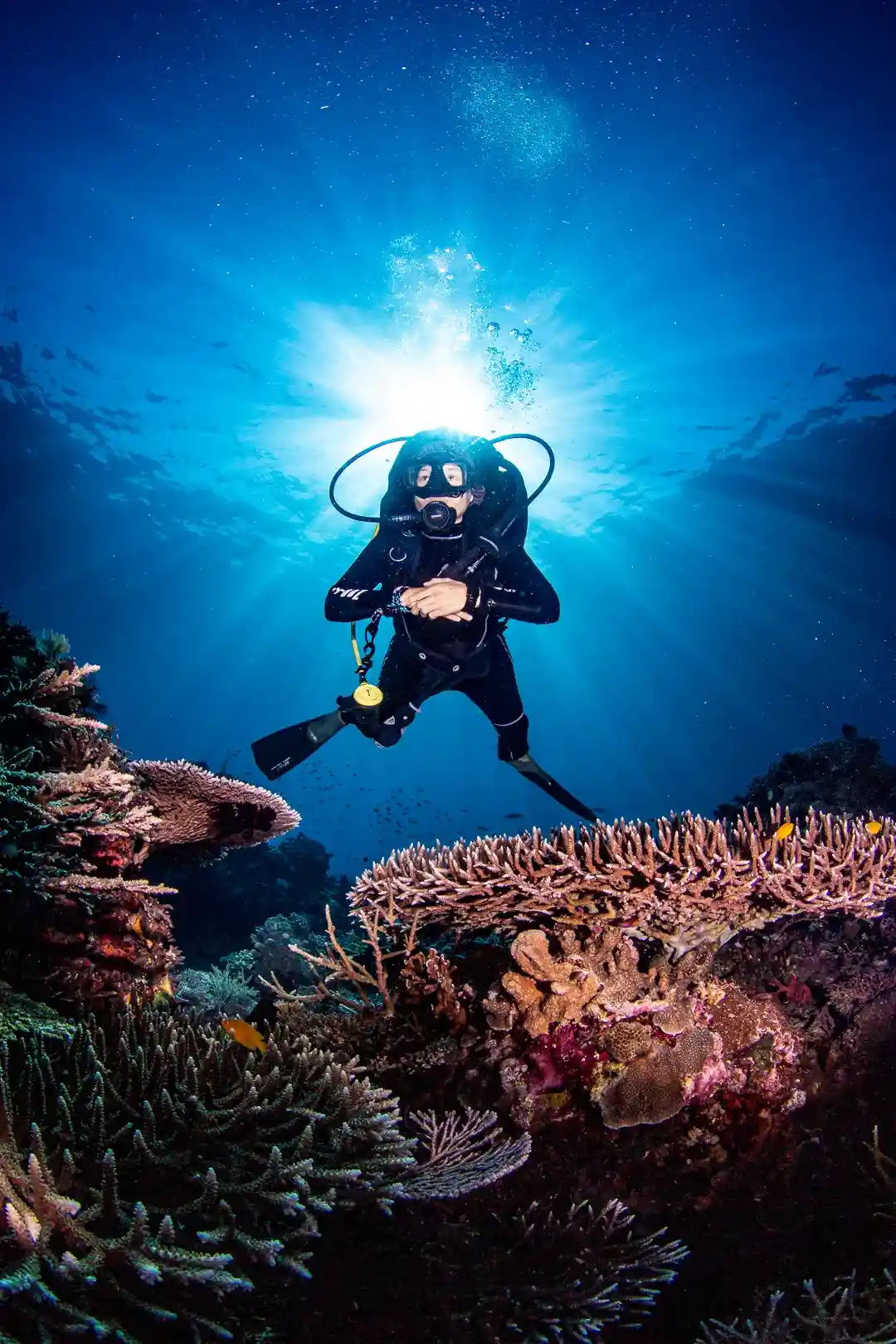
Seasonal upwelling gathers manta rays, reef sharks, and sea turtles at cleaning stations and current zones.
View the Marine Life Guide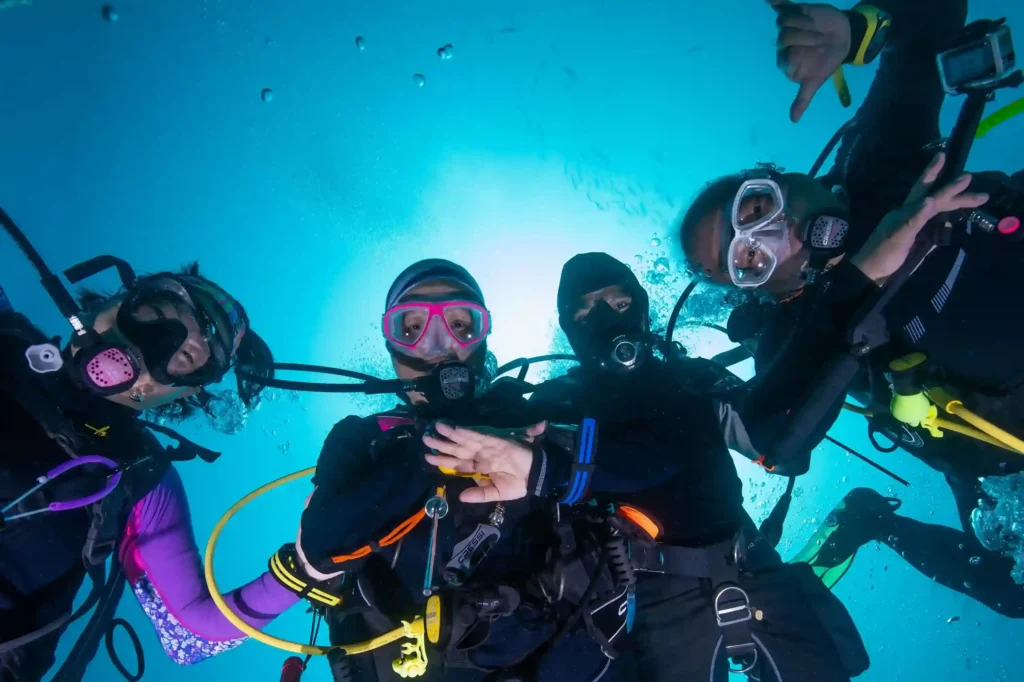
New divers can complete PADI Open Water onboard in 3–4 days with small instructor ratios; certified divers progress into drift, deep, and nitrox specialties.
View Liveaboard Trips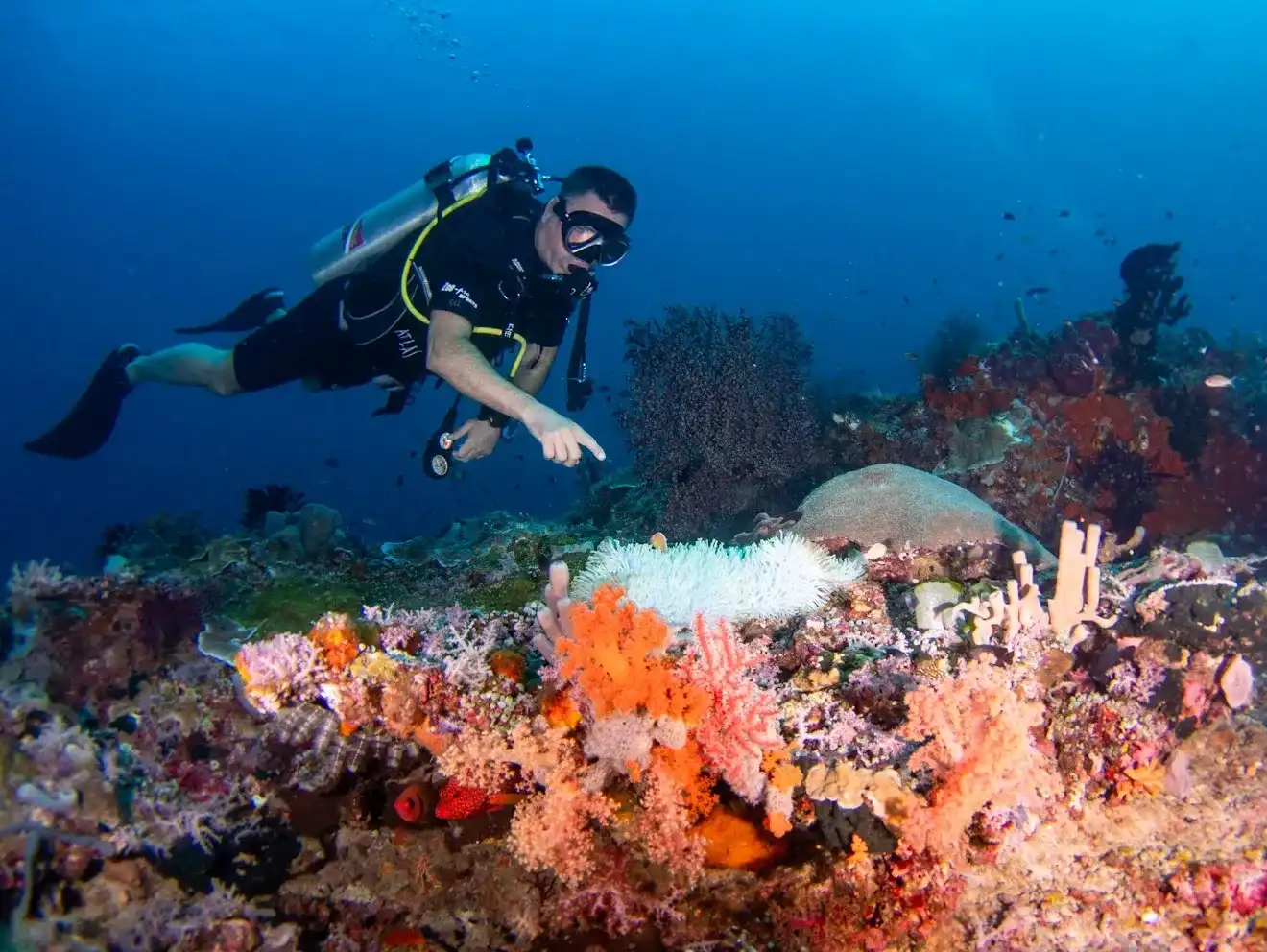
Nudibranchs, seahorses, and frogfish reward patient macro shooters, while wide-angle rigs capture the walls and passing pelagics.
See the Photography Expedition8–12 dives across foundational sites—an efficient first taste of Komodo diving. Open-trip cabins from USD 300 pp (weekday from USD 220); private charter from USD 5,300 per night.
15–18 dives spanning diverse reefs and currents for a fuller Komodo itinerary. Open-trip cabins from USD 300 pp (weekday from USD 220); private charter from USD 5,300 per night.
20–24 dives reaching remote locations, with room for technical training. Open-trip cabins from USD 300 pp (weekday from USD 220); private charter from USD 5,300 per night.
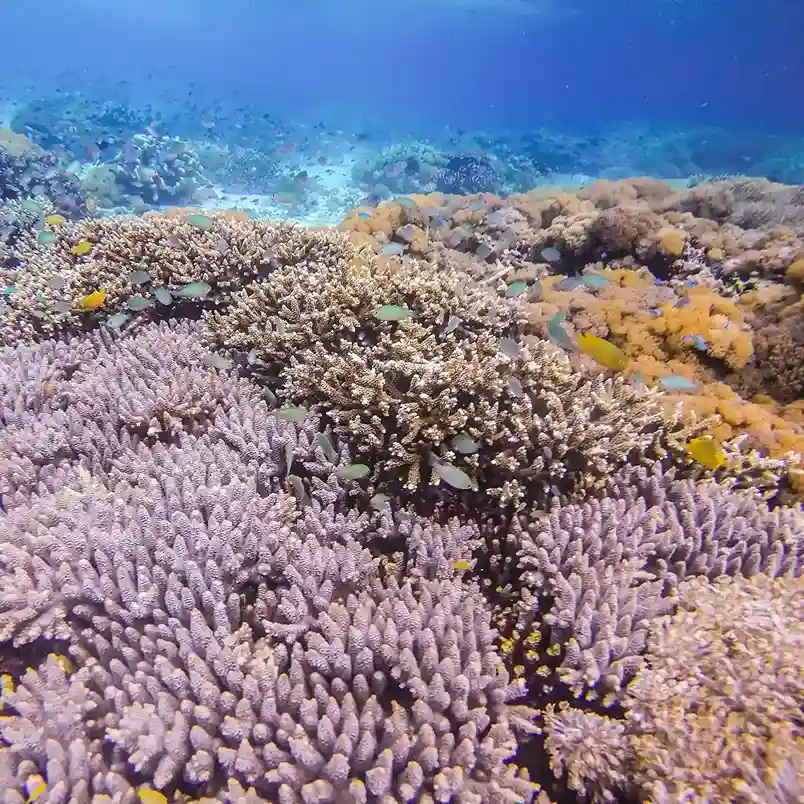
Visibility swings from 15–40 meters in the dry season (April–October) to a murkier 5–25 meters in the wet season (November–March)—when plankton blooms draw in the biggest manta gatherings.
Water stays a warm 24–29°C year-round, and Komodo’s famous currents—driven by monsoon patterns and converging oceans—power some of the best drift diving on the planet.
November through March, when nutrient upwelling concentrates plankton and manta rays. The dry season (April–October) trades some manta density for better visibility.
No—certified divers can join immediately, and beginners can complete PADI Open Water certification onboard in 3–4 days.
Drift diving uses the current for propulsion while you control your depth. With proper training, buddy discipline, and Advanced Open Water certification, it’s entirely safe.
8–12 dives on 3-day trips, 15–18 on 5-day trips, and 20–24 on 7-day trips. See our pricing page for exact counts per package.
Yes—shallow reefs, small instructor-to-student ratios, and onboard certification make it approachable for first-timers.
Advanced Open Water unlocks 30-meter dives; Rescue Diver and Master Scuba Diver open specialized sites, with Deep and Drift specialties available onboard.
Regulators, tanks, BCDs, computers, and wetsuits are available fleet-wide, maintained to international safety standards.
Liveaboards mean 3–5 dives a day instead of 2, no daily commute, and access to remote sites land-based trips can’t reach.
Dedicated photo guides help with composition and lighting, plus evening image review sessions—see our photography expedition.
Yes—sharks, mantas, and turtles pose virtually no danger to divers who keep a respectful distance and follow the divemaster’s lead.
Independent planning guides for Komodo National Park liveaboard trips, updated for the 2027 season.
Boats and departures are operated by Komodo Luxury — a registered Indonesian PT under Juara Holding Group Limited with 1,500+ verified guest reviews (4.9/5).