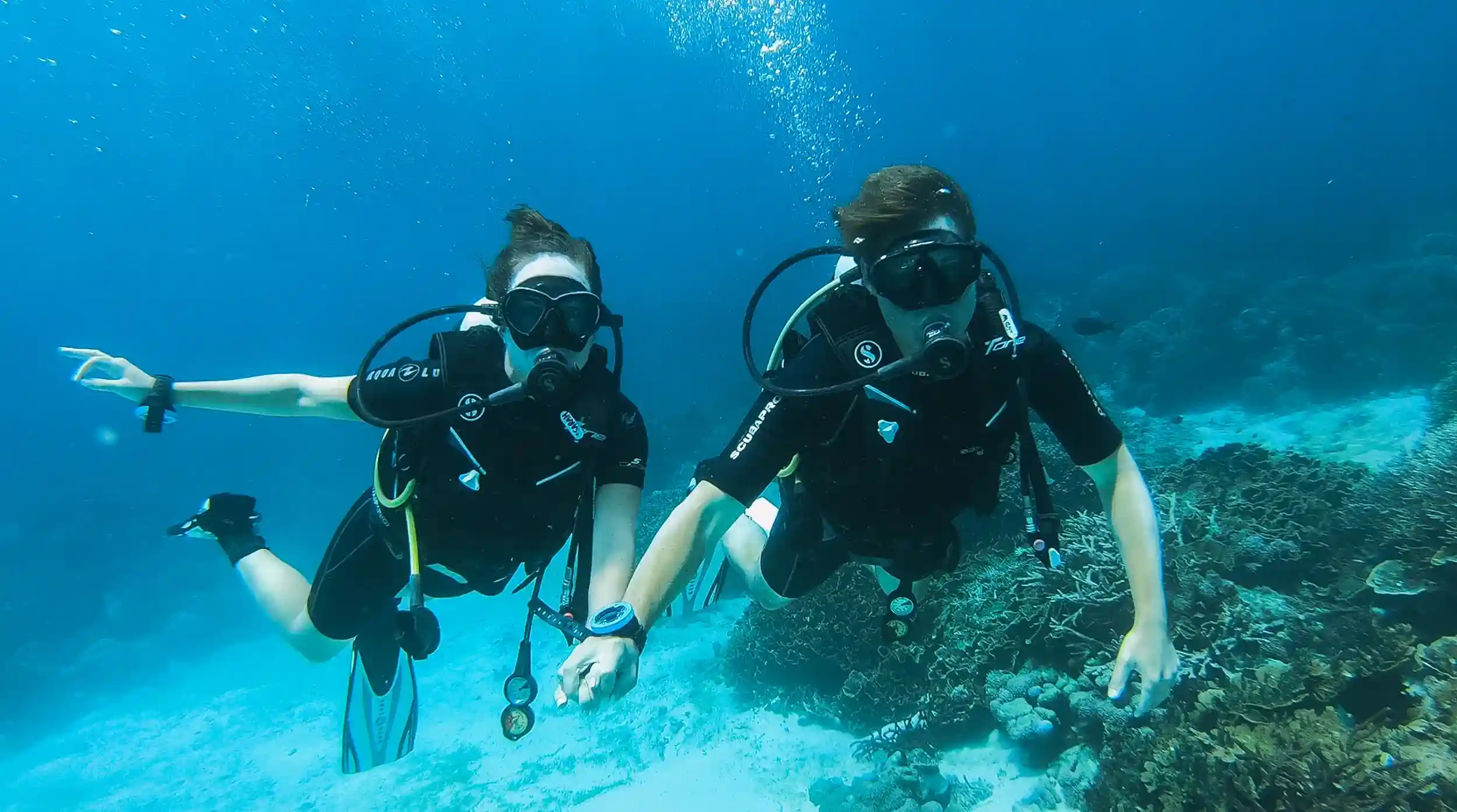
The Soft Coral Pinnacle
Rising from 50 meters to within 8–10 meters of the surface, Crystal Rock’s rock faces are blanketed in soft coral unmatched elsewhere in Komodo, with sea fans reaching over two meters across.
Explore Marine Life Guide
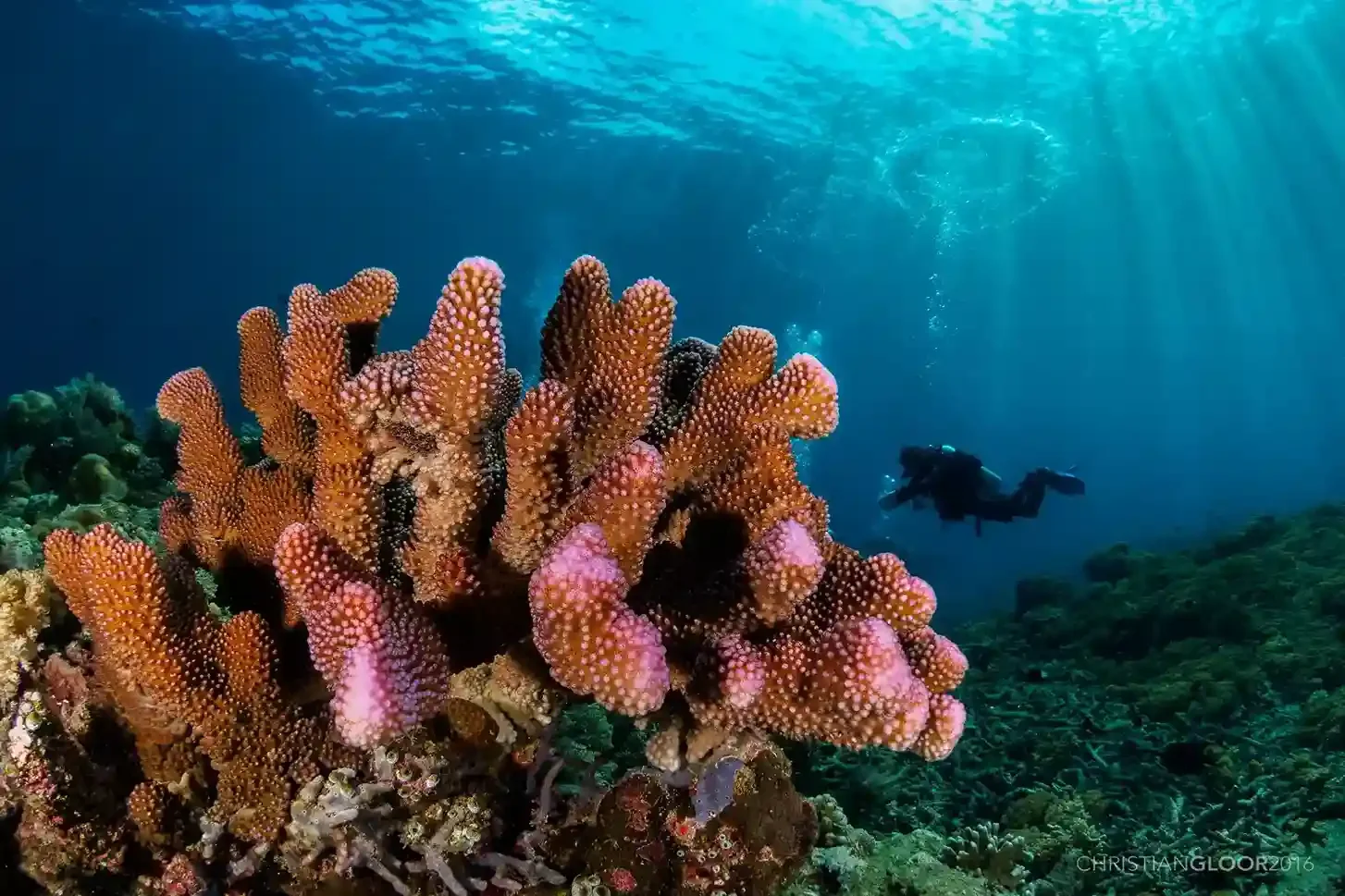
Quick Answer: Crystal Rock is Komodo’s most biodiverse dive site—an underwater pinnacle blanketed in soft corals, pygmy seahorses, nudibranchs, and seasonal manta rays. Moderate currents and 25–40m+ visibility make it ideal for intermediate-to-advanced divers chasing macro photography and reef biodiversity, especially during the dry season (April–November).
Where Batu Bolong brings dramatic currents and pelagic action, and Castle Rock delivers shark-filled intensity, Crystal Rock reveals Komodo’s most biodiverse reef.
Its pinnacle is blanketed in sea fans, soft tree corals, and delicate branching formations swaying gently in the current—named for the exceptional clarity that lets the whole garden unfold in view.
It rewards patient observation over adrenaline, making it a favorite among naturalists and macro photographers alike.
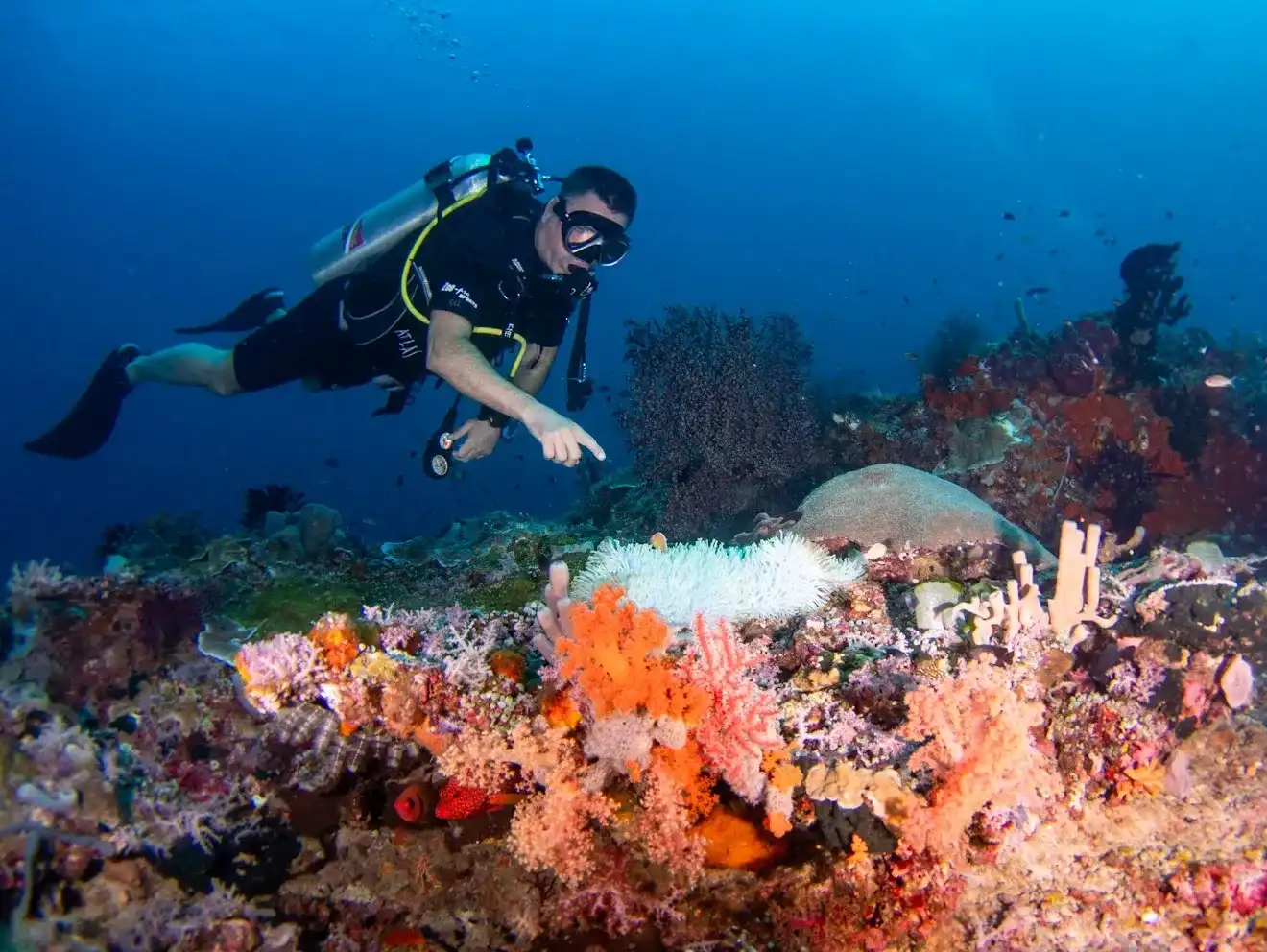
From a soft coral pinnacle to camouflaged pygmy seahorses, Crystal Rock rewards divers who look closer.
Rising from 50 meters to within 8–10 meters of the surface, Crystal Rock’s rock faces are blanketed in soft coral unmatched elsewhere in Komodo, with sea fans reaching over two meters across.
Explore Marine Life Guide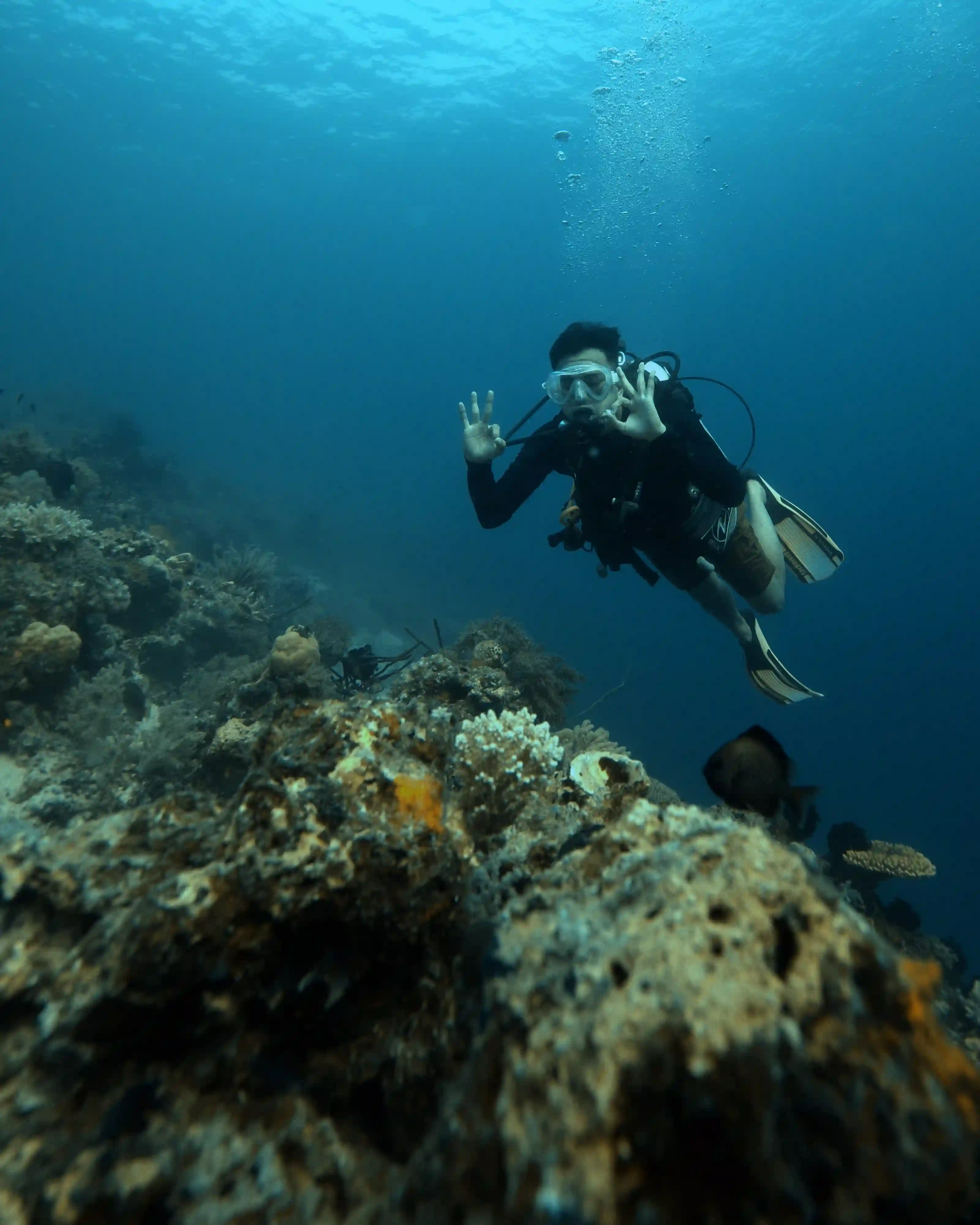
Camouflaged pygmy seahorses just 15–25mm long hide among the coral, while brilliantly colored nudibranchs make this one of Komodo’s premier macro-photography sites.
Book a Photography ExpeditionManta rays occasionally glide past between June and November, while schooling fusiliers, jacks, and groupers keep the reef in constant motion.
For Guaranteed Mantas, Explore Manta AlleyCurrents of just 0.5–1.5 knots make Crystal Rock far more manageable than Batu Bolong or Castle Rock, while visibility regularly exceeds 25–40 meters.
Explore Diving & Snorkeling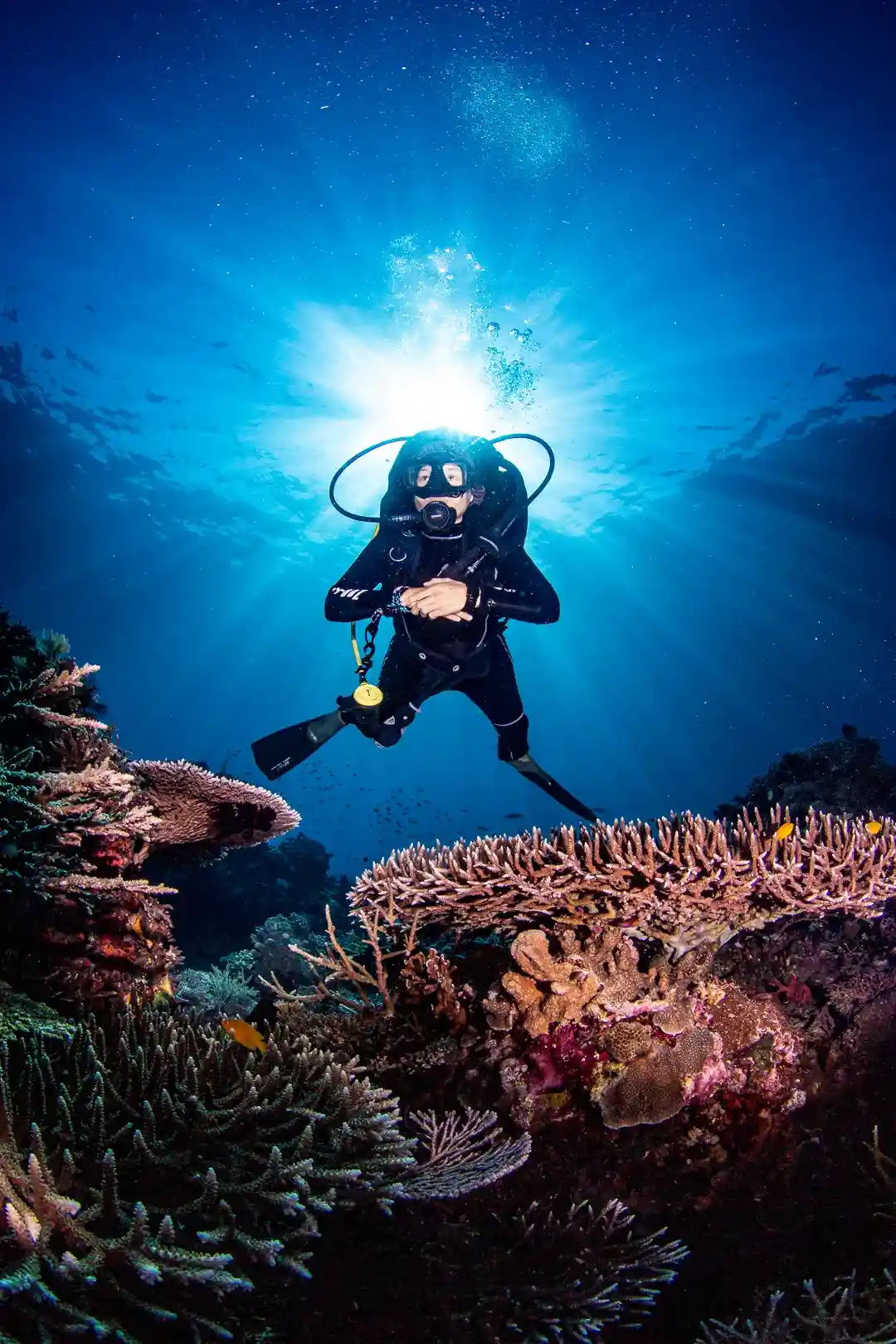
Crystal Rock sits within the Gili Lawa dive circuit, often paired on the same itinerary as Batu Bolong and Castle Rock so divers can contrast Komodo’s dramatic current-swept walls with Crystal Rock’s calmer, biodiverse gardens.
Liveaboard access lets divers return to the same pinnacle across multiple dives, revealing species and ecological relationships a single day-trip dive can’t match.
Advanced Open Water is the typical minimum, and the moderate currents make it accessible to less-experienced advanced divers with solid buoyancy control. Training in macro photography or nitrox helps you get more from the dive.
Sightings aren’t guaranteed, but guides familiar with the reef typically locate one to three individuals per dive. Part of the appeal is the search itself—these camouflaged creatures are genuinely hard to spot.
Crystal Rock favors soft coral beauty, invertebrate biodiversity, and macro photography over the big pelagic action and extreme currents of Batu Bolong and Castle Rock. Many divers cover all three sites on the same liveaboard trip.
Yes—abundant nudibranchs, pygmy seahorses, and crustaceans plus excellent visibility and manageable currents make it one of Komodo’s top macro sites. Bring a macro lens and set your objectives before descending.
Occasionally, mostly between June and November, though sightings are never guaranteed. Diving across a full liveaboard week improves your odds.
Typically 0.5–1.5 knots, occasionally up to 2—considerably gentler than Batu Bolong or Castle Rock. This makes Crystal Rock comfortable for intermediate divers with solid technique.
Visibility regularly exceeds 25–40 meters in the dry season, dropping to 15–25 meters in the wetter months. Even reduced visibility here beats typical conditions at many other dive sites.
Yes, from Flores or Komodo-based operators, but liveaboard access lets you dive it multiple times to appreciate its full biodiversity. Serious photographers and naturalists usually prefer the extended liveaboard time.
Independent planning guides for Komodo National Park liveaboard trips, updated for the 2027 season.
Boats and departures are operated by Komodo Luxury — a registered Indonesian PT under Juara Holding Group Limited with 1,500+ verified guest reviews (4.9/5).