Two scuba divers near a coral reef in Komodo National Park
Diving

Torpedo Alley Dive Site — South Komodo Night Dive

Quick Answer: Torpedo Alley is a rubble-and-sand slope on Komodo National Park’s South loop, dived almost exclusively after dark for frogfish, mantis shrimp, and bobtail squid hunting across a torch beam in 8–20m of water. It’s typically paired with Manta Alley and Cannibal Rock on the same 24-hour South Komodo loop.

Komodo’s Signature Night Dive

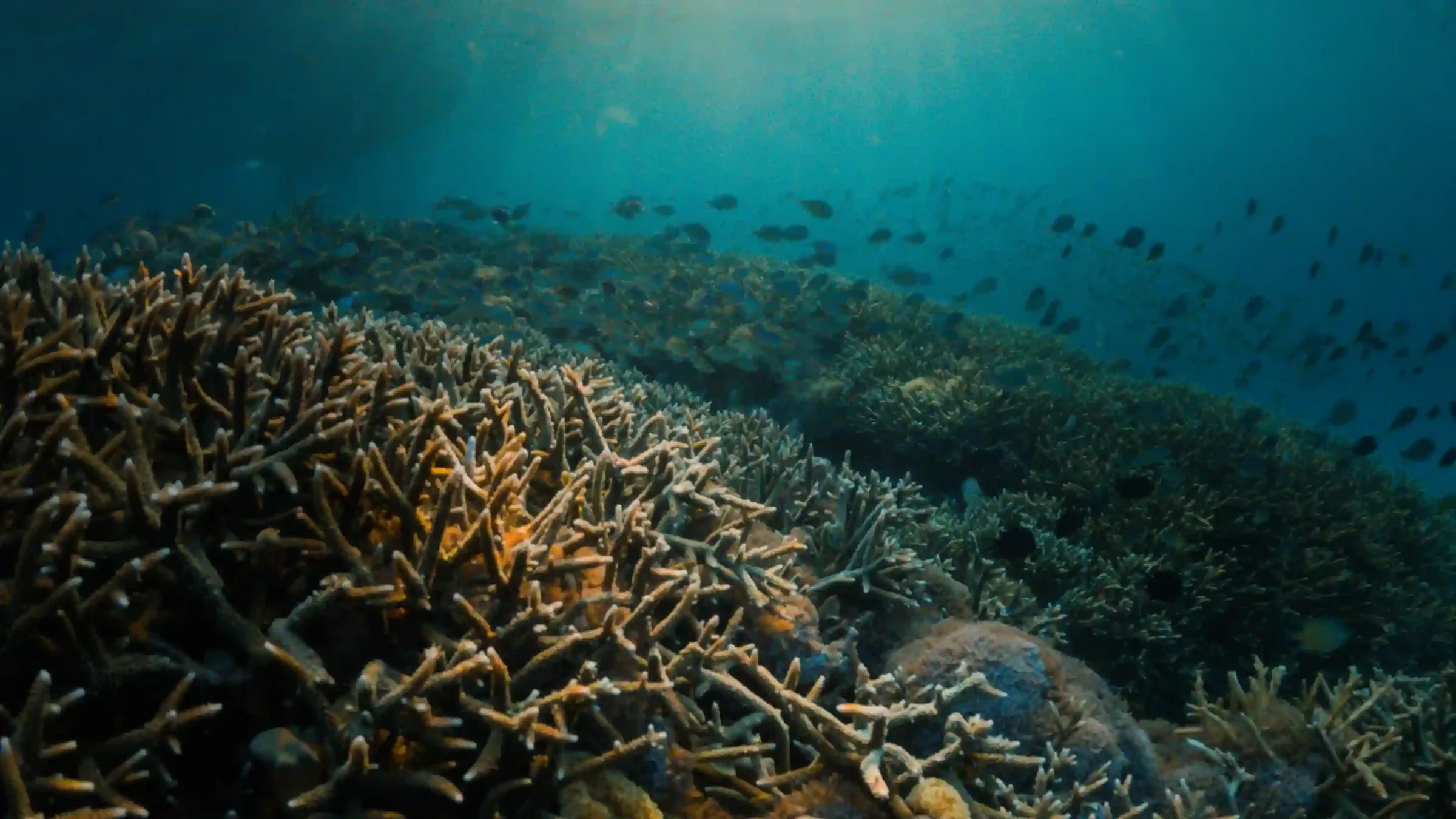
Torpedo Alley sits in the southern reaches of Komodo National Park—a gently sloping channel of black sand and rubble that funnels current the way its namesake funnels water.

It’s a muck-diving corridor rather than a wall or reef, sheltered and shallow enough to dive safely once the sun goes down.

By day the slope looks unremarkable, so guides save it for dusk, when diurnal fish tuck in and nocturnal hunters emerge.

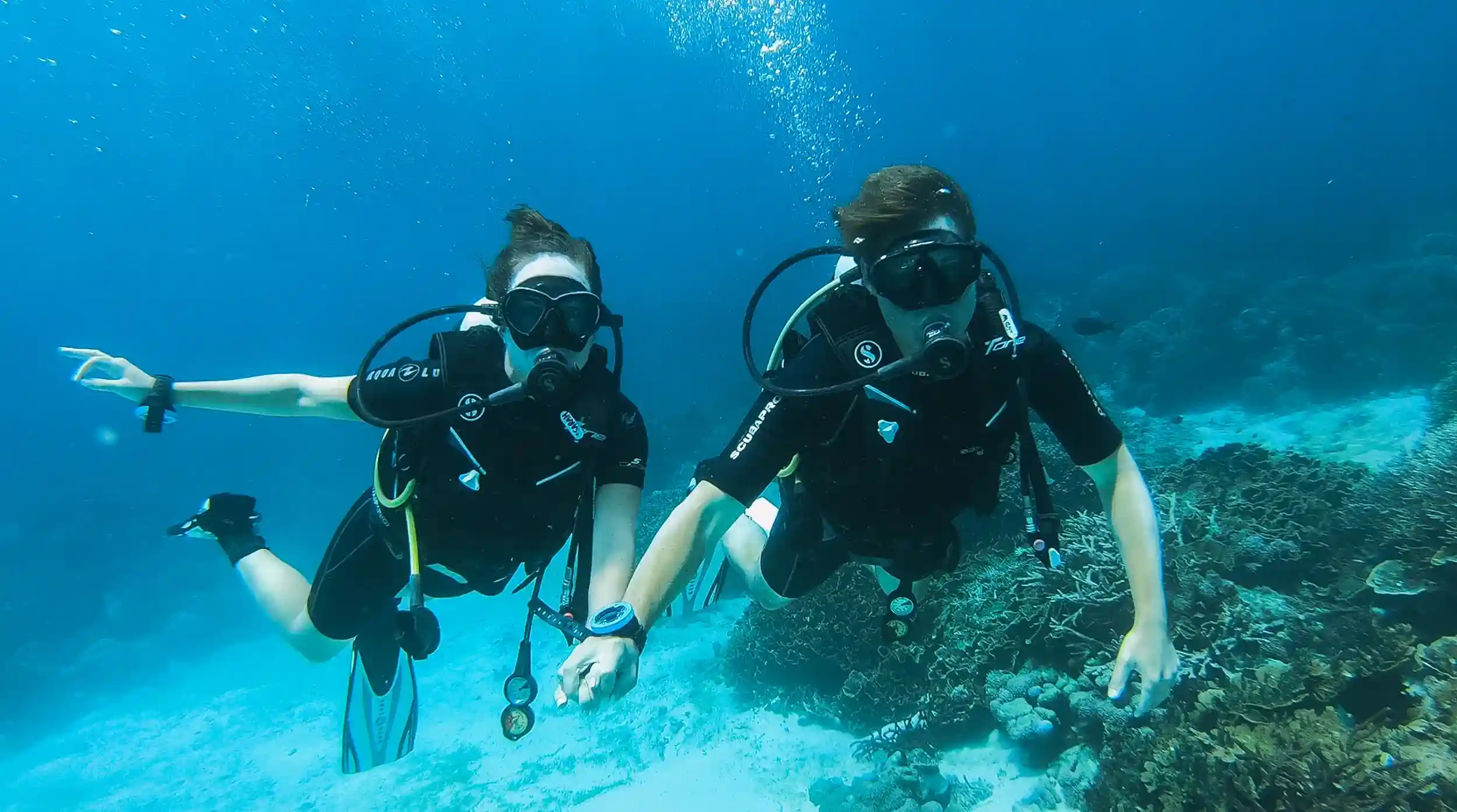
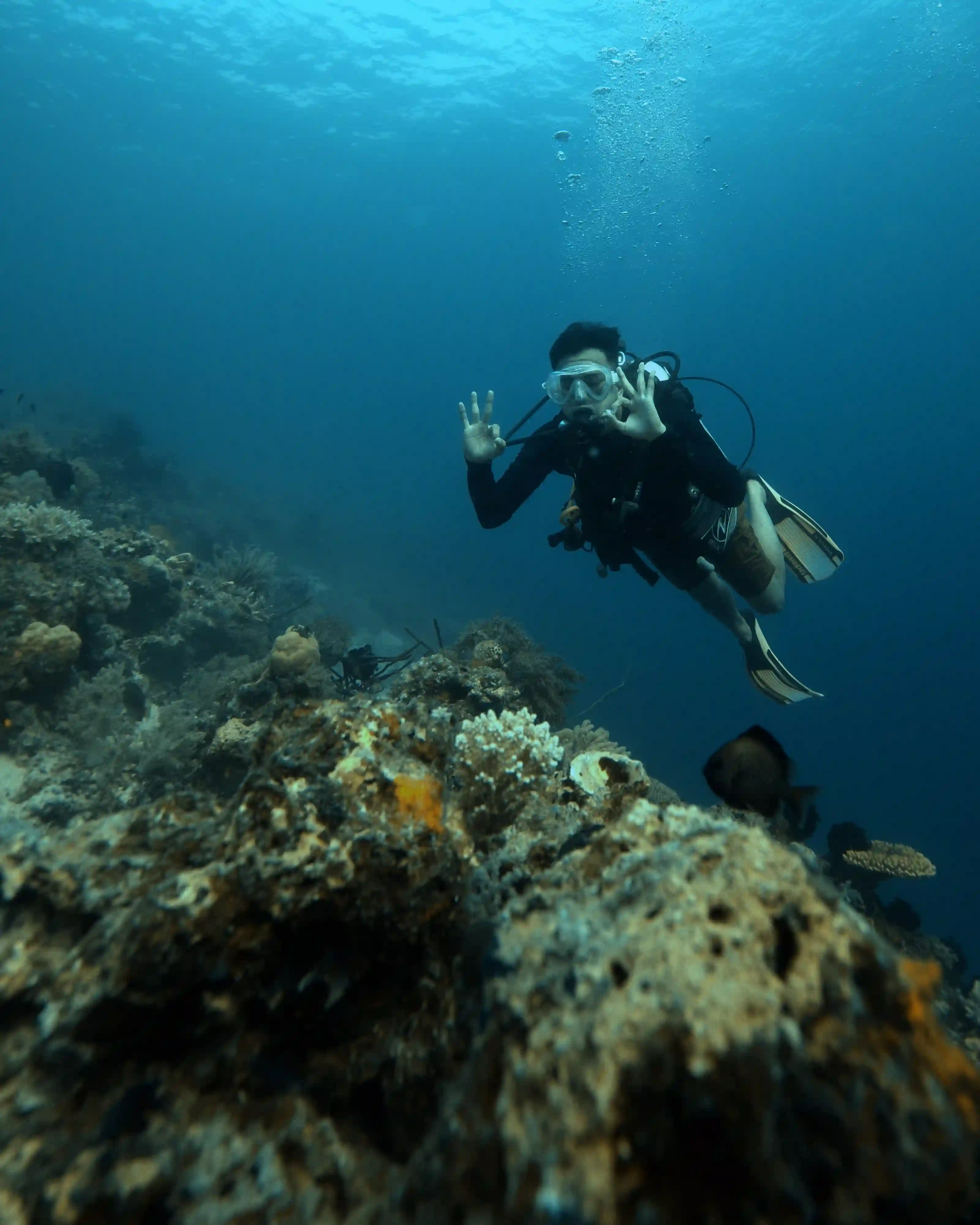
Diver near a coral reef in Komodo National Park
Signature experiences

What Makes Torpedo Alley Komodo’s Signature Night Dive

From motionless frogfish to a strict torch-and-buddy protocol, four elements define every dive here.

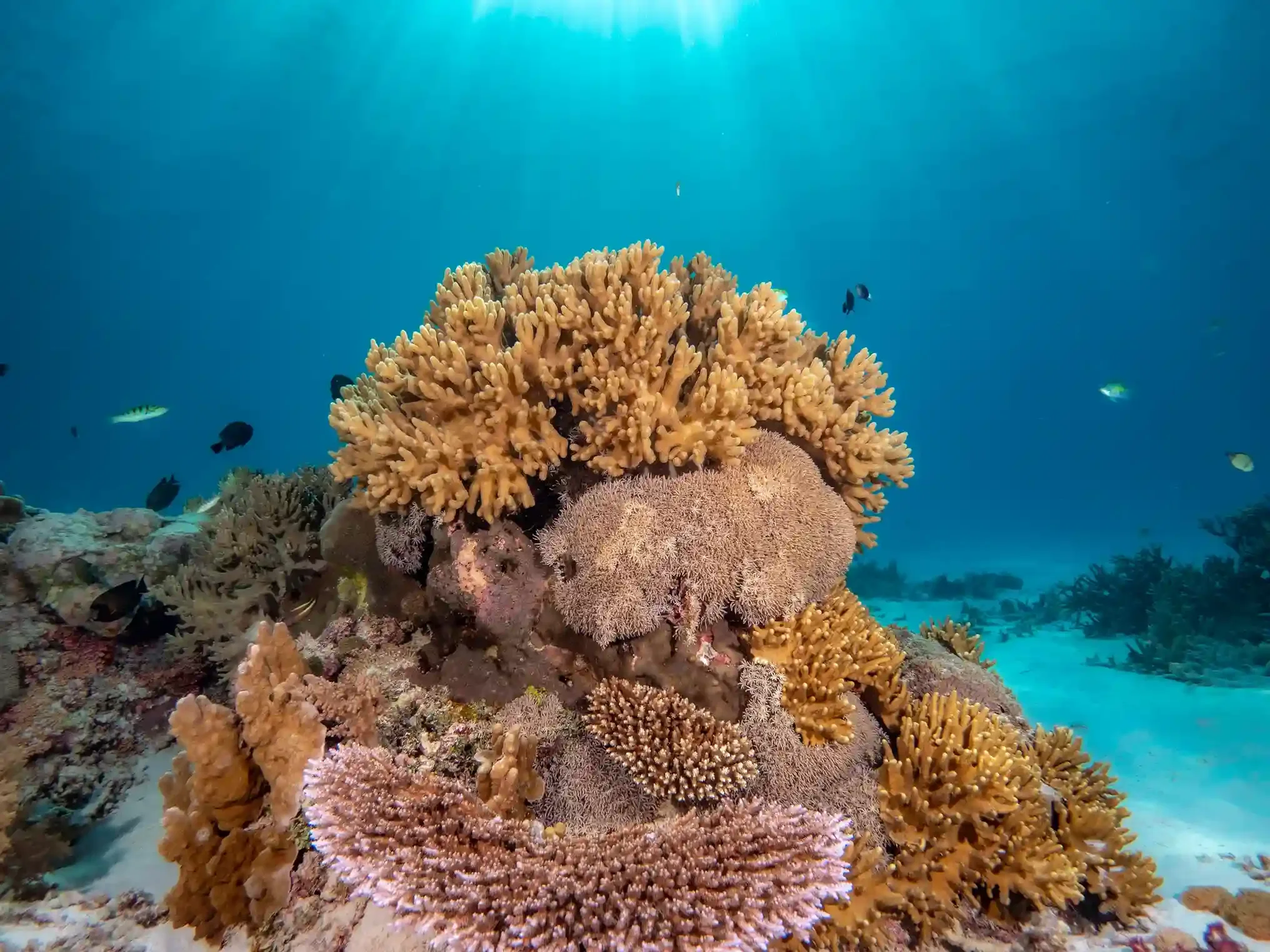
Divers exploring a reef in Komodo National Park

After-Dark Critter Hunt

Expect painted frogfish, mantis shrimp, bobtail squid, decorated crabs, coral banded shrimp, and sand-buried stargazers, with the occasional sleeping turtle wedged into the rubble. Guides move slowly and stop often—this is a dive measured in finds, not meters.

View Marine Life Guide
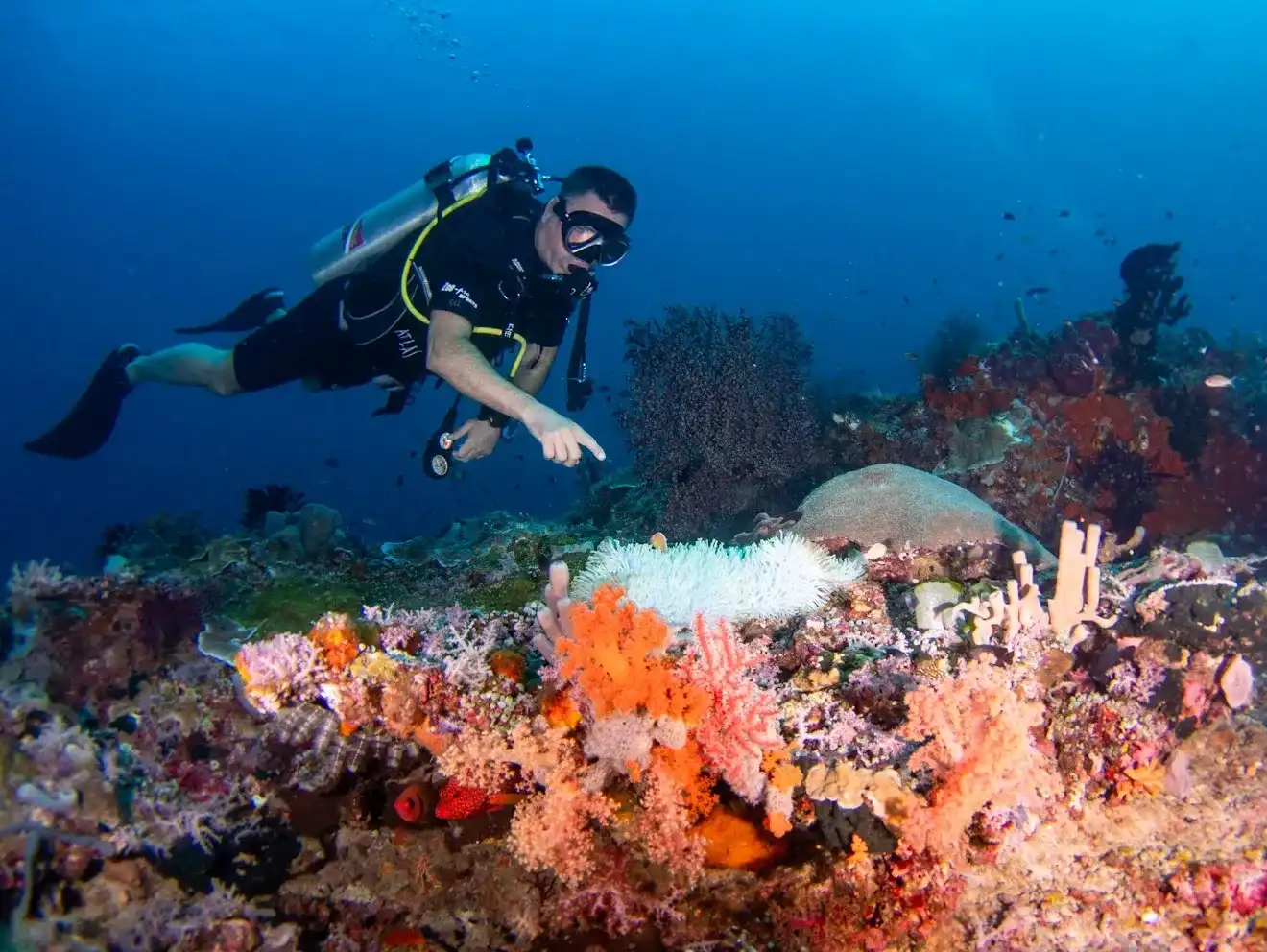
Diver near sand and reef in Komodo National Park

Torch-Led Muck Diving

The slope is a muck-diving corridor of black sand and rubble, not a wall or reef, so guides lead a slow torch-lit drift rather than a current dive. Most operators cap the group around 18–20m even though the sand runs deeper.

Explore More Dive Sites
Divers near rubble and reef terrain in Komodo National Park

Depth, Currents & Conditions

Depth typically runs 5–20m with mild-to-moderate current that eases further after sunset, though visibility sits lower than northern sites at 8–15m in plankton-rich water. Water runs cooler here too, so a 5mm+ wetsuit is recommended.

Explore Liveaboard Options
Diver hovering near the reef in Komodo National Park

Buoyancy, Torches & Small Groups

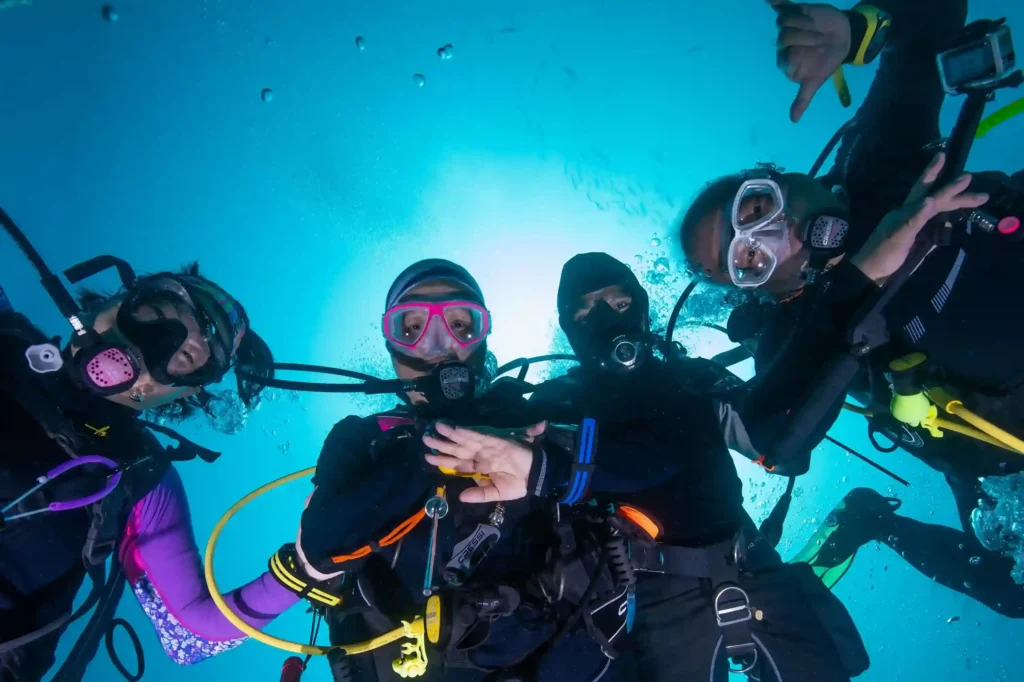
Guides ask for Open Water certification plus prior night-dive experience, or at minimum a thorough dusk briefing, and run a strict buddy-torch protocol with smaller groups than daytime dives. Hovering just off the sand without silting is the real skill—more important here than at current-driven sites like Castle Rock.

Book Your Dive
Divers near a reef wall in Komodo National Park
by Komodo Island Liveaboard

Torpedo Alley’s Place in a South Komodo Day

South Komodo’s three headline sites each do a different job: Manta Alley is the morning cleaning station, Cannibal Rock is the afternoon macro reef, and Torpedo Alley closes the day as the after-dark critter hunt—all three routinely dived within the same 24 hours.

It isn’t reachable as a day trip from Labuan Bajo, so it only appears on liveaboard itineraries of four nights or longer with a dedicated South loop day; shorter trips like a 3D2N departure usually stay in the Central loop and skip it.

Planning Your Torpedo Alley Night Dive

Best Time to Visit

  • October to December brings South Komodo’s upwelling season—cooler, nutrient-rich water that fuels the critter activity Torpedo Alley is known for

Certification & Experience Level

  • Open Water certification plus prior night-dive experience is standard, or a thorough dusk briefing for first-timers; solid buoyancy over sand matters most

Day Trip vs Liveaboard

  • Not reachable as a day trip—only liveaboards already anchored in South Komodo reach it, typically on itineraries of four nights or more

Frequently Asked Questions About Torpedo Alley

Diver near the reef in Komodo National Park

Ready for Komodo’s most memorable night dive?