Sebayur Reef — Mandarin Fish & Night Diving Excellence

Quick Answer: Sebayur Reef stands as Komodo’s quintessential house reef dive site, a magnificently preserved marine protected area accessible via liveaboard expeditions from nearby Labuan Bajo. Legendary for extraordinary nocturnal mandarin fish displays and profound macro photography opportunities, complemented by accessible day diving conditions and exceptional night diving environments, Sebayur Reef represents the ultimate destination for divers seeking nudibranch diversity, macro excellence, and the unique experience of witnessing mandarin fish courtship displays that occur exclusively during dusk hours. The site’s ease of access from Labuan Bajo, combined with world-class diving excellence and comprehensive night diving accessibility, makes it an essential component of every comprehensive Komodo diving itinerary.

Sebayur Reef: The Macro Paradise and Mandarin Fish Capital

Sebayur Reef occupies a distinctive position within Komodo’s diving landscape as the destination most renowned for mandarin fish encounters and macro photography excellence. The reef’s protection status as a marine protected area has permitted recovery and maintenance of ecological conditions that support the extraordinary biodiversity and behavioral patterns that characterize the site. Located in close proximity to Labuan Bajo, Sebayur Reef’s accessibility permits integration into diverse diving vacation formats, from day-trip operations to comprehensive liveaboard expeditions that emphasize night diving and specialized macro work. The combination of accessibility and exceptional diving quality makes Sebayur Reef an indispensable component of Komodo diving experiences for visitors at all experience levels and with diverse diving interests.

The geological and hydrographic characteristics of Sebayur Reef create optimal conditions for the small-creature marine life that makes the site exceptional. The reef structure includes dense coral communities, rocky outcroppings, and sand patches that create diverse microhabitats supporting specialized small-creature fauna. Mild currents deliver nutrient-rich water that supports abundant plankton life, attracting planktivorous fish and filter-feeding invertebrates. The surrounding topography, including deeper water channels adjacent to shallow reef zones, permits movement of species between different depth zones as they follow tidal patterns and daily behavioral rhythms.

The Legendary Mandarin Fish Display and Dusk Courtship Behaviors

Mandarin fish represent among the ocean’s most visually striking creatures, displaying coloration so brilliant and elaborate that their existence seems almost implausible. The vibrant blues, oranges, yellows, and greens that characterize mandarin fish coloration serve multiple biological functions including species and sex recognition, individual quality advertisement, and territorial behavior communication. The concentration of mandarin fish at Sebayur Reef during dusk hours creates a unique natural phenomenon unparalleled at most other tropical diving destinations globally. The synchronization of mandarin emergence with divers’ ability to observe the behavior creates one of marine tourism’s most celebrated spectacles.

Mandarin fish courtship displays occur during a brief window immediately preceding darkness, when males position themselves prominently above reef structures and females approach for mating encounters. The elaborate dances that characterize mandarin courtship involve synchronized swimming, color intensity displays, and behavioral signals whose meanings remain incompletely understood by science. Divers fortunate enough to witness these displays observe behaviors that have evolved over millions of years to facilitate reproduction in a highly competitive reef environment. The emotional power of mandarin displays, combined with their photographic excellence, creates memorable moments that define diving experiences for many visitors.

Photography of mandarin fish courtship presents significant technical challenges compensated by exceptional image quality when successful. The dim lighting of dusk hours requires specialized camera settings balancing flash output with ambient light. The rapid movements and irregular positioning of mating fish demand precise timing and camera positioning. The extraordinary coloration of mandarin fish reveals itself most completely under specialized lighting conditions, often requiring supplementary illumination to capture the full color palette. Professional macro photographers frequently dedicate specific dives entirely to mandarin photography, positioning themselves strategically to anticipate fish movements and compositional opportunities.

The specific location of mandarin fish emergence on Sebayur Reef has become remarkably predictable through decades of diving history and observation. Experienced guides navigate directly to traditional mandarin emergence sites, positioning divers within viewing distance before the fish appear. This ability to reliably predict and access mandarin fish behavior distinguishes Sebayur Reef from most other locations globally and justifies the substantial travel investment required to reach the site. The combination of reliability and accessibility makes mandarin fish encounters at Sebayur Reef accessible to divers lacking specialized macro experience or technical camera skills.

House Reef Excellence and Accessible Daytime Diving

Sebayur Reef functions as an exemplary house reef, a marine environment accessible directly from shore or brief anchorage and suitable for casual diving as well as intensive exploration. The accessibility of a quality house reef distinguishes luxury resorts and liveaboards, as guests enjoy unlimited access to diving without requiring special boat operations or lengthy transit times. Multiple daily dives at Sebayur can be scheduled with flexibility impossible at distant dive sites requiring extended travel. The house reef accessibility particularly benefits photography-focused guests, who frequently dedicate multiple dives to specific subjects or photographic techniques requiring numerous attempts before achieving desired results.

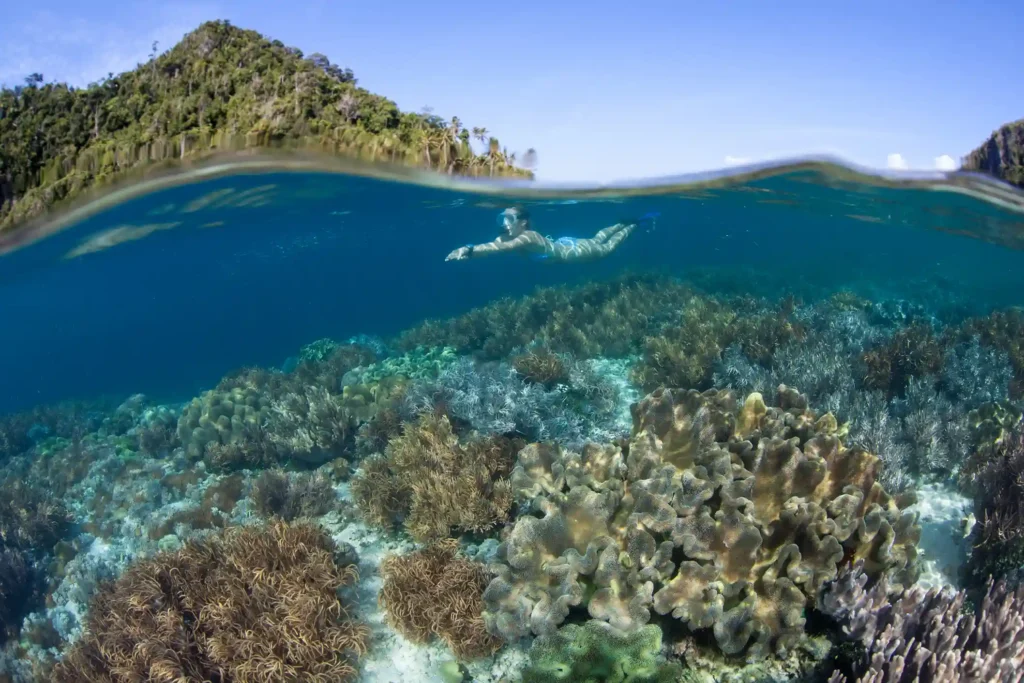
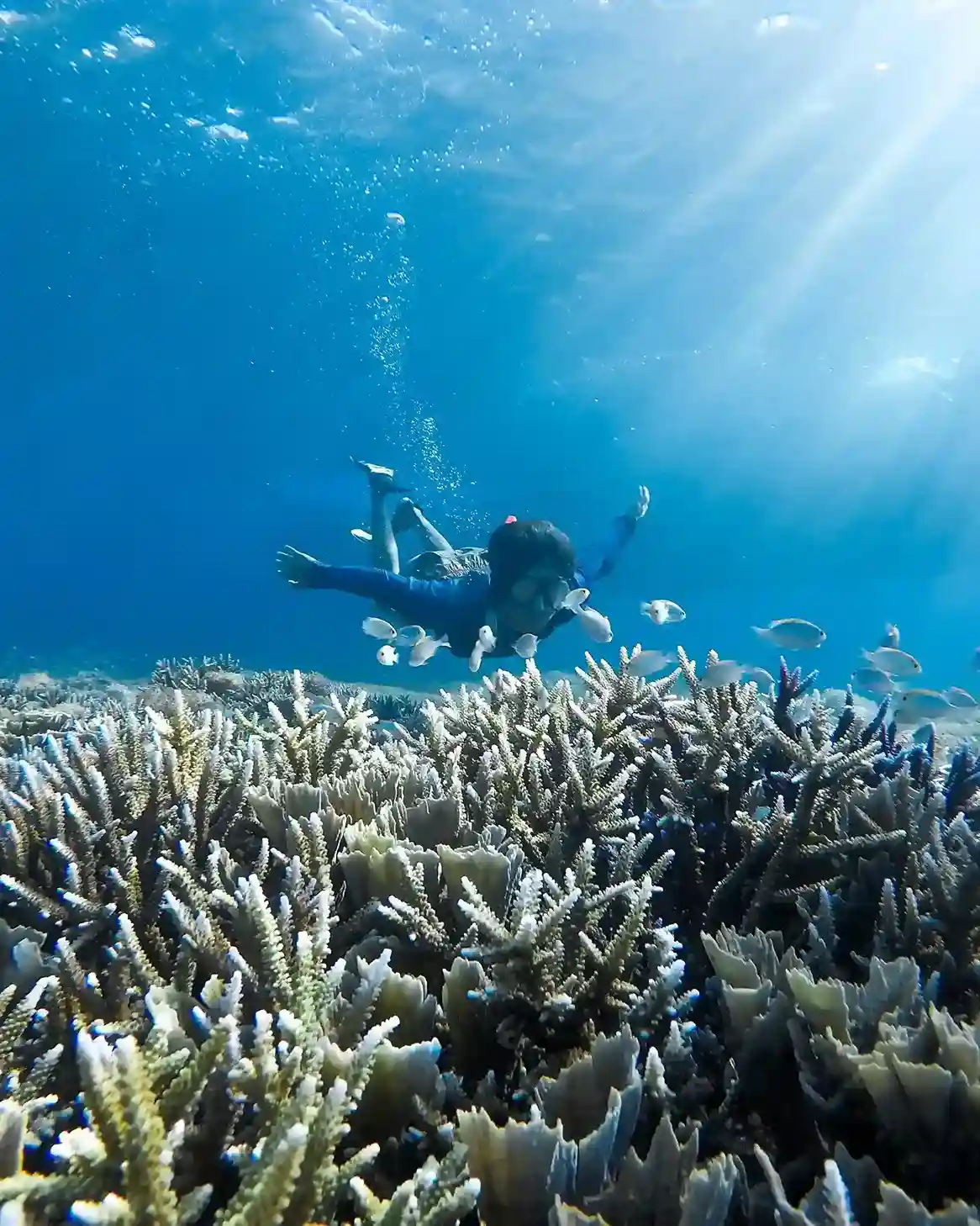
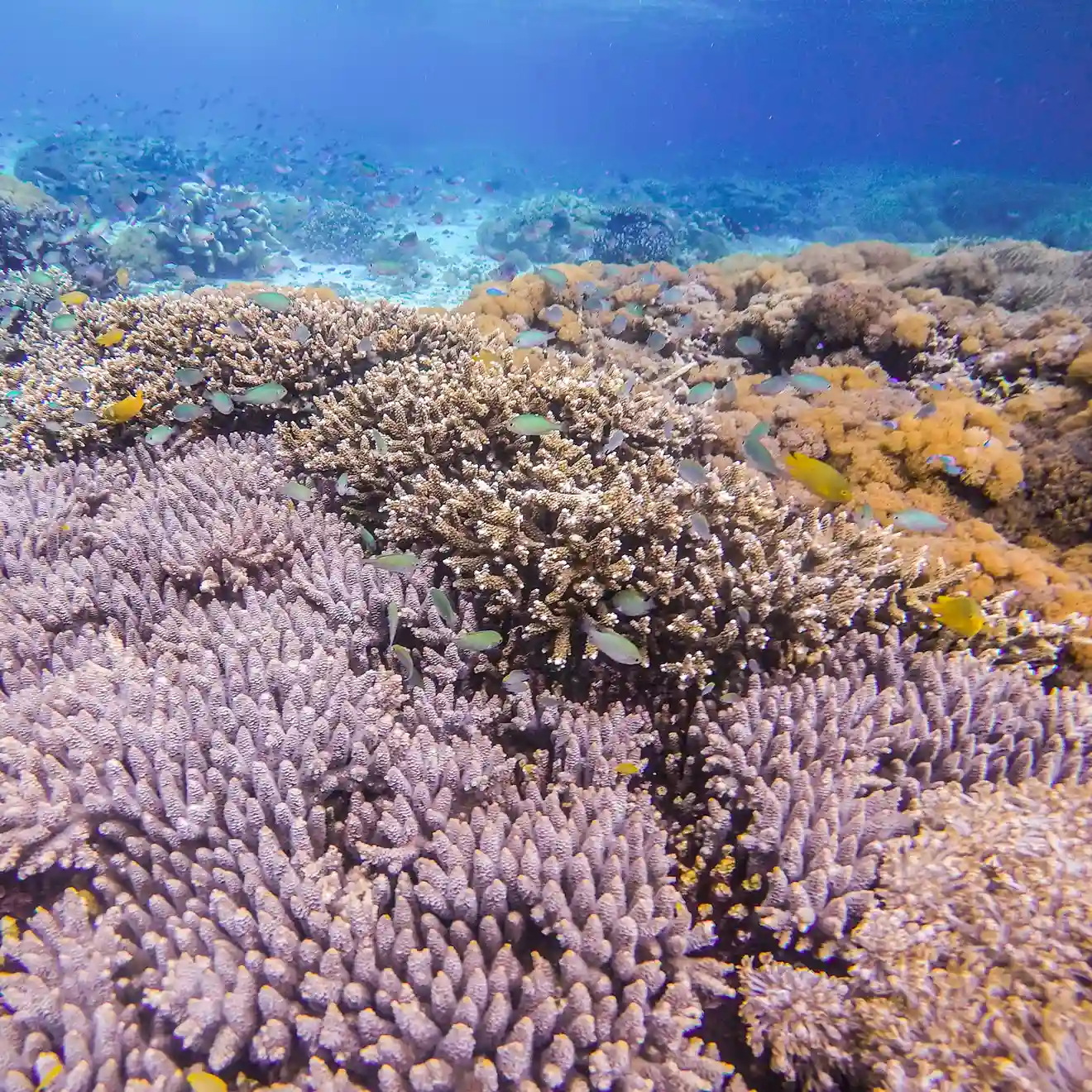
The day diving experience at Sebayur Reef encompasses the complete spectrum of tropical reef diving excellence within a relatively compact area. Coral formations range from massive head corals to delicate branching corals creating sheltered microhabitats. The diversity of reef fish species rivals any tropical destination globally. The accessibility of varied depth ranges from very shallow snorkeling areas to deeper exploration zones permits dives optimized for specific interests and experience levels. The ecological health of the reef reflects effective protection and management policies that balance conservation with sustainable tourism.

The relatively shallow depth characteristics of much of Sebayur Reef permit extended bottom time and reduced decompression obligations that enhance diving enjoyment and permit deeper exploration of reef sections than would be possible at deeper sites. The excellent visibility characteristic of protected reef areas permits comfortable observation and photography of reef features at distances that would be compromised in locations with reduced visibility. The cumulative advantages of Sebayur’s characteristics as a house reef create diving conditions that reward repeat visits and intensive exploration, as each dive reveals details and subjects missed during previous visits.

Nudibranch Diversity and Macro Photography Excellence

Nudibranch populations at Sebayur Reef rival or exceed those found at even specialized macro sites, reflecting the ecological health and biodiversity of protected reef systems. The remarkable species diversity of nudibranchs at Sebayur includes numerous endemic species found nowhere else in the world, alongside widespread tropical species distributed throughout Southeast Asian reefs. The concentration of nudibranch species within relatively small areas permits intensive study and photographic documentation of species diversity that would require extensive travel if attempted at multiple geographic locations. Many marine photographers consider Sebayur Reef nudibranch encounters among the highlight experiences of their careers.

The coloration and morphology of nudibranchs at Sebayur Reef showcase extraordinary evolutionary adaptations refined through millions of years of natural selection. Many species display warning coloration that advertises toxicity to potential predators, while others employ camouflage and cryptic behavior. The ecological roles that nudibranchs play within reef systems remain incompletely understood, though evidence suggests influence upon coral health through control of coral predator populations and consumption of algae that compete with corals for space. The behavioral observations and photographic documentation obtained by divers studying nudibranchs contribute to scientific understanding of these fascinating creatures.

The identification of nudibranch species benefits greatly from experienced guide assistance and reference materials. The extraordinary species diversity at Sebayur creates challenges even for experienced malacologists attempting taxonomic identification. Many guides develop photographic databases of commonly encountered species, permitting post-dive consultation to confirm identifications and compare observations with previously documented individuals. This educational approach transforms nudibranch observation from simple species-hunting into genuine biological study, enriching the intellectual content of diving experiences.

Night Diving and Nocturnal Ecosystem Exploration

Night diving at Sebayur Reef represents a diving experience distinct and separate from daytime exploration, accessing nocturnal species and behaviors inaccessible during daylight hours. The mandatory inclusion of night diving in comprehensive Sebayur Reef itineraries reflects the site’s exceptional nocturnal conditions and species concentrations. Nocturnal shrimps congregate in densities that dwarf daytime populations, creating photographic subjects unavailable during daylight. Octopi emerge from daytime hiding places to actively hunt small crustaceans and fish. Nocturnal fish species including cardinalfish congregate in specific reef locations accessible to properly equipped night divers.

The mandarin fish display represents the most celebrated nocturnal behavior at Sebayur, occurring during the brief dusk window before complete darkness. The dramatic lighting conditions created by artificial illumination against dark backgrounds, combined with the extraordinary coloration of mandarin fish, creates photographic aesthetics unavailable during daylight diving. The transitional period between daylight and darkness reveals behaviors and species present during neither purely diurnal nor purely nocturnal periods, creating a temporal window of unique ecological activity.

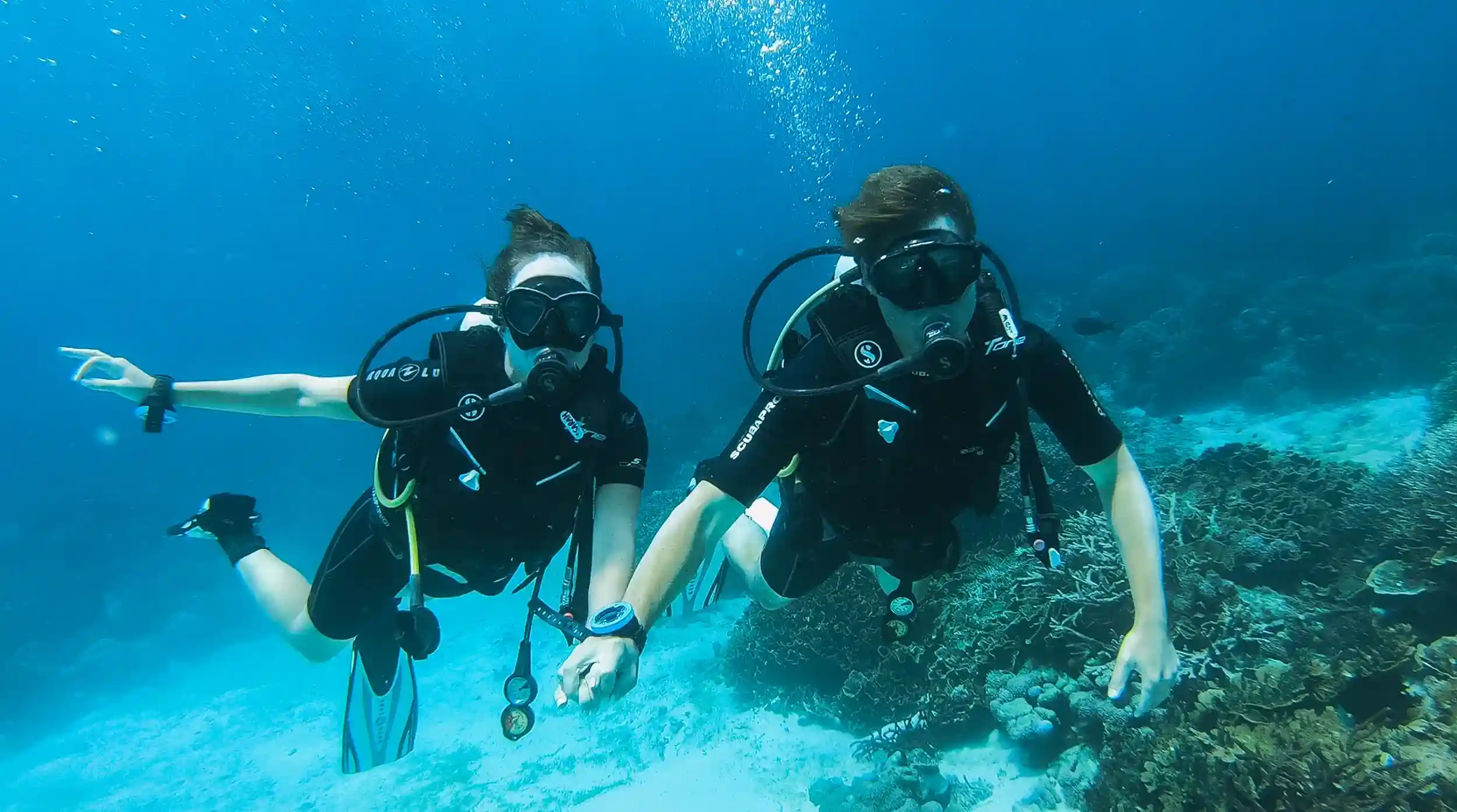
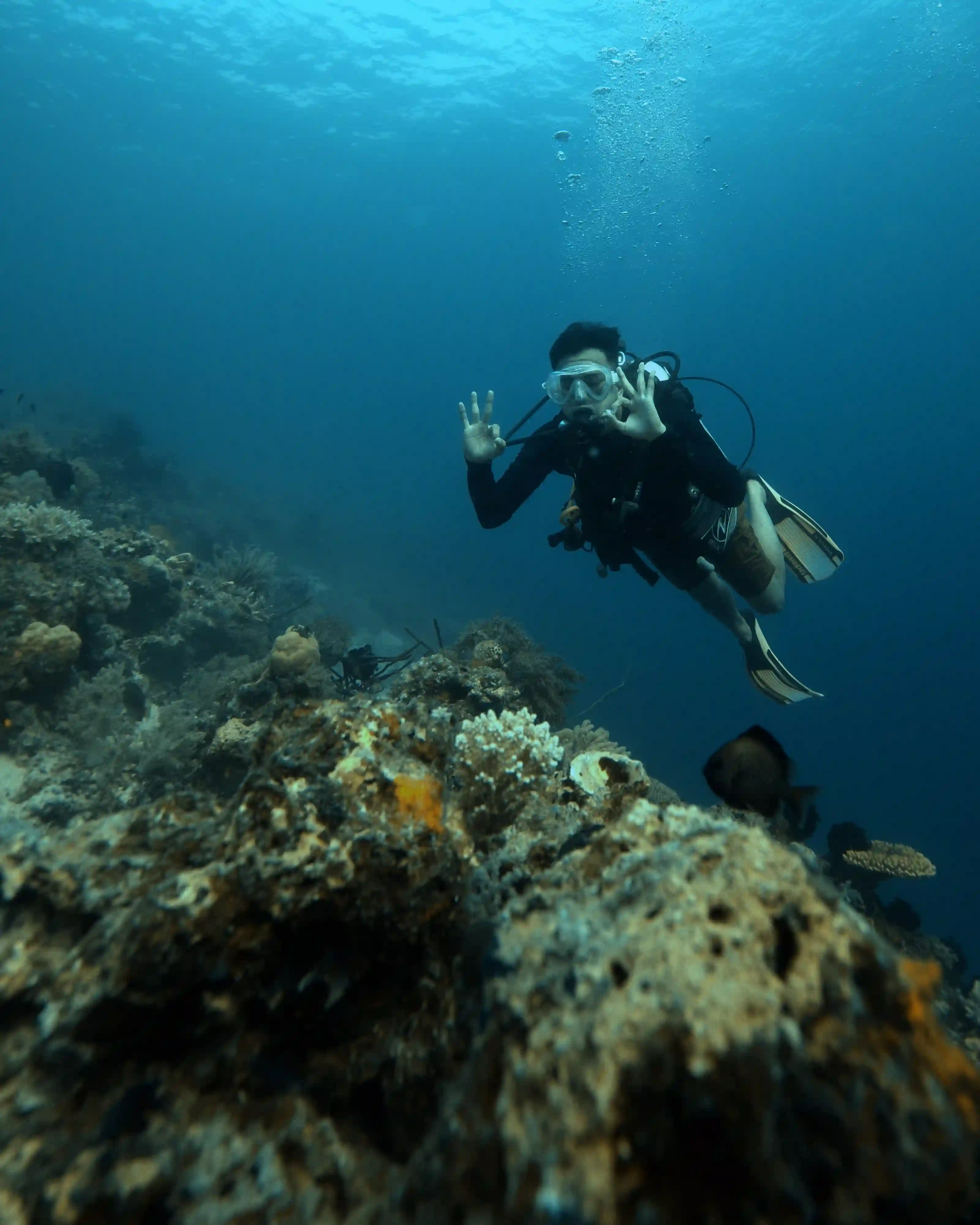
Night diving safety at Sebayur Reef remains excellent due to the relatively shallow depths and moderate currents characteristic of the site. The house reef accessibility permits efficient emergency procedures should problems arise. The concentration of guides and support staff experienced in night diving operations provides professional oversight and systematic safety monitoring. Divers participating in night diving receive pre-dive briefings emphasizing proper procedures, buddy system importance, and emergency protocols. The combination of favorable diving conditions and professional oversight permits enjoyable and safe night diving even for divers lacking previous night diving experience.

The psychological experience of night diving differs substantially from daytime exploration, removing the visual crutches provided by natural light and demanding greater reliance upon other sensory modalities. The focused beam of dive lights reveals subjects within illuminated areas while surrounding reef remains invisible beyond the light’s reach, creating intimate exploration experiences. The sounds of nocturnal reef organisms, audible underwater through internal ear mechanisms, provide sensory input unavailable during daylight diving. The cumulative sensory alterations create profoundly different psychological experiences that many divers consider the ultimate expression of underwater exploration.

Easy Access from Labuan Bajo and Operational Advantages

Sebayur Reef’s proximity to Labuan Bajo creates significant operational advantages for dive operations planning to include the site within itineraries. The brief transit time from Labuan Bajo permits flexible scheduling, reliable access despite moderate weather variations, and integration with other nearby sites within single diving expeditions. The proximity to Labuan Bajo means that Sebayur Reef features prominently in day-trip diving operations, vacation plans emphasizing accessibility, and liveaboard itineraries incorporating diving in central and northern Komodo regions. The reliability of access makes Sebayur Reef an essential insurance component of diving vacation planning, ensuring that substantial diving time occurs even if weather prevents access to more remote and weather-exposed sites.

The integration of Sebayur Reef with Sebayur Island as a terrestrial destination creates opportunities for comprehensive vacation experiences combining terrestrial wildlife viewing with marine diving. The island supports unique ecosystem components including endemic bird species, terrestrial reptiles, and Komodo dragon populations that provide context for understanding the broader Komodo ecosystem. Day-tripping to the island or incorporating terrestrial activities into liveaboard itineraries creates multi-dimensional vacation experiences that address diverse interests within travel groups.

The house reef accessibility from Sebayur Island permits spontaneous diving at the guests’ discretion and timing, without requiring coordination of boat operations or scheduling constraints imposed by group dive planning. Guests desiring additional diving time can request spontaneous dives arranged as accommodation schedules and weather conditions permit. This flexibility represents a luxury feature highly valued by dedicated diving enthusiasts accustomed to controlling their diving activities. The combination of accessibility and flexibility makes Sebayur Reef an ideal destination for divers viewing diving as the primary vacation activity rather than as an activity secondary to broader travel experiences.

Marine Protected Area Status and Conservation Excellence

Sebayur Reef’s designation as a marine protected area reflects recognition of the site’s ecological significance and its value as a conservation resource. The protection status enforces regulations limiting diver numbers, preventing destructive activities, and preserving ecosystem conditions that support the extraordinary biodiversity and population densities characteristic of the site. The visible health of coral communities and diverse fish and invertebrate populations at Sebayur demonstrates that marine protection, combined with sustainable tourism management, permits recovery and maintenance of reef systems at the highest functional levels.

The commitment to environmental stewardship at Sebayur Reef distinguishes luxury dive operations from less conscientious alternatives. Operators adhering to strict protocols minimizing diver impact upon fragile organisms and reef structures recognize that long-term business viability depends upon maintaining pristine conditions. Guidelines limiting time spent pursuing specific cryptic creatures, prohibiting touching or disturbance of organisms, and requiring strict buoyancy control reflect understanding that sustainable diving depends upon restraint and environmental responsibility. The visible success of these practices at Sebayur, reflected in exceptional reef health and species diversity, validates the conservation philosophy that motivates them.

Integration with Broader Komodo Diving Strategies

Sebayur Reef features prominently in comprehensive liveaboard itineraries encompassing multiple Komodo diving sites. The house reef accessibility and exceptional night diving make Sebayur an ideal final destination on multi-site expeditions, permitting unstructured diving and night diving experiences as concluding activities. The comparative proximity to Labuan Bajo makes Sebayur an efficient site to access before transiting back to port, permitting final dives on the evening preceding boat return. The flexibility and accessibility of Sebayur complement the more challenging and remote sites like Cannibal Rock, creating balanced itineraries that accommodate varied diving interests and experience levels.

The relationship between Sebayur Reef and nearby Siaba Besar creates complementary diving experiences within geographic proximity. Both sites feature turtle encounters, but Siaba emphasizes gentle daytime reef diving while Sebayur emphasizes macro photography and night diving. The combination of both sites within single itineraries provides comparative experiences that enrich understanding of how environmental conditions and site characteristics influence diving experiences. Planning comprehensive Komodo vacations incorporating multiple exceptional dive sites creates the most satisfying diving experiences, as site variety maintains novelty and excitement throughout extended diving vacations.

Diving Accommodations and Booking Considerations

The accessibility of Sebayur Reef permits integration into diverse vacation formats ranging from luxury resort-based diving to comprehensive liveaboard expeditions. Resort-based guests enjoy the advantage of comfortable accommodations with professional resort amenities while maintaining access to world-class diving. Liveaboard guests benefit from intensive diving schedules permitting multiple daily dives, flexible timing optimized for specific conditions, and social experiences with fellow diving enthusiasts. Booking your Sebayur Reef diving experience requires consideration of accommodation preferences, diving intensity desired, and budget constraints related to vacation timing and accommodation choices.

Peak diving seasons at Sebayur extend throughout the year, though specific conditions vary seasonally. The dry season from November through March offers optimal visibility and stable weather, while green season months bring occasional strong currents and reduced visibility but also unique species congregations. Advance planning with liveaboard operators permits customization of itineraries emphasizing specific dive sites like Sebayur and accommodation of individual diving interests. The flexibility of operators in arranging customized itineraries reflects the competitive diving vacation market and permits guests to structure vacations optimizing personal diving preferences and travel constraints.

Frequently Asked Questions About Sebayur Reef

What time do mandarin fish appear at Sebayur Reef and how long does the display last?

Mandarin fish emergence at Sebayur Reef typically occurs during the dusk period spanning approximately thirty to forty-five minutes before complete darkness. The exact timing varies seasonally based upon sunset timing, with mandarin emergence occurring earlier during seasons with earlier sunsets. The specific timing within the dusk window varies based upon lunar phases, tidal conditions, and presumably local ecological factors incompletely understood by researchers. Experienced guides possess detailed knowledge of seasonal timing variations and position divers appropriately to maximize viewing and photography opportunities.

Do I need specialized macro photography equipment to photograph mandarin fish successfully?

Professional-grade macro lenses produce optimal results, but quality mandarin fish photographs are obtainable with basic compact cameras, smartphones in underwater housings, and entry-level DSLR equipment. The extraordinary coloration and size of mandarin fish (typically five to ten centimeters) reduce technical challenges compared to photographing diminutive nudibranch subjects. Supplementary underwater lighting enhances color rendition but is not strictly essential. Many casual photographers obtain frame-filling images of mandarin fish using basic equipment and simple positioning. Professional-level results requiring extensive post-processing represent the advanced extension of a skill accessible to dedicated beginners.

How many mandarin fish encounters can I expect during a Sebayur Reef visit?

Mandarin fish encounters occur with high reliability on dusk dives specifically designed for mandarin observation, with most properly positioned divers observing at least several mandarin fish per dusk dive. Multiple dives during successive evenings increase encounter numbers substantially. The number of distinct individuals and frequency of courtship displays varies seasonally and based upon conditions influenced by lunar cycles and potentially other environmental factors incompletely understood. While mandarin sightings cannot be guaranteed with absolute certainty, the probability of observing multiple mandarin fish during a Sebayur visit exceeds ninety percent for most visitors.

Is Sebayur Reef suitable for novice divers or night diving beginners?

Sebayur Reef’s gentle diving conditions and accessible house reef characteristics make it ideal for novice divers and those with limited night diving experience. The relatively shallow depths and mild currents create forgiving conditions where divers focus upon observing subjects rather than managing challenging environmental factors. Professional guides provide comprehensive briefings on night diving procedures and systematic safety oversight. First-time night divers benefit from the controlled conditions and professional support available at Sebayur. The confidence-building experience of successful night diving at Sebayur encourages continued participation in night diving activities at other locations.

Can I encounter other subjects besides mandarin fish and nudibranchs at Sebayur Reef?

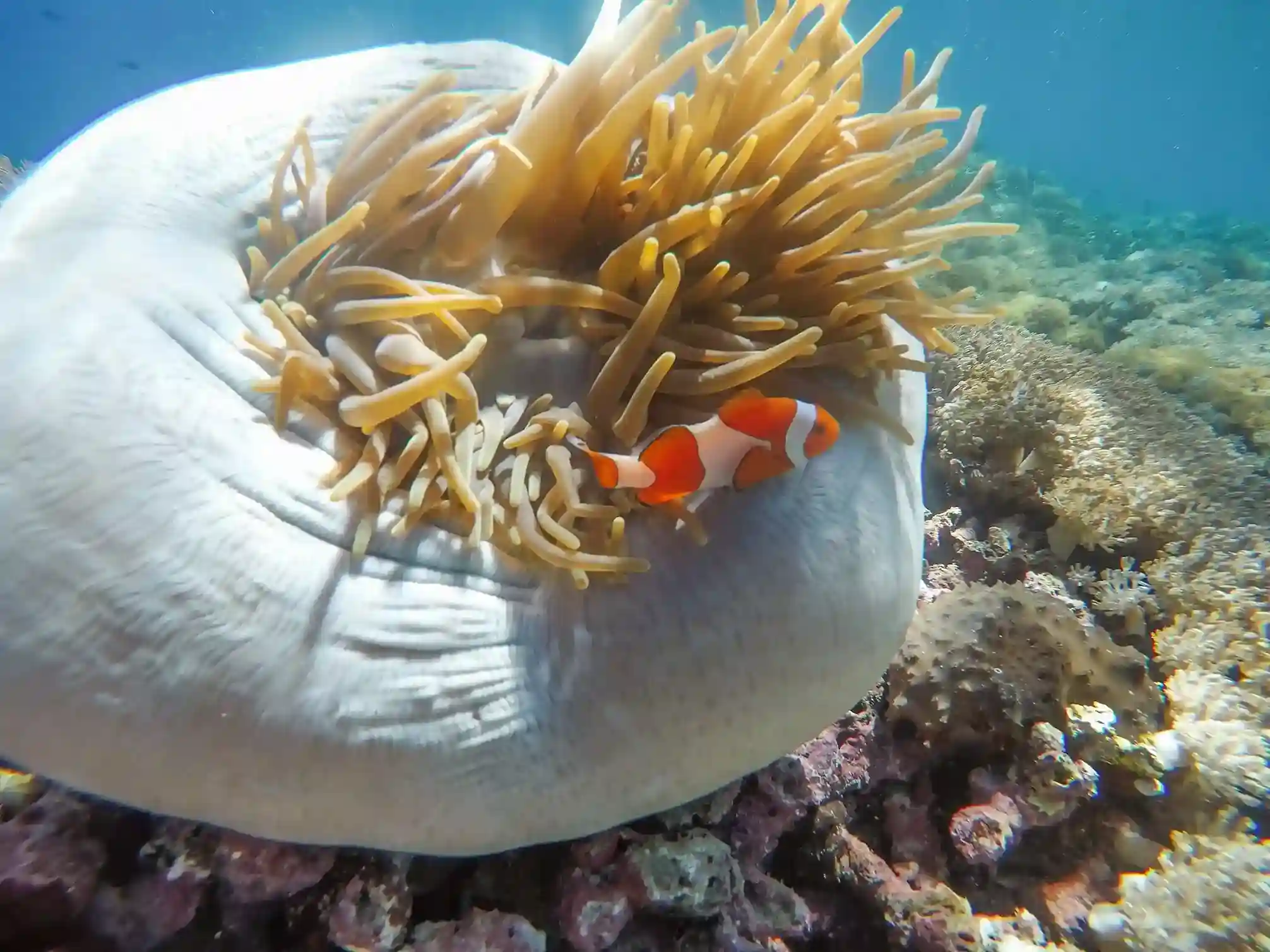
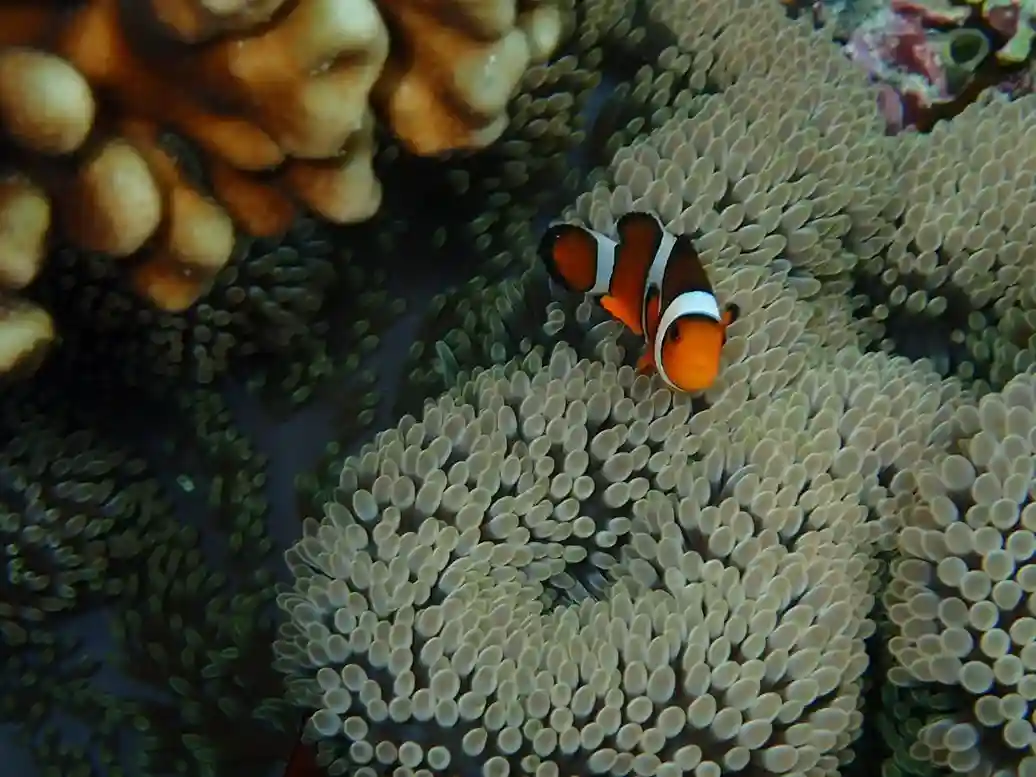
Absolutely. Sebayur Reef supports extraordinary diversity beyond mandarin fish and nudibranchs including numerous small fish species, crustaceans, echinoderms, and other invertebrates. Octopi, squid, lionfish, pipefish, seahorses, and countless other subjects provide diverse photographic and observational opportunities. The coral garden formations support abundant reef fish species identifiable and observable during day dives. The daytime diving experience at Sebayur encompasses comprehensive reef biodiversity alongside the specialized macro and nocturnal subjects that make the site renowned. This diversity permits repeated visits and sustained interest as different dives emphasize different subjects and diving styles.

What is the visibility like at Sebayur Reef throughout the year?

Visibility at Sebayur Reef typically ranges from excellent to good throughout the year, with dry season months usually offering visibility exceeding fifteen meters. Wet season months bring occasional reductions in visibility to eight to twelve meters due to increased freshwater runoff and occasional plankton blooms. The excellent visibility characteristic of protected reef areas creates optimal conditions for wide-angle reef photography and comfortable observation of reef features. Even during wet season periods of reduced visibility, conditions remain adequate for productive diving and photography work.

Can I combine Sebayur Reef with day-trip diving or must I use a liveaboard?

Sebayur Reef is accessible via day-trip diving operations from Labuan Bajo, with brief boat transit times permitting efficient access and flexible scheduling. Day-trippers enjoy the advantage of comfortable resort accommodations while accessing world-class diving. Liveaboard guests benefit from intensive diving schedules, multiple dives daily, and flexibility in timing dives to optimize conditions. Most comprehensive Komodo vacations incorporate both day-trip dives at accessible sites like Sebayur and liveaboard expeditions to remote destinations. The flexibility of access makes Sebayur Reef an excellent compromise site accommodating diverse accommodation and operational preferences.

Ready to Explore Komodo?

Start planning your luxury liveaboard adventure through Komodo National Park. Our team is ready to craft your perfect voyage.

WhatsApp Bali Medical Concierge