Siaba Besar — Turtle Diving & Coral Gardens

Quick Answer: Siaba Besar stands as Komodo’s premier turtle diving destination, a serene and relatively gentle dive site where sea turtles gather with remarkable frequency and apparent comfort around human observers. Characterized by mild currents ideal for divers of intermediate experience levels and novice photographers, extensive coral gardens supporting extraordinary marine diversity, and exceptional night diving conditions, Siaba Besar represents the ideal balance between thrilling wildlife encounters and accessible diving experiences. The site’s accessibility via liveaboard expeditions from Labuan Bajo makes it an essential component of comprehensive Komodo diving itineraries, offering photographic excellence and behavioral observations that enrich understanding of these remarkable ocean reptiles.

Siaba Besar: Komodo’s Premier Turtle Diving Destination

Siaba Besar occupies a distinctive position within the Komodo diving landscape as the location most consistently rewarding for divers seeking substantive sea turtle encounters in relaxed, accessible diving conditions. The site’s reputation for turtle encounters extends throughout the diving community, attracting travelers from around the globe who understand that meaningful interaction with these ancient marine reptiles represents one of life’s most profound experiences. The relatively gentle diving environment at Siaba Besar, coupled with predictable turtle encounters, creates a destination that welcomes divers of varied experience levels while maintaining the ecological integrity and wildlife presence that make such encounters meaningful and sustainable.

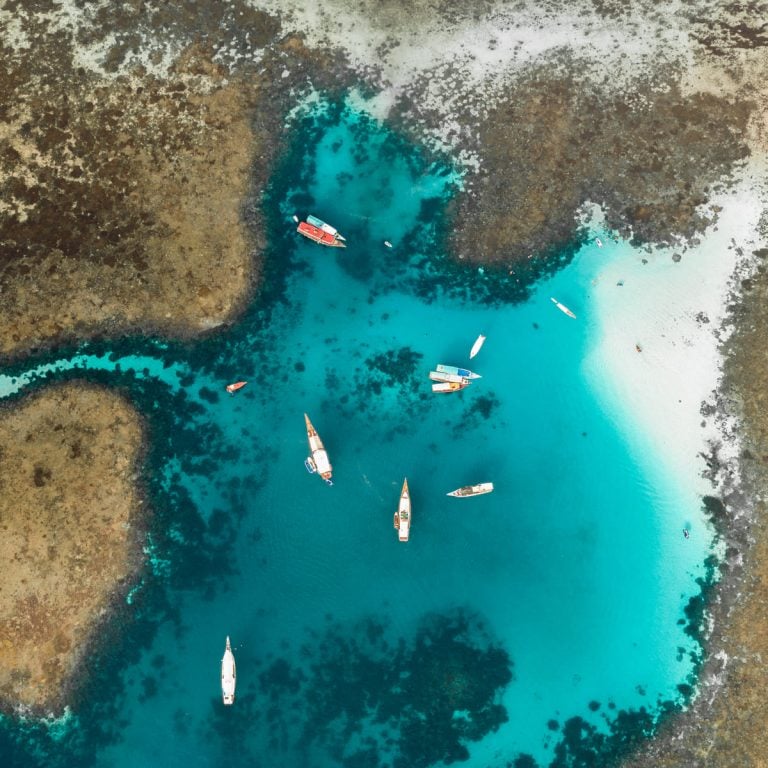
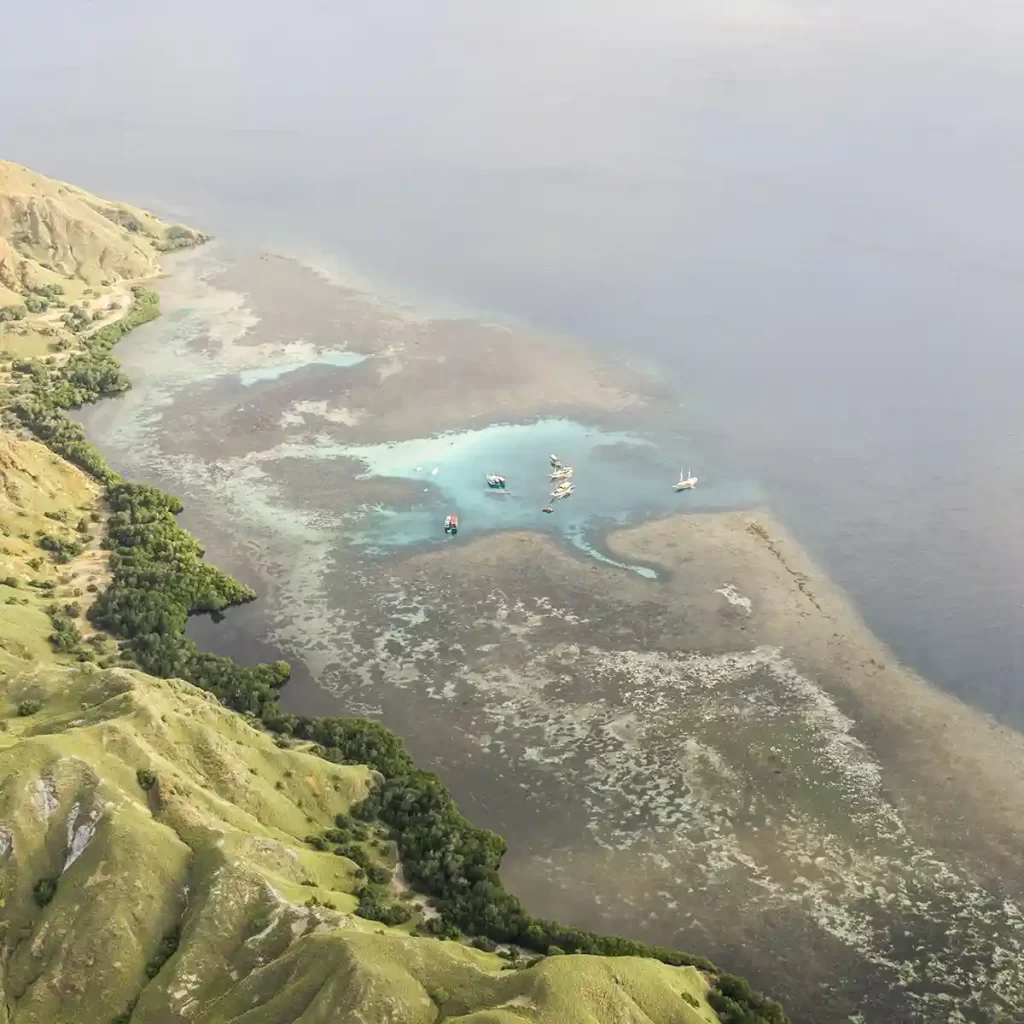
The geographic positioning of Siaba Besar within the central Komodo region places the site within reasonably accessible distance for liveaboard operations while maintaining sufficient isolation to preserve the marine environment from excessive exploitation. The island itself, while supporting limited human settlement and agricultural activities, maintains significant areas of protected forest and marine reserves that provide context for understanding the broader Komodo ecosystem. Visiting Siaba Besar permits engagement with the complete landscape, from terrestrial features to marine environments, creating comprehensive understanding of the interconnected systems that characterize this UNESCO World Heritage site.

The Turtle Haven: Encounters with Ancient Ocean Reptiles

Sea turtles at Siaba Besar congregate in numbers and behavioral patterns that create extraordinary encounter opportunities. The site’s designation as a primary turtle habitat reflects centuries of stable turtle populations that depend upon specific reef characteristics and ecological conditions. Green sea turtles represent the most commonly encountered species, along with occasional hawksbill and loggerhead turtles that wander into the area during migrations or exploratory movements. The presence of multiple turtle species within a single dive site provides comparative observation opportunities, revealing the distinct morphology, behavior, and ecological roles that characterize different turtle species.

The behavioral patterns of turtles at Siaba Besar reveal these creatures as intelligent, aware organisms responsive to environmental conditions and, to a degree, to human presence. Turtles demonstrate feeding behaviors, grazing on seagrass and algae in shallow areas, or consuming jellyfish and other invertebrates in deeper waters. Specific turtles appear to develop familiarity with particular reef areas, returning repeatedly to favored feeding locations. The apparent recognition of individual turtles by experienced guides suggests memory formation and behavioral consistency that reflects the cognitive sophistication of these ancient reptiles. Photographs of turtles at Siaba Besar capture not merely the animals’ physical appearance but behavioral moments that reveal personality and individual character.

The reproductive ecology of sea turtles makes specific sites like Siaba Besar essential to the species’ long-term survival. Female turtles return to nesting beaches with remarkable fidelity, traveling hundreds or thousands of kilometers across open ocean to reach beaches where they themselves were born generations previously. The nearby Siaba Besar beaches serve as nesting habitat for sea turtles, making the surrounding waters essential to these creatures’ life cycles. Understanding this connection between shallow reef diving and the broader ecological context of turtle survival adds significance and meaning to Siaba Besar encounters, transforming casual wildlife viewing into engagement with crucial conservation ecology.

Gentle Currents and Accessible Diving Conditions

The hydrographic conditions at Siaba Besar distinguish it as an accessible diving location suitable for intermediate divers and those seeking to refine their diving skills in forgiving but engaging conditions. The site experiences gentle to light currents for much of the year, permitting relaxed diving paces and extended bottom time that rewards exploration and observation. The absence of the strong currents characteristic of some Komodo sites permits divers to approach subjects more deliberately and compose photographs with greater precision. This accessibility makes Siaba Besar an ideal site for divers working toward advanced certifications or those returning to diving after extended breaks from the activity.

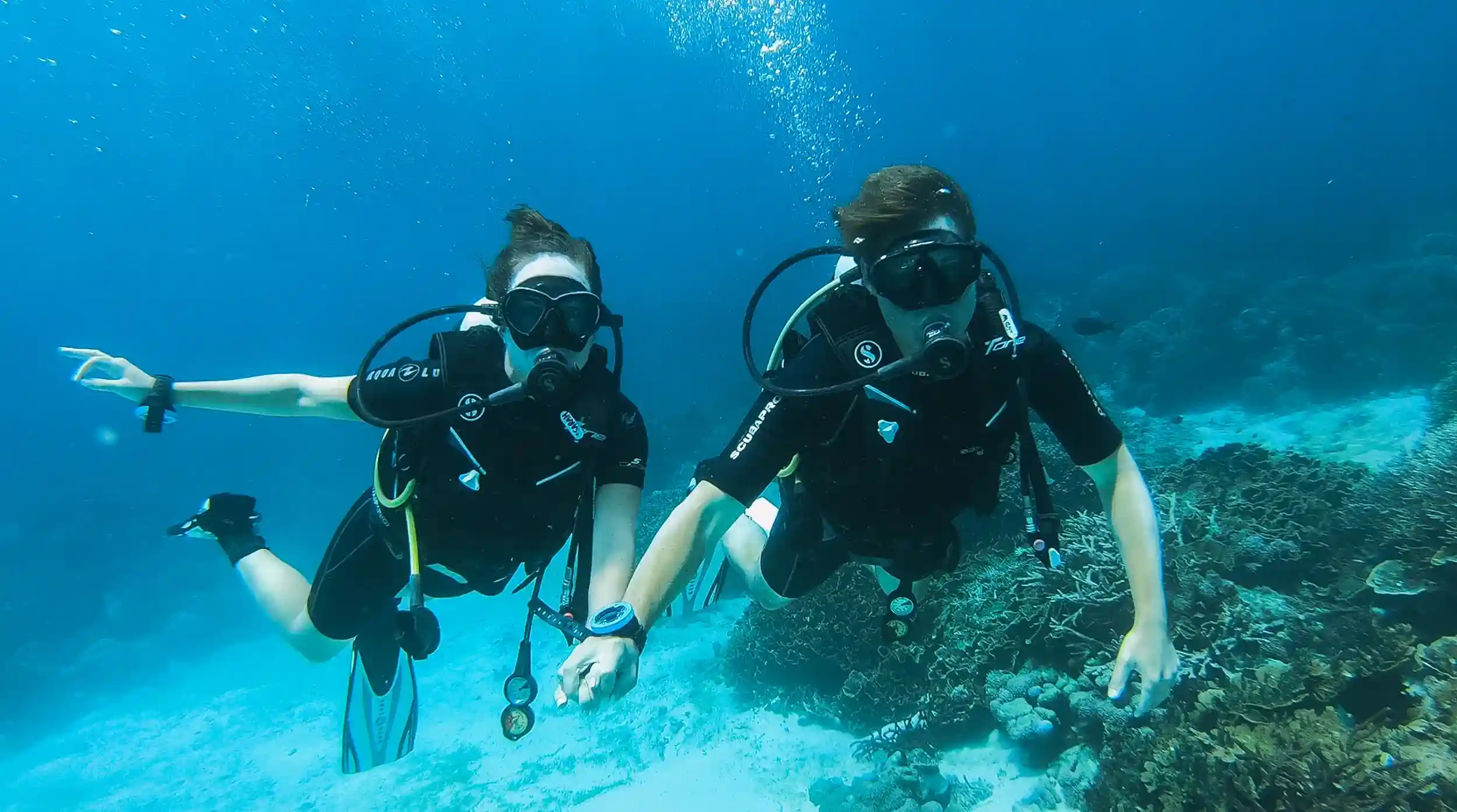
The depth profile at Siaba Besar transitions gradually from shallow reef zones accessible to snorkelers, through intermediate depths offering optimal diving conditions, to deeper zones for advanced divers seeking extended depth experience. This variety within a single dive site accommodates divers of varied experience levels, permitting family groups and mixed-skill diving parties to enjoy the site simultaneously with appropriate supervision and modifications to diving plans. The psychological comfort created by accessible conditions enhances diving enjoyment and creates environments where divers focus upon observation and photography rather than upon managing challenging conditions.

Visibility at Siaba Besar generally exceeds that found at macrohabitat sites like Cannibal Rock, permitting comfortable wide-angle photography and comfortable viewing of the complete reef context. The combination of good visibility, gentle currents, and shallow depths creates ideal conditions for underwater videography and cinematography. Many dive tourism operators utilize footage obtained at Siaba Besar in promotional materials because the site’s characteristics produce commercially appealing imagery that captures the beauty and accessibility of tropical diving.

Coral Gardens and Marine Diversity

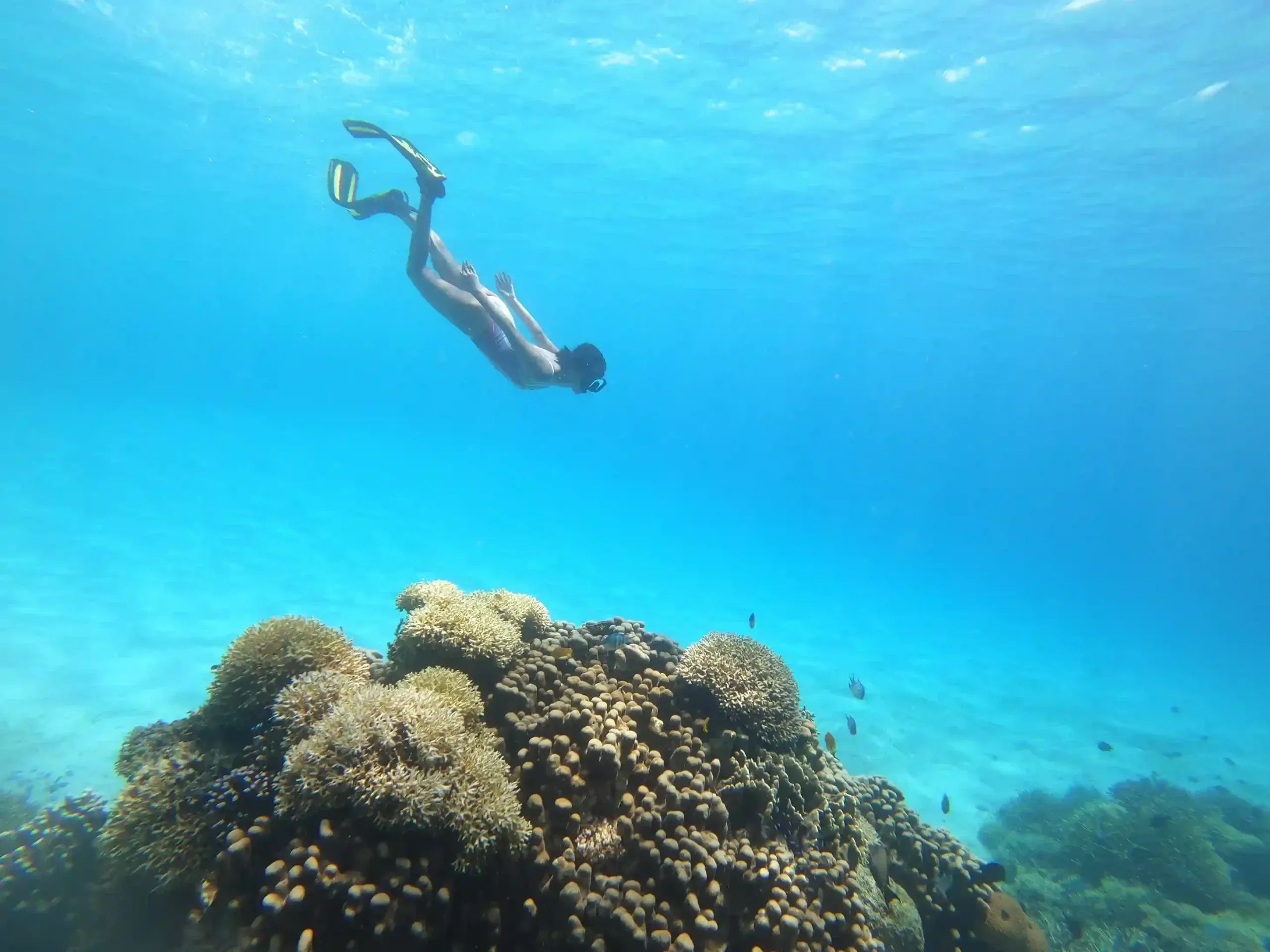
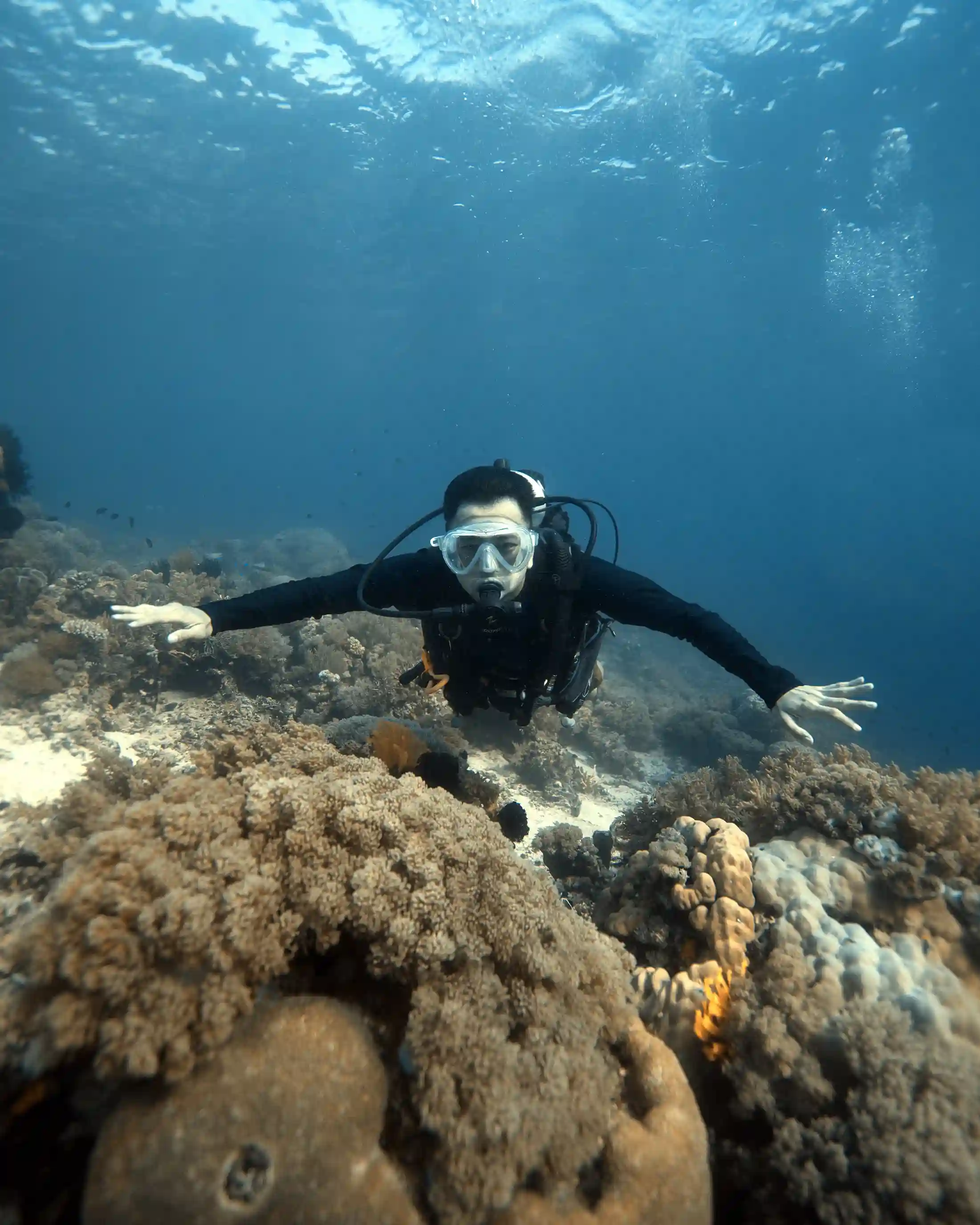
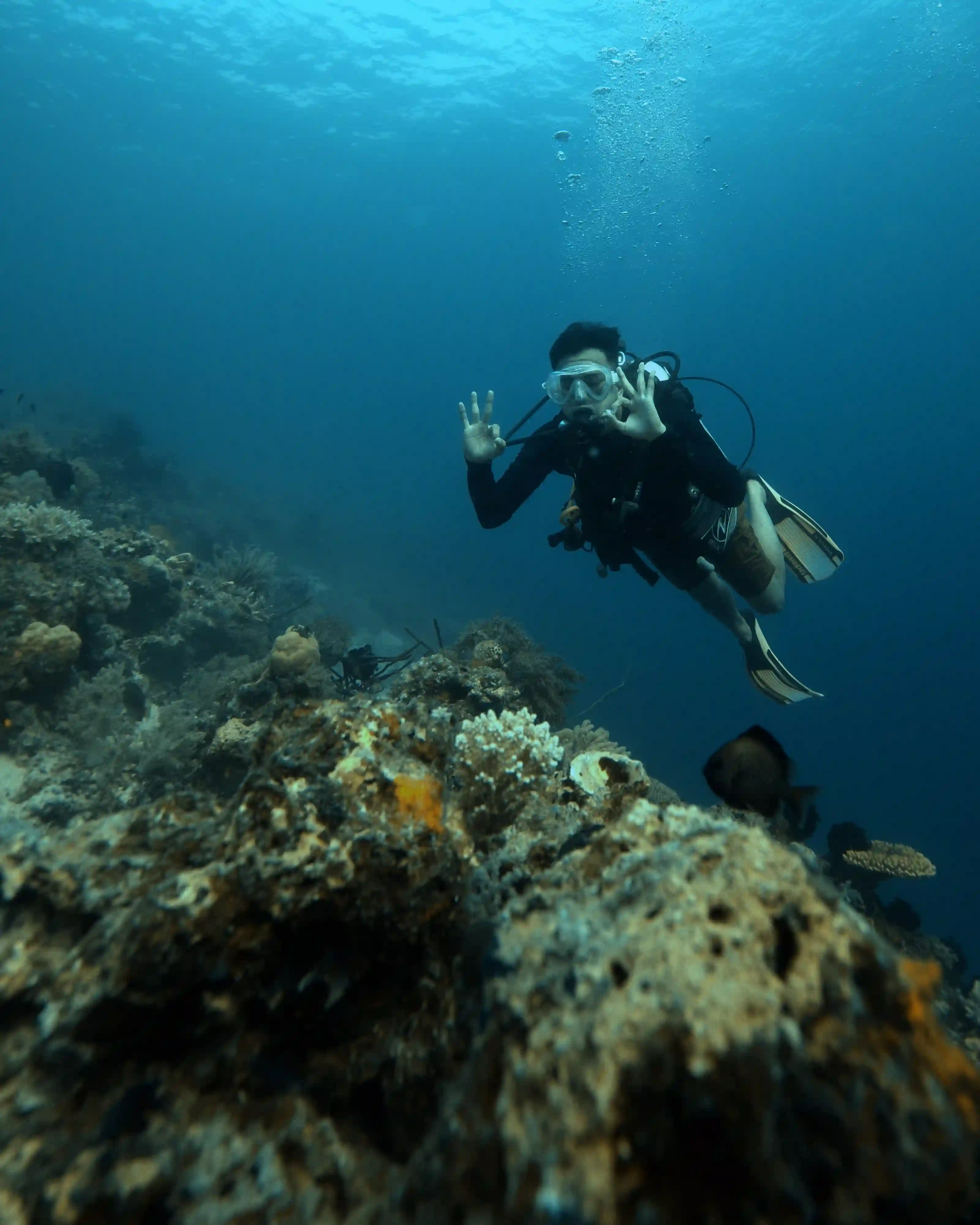
Extensive coral gardens characterize Siaba Besar, with both hard coral formations and soft coral communities creating three-dimensional reef architecture that provides habitat for extraordinary fish and invertebrate diversity. The health of these coral ecosystems reflects careful protection and management that has prevented the degradation affecting many tropical reefs globally. The combination of hard coral scaffolding and soft coral forest creates heterogeneous microhabitats that support the largest species diversity characteristic of healthy reef systems. Divers exploring these coral gardens discover that apparent visual simplicity masks complex ecological relationships and remarkable biodiversity.

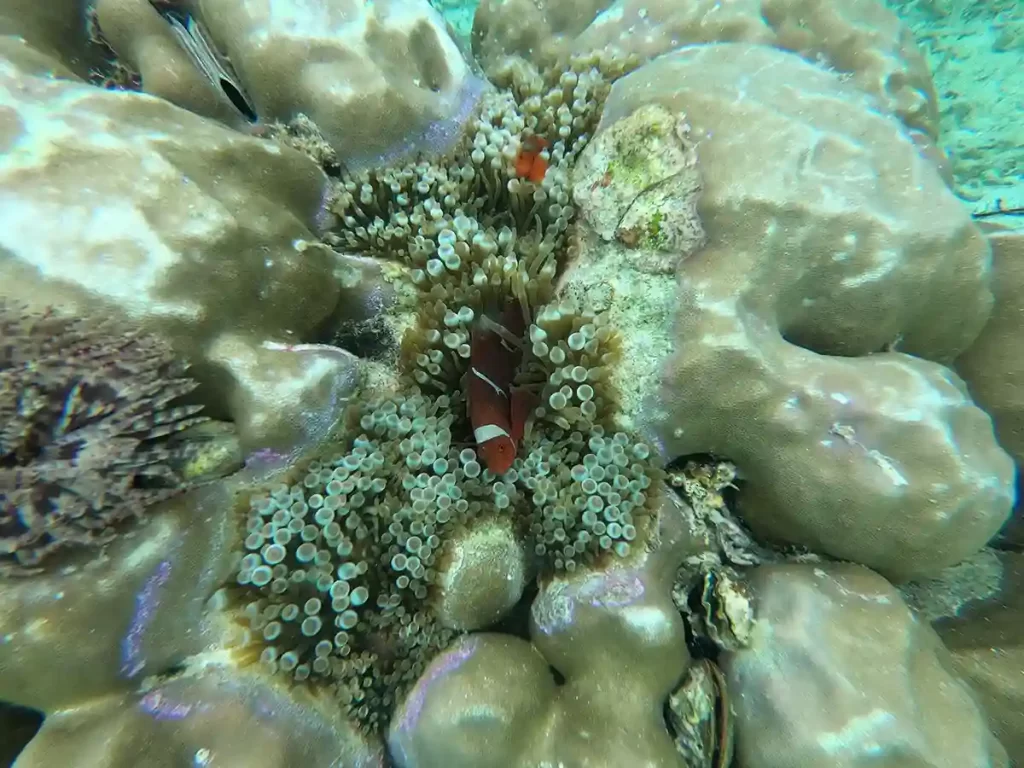
Hard coral formations include massive brain corals, branching acropora species, table corals creating sheltered spaces beneath their broad surfaces, and delicate branching corals providing habitat for small fish species. Each coral species supports distinct assemblages of associated organisms, from coral-dwelling shrimp to fish species that exploit the shelter provided by coral branches. The cumulative biodiversity within coral gardens remains incompletely cataloged, with new discoveries of fish species occurring regularly in remote locations. Photography of coral gardens captures both the macroscopic structure of reef architecture and the microscopic details of individual coral polyps and associated fauna.

Soft coral communities at Siaba Besar display remarkable color diversity, from brilliant reds and oranges to deep purples and subtle yellows. The movement of soft corals in response to currents creates dynamic visual presentations that change continuously throughout dives. Certain soft coral species release planktonic larvae during specific lunar cycles, creating dramatic visual effects as millions of larvae transform the water column into a particulate haze. The seasonal timing of these larval release events, predictable for coral species living in stable climates, creates opportunities for divers to witness reproduction events that occur rarely in most divers’ diving careers.

Night Diving Excellence and Nocturnal Ecosystem Exploration

Night diving at Siaba Besar reveals nocturnal species and behaviors inaccessible during daylight exploration, effectively creating an entirely distinct ecosystem from what divers encounter during day dives. The relatively shallow depths and modest currents characteristic of Siaba Besar create safe and enjoyable night diving conditions compared to other sites where darkness accentuates already challenging conditions. Nocturnal species including octopi, squid, nocturnal fish species, and invertebrates emerge from daytime hiding places, creating encounters distinct from daytime diving experiences. The cool water temperatures and unique photographic conditions during night diving reward patience with images impossible to obtain during daylight hours.

Nocturnal shrimps and other crustaceans become active during darkness, congregating around reef structures in numbers that dwarf daytime populations. Nocturnal fish species including cardinalfish, squirrelfish, and various nocturnal reef fish emerge to hunt and feed. Octopi in particular display remarkable behavioral changes at night, leaving daytime crevices to actively hunt small crustaceans and fish. The opportunity to observe these intelligent invertebrates in their natural hunting behaviors provides behavioral insights and photographic opportunities distinct from daytime encounters with more passive subjects.

Night turtle encounters at Siaba Besar sometimes occur, as sea turtles occasionally remain in shallow reef areas after darkness, creating unique photographic opportunities illuminated only by dive lights and underwater camera strobes. The intimacy of night diving, combined with the visual drama created by selective illumination against dark backgrounds, produces distinctive photographic aesthetics unavailable during daylight exploration. Many divers consider night diving to represent the ultimate expression of underwater diving, removing the visual crutches provided by natural light and demanding greater reliance upon other sensory modalities and fundamental diving skills.

Photography and Natural History Documentation

Photography opportunities at Siaba Besar encompass wide-angle environmental photography capturing reef contexts and turtle encounters, medium-distance photography documenting distinct reef sections and fish aggregations, and macro work revealing the intricate details of small creatures and coral structures. The site’s accessibility and generally excellent conditions make it ideal for photographers at all experience levels seeking to develop or refine their craft. The combination of large charismatic animals like sea turtles and background reef environments permits photographers to create compelling environmental portraits that illustrate the broader context of turtle habitats.

Natural history photography at Siaba Besar contributes to scientific understanding and documentation of species distributions, behaviors, and ecological relationships. Many photographs obtained by recreational divers ultimately contribute to scientific databases and research initiatives investigating marine ecosystems. Organizations focused upon marine conservation and sea turtle research actively utilize imagery from diverse sources, including recreational diving tourism, to expand scientific understanding of these creatures and their habitats. The crowdsourced data collection model permits coordination between tourism activities and scientific research, creating alignment between economic interests and conservation priorities.

The behavioral documentation of sea turtles at Siaba Besar provides valuable information about individual movement patterns, site fidelity, and seasonal variations in turtle distribution. Careful photographic documentation of identifying features permits researchers to track individual animals across years and dive seasons. The comparison of photographs obtained during successive years permits monitoring of population size and health indicators like shell condition and the presence of parasites or wounds. This integrative approach to diving tourism creates conservation value that extends beyond the direct experience of individual divers to contribute to broader scientific understanding.

Accessibility from Labuan Bajo and Liveaboard Integration

Siaba Besar’s proximity to Labuan Bajo creates accessibility advantages that distinguish it from more remote south Komodo sites like Cannibal Rock. The relatively brief liveaboard transit time from Labuan Bajo to Siaba Besar permits multiple operational advantages including more flexible scheduling, greater reliability in accessing the site despite weather variations, and the ability to reach Siaba Besar from day-trip operations during favorable weather windows. This accessibility does not diminish the site’s ecological value or diving quality but rather makes it an essential component of comprehensive Komodo diving itineraries that accommodate varied diver preferences and operational constraints.

Most liveaboard itineraries operating in central Komodo include Siaba Besar as a core component, typically incorporating multiple dives at the site to maximize turtle encounters and permit exploration of different reef sections across varying conditions. The flexibility in scheduling created by Siaba Besar’s accessibility permits liveaboards to accommodate other less predictable sites during the same expedition, creating diverse itineraries that showcase the region’s complete diving range. Coordination with booking agents during planning your liveaboard permits specification of diving interests and ensures that specific dive sites like Siaba Besar feature prominently in customized itineraries.

The integration of Siaba Besar with complementary sites like Sebayur Reef and Siaba Island destinations creates comprehensive experiences that explore the region at multiple scales and environmental contexts. Day-tripping to nearby Siaba Island permits terrestrial exploration that contextualizes marine diving experiences, creating broader understanding of the ecosystem’s terrestrial and marine components. This integrated approach to tourism development characterizes luxury operations that recognize the value of comprehensive engagement with destination environments.

Optimal Seasonal Conditions and Year-Round Accessibility

Siaba Besar remains accessible throughout the year, though seasonal variations influence current conditions, visibility, and species distribution patterns. The dry season from November through March offers optimal conditions with excellent visibility, light currents, and predictable weather patterns. The wet season brings occasional strong currents and reduced visibility but also supports unique species congregations and behavioral patterns that make green season diving rewarding for dedicated divers. The relative accessibility of Siaba Besar throughout the year permits extended diving seasons compared to more exposed sites that become untenable during certain weather windows.

Seasonal turtle distribution patterns influence encounter probabilities, with certain turtle species more abundant during specific seasons corresponding to breeding cycles and migration patterns. Female turtles concentrate in nearshore areas during nesting seasons, while males remain in deeper feeding areas year-round. This sexual segregation of habitat use reflects ecological specialization and behavioral patterns refined through millions of years of evolution. Understanding these patterns adds context to observations of turtles at Siaba Besar, permitting divers to appreciate the biological significance of encounters rather than viewing turtles as merely photogenic subjects.

The reliability of Siaba Besar’s accessibility permits confident planning and scheduling by luxury resorts and tour operators dependent upon consistent access to prime diving destinations. The combination of accessibility and excellent diving conditions makes Siaba Besar an ideal compromise site where diverse diving groups find satisfaction, from advanced technical divers seeking challenging deep diving to families seeking accessible wildlife encounters. This versatility in accommodation of different diver preferences and experience levels distinguishes Siaba Besar as a core destination within broader Komodo diving strategies.

Frequently Asked Questions About Siaba Besar

How frequently will I encounter sea turtles at Siaba Besar?

Sea turtle encounters at Siaba Besar occur on the vast majority of dives, with experienced divers and guides frequently locating multiple turtles during single dives. The site’s reputation as a premier turtle diving destination reflects objectively high encounter rates compared to most other global diving destinations. While turtle sightings cannot be guaranteed with absolute certainty, the probability of observing at least one turtle during a Siaba Besar dive exceeds ninety percent during most seasons. Multiple dives at the site across successive days increase the probability of observing multiple turtles and different species.

Can I touch sea turtles at Siaba Besar?

No, touching sea turtles is prohibited by law throughout Indonesia and is prohibited by professional diving codes of ethics. While turtles at Siaba Besar demonstrate remarkable tolerance for human presence, physical contact causes stress and potentially injury to these protected creatures. Guides instruct divers to maintain respectful distance and observe turtles engaged in natural behaviors without interference. Photographs can be obtained from appropriate distances using zoom lenses or careful positioning that permits close observation without direct contact.

What is the diving difficulty level at Siaba Besar and what certification is required?

Siaba Besar is well-suited to Open Water certified divers and does not require advanced certifications. The gentle currents and moderate depths create accessible diving conditions that reward divers of intermediate experience levels. Novice divers with limited experience benefit from careful guide supervision and conservative dive planning that emphasizes safe diving practices. The site’s accessibility makes it ideal for divers developing skills or returning to diving after extended breaks. The gentle conditions permit divers to focus attention upon observation and photography rather than upon managing challenging environmental conditions.

What types of turtles am I likely to encounter at Siaba Besar?

Green sea turtles represent the most commonly encountered species at Siaba Besar, identifiable by their brownish coloration and relatively large size. Hawksbill turtles occur less frequently but represent the second most likely species encountered. Loggerhead turtles occasionally appear in the area, typically during migration periods or extended pelagic travels. Each species demonstrates distinct morphology, behavior, and ecological preferences. Experienced guides assist in species identification and provide information about the distinctive characteristics that differentiate turtle species.

Are there good snorkeling opportunities at Siaba Besar in addition to scuba diving?

Yes, Siaba Besar offers exceptional snorkeling in shallow reef areas where non-certified individuals can observe remarkable marine life including sea turtles, reef fish, and coral formations. Snorkelers frequently encounter sea turtles in the same areas accessible to scuba divers, making turtle viewing accessible to family members and non-divers accompanying certified divers. The accessibility of shallow reef areas creates inclusive diving vacation experiences where different family members with varying diving experience levels can participate together.

What photographic subjects beyond sea turtles might I encounter at Siaba Besar?

Siaba Besar’s coral gardens support extraordinary fish and invertebrate diversity providing diverse photographic subjects. Groupers, snappers, fusiliers, wrasses, and numerous smaller fish species offer wide-angle and medium-distance photography opportunities. Macro subjects including nudibranchs, crustaceans, and small fish abound within coral structures. The combination of large subjects like turtles with macro biodiversity permits photographers to explore multiple photographic disciplines during single dives. Nocturnal species encountered during night dives provide additional photographic diversity unavailable during daylight exploration.

How does Siaba Besar compare to other turtle diving locations, including Sebayur Reef?

Siaba Besar and Sebayur Reef both offer exceptional turtle encounters but within different diving contexts and with distinct environmental characteristics. Siaba Besar emphasizes gentle reef diving with casual turtle encounters within broader coral garden exploration. Sebayur Reef emphasizes night diving and macro photography alongside turtle encounters. Both sites merit inclusion on comprehensive liveaboard itineraries, permitting comparative experience and multiple turtle encounter opportunities across diverse diving conditions. The combination of both sites provides the most comprehensive turtle diving experiences available in the Komodo region.

Ready to Explore Komodo?

Start planning your luxury liveaboard adventure through Komodo National Park. Our team is ready to craft your perfect voyage.

WhatsApp Bali Medical Concierge