Light Beams Through the Ceiling
Natural openings in the cave roof let sunlight spill into the darkness below, with early morning visits catching the most dramatic beams cutting through the turquoise water.
Discover Destinations
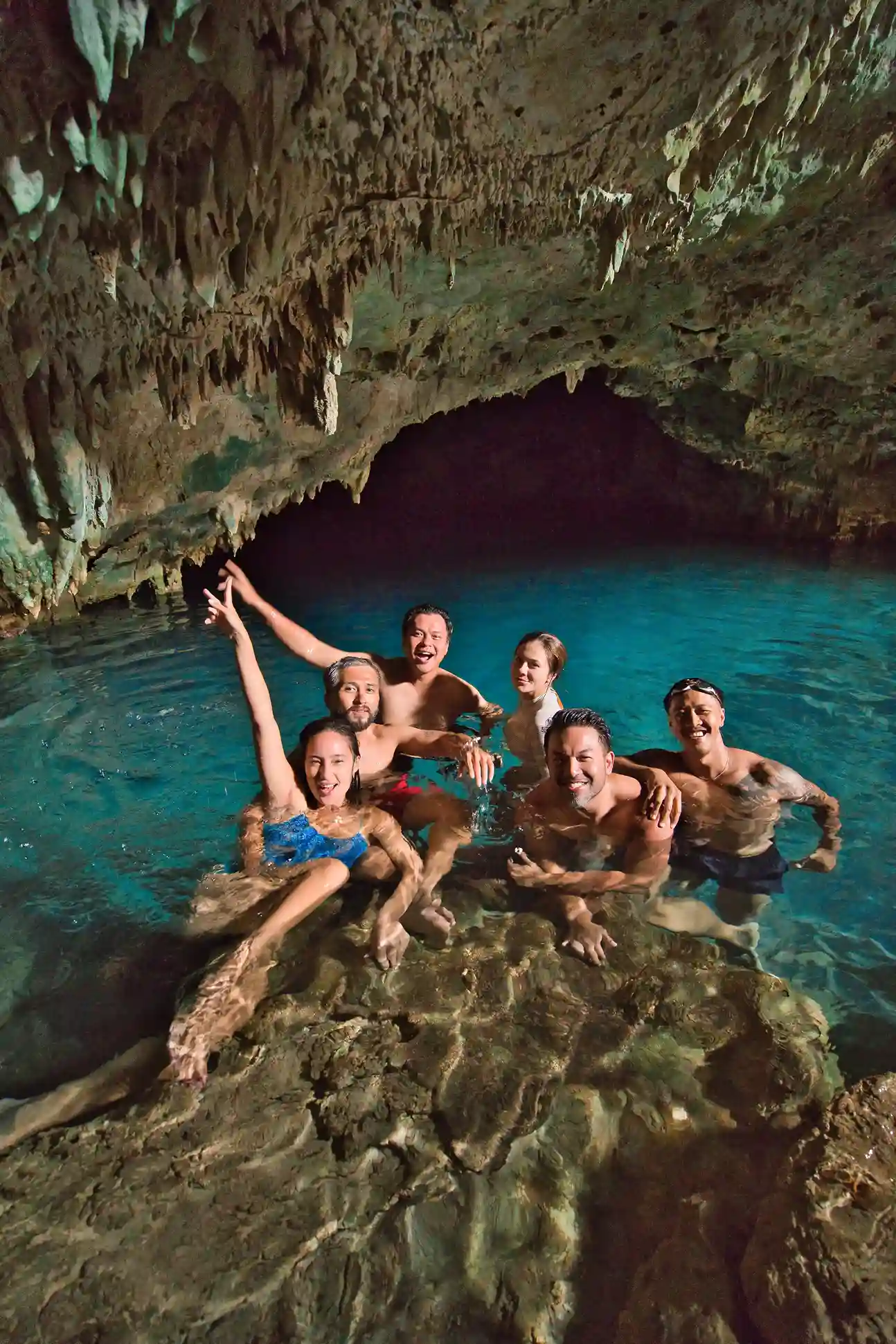
Quick Answer: Rangko Cave is a hidden underground swimming cave near Labuan Bajo, Flores, with turquoise pools, limestone formations, and natural light spilling through openings in the cave roof. It’s an easy half-day add-on to a Komodo liveaboard itinerary, reached by a short boat ride and a brief trek.
Also known as Gua Rangko, this limestone cavern in western Flores holds crystalline turquoise pools that look almost impossibly bright against the pale cave walls.
Its easy reach from Labuan Bajo has made it a favorite land-based add-on for liveaboard itineraries across the Komodo region, offering a subterranean detour that stands apart from typical island sightseeing.
Unlike caves that demand serious climbing or caving skill, Rangko is gentle enough for most fitness levels while still feeling like genuine discovery.
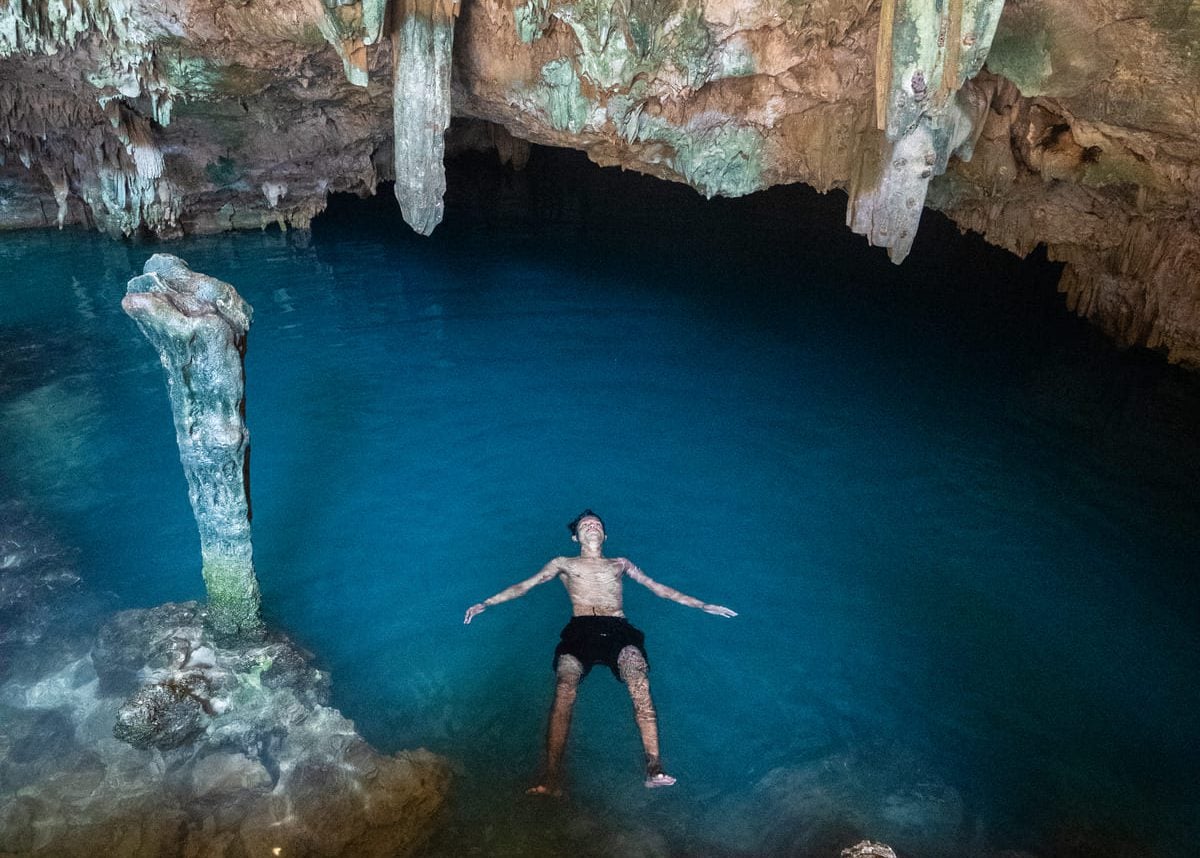
From shafts of sunlight through the ceiling to a cool float in its turquoise pool, Rangko rewards travelers who make the short detour off the water.
Natural openings in the cave roof let sunlight spill into the darkness below, with early morning visits catching the most dramatic beams cutting through the turquoise water.
Discover Destinations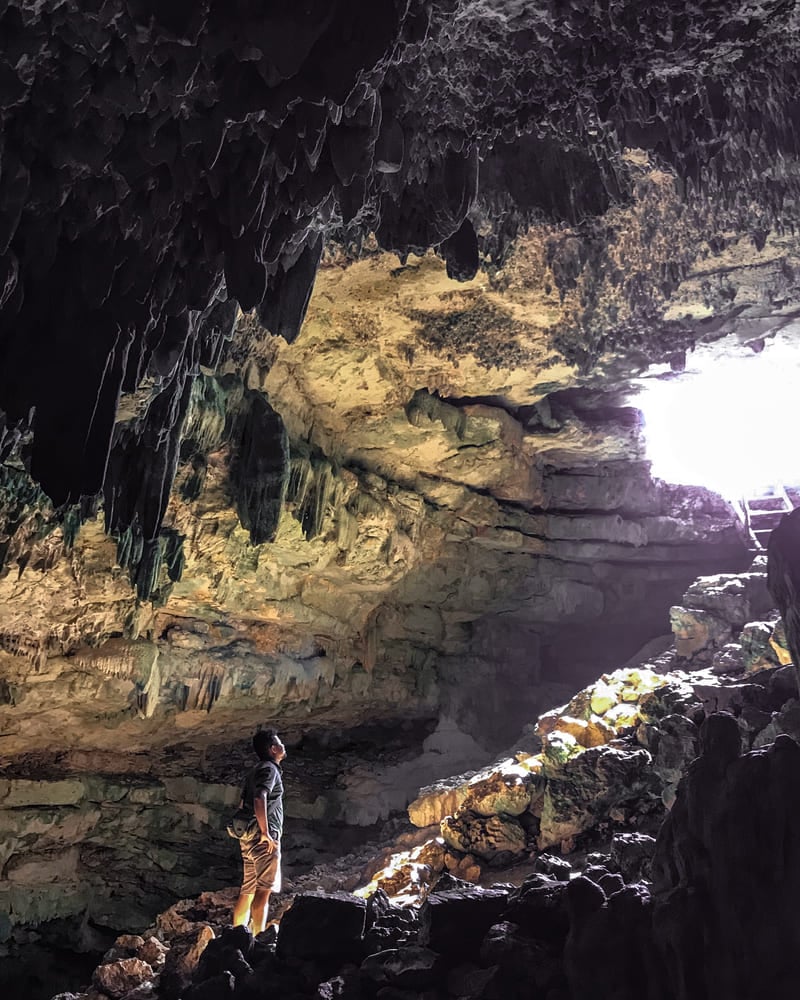
The main chamber holds a deep, crystal-clear pool around 20–24°C, calm enough for a slow float beneath towering limestone walls—life jackets are on hand for anyone who’d rather stay buoyant.
View Liveaboard Options
Getting here is part of the appeal—about an hour from Labuan Bajo by boat and road, then an easy 15–20 minute walk through limestone scenery before the final scramble down into the cave.
Pair with Cunca Wulang Waterfall
Morning brings the clearest light beams, midday suits swimming best, and late afternoon warms the cave walls to gold—a full-day visit catches all three.
Book Now
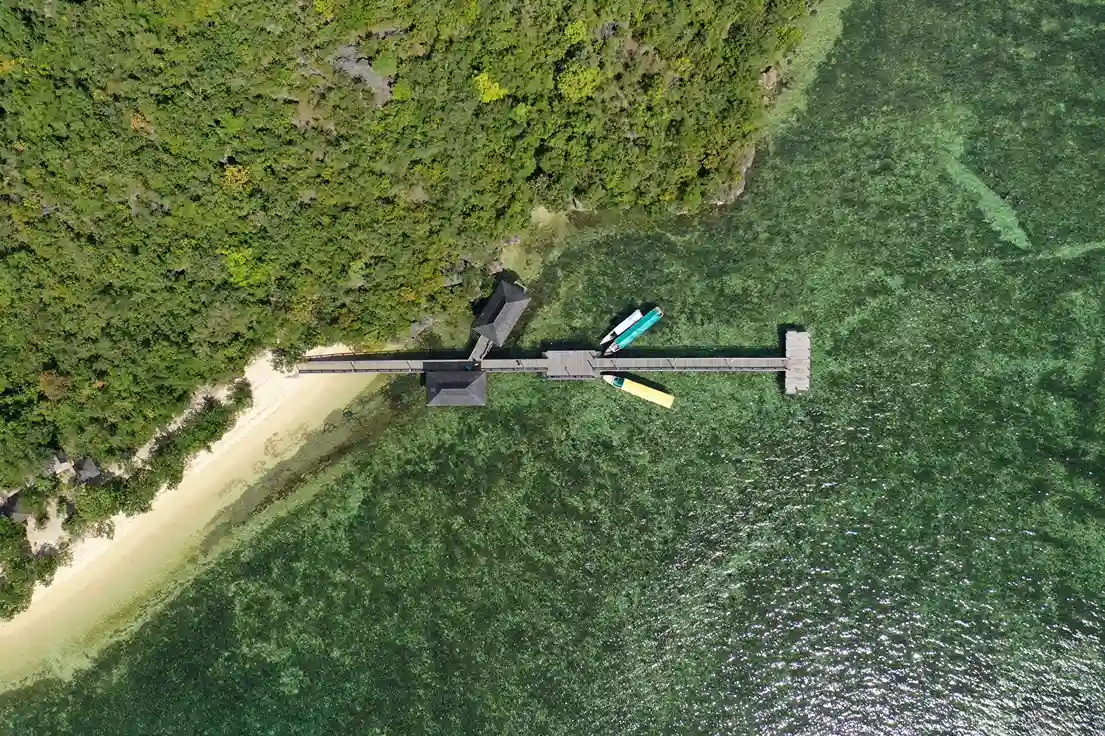
Rangko sits about an hour from Labuan Bajo by boat and road, followed by a short, gentle trek through limestone terrain to reach the cave entrance.
Liveaboard operators typically build it in as a full- or half-day land excursion, often paired with Cunca Wulang Waterfall or Wae Rebo Village for a fuller day off the boat.
Trading saltwater reefs for a freshwater cave pool makes for one of the more memorable contrasts of a Komodo liveaboard trip.
Early morning, around 6:30–7:00 AM, brings dramatic light beams through the cave openings, while midday offers even light that’s better for swimming and general photography. Late afternoon adds warm golden tones, so a full-day visit lets you see all three.
Rangko suits most fitness levels—you just need to manage 15–20 minutes of walking on uneven terrain. Swimming is optional, since you can enjoy the cave from the edge without entering the water.
Guides provide life jackets, recommended for less confident swimmers, and a thin wetsuit helps with the cool water on longer swims. Water shoes make the wet limestone easier underfoot, though bare feet are fine too.
Dry-season water typically sits around 1.5–2 meters, ideal for swimming without touching the floor. Heavy wet-season rain can raise levels and cloud the water, so guides monitor conditions daily and may adjust the visit.
Cave life is sparse—a few fish in the deeper pools and the occasional bat roosting higher up, neither posing real risk to visitors. The main hazard is simply slippery limestone underfoot, not wildlife.
No special training is needed beyond reasonable fitness for a short walk and comfort with cool water. Getting used to cold water beforehand helps if you’re sensitive to it.
A wide-angle lens, a polarizing filter, and shooting in RAW handle the mixed light and water reflections best. That said, guides often suggest simply enjoying the moment, since photos rarely do the turquoise water full justice.
Rangko is usually a full-day land excursion built into a multi-day liveaboard trip, often paired with Cunca Wulang Waterfall or Wae Rebo Village. Operators sequence it around diving days so you get variety without overloading any single day.
Independent planning guides for Komodo National Park liveaboard trips, updated for the 2027 season.
Boats and departures are operated by Komodo Luxury — a registered Indonesian PT under Juara Holding Group Limited with 1,500+ verified guest reviews (4.9/5).