The Trek to Wae Rebo
A two-to-three day trek climbs from Labuan Bajo through terraced fields and misty cloud forest, gaining serious elevation on the final approach. Moderate fitness is enough—guides set the pace for each group.
Explore Things to Do
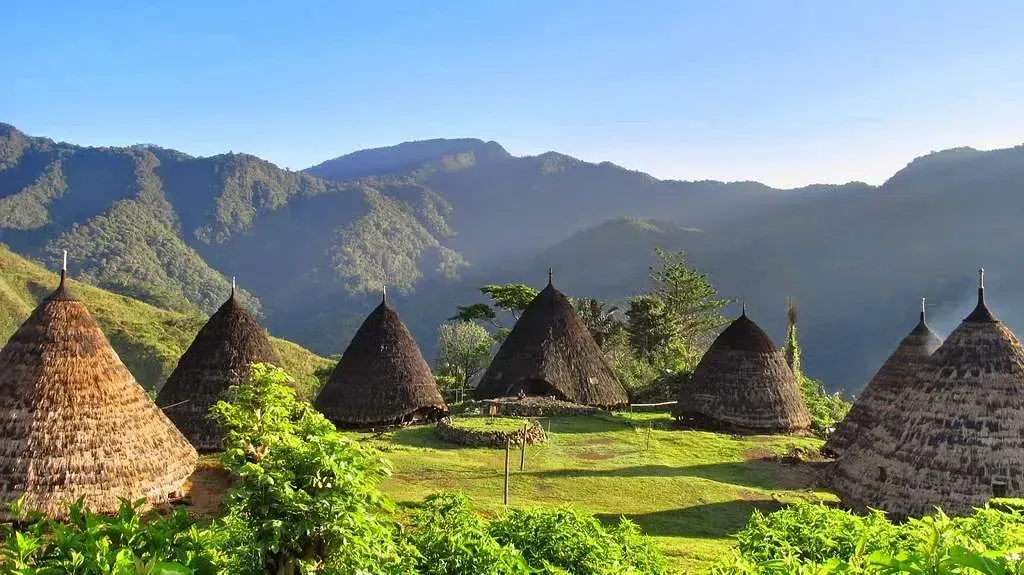
Quick Answer: Wae Rebo Village is a UNESCO-listed traditional Manggarai settlement at 1,150 meters in the Flores highlands, reached only by a multi-hour trek from Labuan Bajo. Its cone-shaped Mbaru Niang houses and living indigenous culture make it one of Indonesia’s most authentic heritage experiences.
Set in the misty highlands of western Flores, Wae Rebo is one of Indonesia’s last fully intact traditional settlements, home to the Manggarai people for over four centuries.
Its isolation at 1,150 meters elevation has kept the community’s farming, weaving, and ceremonial traditions remarkably untouched by modern life.
UNESCO recognized the village in 2012 for preserving this Manggarai architectural and agricultural heritage—a status the community protects through careful, locally-controlled tourism.
From the multi-day trek through cloud forest to nights spent inside a centuries-old Mbaru Niang, Wae Rebo delivers Flores’s most immersive cultural encounter.
A two-to-three day trek climbs from Labuan Bajo through terraced fields and misty cloud forest, gaining serious elevation on the final approach. Moderate fitness is enough—guides set the pace for each group.
Explore Things to Do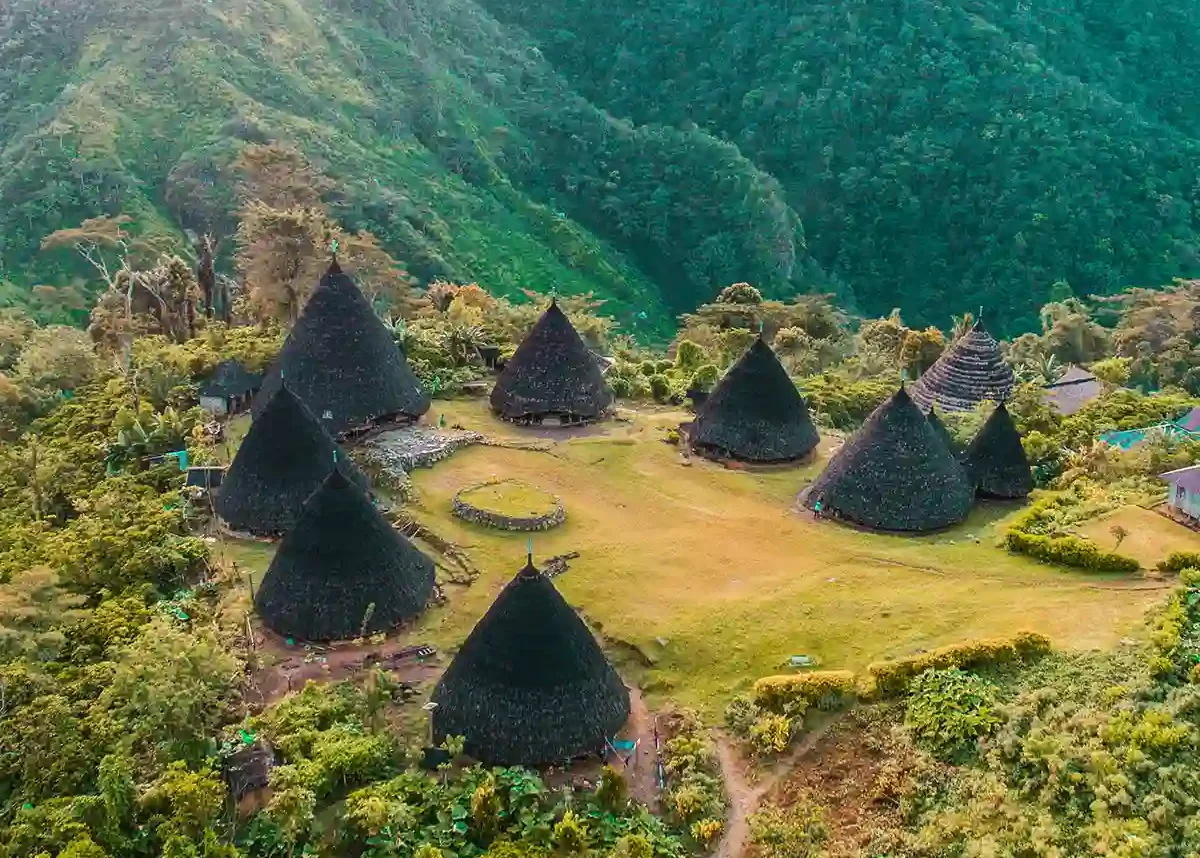
Seven cone-shaped houses rise up to 15 meters, built from wood, bamboo, and palm thatch using techniques passed down for generations, their silhouettes striking at misty dawn. Each takes about three months of skilled labor to build.
Read the Labuan Bajo Guide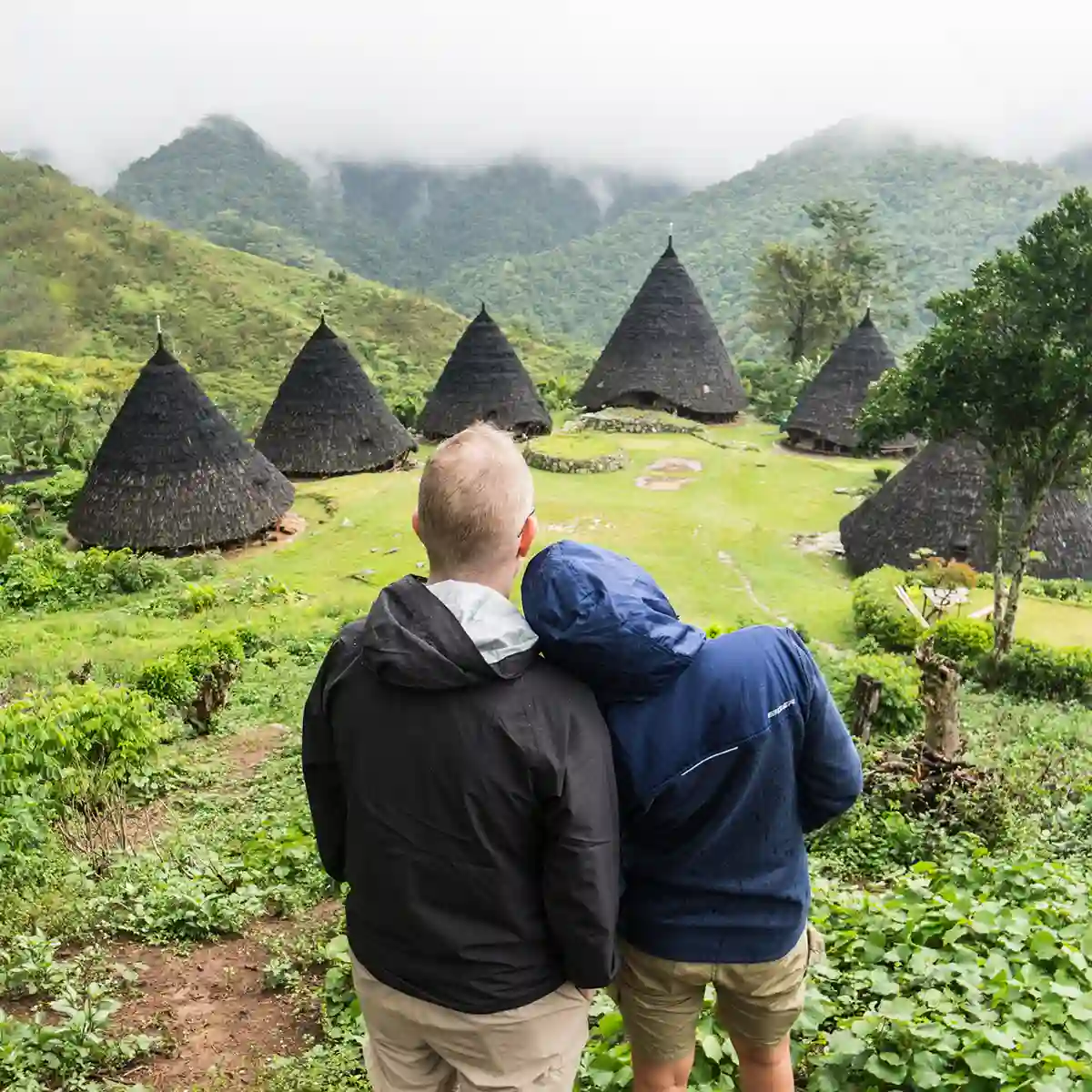
Village life still centers on rice, corn, and coffee farming, alongside intricate ikat weaving where patterns mark family lineage and status. Catholic and animist traditions blend together in the community’s ceremonies.
Discover More Destinations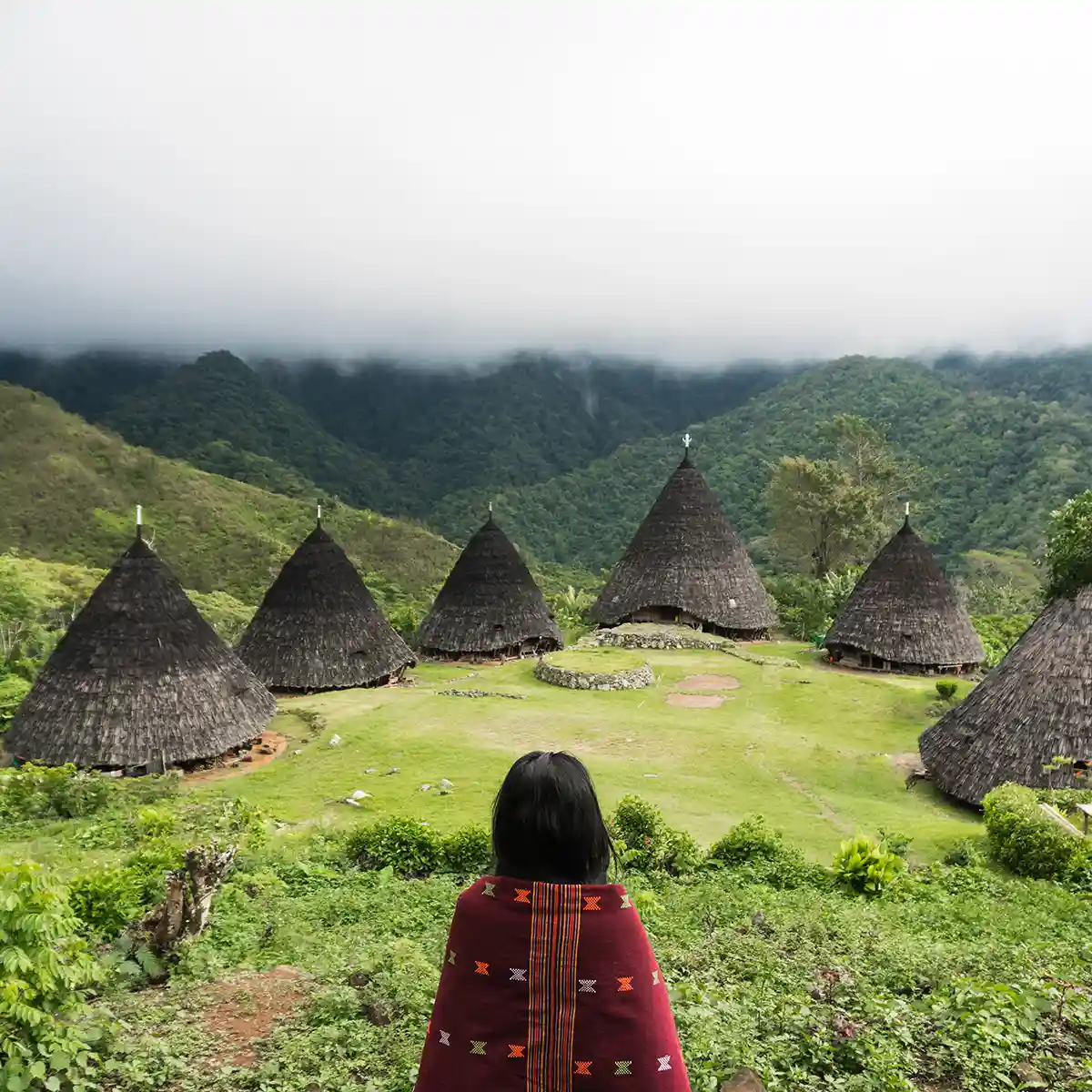
Guests sleep inside a family’s traditional house, sharing home-cooked Manggarai meals and daily life with their hosts. Tourism revenue now funds guiding, portering, and village development directly.
View Liveaboard Options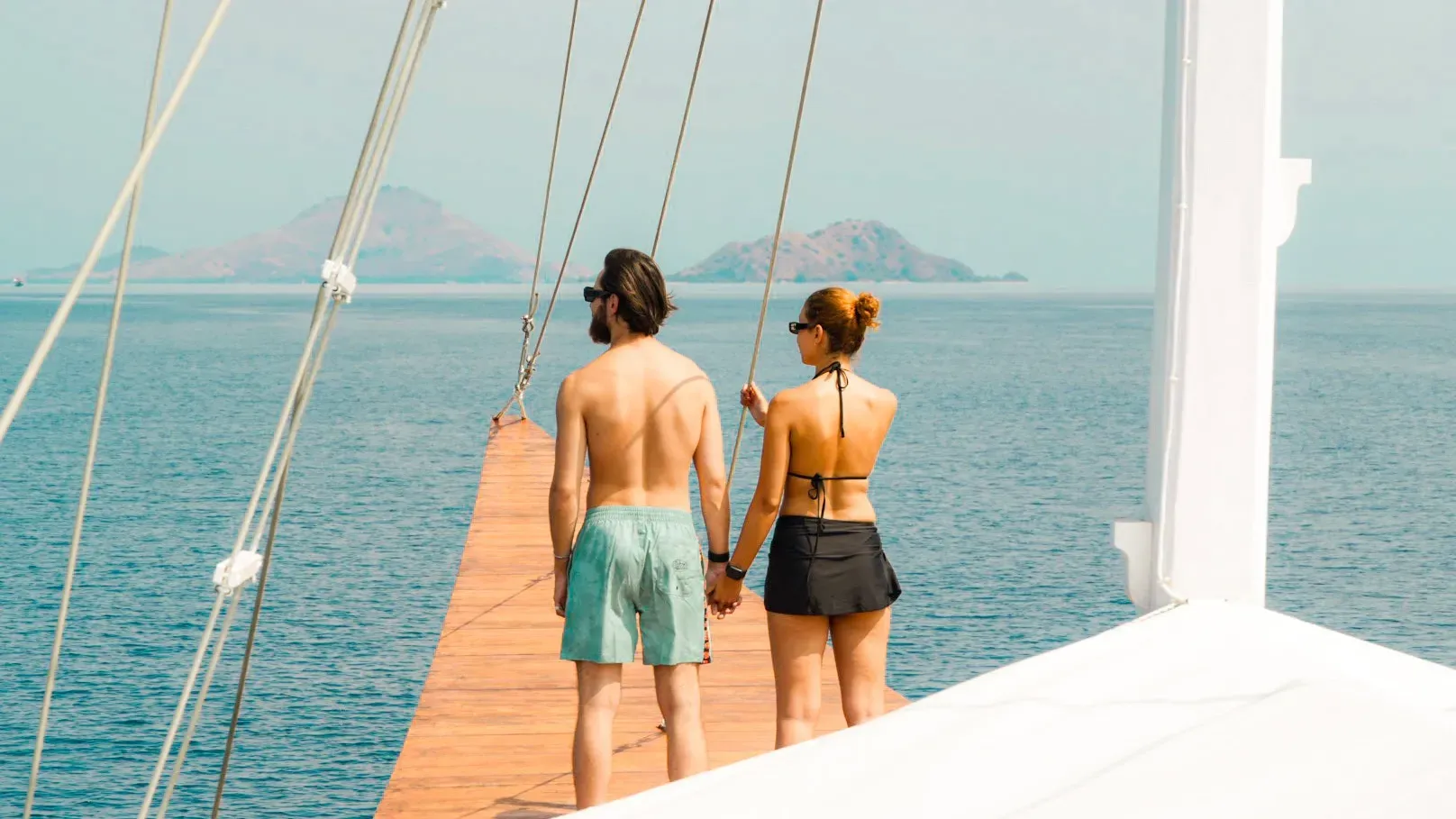
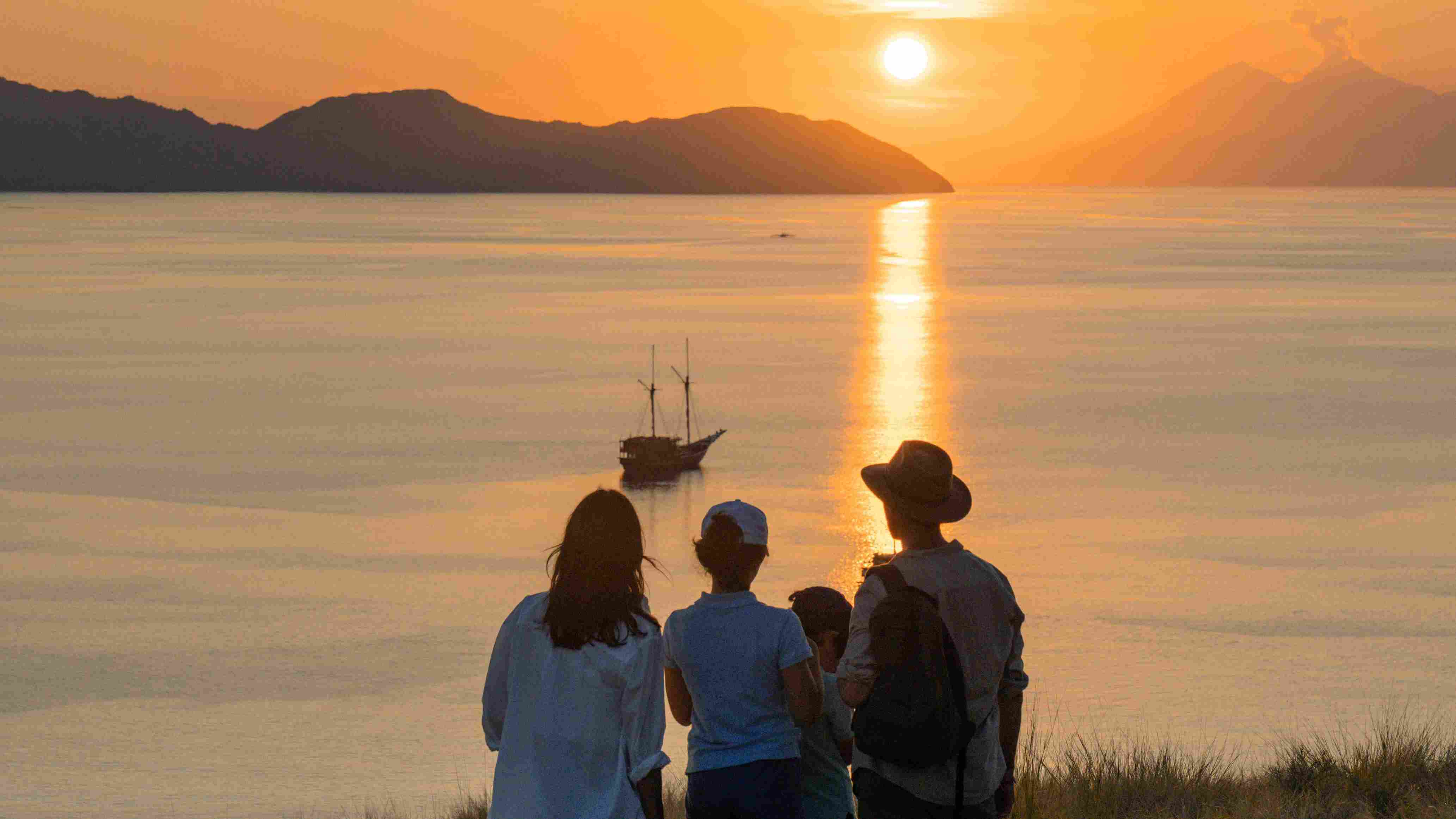
Most travelers add Wae Rebo as a two-to-three day detour before or after their liveaboard days, departing and returning through Labuan Bajo.
Trek guides stay in contact with the boat crew throughout, so guests reconnect with the vessel in time for evening meals and the next day’s briefing—misty highland culture bookending days of island-hopping across Komodo National Park.
The trek covers about 10-12 kilometers over two to three days, with 4-6 hours of walking per day and the steepest ground near the end. Guides adjust the pace to the group’s fitness and altitude acclimatization.
Wae Rebo’s remote location means serious emergencies require a helicopter evacuation or a long descent back to Labuan Bajo. Guides carry wilderness first-aid training and satellite communication, and travel insurance is required.
Dress modestly, covering shoulders and knees, and always ask before photographing people or ceremonies. Small gifts like school supplies or coffee are appreciated, but excessive gift-giving is discouraged.
Packages usually include a guide, homestay accommodation, meals, and porters for luggage. Flights to Labuan Bajo, travel insurance, and personal hiking gear are generally not included.
Homestay hosting, guiding, and portering now often out-earn traditional farming for local families. Visitor quotas and revenue-sharing agreements help fund village development while protecting cultural integrity.
Many host families welcome guests into weaving demonstrations, rice farming, or cooking, though participation is always voluntary. Being upfront about your physical limits helps hosts plan activities safely.
Sturdy hiking boots, rain protection, sun protection, and any personal medication are essential; altitude sickness is rare at 1,150 meters. Water purification tablets add extra peace of mind.
Pairing the trek with a liveaboard voyage links highland culture and marine adventure into one coordinated journey, with guides and logistics handled throughout. The contrast between misty mountains and turquoise water makes Flores’s diversity impossible to forget.
Independent planning guides for Komodo National Park liveaboard trips, updated for the 2027 season.
Boats and departures are operated by Komodo Luxury — a registered Indonesian PT under Juara Holding Group Limited with 1,500+ verified guest reviews (4.9/5).