Quick Answer: Bidadari Island stands as the quintessential introduction to Komodo’s marine wonders, featuring crystal-clear waters ideal for snorkeling, thriving coral restoration initiatives, pristine white sand beaches perfect for relaxation, and unparalleled proximity to Labuan Bajo. This exquisite island often serves as the first stop on luxury liveaboard expeditions, offering enchanting sunset experiences and remarkable accessibility that makes it the ideal destination for both novice and experienced marine enthusiasts seeking authentic island sanctuary combined with sophisticated comfort.
Bidadari Island: Where Komodo Adventures Begin
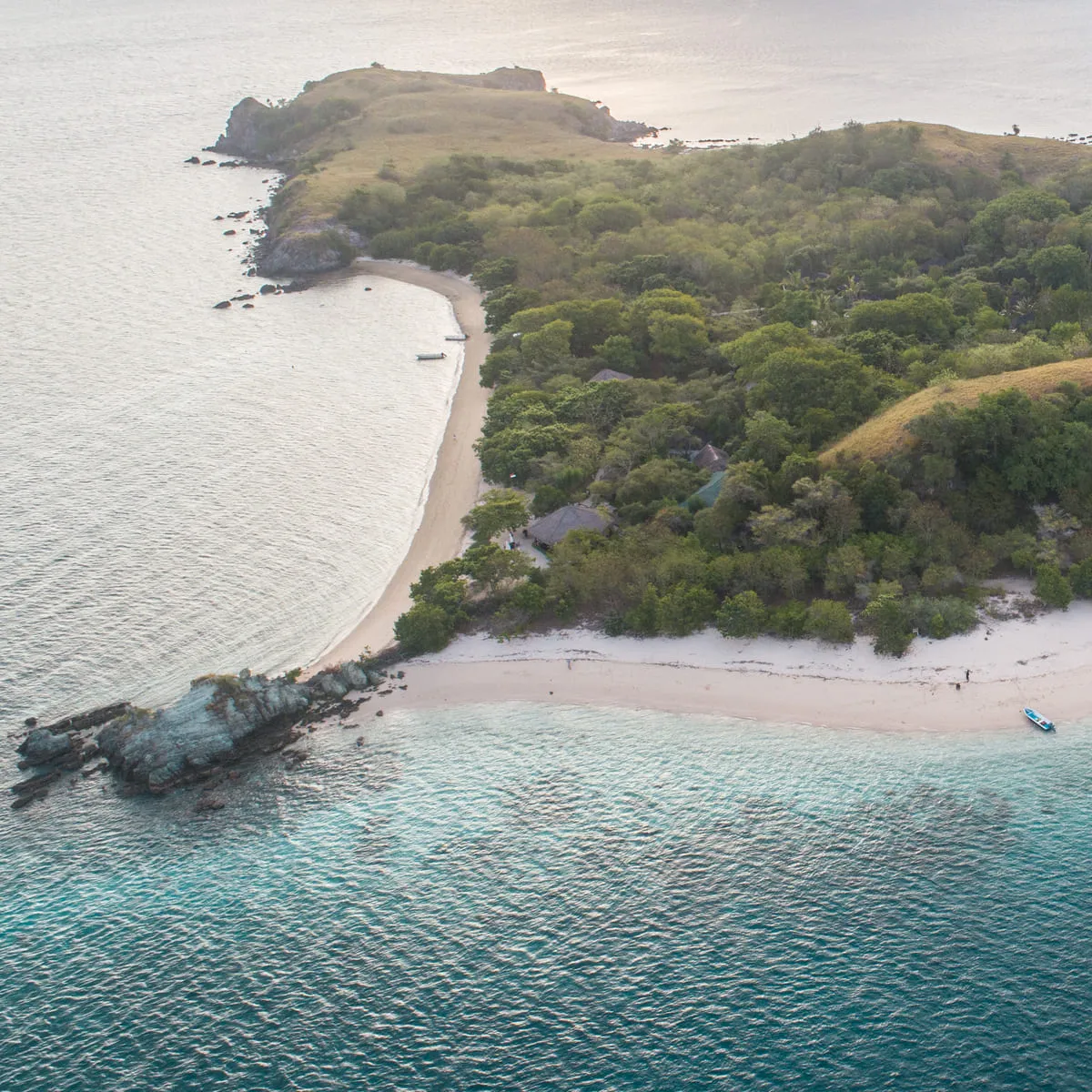
Bidadari Island, whose name translates to “angel” or “celestial nymph” in Indonesian, represents the quintessential embodiment of tropical island paradise within the Komodo National Park region. This jewel-like destination captivates visitors through a compelling combination of exceptional natural beauty, outstanding accessibility, and commitment to marine conservation. Situated in immediate proximity to Labuan Bajo, the region’s primary gateway community, Bidadari Island serves as the typical first stop on luxury liveaboard expeditions, introducing guests to the Komodo archipelago’s extraordinary marine environments through crystal-clear waters and welcoming tropical island hospitality.
The island’s strategic positioning within the archipelago creates conditions of extraordinary visual beauty, with crystalline waters revealing pristine coral gardens and abundant marine life. Unlike many tropical destinations that require extensive travel investment to access remote sanctuaries, Bidadari’s convenience never compromises its essential character as a genuinely pristine marine environment. The island maintains rigorous conservation standards ensuring that tourism activities remain compatible with ecological preservation objectives, transforming it into an exemplary model of sustainable luxury tourism.
Crystal Waters: The Gateway to Underwater Beauty
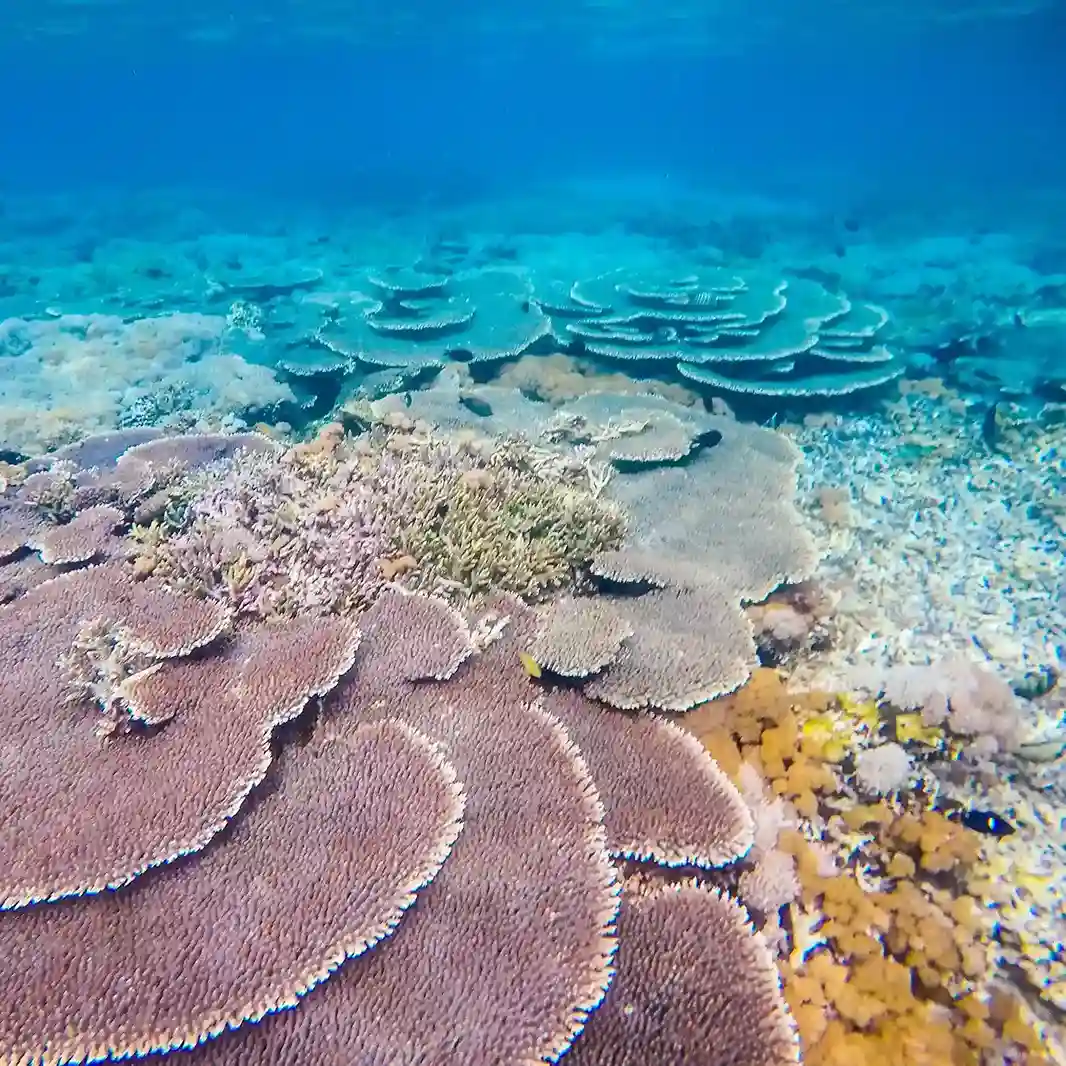
Bidadari Island’s defining characteristic emerges immediately upon arrival, as visitors encounter waters of such crystalline clarity that underwater landscapes appear almost impossibly vivid and detailed. The combination of white sand substrates, minimal terrestrial runoff, and strong oceanic currents creates optical conditions that enable snorkelers and divers to observe subjects at distances and with clarity rivaling the world’s finest underwater destinations. Submerged coral formations, schools of fish, and solitary creatures display themselves with remarkable visibility, creating photographic opportunities and aesthetic appreciation impossible in turbid environments.
The transparency of Bidadari’s waters reflects geological and oceanographic characteristics extending throughout the surrounding region. The white sand beaches and shallow lagoons fronting the island act as natural light reflectors, amplifying the luminosity of underwater environments. This optical clarity transforms even routine snorkeling excursions into remarkable experiences, enabling novice swimmers and young children to observe marine life previously encountered only through aquarium visits or wildlife documentaries. The transformative power of genuine encounters with wild creatures in authentic marine ecosystems creates lasting memories and profound ecological appreciation.
Water temperature at Bidadari Island remains consistently comfortable throughout the year, typically ranging from twenty-seven to twenty-nine degrees Celsius. These warm conditions enable extended snorkeling sessions without temperature-related discomfort, while light wetsuits provide adequate protection from occasional coral abrasions without creating excessive thermal stress. The comfortable thermal environment encourages extended water time, maximizing exploration opportunities and enabling multiple snorkeling sessions per day without physical exhaustion or hypothermia risks.
Visibility patterns at Bidadari follow seasonal rhythms, with the dry season from June through September providing optimal conditions frequently exceeding thirty meters. Shoulder months including April, May, November, and December maintain excellent visibility while attracting fewer visiting tourists. Even during transitional seasons, visibility remains exceptional compared to many global tropical destinations, enabling reliable visual observation throughout the year.
Snorkeling Paradise: Intimate Marine Encounters
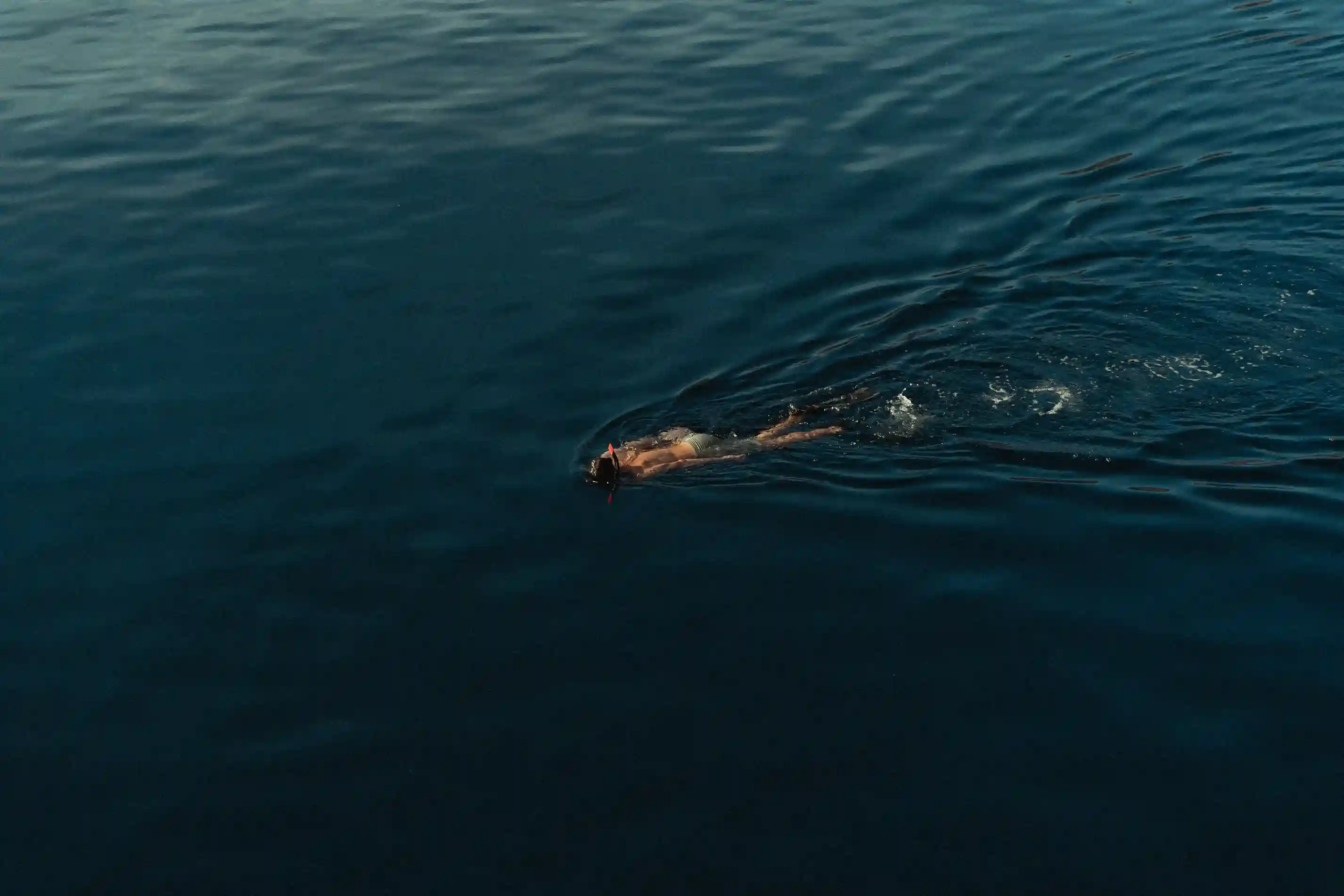
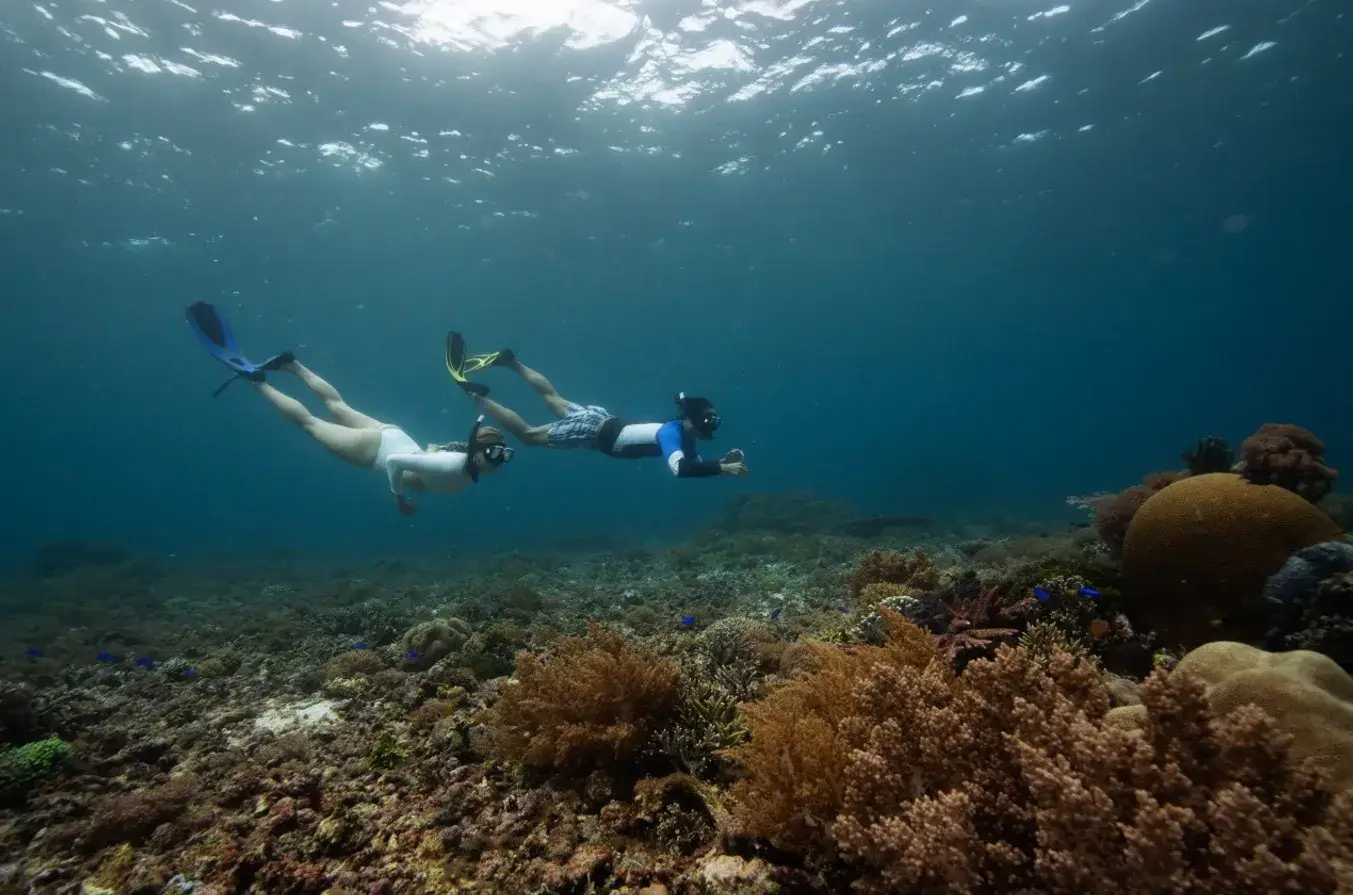
Bidadari Island’s exceptional snorkeling opportunities represent one of the destination’s greatest attractions, particularly for guests prioritizing accessible marine exploration over technical diving activities. The island’s shallow reef systems, rarely exceeding depths of twelve meters, provide ideal snorkeling zones combining safety, accessibility, and remarkable subject diversity. These protected reef environments host vibrant coral communities and abundant fish populations, creating visual spectacles that engage novice and experienced observers alike.
Professional snorkeling guides accompanying expeditions possess intimate knowledge of optimal viewing locations, fish behavior patterns, and seasonal subject availability. Their guidance transforms casual water observation into educational experiences where visitors develop genuine understanding of coral ecology, fish behavior, and the intricate relationships binding marine communities together. Guides maintain appropriate pacing for mixed-ability groups, ensuring that novice swimmers experience genuine comfort while experienced snorkelers access more challenging conditions and distant reef zones.
Family-friendly snorkeling at Bidadari accommodates children and less experienced swimmers through graduated depth zones and supervised exploration. The shallow lagoon areas fronting white sand beaches provide genuinely comfortable conditions for young children experiencing their first snorkeling adventures, while deeper reef zones beyond the shallows offer enhanced subject diversity and photographic opportunities. This graduated system enables entire families to participate in marine exploration at comfort levels matching individual capabilities and confidence levels.
Snorkeling photography at Bidadari benefits from exceptional visibility and abundant subjects positioned within shallow depths. Casual photographers employing basic underwater camera systems capture remarkable images of coral formations and fish species with minimal technical skill required. Serious photographers utilize specialized macro lenses and lighting systems to achieve professional-quality documentation of selected subjects. The accessibility of compelling photographic subjects creates motivation for technical skill development and equipment investment among previously casual photographers.
Coral Restoration Initiatives: Conservation in Action
Bidadari Island functions as an active center for marine conservation efforts, hosting coral restoration programs that demonstrate practical approaches to reef recovery and ecosystem rehabilitation. These initiatives employ multiple methodologies including coral gardening, where coral fragments cultivate in nurseries before transplantation onto degraded reef areas, and active restoration through reef structure installation and sediment management. Visitors encountering these restoration projects develop genuine appreciation for conservation challenges and effective solution strategies, transforming their perspectives on human relationships with marine environments.
The coral restoration programs at Bidadari employ both professional conservation personnel and volunteer participants, enabling visitors to engage directly in conservation activities during their stays. Participation in coral planting, nursery maintenance, or monitoring activities creates transformative experiences connecting tourism expenditures directly to tangible conservation outcomes. Many visitors describe these participation opportunities as highlighting moments of their vacations, providing genuine sense of contribution to ecological recovery efforts extending far beyond their visit periods.
The visible recovery of previously degraded reef areas at Bidadari provides compelling evidence of coral restoration effectiveness, demonstrating that human-assisted recovery remains genuinely possible even in extensively damaged ecosystems. The presence of thriving coral colonies in restoration zones, accompanied by increasing fish populations attracted to rehabilitated habitat, illustrates ecological resilience and the possibility of ecosystem recovery when human efforts receive adequate resources and sustained commitment. This hopeful narrative contrasts with pervasive narratives of irreversible environmental degradation, providing visitors with realistic optimism about conservation possibilities.
Scientific research associated with Bidadari’s restoration programs generates valuable knowledge about coral biology, restoration efficacy, and reef ecosystem dynamics. Educational briefings enabled visitors to understand research methodologies, preliminary findings, and the practical implications of conservation science. This integration of tourism with active scientific research elevates the entire experience beyond passive observation toward meaningful engagement with environmental knowledge generation and conservation practice.
Beach Relaxation: Paradise Perfected
Bidadari Island’s pristine beaches epitomize tropical island imagery, with powdery white sand, crystalline shallow water, and casuarina trees providing shade and natural beauty. The beaches invite relaxation, contemplation, and unhurried appreciation of tropical surroundings without the commercial development or crowding characteristic of mass tourism destinations. The genuine tranquility of Bidadari’s beaches creates genuine respite from the stimulation of underwater exploration and the demands of modern daily life.
Beach activities at Bidadari accommodate diverse preferences and energy levels. Sunbathing in crystalline ocean breezes provides gentle relaxation without temperature extremes associated with land-based desert environments. Swimming in shallow lagoons offers refreshing immersion without the exertion demands of snorkeling expeditions. Leisurely walks exploring the island’s perimeter enable observation of beach vegetation, shorebird species, and the dynamic transitions between terrestrial and marine ecosystems. Reading, creative endeavors, and meditative practices find ideal environments within Bidadari’s peaceful surroundings.
Beach dining experiences at Bidadari often feature freshly caught seafood prepared with regional spices and preparation methods reflecting local culinary traditions. Meals consumed within sight and sound of tropical waves create sensory experiences transcending typical dining occasions. The combination of exceptional cuisine, remarkable surroundings, and unhurried social interaction produces memorable experiences that guests recall fondly for years following their visits.
Evening beach time at Bidadari reveals nocturnal marine and terrestrial creatures including ghostly crabs emerging from burrows, hermit crabs foraging along tide lines, and bats departing from roosting sites for nocturnal foraging expeditions. The visual transitions from daylight to darkness, accompanied by sensory shifts in temperature, humidity, and sound patterns, create profound environmental awareness. Visitors frequently describe these moments as meditative experiences creating genuine connection with natural cycles governing tropical island ecosystems.
Sunset Experiences: Celestial Theater Over the Komodo Sea
Bidadari Island achieves legendary status among luxury travelers for its extraordinary sunset phenomena, where the sun’s descent toward distant horizons transforms the sky, surrounding waters, and island landscape into masterpieces of natural artistry. The optical phenomena created by atmospheric dispersion of solar radiation through water vapor and dust particles produce colors ranging from subtle to dramatically intense, with each evening producing unique variations impossible to predict or duplicate. Photography enthusiasts position themselves strategically to capture these ephemeral moments, knowing that each sunset represents an unrepeatable natural event.
The sensory experience of witnessing Bidadari’s sunsets engages multiple modalities beyond pure visual observation. The tactile experience of cooling ocean breezes, the aural dimension of gentle waves lapping beaches and wildlife vocalizations, and the olfactory notes of tropical vegetation and sea salt create comprehensive sensory engagement. Many visitors describe sunset observation as spiritual experiences, creating emotional resonance that transcends typical vacation activities and producing lasting psychological impact.
Social dynamics surrounding sunset observation at Bidadari frequently create meaningful interpersonal connections among guests and between guests and crew members. The shared experience of witnessing profound natural beauty creates opportunities for genuine human connection, with conversations naturally flowing toward philosophical topics, conservation commitments, and personal transformations catalyzed by immersion in pristine marine environments. These social elements transform sunset observation from individual aesthetic experiences into shared communal events.
Professional photographers recognize Bidadari’s sunset environments as exceptional opportunities for capturing images of stunning natural beauty combined with meaningful human elements. Sunrise experiences, while less famous than sunsets, offer equally remarkable optical phenomena, often with superior visibility and reduced atmospheric particulates creating even greater color saturation. Photography-focused itineraries frequently position guests for optimal sunrise positioning, enabling capture of the day’s beginning with the same artistic intention devoted to sunset moments.
Proximity to Labuan Bajo: Accessibility Meeting Paradise
Bidadari Island’s location in immediate proximity to Labuan Bajo creates exceptional convenience without compromising the island’s essential character as a pristine marine sanctuary. Labuan Bajo serves as the primary gateway community for Komodo National Park access, providing international flight connections through Indonesia’s major airline hubs. The short maritime transit from Labuan Bajo to Bidadari, typically requiring under one hour by conventional vessel or even briefer times aboard faster speedboats, minimizes travel fatigue while enabling sophisticated logistical coordination.
This geographic proximity enables diverse trip architectures accommodating varied traveler preferences. Some visitors allocate time in Labuan Bajo for cultural engagement with local communities, exploration of traditional fishing villages, or acquisition of regional handicrafts before embarking on marine expeditions. Others prefer rapid transitions from airport to liveaboard vessel, minimizing shore time and maximizing marine exploration opportunities. The flexibility accommodates diverse preferences while maintaining Bidadari’s essential character as a marine sanctuary.
Labuan Bajo’s established tourism infrastructure provides sophisticated services supporting luxury travel expectations, including quality restaurants, medical facilities, communication systems, and goods provisioning capabilities. These services remain geographically separate from Bidadari Island, leaving the island free from commercial structures that would compromise its pristine character. This geographic separation preserves Bidadari’s ecological integrity and aesthetic qualities while enabling delivery of sophisticated hospitality services aboard liveaboard vessels.
First Stop on Liveaboard Adventures: Gentle Introduction to the Archipelago
Bidadari Island’s conventional placement as the first destination on Komodo-based liveaboard expeditions reflects its exceptional suitability as an introduction to the archipelago’s marine wonders. The combination of accessible snorkeling, comfortable conditions, and remarkable visual clarity enables guests to transition smoothly from terrestrial routines into marine exploration environments. The relative ease of Bidadari’s experiences contrasts favorably with more challenging conditions at advanced destinations, allowing guests to acclimate to maritime conditions, liveaboard living, and aquatic environments before encountering more rigorous exploration demands.
The typically festive atmosphere characterizing Bidadari visits, combined with the island’s reputation for exceptional beauty and reliability, creates positive psychological frameworks enabling guests to establish comfort with their liveaboard communities and maritime environments. The success of initial Bidadari experiences frequently translates into enhanced appreciation and receptivity to subsequent island destinations, creating cumulative expedition experiences where each location builds upon previous impressions toward comprehensive regional understanding.
Professional liveaboard operators structure initial Bidadari encounters to maximize comfort, introduce safety protocols, and enable guests to establish personal routines supporting wellbeing throughout remaining expedition portions. Briefing sessions address maritime conditions, snorkeling techniques, environmental conservation practices, and regional ecology, providing educational frameworks enabling intelligent appreciation of subsequent experiences. The gradual building of guest knowledge and comfort establishes foundations supporting increasingly sophisticated engagement with complex environments.
Seasonal Considerations and Optimal Visitation Windows
Bidadari Island’s exceptional accessibility and consistent quality render it suitable for visitation throughout the year, though seasonal variations influence specific conditions and wildlife availability. The dry season extending from April through December represents the optimal period for most travelers, with June through September providing the most consistently excellent conditions. During peak season months, trade winds create relatively calm maritime conditions, clear skies maximize visibility, and comfortable water temperatures support extended snorkeling sessions.
Shoulder season months of April, May, November, and December offer remarkable advantages including excellent conditions paired with reduced tourist densities and favorable pricing from accommodation providers seeking to extend operations beyond peak season. The psychological benefit of less crowded snorkeling sites enhances intimacy with marine environments, enabling more focused observation and contemplative appreciation. Wildlife viewing at shoulder season periods often reveals distinct species assemblages compared to peak season, offering naturalistic variation appealing to repeat visitors.
The wet season from January through March presents variable conditions including occasionally reduced visibility and less predictable weather patterns. However, this period appeals to cost-conscious travelers with flexible scheduling, as liveaboard pricing typically reaches annual minimums during these months. Certain marine species display seasonal presence variations during transition periods, creating opportunities for specialized wildlife observation unavailable during other seasons.
Practical Information for Planning Bidadari Expeditions
Visitors planning expeditions incorporating Bidadari Island should undertake thorough preparation ensuring optimal experiences. Obtaining comprehensive travel insurance covering maritime activities provides essential financial protection and peace of mind regarding potential medical situations. Ensuring passport validity extending minimum six months beyond travel dates, along with acquiring necessary visa documentation for Indonesia, establishes legal authorization for entry and residence.
Physical preparation prior to departure enhances comfort during maritime transit and extended snorkeling sessions. While snorkeling requires no formal certification and minimal physical conditioning beyond basic swimming ability, cardiovascular conditioning and strength training enhance comfort and enjoyment. Individuals with limited swimming experience benefit from refreshing basic swimming techniques before departure, gaining confidence that translates into more comfortable snorkeling participation.
Packing essentials include high-quality snorkeling equipment with well-fitting masks and comfortable fins, reef-safe sunscreen formulated without harmful chemicals damaging coral ecosystems, and protective clothing for sun exposure. Waterproof bags protect personal belongings from saltwater exposure, while medications for common tropical ailments including digestive disorders and motion sickness address potential discomforts. Underwater photography equipment requires special consideration regarding protection from saltwater corrosion.
Budget considerations for Bidadari-inclusive expeditions vary depending on liveaboard quality, group size, and itinerary specifics. Luxury liveaboard packages typically include accommodation, meals, snorkeling guidance, conservation contributions, and expedition transportation. Comparing multiple operators ensures alignment with personal preferences regarding group size, vessel amenities, itinerary composition, and pricing structures.
Connectivity to the Broader Komodo Archipelago
Bidadari Island’s strategic location within the Komodo National Park establishes seamless connectivity with numerous complementary destinations, each offering distinct ecological and experiential characteristics. Nearby Kelor Island presents distinct geological formations and alternative snorkeling environments, while Kanawa Island offers complementary beach and marine experiences. Comprehensive liveaboard trips frequently incorporate multiple destinations within integrated itineraries, creating narratives that connect the region’s diverse marine and terrestrial ecosystems.
The progression from Bidadari’s accessible snorkeling toward more challenging diving destinations including Sebayur Island and advanced sites enables guest skill development and graduated environmental exposure. This architectural approach to expedition itineraries introduces guests to the archipelago systematically, building knowledge, comfort, and appreciation across extended expeditions. Our comprehensive destinations guide provides detailed information about all regional options, enabling customization according to personal interests and conservation priorities.
Whether focusing exclusively on Bidadari’s accessible snorkeling or combining multiple destination experiences, our booking process accommodates diverse preferences while maintaining commitment to environmental conservation. The diving information section provides technical details about activities available across the region, while liveaboard trip descriptions outline typical itineraries and logistical arrangements enabling informed decision-making.
Is Bidadari Island suitable for non-swimmers or inexperienced swimmers?
Bidadari’s shallow lagoon areas accommodate visitors with limited swimming experience through graduated depth zones and supervised exploration. Professional guides maintain close proximity to less confident swimmers, providing reassurance and practical assistance as needed. The calm water conditions, excellent visibility, and comfortable temperatures create genuinely secure snorkeling environments. Many non-swimmers report that Bidadari’s conditions enabled their first successful snorkeling experiences, opening pathways toward enhanced marine appreciation and confidence.
What marine creatures will visitors encounter at Bidadari?
Bidadari’s snorkeling zones host vibrant fish communities including parrotfish, butterflyfish, angelfish, damselfish, and numerous other species. Coral formations display extraordinary diversity, from branching acropora to massive porites colonies. Occasionally, larger marine creatures including reef sharks, turtles, and rays visit the area, creating exciting surprise encounters. The specific species present varies seasonally and based on individual dive locations within the island’s reef system.
What makes Bidadari’s sunsets so exceptional?
Bidadari’s geographic orientation and atmospheric conditions create optimal circumstances for spectacular sunset optical phenomena. The sun’s descent toward distant ocean horizons, combined with atmospheric particles dispersing solar radiation, produces colors ranging from subtle pastels to dramatic intensities. Each sunset represents a unique event depending on cloud patterns, atmospheric conditions, and season-specific characteristics. Professional photographers recognize Bidadari’s sunsets as world-class opportunities for capturing natural beauty.
How does Bidadari compare to other Komodo destinations?
Bidadari excels as an accessible introduction to the archipelago, combining remarkable beauty with minimal technical requirements or physical demands. Sebayur Island offers more advanced diving and specialized macro photography opportunities, while other destinations provide distinct ecological characteristics and wildlife encounters. Most comprehensive expeditions incorporate Bidadari as the initial destination, creating positive experiences that establish foundations for appreciation of increasingly complex subsequent environments.
What coral restoration initiatives can visitors participate in?
Bidadari’s active coral restoration programs enable visitor participation in coral planting, nursery maintenance, and monitoring activities. These opportunities enable direct contribution to ecological recovery efforts, transforming abstract conservation concepts into tangible participation. Participation typically requires minimal formal training, as experienced conservation personnel provide comprehensive instruction and supervision. Many visitors describe these experiences as highlights of their vacations, providing genuine sense of meaningful conservation contribution.
What should visitors bring for comfortable snorkeling at Bidadari?
Essential items include a well-fitting snorkel mask, comfortable fins providing secure but non-restrictive footwear, and reef-safe sunscreen protecting skin from UV radiation without damaging coral ecosystems. A rash guard or light wetsuit provides protection from coral abrasions and UV exposure, while a waterproof bag protects personal belongings from saltwater exposure. Prescription glasses wearers benefit from obtaining corrective lenses compatible with their snorkel masks, enabling clear underwater vision.
How accessible is Bidadari Island from Labuan Bajo?
Bidadari Island sits in immediate proximity to Labuan Bajo, typically requiring less than one hour maritime transit by conventional vessel. This exceptional accessibility enables straightforward logistical arrangements, with visitors arriving at Labuan Bajo airport and transferring directly to liveaboard vessels for rapid positioning at the island. The minimal travel time minimizes jet lag effects and transit fatigue, enabling guests to commence snorkeling within hours of airport arrival.
What’s the best time to visit Bidadari Island?
June through September represents peak season with optimal weather, calmest sea conditions, and highest water temperatures. April, May, November, and December offer excellent conditions paired with reduced tourist densities, creating advantages for guests prioritizing solitude and intimate marine experiences. Even during transitional seasons, conditions remain exceptional compared to many global destinations. Bidadari’s reliable quality renders it suitable for year-round visitation.