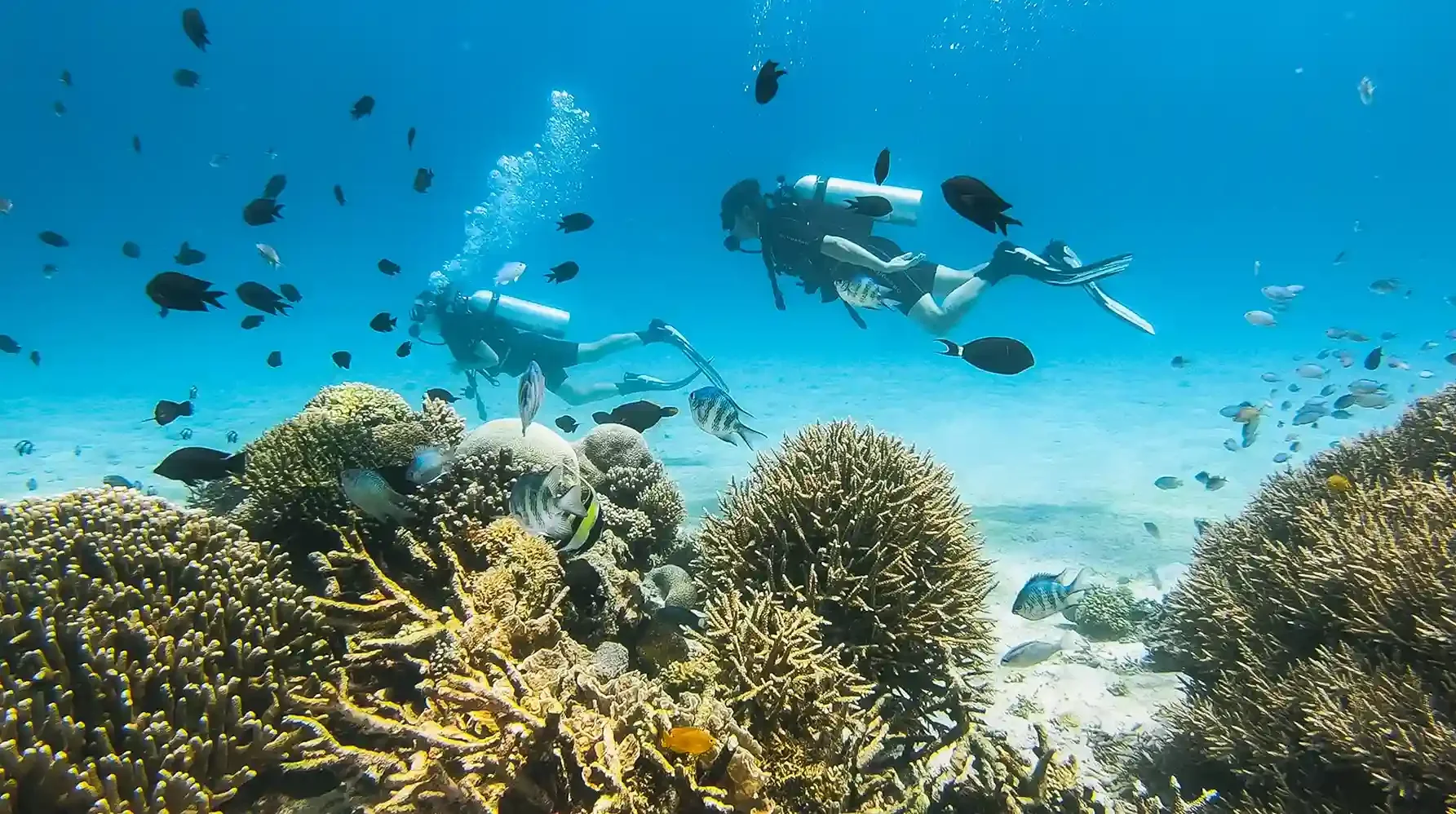
Komodo Diving Liveaboard — World-Class Underwater Adventures

Quick Answer: Komodo diving liveaboard offers unparalleled underwater experiences with pristine coral reefs, powerful drift dives, abundant manta rays, and world-class marine biodiversity. Operating year-round with PADI-certified instruction, our expeditions cater to beginners through advanced divers, featuring some of the planet’s most dynamic dive sites including Castle Rock, Batu Bolong, and Manta Alley.

Why Choose a Komodo Diving Liveaboard?

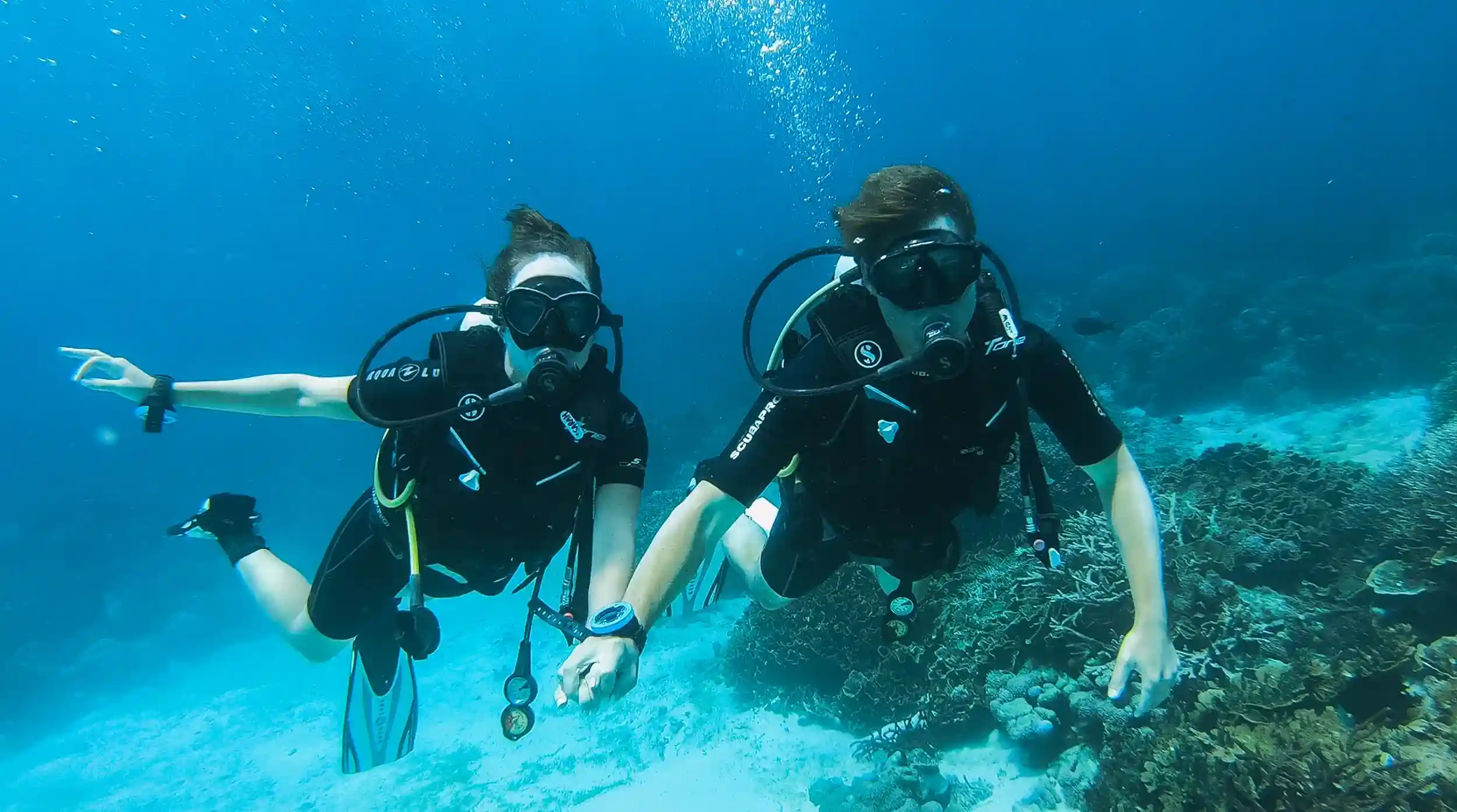
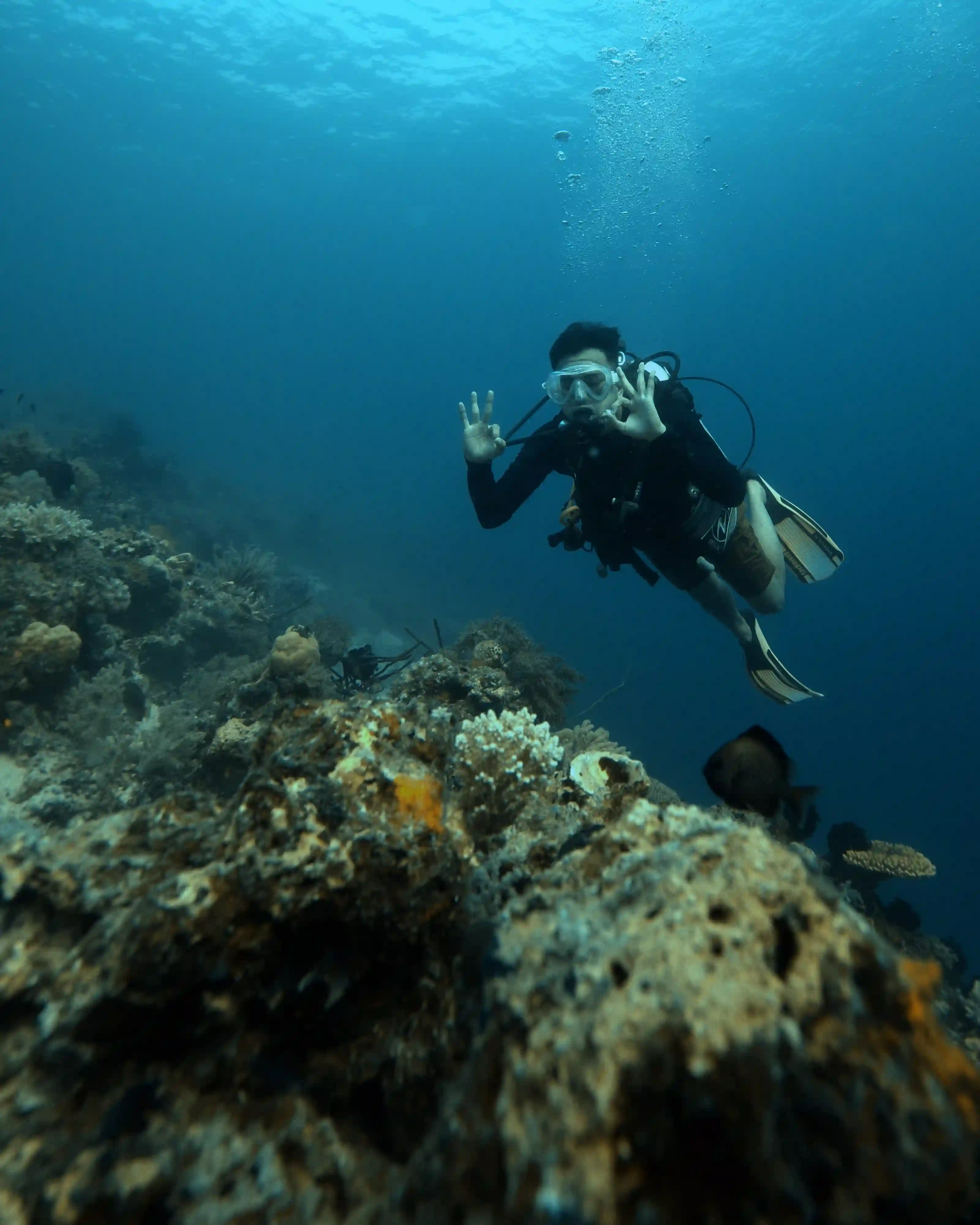
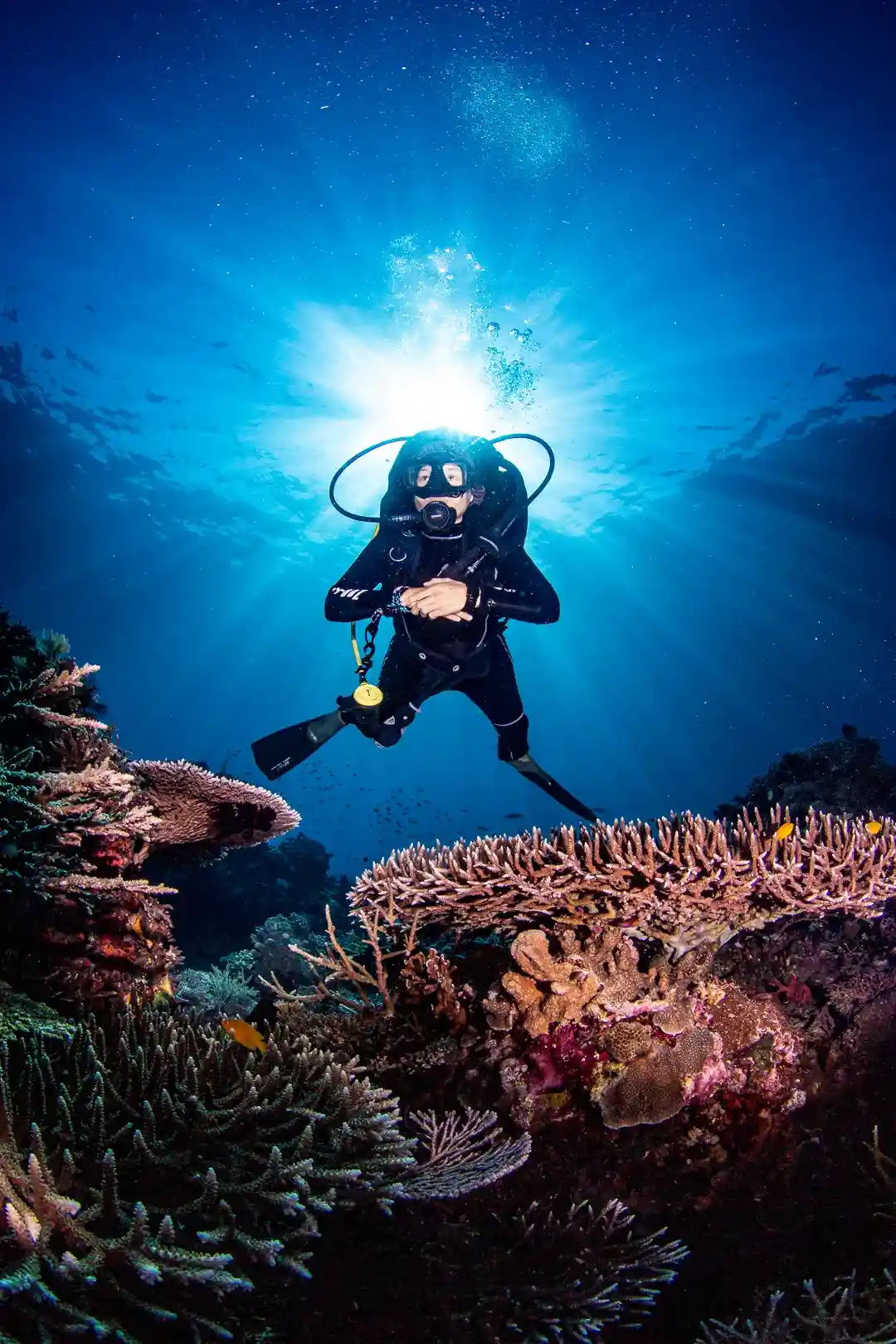
The komodo diving liveaboard experience represents the pinnacle of underwater adventure in Southeast Asia. Located within the Coral Triangle—Earth’s biodiversity hotspot—the waters surrounding Komodo Island host an extraordinary concentration of marine species, dramatic underwater topography, and pristine coral ecosystems. Unlike land-based diving operations, a dedicated komodo scuba diving liveaboard immerses you completely in the aquatic environment, allowing multiple daily dives, extended bottom times, and access to remote, rarely-visited dive sites.

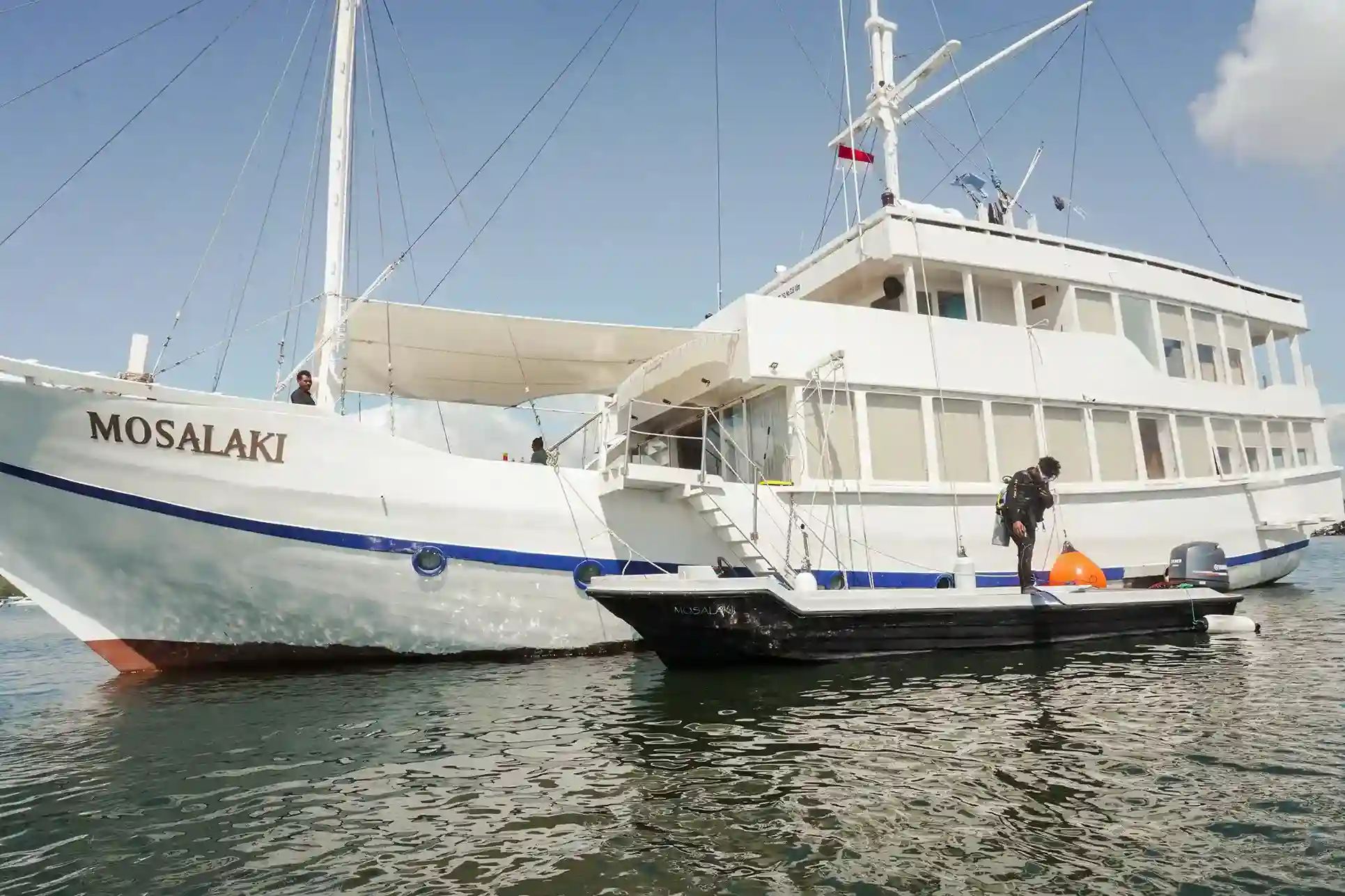
Our fleet of luxury liveaboard vessels eliminates daily commutes, providing comfortable accommodations, expert guidance, and seamless diving operations. Whether you’re pursuing your first open water certification or seeking the ultimate komodo dive trip for advanced exploration, a liveaboard platform maximizes your underwater time.

Top Komodo Dive Sites

  • Castle Rock: Dramatic pinnacle renowned for powerful currents and exceptional fish aggregations. Suitable for intermediate to advanced divers
  • Batu Bolong: Submerged rock formation featuring multiple depth tiers and consistent marine megafauna sightings
  • Crystal Rock: Intricate coral formations with crystalline water clarity, perfect for underwater photography
  • Manta Alley: Ultimate destination for komodo manta diving with predictable seasonal encounters

Diving Conditions by Season

Wet Season (November – March)

Increased water movement, visibility 5-25 meters. Peak manta ray season with concentrations around cleaning stations. Stronger currents ideal for advanced drift diving.

Dry Season (April – October)

Calm seas, superior visibility (15-40 meters), water temperatures 26-28°C. Peak season for underwater photography and leisurely reef exploration.

Certifications Required

PADI Open Water (OWD): Foundation for recreational diving to 18 meters. Many sites accommodate open water divers under supervision.

Advanced Open Water (AOW): Permits independent diving to 30 meters, opening additional sites with dramatic topography.

Specialty Certifications: Nitrox, deep diving, drift diving courses available onboard during liveaboard expeditions.

Diving for Beginners vs Advanced

Beginners: Controlled environments, shallow reefs, minimal currents. Onboard Open Water certification courses available with small instructor-to-student ratios.

Advanced: Technically demanding sites with powerful currents, dramatic depth variations, and spectacular pelagic encounters. Castle Rock embodies advanced diving excellence. Exceptional buoyancy control and current awareness required.

Equipment & Gear

  • Wetsuit: 3-5mm for water temperatures 24-29°C
  • BCD & Regulators: Available for rental or bring your own
  • Dive Computers: Essential for multiple daily dives
  • Lights: High-powered torches for deeper exploration and night diving
  • Photography Equipment: Compact housings, macro lenses, wide-angle optics, and underwater lighting

Understanding Komodo Diving Conditions

Komodo’s underwater environment presents unique diving conditions shaped by its position within the Coral Triangle and proximity to major ocean current systems. The dramatic topography creates varied conditions suitable for all experience levels, from gentle coral gardens to challenging drift diving.

Visibility and Water Clarity

Visibility varies significantly by season and location. During the dry season (April-October), waters surrounding Crystal Rock and Batu Bolong offer exceptional clarity reaching 15-40 meters, providing ideal conditions for wide-angle photography and spotting pelagic species. The wet season (November-March) typically features reduced visibility of 5-25 meters due to increased plankton abundance, which ironically attracts larger marine life including massive manta ray congregations at cleaning stations.

Water Temperature and Thermal Conditions

Komodo waters remain consistently warm year-round, with temperatures ranging between 24-29°C depending on season and dive site. The dry season sees slightly warmer waters (26-28°C), while the wet season experiences cooler temperatures due to upwelling currents bringing nutrient-rich deeper water to the surface. This thermal variability fuels the region’s exceptional productivity and biodiversity. Even during cooler months, a 3-5mm wetsuit provides adequate thermal protection for all-day diving on our liveaboard vessels.

Current Systems and Drift Diving

Komodo’s most distinctive diving characteristic involves powerful ocean currents that shape daily diving operations. These currents, driven by seasonal monsoon patterns and complex oceanographic forces, create world-class drift diving opportunities. Sites like Castle Rock are renowned for current-swept pinnacles that concentrate fish life and pelagic megafauna. Strong currents typically occur during the wet season (November-March), making drift diving technically demanding yet spectacularly rewarding. Divers developing drift diving proficiency through specialized training on our expeditions experience some of the planet’s most dynamic underwater scenery. Current-aware navigation, exceptional buoyancy control, and buddy discipline remain essential safety requirements for advanced current diving.

Certification Pathways for Komodo Diving

Komodo diving welcomes participants across the entire certification spectrum, from absolute beginners to advanced technical divers. Our commitment to individualized progression ensures everyone experiences appropriately-challenging dives within their skill level.

Beginner-Friendly Certification Programs

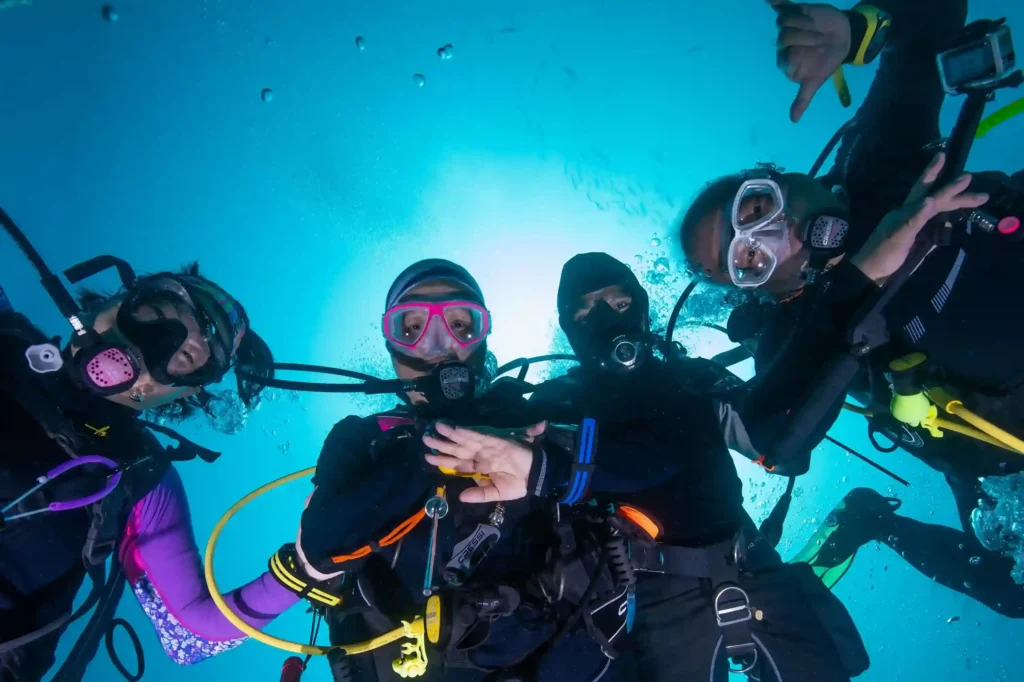
Uncertified divers frequently join our liveaboard expeditions and complete their PADI Open Water Certification onboard. This intensive 3-4 day course combines classroom instruction, confined water training, and supervised open water dives within safe, shallow environments. Our PADI-certified instructors maintain exceptionally small instructor-to-student ratios, typically 1:2 or 1:3, ensuring personalized attention and confidence building. Shallow reefs feature minimal currents and abundant small marine life, creating ideal learning environments. Upon certification completion, new divers gain access to deeper sites and participate fully in subsequent expedition dives.

Progressive Skill Development

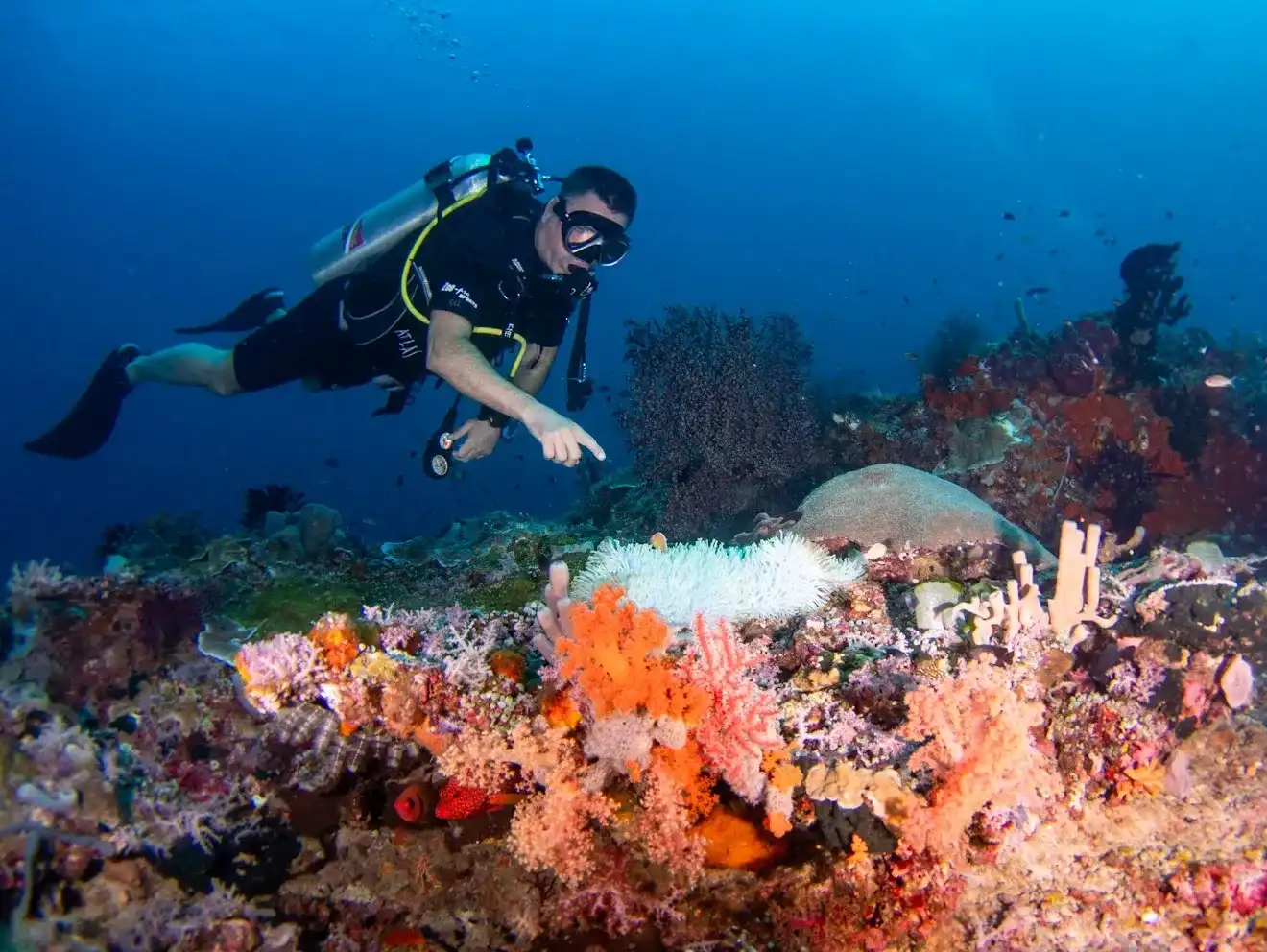
Beyond foundational Open Water certification, divers develop specialized competencies through onboard specialty courses. Our drift diving specialty enables safe participation at current-swept sites including Castle Rock, Manta Alley, and others within the Komodo archipelago. Deep diving specialization permits exploration beyond 30 meters, accessing dramatic topography and specialized ecosystems. Nitrox training extends bottom times, enhancing reef exploration and macro photography opportunities. Many divers combine multiple specialties across different expeditions, progressively expanding their underwater capabilities and site access.

Komodo’s Marine Life Wonders

The extraordinary concentration of marine megafauna and biodiversity represents Komodo’s defining diving appeal. Few locations globally rival Komodo’s combination of large pelagic encounters, pristine coral ecosystems, and specialized macro habitat exploration.

Manta Rays and Pelagic Megafauna

Manta Alley epitomizes Komodo diving’s most celebrated encounters. During peak season (November-March), nutrient upwelling creates massive plankton blooms that concentrate manta rays by the dozens at cleaning stations. Observing these graceful giants gliding inches overhead represents an unforgettable moment for most divers. Beyond mantas, divers regularly encounter reef sharks, tuna schools, barracuda formations, and occasional larger pelagic species. Our comprehensive marine life guide details seasonal species availability and behavioral patterns.

Sharks, Turtles, and Reef Diversity

Shark diversity throughout Komodo diving areas includes gray reef sharks, blacktip reef sharks, and occasional whitetip and hammerhead species. These encounters underscore Komodo’s designation as a planetary marine biodiversity hotspot. Green sea turtles and hawksbill turtles frequent coral gardens, often permitting close observation of these iconic reptiles. Massive fish aggregations schooling in current zones create breathtaking visual spectacles, while colorful reef fish populations support vibrant ecosystem photography.

Macro Photography and Specialized Ecosystems

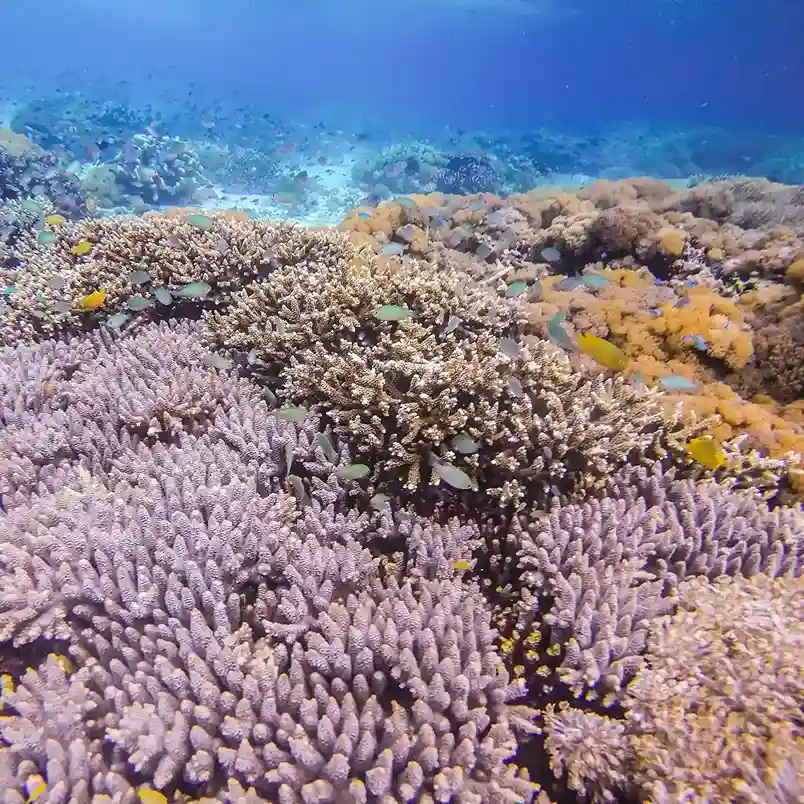
Beyond large marine life, Komodo’s spectacular macro environment reveals intricate invertebrate biodiversity. Nudibranchs in extraordinary color varieties, decorated crabs, shrimp species, and specialized coral reef inhabitants captivate macro photographers. Soft coral gardens and hard coral formations create layered ecosystem complexity rarely encountered elsewhere. Night diving reveals entirely different species assemblages and behavioral patterns, transforming familiar daytime sites into mysterious nocturnal environments.

Ready to experience Komodo’s diving paradise? Explore our available expedition packages, review booking options, and join thousands of divers who have discovered why Komodo represents the ultimate dive liveaboard destination.

Marine Life Encounters

  • Manta Rays: Seasonal aggregations create iconic encounters at cleaning stations
  • Sharks: Reef sharks, gray reef sharks, and occasional larger species
  • Sea Turtles: Green and hawksbill turtles frequent coral gardens
  • Fish Aggregations: Massive schooling formations in nutrient-rich current zones
  • Nudibranchs & Macro Life: Exceptional invertebrate diversity for macro photography
  • Coral Ecosystems: Hard and soft coral formations supporting intricate ecological relationships

Diving Packages & Pricing

  • 3-Day Expeditions: 8-12 dives, foundational marine encounters. Starting from $1,295/person
  • 5-Day Immersions: 15-18 dives across diverse environments. Starting from $2,195/person
  • 7-Day Advanced Programs: 20-24 dives, remote locations and technical training. Starting from $3,195/person

Detailed pricing at our pricing page. Book your dive trip today.

Frequently Asked Questions

What is the best time to dive Komodo for manta rays?

The manta diving season peaks November through March when nutrient-rich upwelling concentrates plankton and attracts manta ray aggregations. Dry season (April-October) provides superior visibility but reduced manta encounters.

Do I need to be certified before joining?

Pre-existing PADI Open Water certification enables immediate participation. Uncertified participants can complete certification onboard (3-4 days) through our PADI-certified instructors.

What is drift diving and is it safe?

Drift diving involves descending into currents for propulsion across dive sites while maintaining depth control. With proper training, buddy discipline, and experienced guidance, it’s entirely safe. Requires Advanced Open Water certification.

How many dives are included?

3-day expeditions: 8-12 dives. 5-day programs: 15-18 dives. 7-day expeditions: 20-24 dives. See our pricing page for exact quantities per package.

Is komodo diving suitable for beginners?

Yes. We emphasize controlled environments, experienced instructor supervision, shallow reef explorations, and graduated difficulty progression. Many participants complete certification aboard our liveaboards. Small instructor-to-student ratios ensure personalized guidance.

What certifications open advanced dive sites?

Advanced Open Water permits 30-meter dives. Rescue Diver and Master Scuba Diver unlock specialized sites. Deep Diver and Drift Diver specialties available onboard during your trip.

What equipment rental is available?

Our fleet vessels provide comprehensive rental: regulators, tanks, BCDs, computers, wetsuits, and specialized items. Equipment meets international safety standards with rigorous maintenance.

How does a liveaboard compare to land-based diving?

Liveaboards eliminate daily commuting, provide 3-5 dives daily (vs 2 from land), enable access to remote pristine sites, and deliver fully-immersive maritime environments. Superior value for serious dive enthusiasts.

What underwater photography support is available?

Photography-focused dives with trained photo guides, composition assistance, lighting optimization, and evening image review sessions. Equipment rental available through fleet partner services.

What marine life safety considerations exist?

Komodo marine life respects divers maintaining appropriate distances. Sharks, mantas, and turtles pose virtually no danger to properly-behaved visitors. Follow divemaster guidance for harmonious underwater coexistence.

Explore our liveaboard trip options, review pricing, examine fleet specifications, and book your diving adventure today.

Ready to Explore Komodo?

Start planning your luxury liveaboard adventure through Komodo National Park. Our team is ready to craft your perfect voyage.

WhatsApp Bali Medical Concierge