Grey Reef Shark Encounters
Grey reef sharks are virtually guaranteed at Castle Rock, with five to twenty individuals often visible on a single dive, hunting with unusual boldness close to divers.
View Marine Life Guide
Quick Answer: Castle Rock is Komodo’s most intense dive site—a submerged seamount with near-vertical walls rising from 60+ meters that draws massive grey reef shark schools and hunting giant trevally. It demands advanced diving skills for strong currents and limited visibility, and is best dived May–November by liveaboard.
Castle Rock is a submerged seamount rising near-vertically from depths beyond 60 meters to an apex just 5 meters below the surface, its jagged basalt peaks forming the castle-like silhouette that gives the site its name.
Recreational dives run 25–40 meters, with currents that regularly reach 2–3 knots and spike past 4 knots on spring tides, concentrating enormous schools of fish against the rock.
What sets it apart is sheer predator density—grey reef sharks approach divers directly here, and giant trevally drive schooling fish into frenzied, tornado-like formations found at few other sites on Earth.
Four things define a dive here: guaranteed sharks, hunting trevally, a dramatic seamount, and currents that reward only the well-prepared.
Grey reef sharks are virtually guaranteed at Castle Rock, with five to twenty individuals often visible on a single dive, hunting with unusual boldness close to divers.
View Marine Life GuideGiant trevally drive dense schools of fusiliers and jacks into spinning, tornado-like formations—a predator-prey spectacle that plays out on almost every dive.
Explore All Dive SitesNear-vertical walls rise from 60+ meters to a 5-meter apex, generating currents of 2–4 knots that run stronger and less predictably than at nearby Batu Bolong.
Compare with Batu BolongVisibility of 8–20 meters actually improves flash photography, scattering light for dramatic wide-angle shots of shark aggregations and schooling fish.
Explore Diving & Snorkeling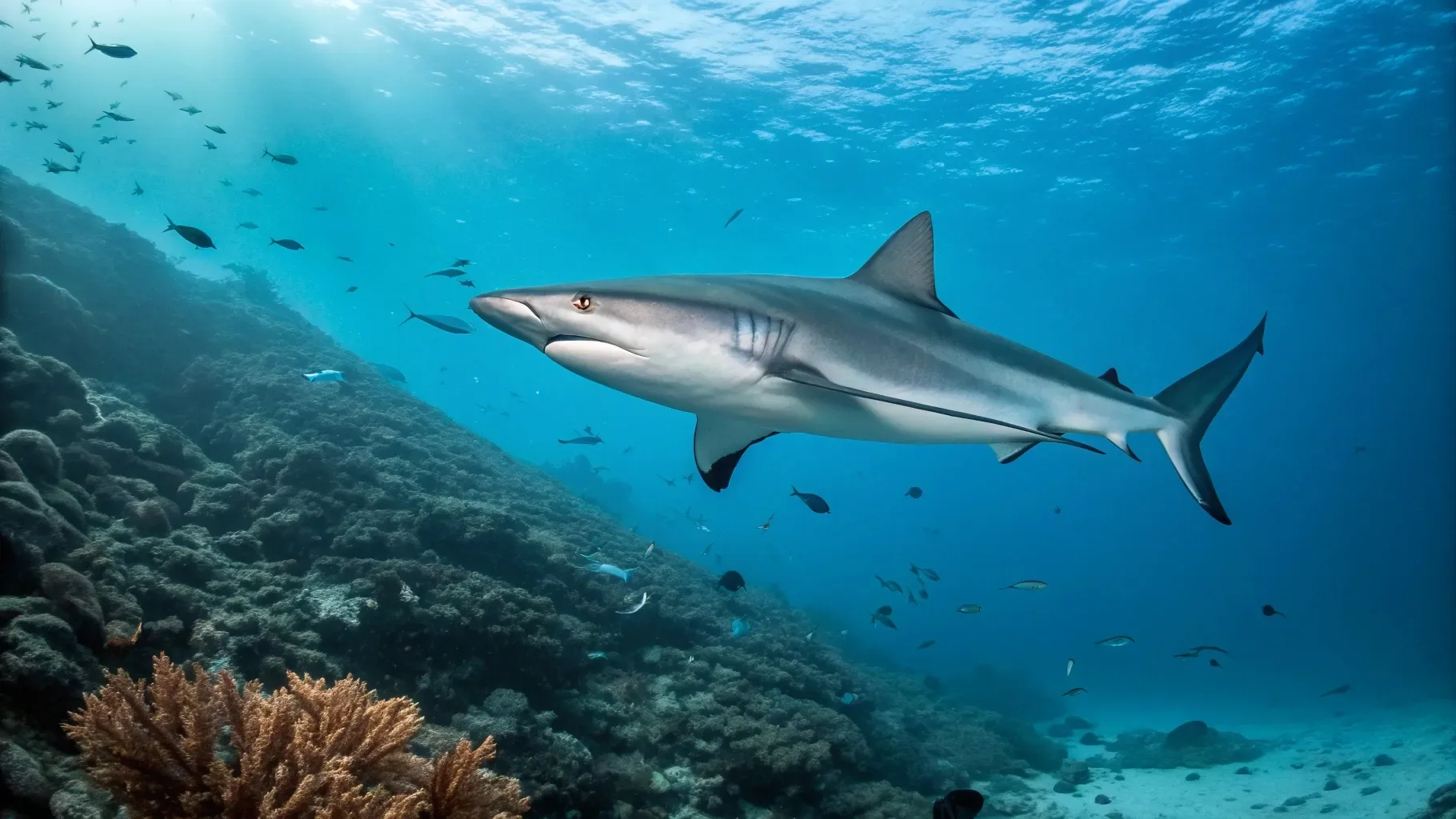
Castle Rock’s extreme currents demand the flexibility only a liveaboard can offer: crews read tides and visual cues overnight, then launch the moment conditions turn favorable, often limiting the site to one or two attempts per voyage.
Reputable itineraries build up to Castle Rock rather than opening with it, sequencing dives at moderate sites like Batu Bolong first, often pairing this advanced finale with the nearby Gili Lawa area.
Rescue Diver certification is the minimum, though Divemaster or technical training is far more appropriate. Guides expect excellent buoyancy and air management, and may decline divers who don’t show genuine comfort in strong current.
Both sites have strong currents and abundant marine life, but Castle Rock’s near-vertical topography, faster currents, less reliable visibility, and much higher shark density make it noticeably more intense. Most divers work up to Castle Rock after diving Batu Bolong first.
Grey reef shark sightings are virtually guaranteed, with five to twenty individuals commonly visible at various depths across a single dive. Encounters are rarely brief—the sharks’ hunting focus often brings them close to divers.
Recreational dives typically run 25–40 meters, with the seamount’s apex around 5 meters below the surface and its base beyond 60 meters. Your guide sets firm turnaround depths during the pre-dive briefing.
Yes—shark aggregations and schooling fish against dramatic topography make for strong wide-angle compositions, while smaller species reward macro shooters. The site’s reduced visibility often enhances flash photography rather than hurting it.
It’s technically possible with the right certifications, but it isn’t recommended or typical. Most operators sequence a few dives at moderate Komodo sites first so you can adjust to local conditions before attempting Castle Rock.
Currents typically run 1.5–2.5 knots in optimal season, with 2–3 knots common and spring tides pushing past 3–4 knots. Successful diving here means using the current to position yourself rather than fighting it.
Unlike feeding-based shark dives elsewhere, Castle Rock’s shark aggregations form naturally around abundant prey, producing unmanipulated behavior. The shark density here rivals those famous destinations, in a rawer, less controlled setting.
Independent planning guides for Komodo National Park liveaboard trips, updated for the 2027 season.
Boats and departures are operated by Komodo Luxury — a registered Indonesian PT under Juara Holding Group Limited with 1,500+ verified guest reviews (4.9/5).