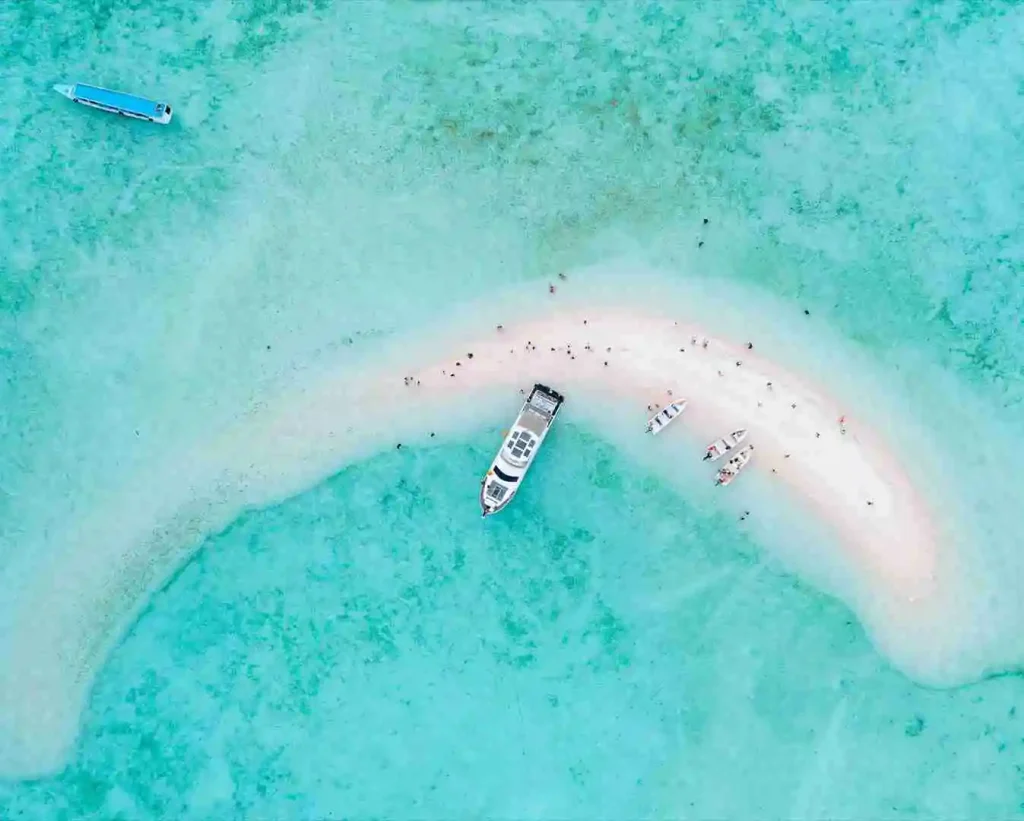
The curved white sandbar of Taka Makassar in turquoise water with a phinisi anchored nearby
Destinations

Taka Makassar — The Disappearing Sandbar of Komodo

Quick Answer: Taka Makassar is a mesmerizing submerged sandbar in Komodo National Park that emerges and disappears with the tides, one of the most photogenic natural phenomena in Indonesia. It’s best experienced aboard a luxury liveaboard timed to the tidal cycle, rewarding visitors with exceptional snorkeling, manta ray encounters, and unforgettable photography.

The Enchanting Disappearing Sandbar of Komodo

Set within Komodo National Park, Taka Makassar is a constantly shifting underwater landscape—fine white coral sand that appears and vanishes with the rhythm of the ocean.

At high tide it lies completely submerged beneath one to three meters of crystalline water; as the tide recedes, a pristine sand island gradually surfaces, ringed by shallow turquoise lagoons.

Spring tides around the full and new moon bring the most dramatic emergence, and reading these patterns well is what separates experienced liveaboard operators from standard tour boats.

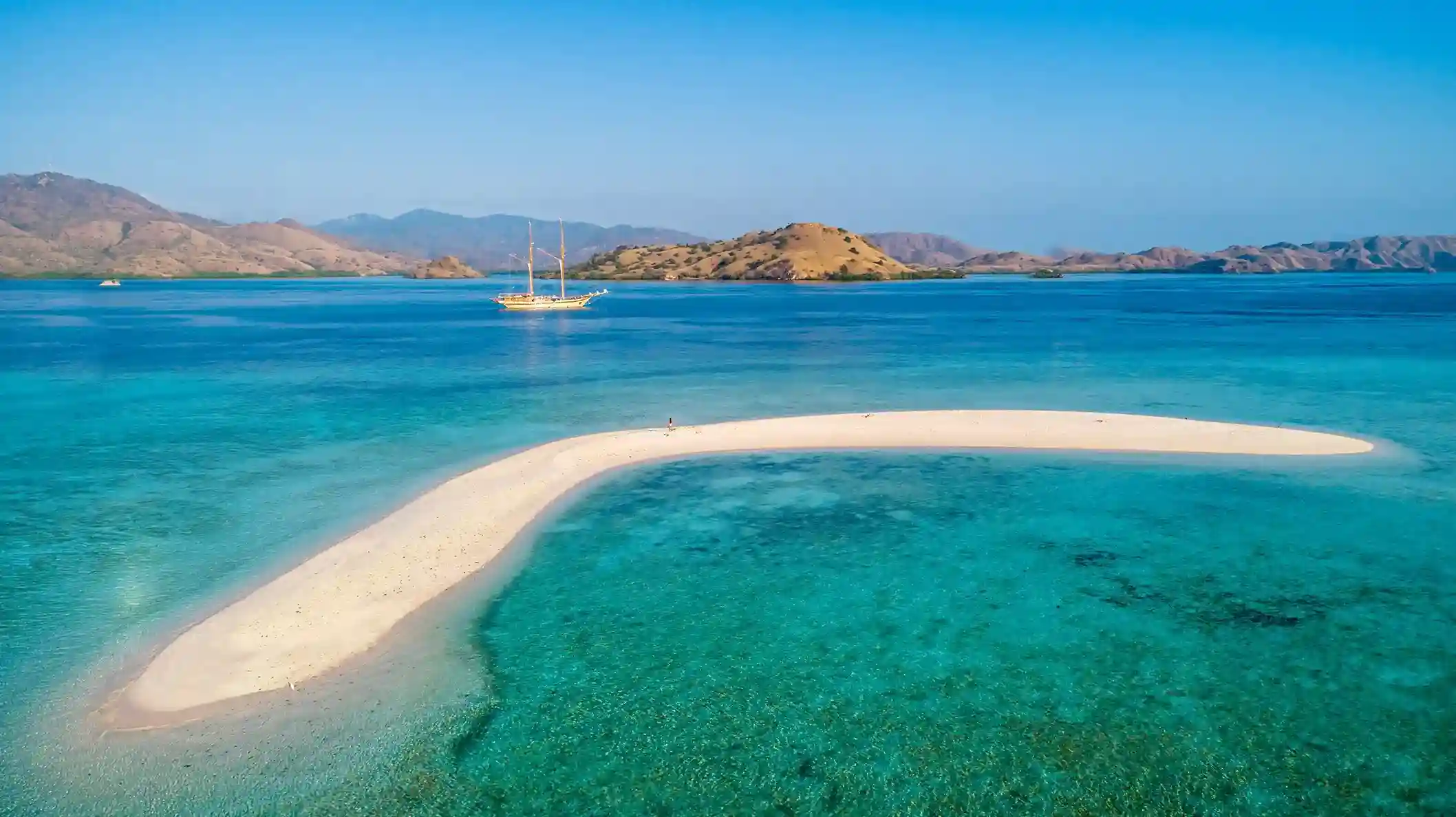
Sunset seascape near Taka Makassar with a liveaboard anchored offshore
Signature experiences

The Taka Makassar Experience

From a sandbar that vanishes with the tide to feeding aggregations of manta rays, Taka Makassar delivers Komodo’s most photogenic day at sea.

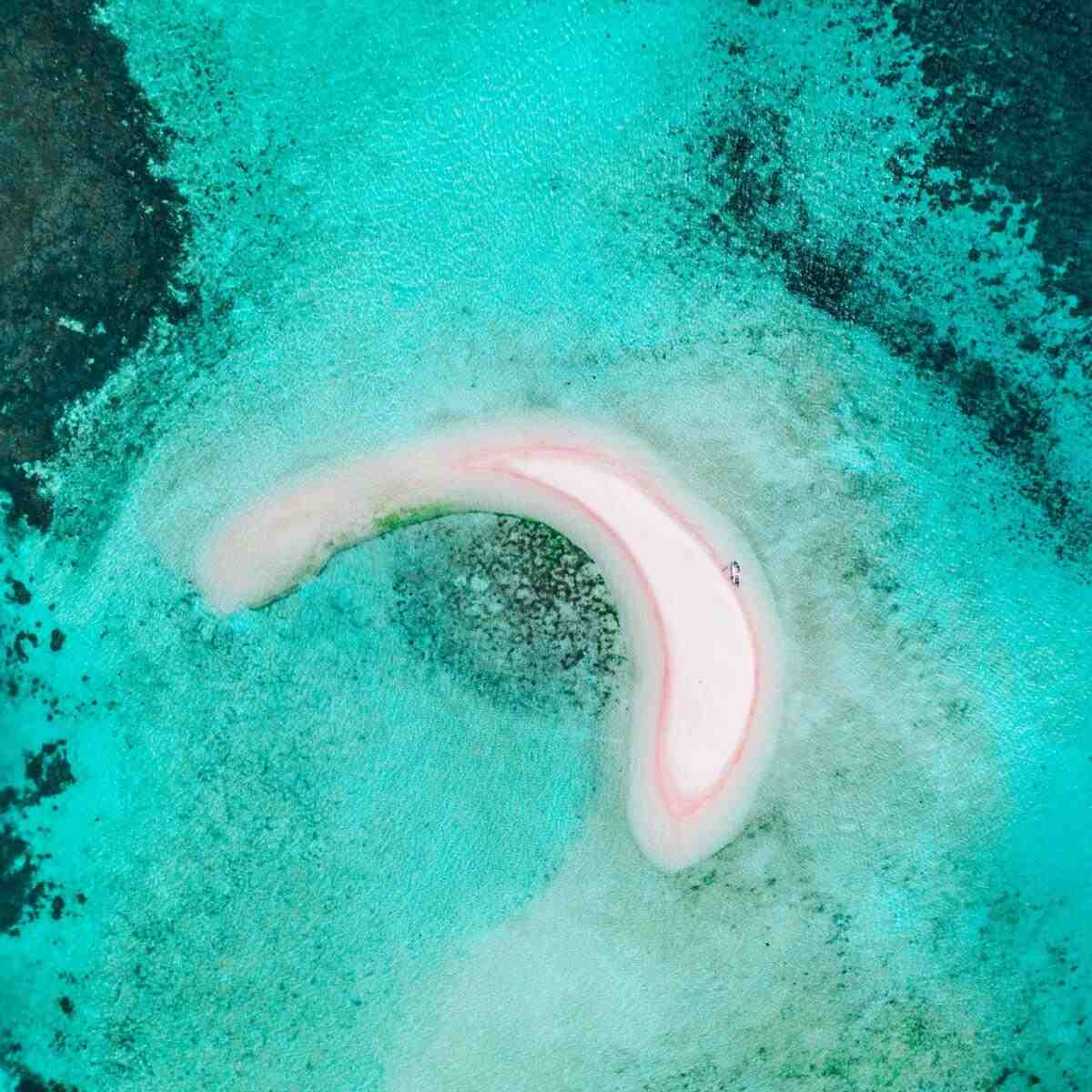
The Taka Makassar sandbar exposed at low tide

The Disappearing Sandbar

Timed two to three hours either side of low tide, this curved white sand formation rises from the sea then vanishes again as the water returns—most dramatic during spring tides around the full and new moon.

Discover Destinations
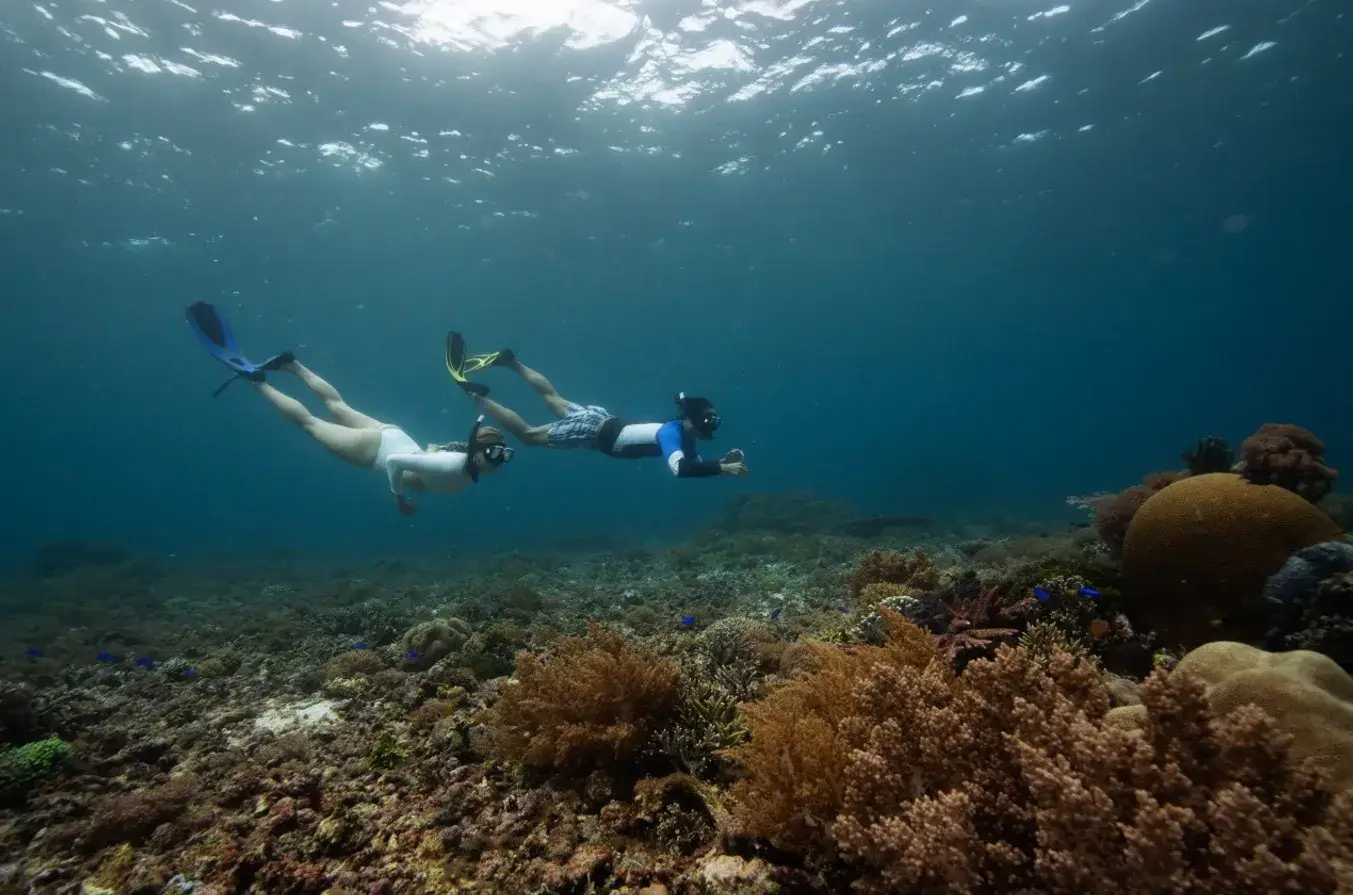
Snorkelers over coral reef near Taka Makassar

World-Class Snorkeling

Shallow water of one to five meters and visibility exceeding thirty meters make the reef around the sandbar ideal for snorkelers of every level, from parrotfish and surgeonfish to passing rays.

Explore Diving & Snorkeling
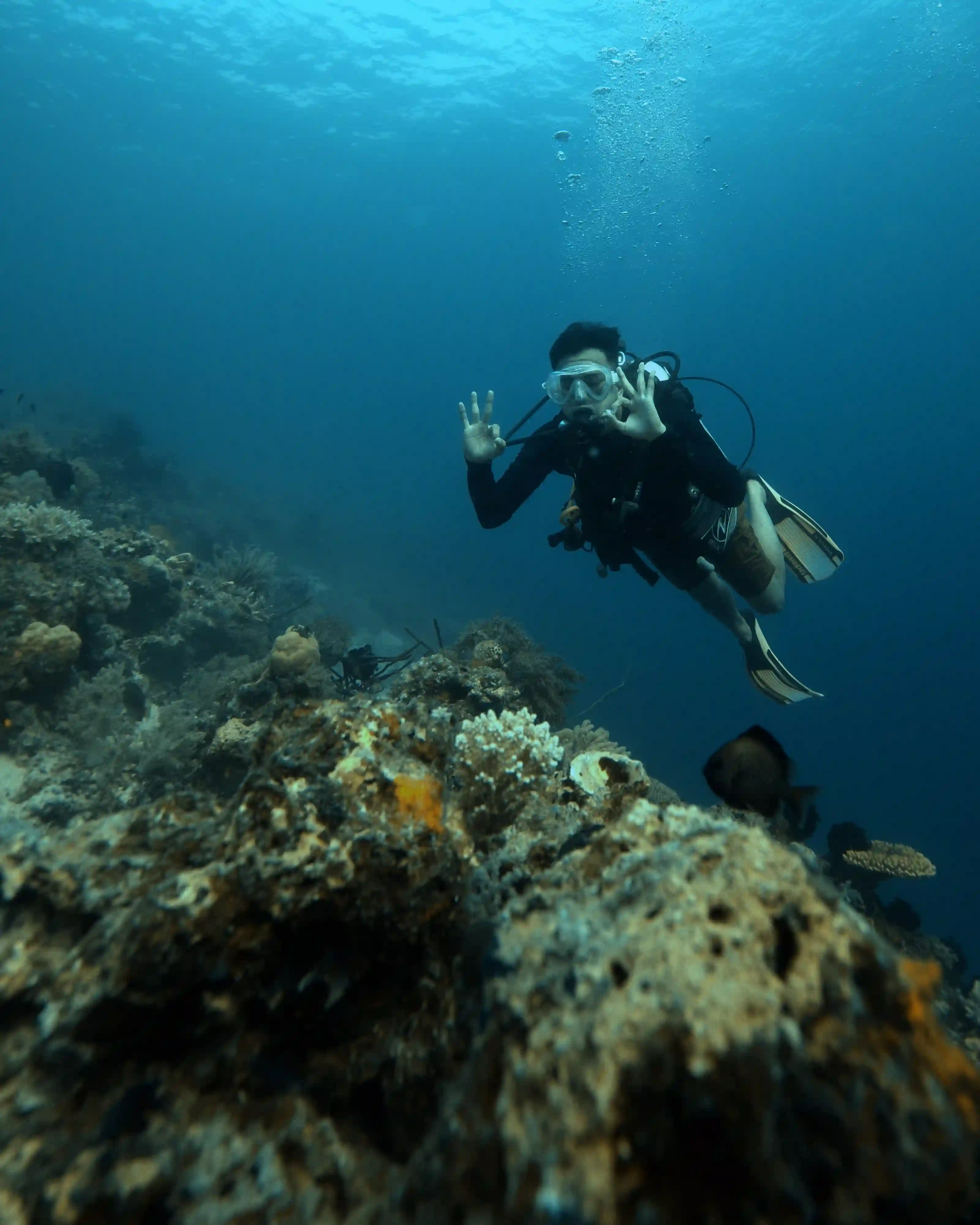
Diver near coral reef and fish in the Komodo archipelago

Manta Ray Encounters

Nutrient-rich currents concentrate plankton around Taka Makassar, drawing manta rays with wingspans over four meters—especially in the wet season, when aggregations can exceed fifty individuals.

Visit Manta Point
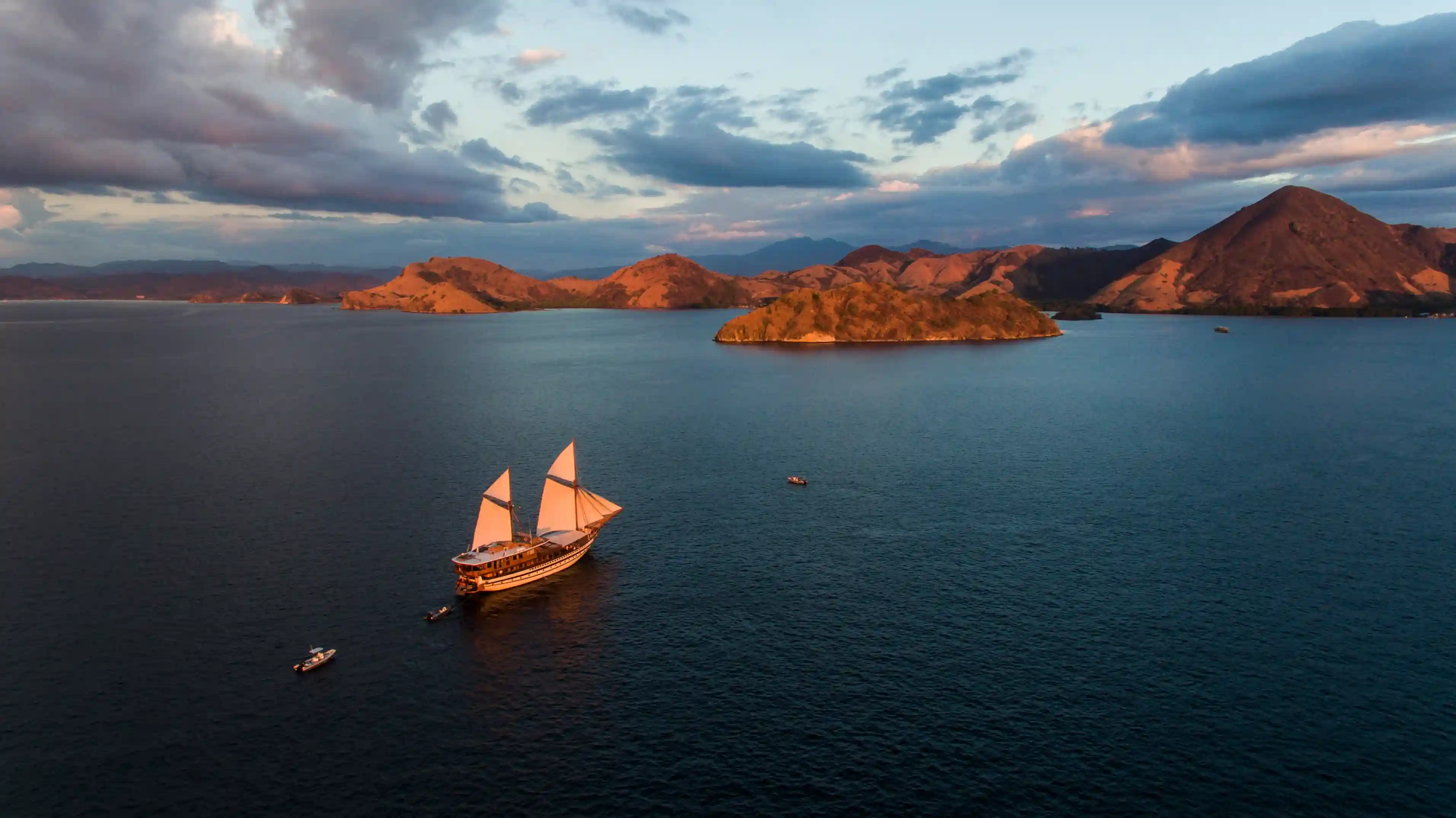
Aerial drone view of a phinisi liveaboard among the Komodo islands at sunset

Photography Paradise

Drone shots capture the sandbar’s striking curve against turquoise water, while the shallow, clear lagoon rewards above- and below-water photographers alike.

View Liveaboard Options
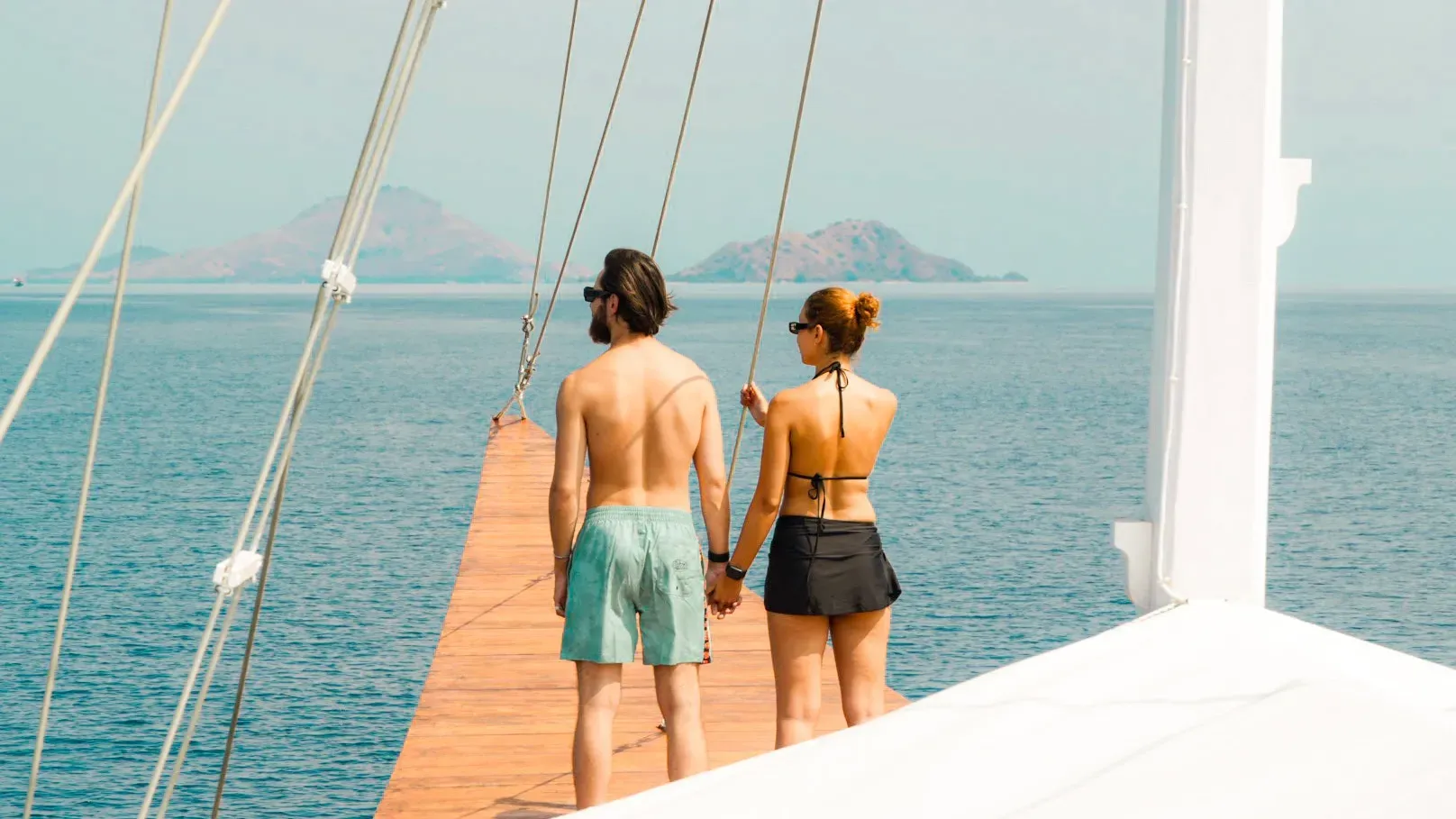
Looking out at neighboring islands from a liveaboard vessel
by Komodo Island Liveaboard

Best Explored From a Liveaboard

Only a liveaboard can position guests for the exact tidal window Taka Makassar needs, often returning for two or three visits across a single trip as conditions change.

Itineraries commonly pair it with Pink Beach, Padar Island, and Komodo Island, weaving Komodo’s most iconic stops into one seamless voyage.

Planning Your Visit

Best Time to Visit

  • The dry season (April–October) brings calmer seas and visibility beyond thirty meters, while the wet season (November–March) is rougher but hosts the best manta ray aggregations

Tidal Timing & Access

  • Reached only by liveaboard, the sandbar is best visited two to three hours either side of low tide—your crew checks local tide tables daily to time it right

Travel Responsibly

  • Keep a respectful distance from manta rays and avoid touching the sandbar’s marine life so this fragile, ever-shifting habitat stays pristine for future visitors

Frequently Asked Questions About Taka Makassar

The Taka Makassar sandbar at low tide

Taka Makassar’s disappearing sandbar is Komodo’s most unforgettable liveaboard moment.