Snorkelers & First-Time Cruisers
- April-May and late September-October combine calm seas with dry-season clarity — easier on seasickness than the windier July-August peak

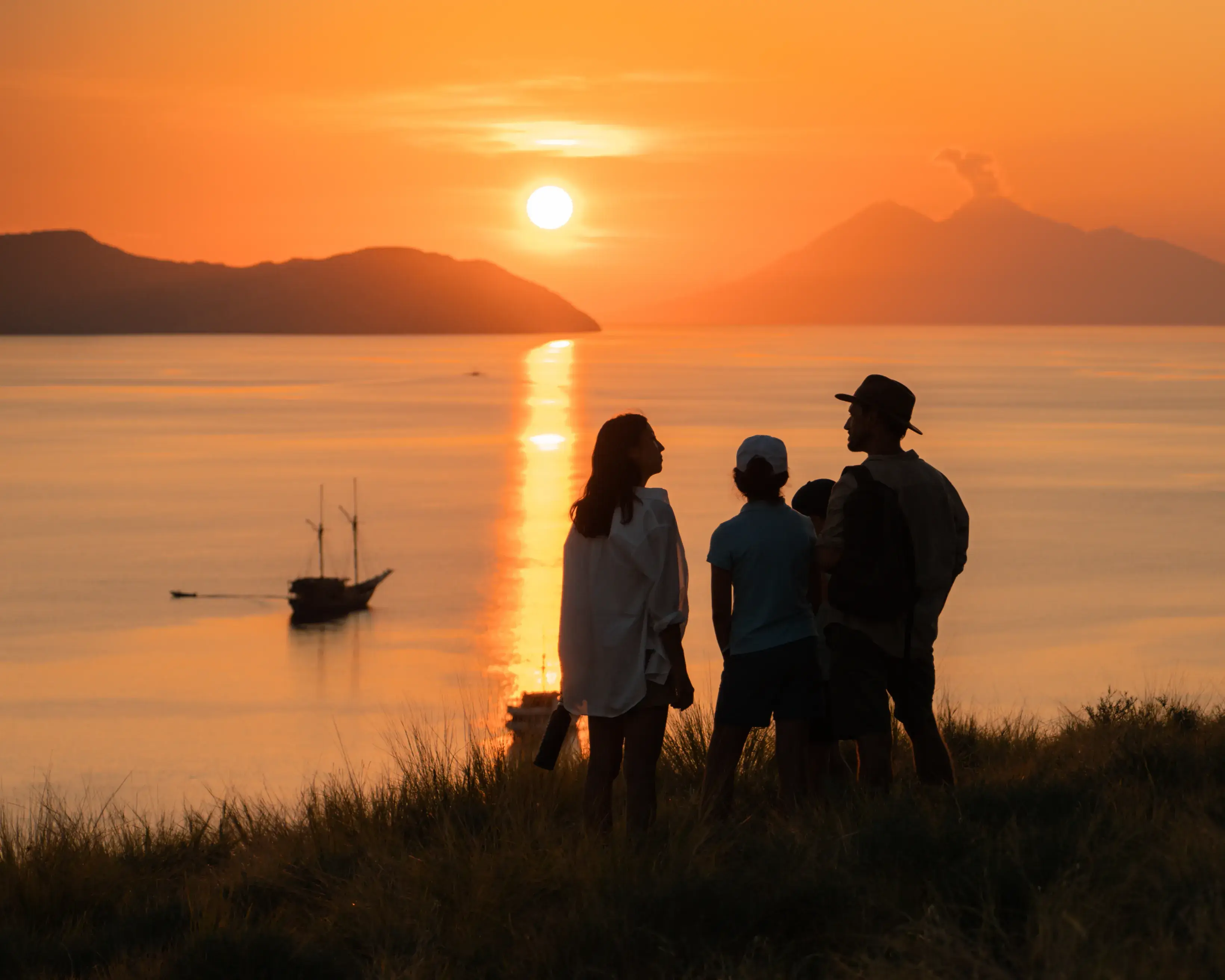
Quick Answer: The best time for a Komodo liveaboard is April–June or September–November — dry-season shoulder months with 20-30m visibility, moderate crowds, and calm-enough seas for diving and land excursions alike. July–August brings the strongest currents and highest prices; December–March brings shorter showers, softer light, and the thinnest crowds of the year.
There’s no single best month for every Komodo liveaboard — it depends on whether you want manta rays, macro critters, calm seas, or the thinnest crowds. This guide breaks it down by conditions, region, and cost.
Komodo National Park runs on two dive calendars: the north and central park (Castle Rock, Golden Passage, Batu Bolong) fish best April–October, while the south (Manta Alley, Cannibal Rock) peaks October–December on cold-water upwelling.
Chasing mantas or clear reef water? Aim for April–June or September–October. Prioritizing macro critters or the fewest crowds? Look to October–December in the south, or December–March for the softest light and thinnest crowds of the year.
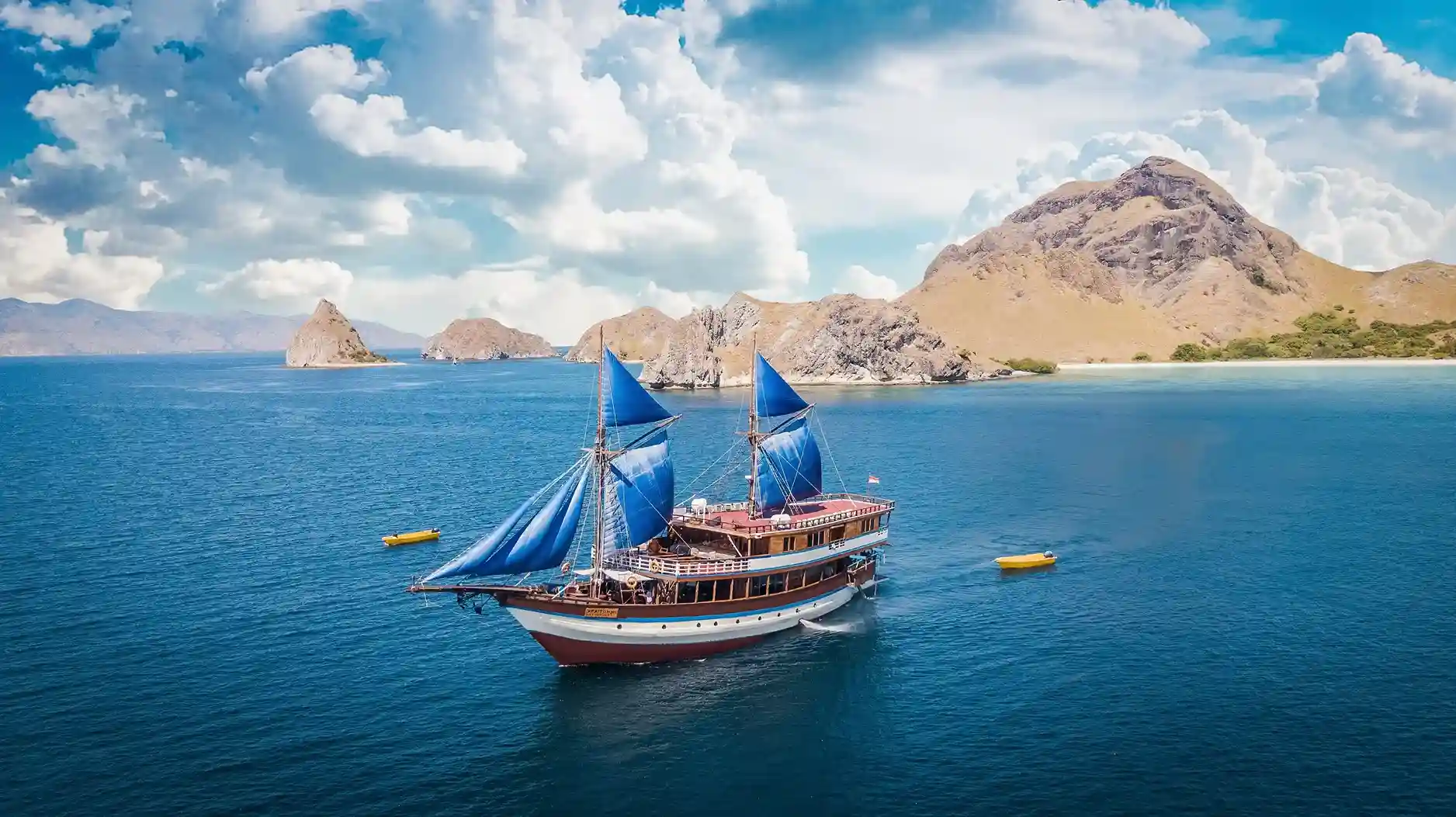
| Month | Air Temp | Sea Temp | Visibility | Best Region / Focus | Crowd Level |
|---|---|---|---|---|---|
| January | 27-31°C | 27-29°C | 5-15m | Land excursions between showers; quieter dragon treks | Low |
| February | 27-31°C | 27-29°C | 5-15m | Wet-season lull; softest light for photography | Low |
| March | 28-32°C | 28-29°C | 10-20m | Visibility rebuilding; transitional month | Low-Medium |
| April | 28-32°C | 27-28°C | 15-25m | North & Central dive season opens | Medium |
| May | 27-31°C | 26-27°C | 20-30m | North & Central peak begins; shoulder-season sweet spot | Medium |
| June | 26-30°C | 25-26°C | 20-30m | North & Central at its most reliable | Medium-High |
| July | 25-29°C | 24-26°C | 20-30m | Strongest winds of the year; peak international season | High |
| August | 25-29°C | 23-25°C | 20-30m | Coolest, windiest month; excellent North/Central visibility | High |
| September | 26-30°C | 23-25°C | 20-30m | South upwelling begins; transition toward Manta Alley season | High |
| October | 27-31°C | 24-26°C | 20-30m N/C | South season opens — Manta Alley, Cannibal Rock, Torpedo Alley | Medium-High |
| November | 28-32°C | 26-28°C | 15-25m | South season at its peak; first showers return | Medium |
| December | 28-32°C | 27-29°C | 10-20m | South season winding down; wet season begins | Low-Medium (holiday-week spike) |
December’s “low season” label has one exception: the last week through New Year’s spikes in price and crowds regardless of conditions. Visibility above is a typical range, not a guarantee — and full-park itineraries of 6+ nights should aim for October or early November, the only window with strong conditions on both regional calendars.
Castle Rock, Golden Passage, and Batu Bolong run on the classic dry-season calendar, with 25-30m visibility and warm 26-29°C water most of the window.
It’s also the busiest half of the year, since it lines up with northern-hemisphere summer holidays.
Manta Alley, Cannibal Rock, and Torpedo Alley come alive as cold, nutrient-rich water pushes up from the Indian Ocean, dropping temperatures to 22-24°C.
Visibility runs shorter here (10-20m), but the muck-diving critter life is unmatched — see our manta ray season breakdown for manta-specific timing.
Expect short, late-afternoon showers rather than sustained rain — Komodo’s savanna climate is drier than most of Indonesia.
Crowds and prices are the lowest of the year, and morning dives usually run under clear skies.
The genuine sweet spot: dry-season visibility without peak-season crowds, wind, or fares.
Its back half (October-November) also overlaps the tail end of the south’s upwelling season.
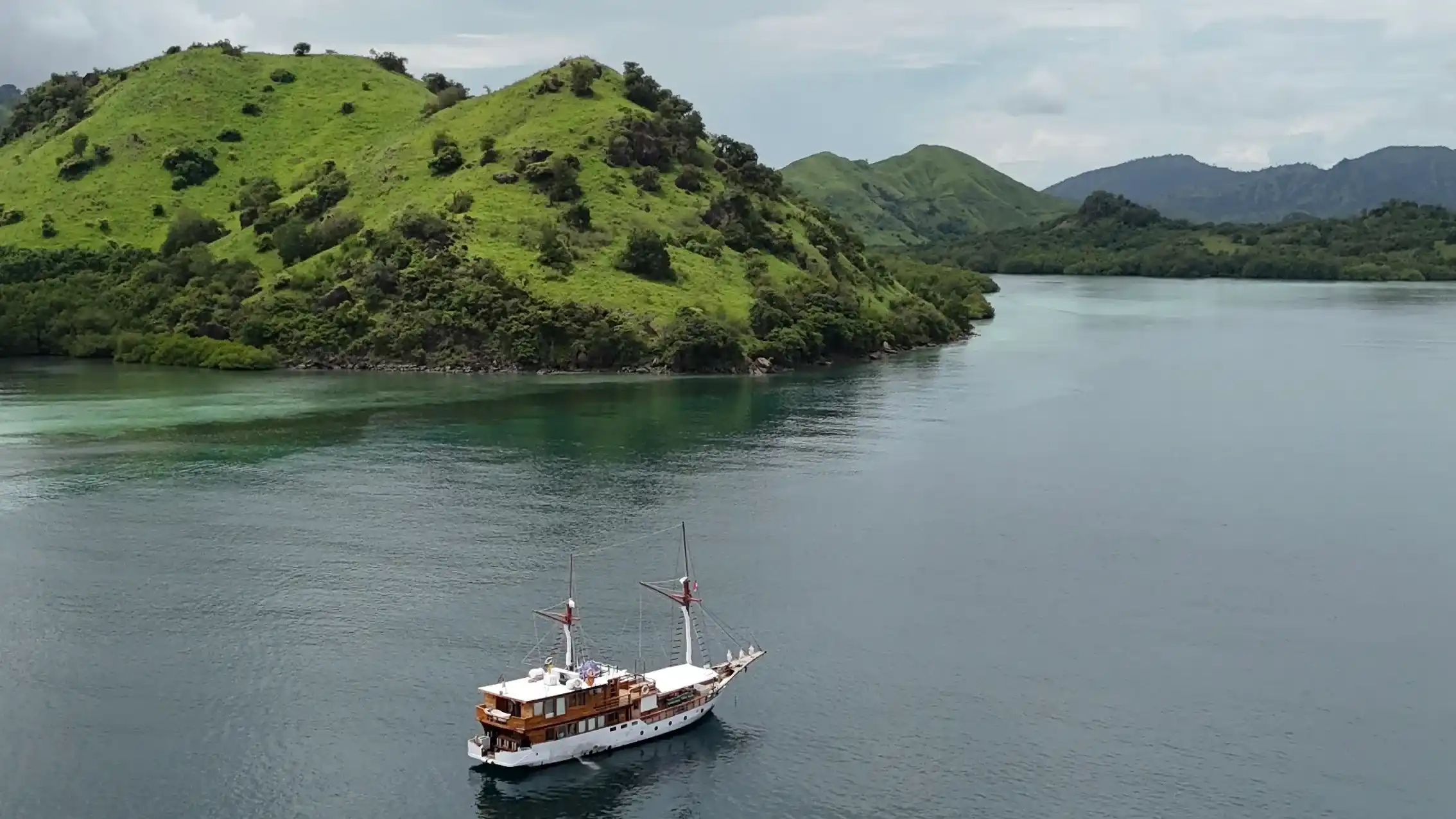
Rain typically means a late-afternoon shower under an hour, not a day-long washout — mornings, when dives and treks happen, are usually clear. Cancellations are rare and almost always tied to a specific storm or swell, not routine wet-season rain.
Storm and cyclone risk is low here, since the archipelago sits north of the belt that affects northern Australia. The trade-off is mostly cosmetic — softer, overcast light that many photographers actually prefer for Padar Island’s savanna hills.
Most divers and non-divers do best in May or October — both sit in shoulder season with strong visibility, calmer seas, and lower prices than the July-August or New Year peaks. May favors north/central sites, while October opens the south’s Manta Alley and Cannibal Rock season; if you can’t choose, October edges ahead since both regions dive well at once.
Yes — Komodo’s rainy season (roughly November-April) means short afternoon showers rather than sustained rain, thanks to its dry savanna climate. You’ll trade some visibility for the lowest crowds and prices of the year, softer light, and land excursions that run largely unaffected.
April-May and late September-October generally offer the calmest seas with good visibility, avoiding the stronger July-August trade winds. Mention seasickness at booking so your crew can route toward more sheltered channels.
It depends more on region than month. A 3mm shortie is enough in the north and central park (26-29°C most of the year), but pack a 5mm if your route includes the south, where upwelling can drop water to 22-24°C even in warm months.
Book 4-6 months ahead for July-August or New Year’s week, and 2-4 months ahead for shoulder-season months (April-June, September-November). Low-season months (December-March, outside the holiday spike) usually have the most last-minute availability.
Independent planning guides for Komodo National Park liveaboard trips, updated for the 2027 season.
Boats and departures are operated by Komodo Luxury — a registered Indonesian PT under Juara Holding Group Limited with 1,500+ verified guest reviews (4.9/5).