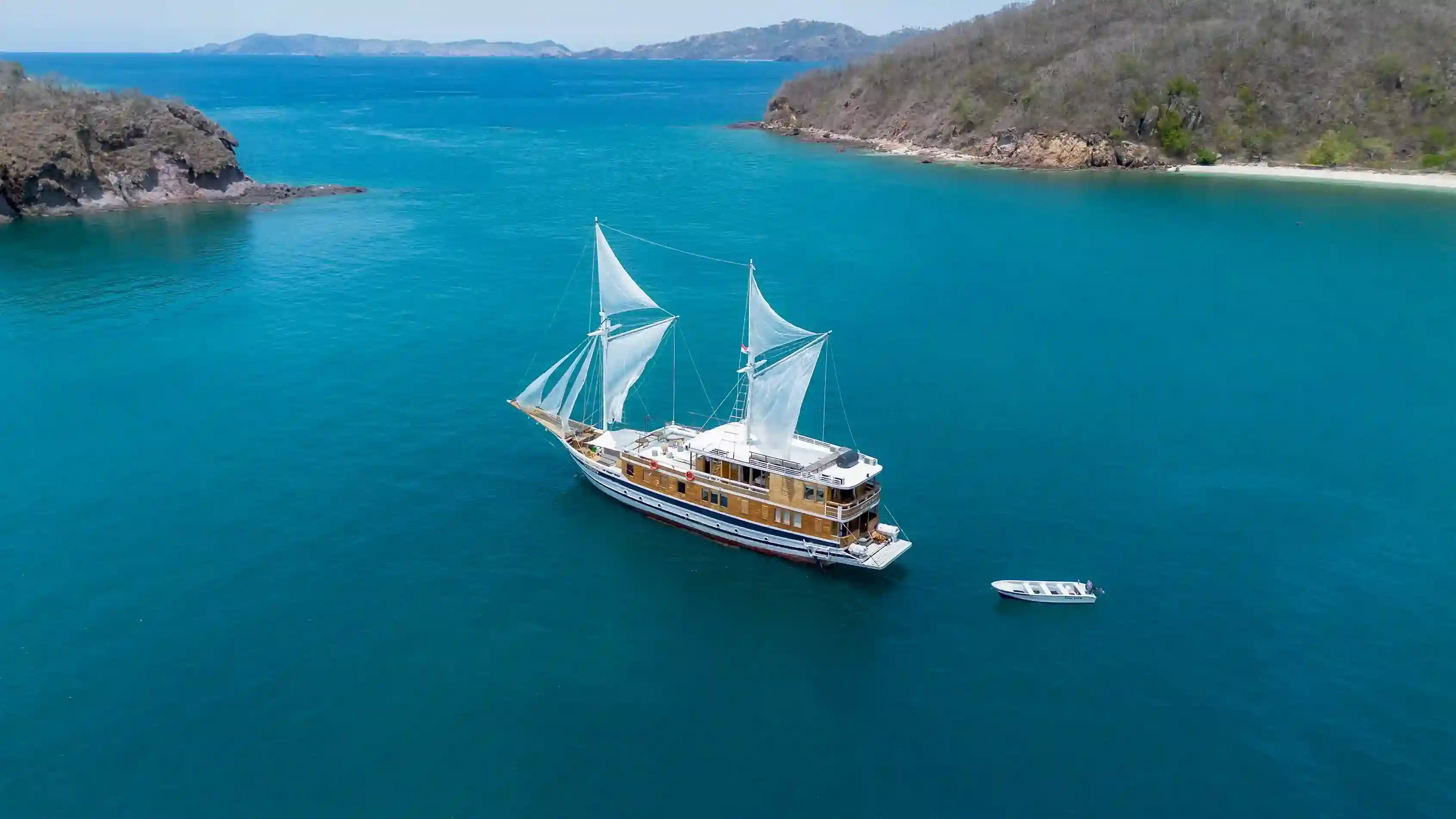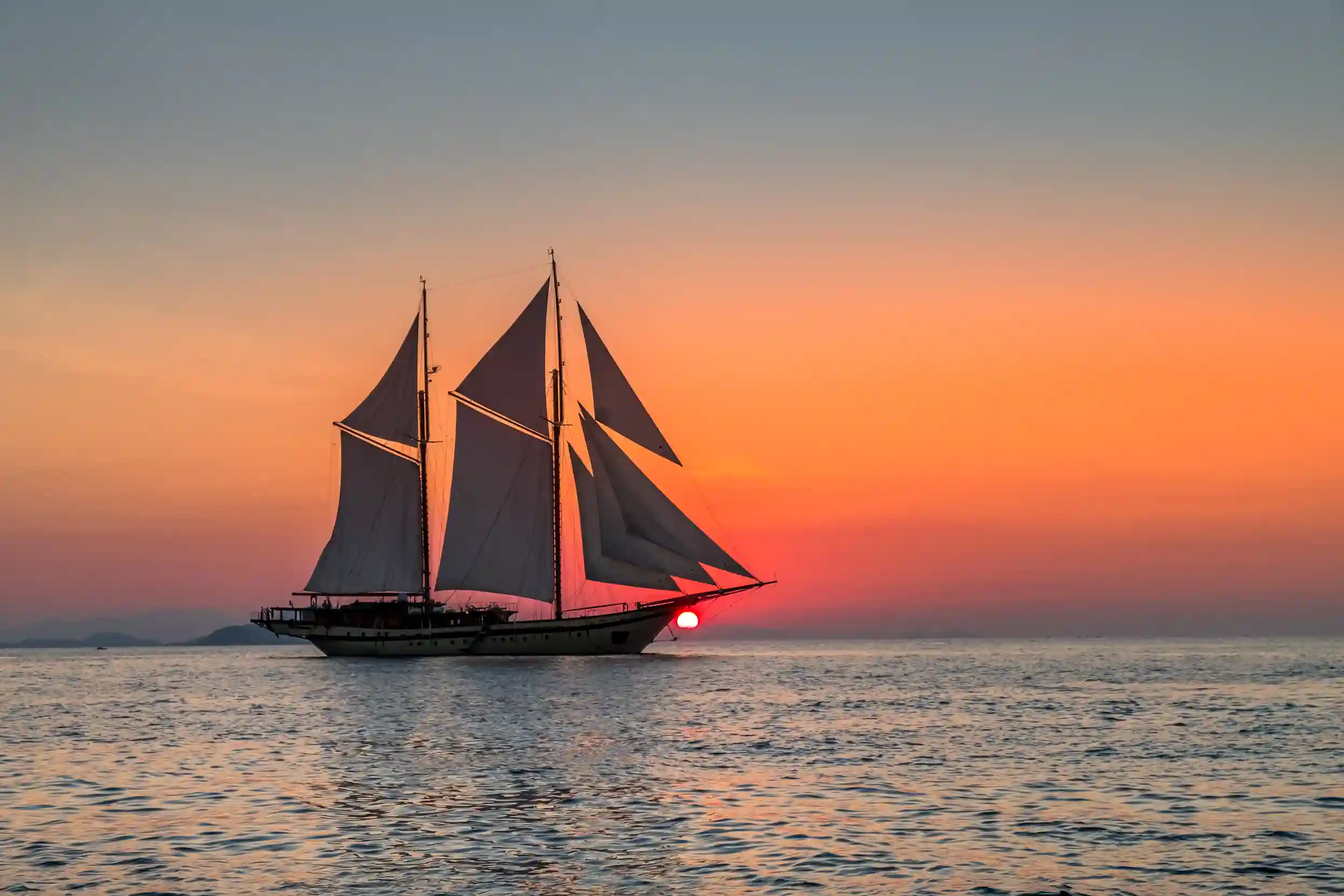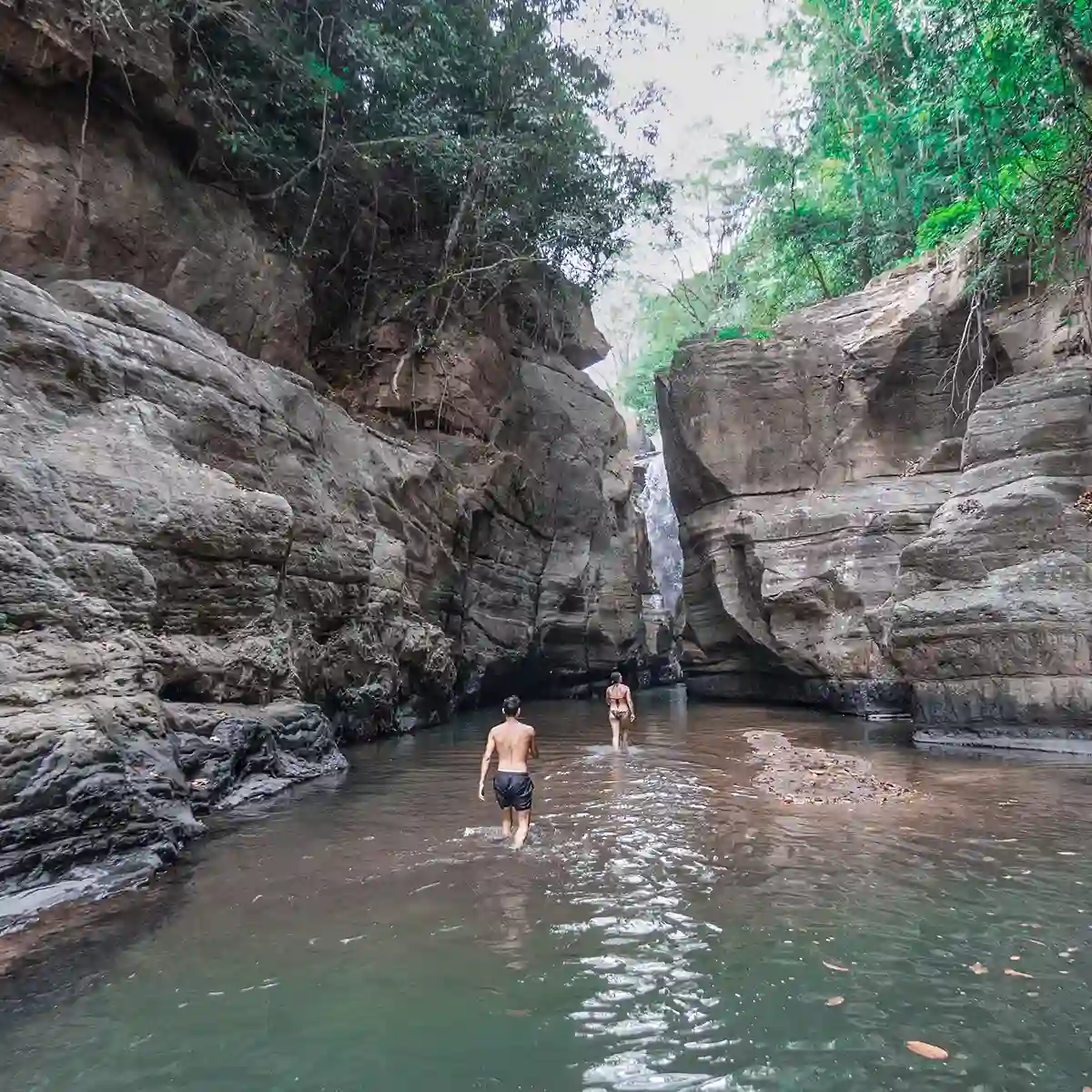
Quick Answer: Cunca Wulang Waterfall is a spectacular multi-tiered cascade located in the limestone mountains of Flores Island, Indonesia, featuring emerald-green pools, dramatic canyon landscapes, and exhilarating swimming opportunities. This natural wonder combines adventure trekking with water-based recreation, offering luxury travelers an immersive encounter with pristine tropical ecosystems seamlessly integrated into comprehensive liveaboard expedition experiences throughout the Indonesian archipelago.
Cunca Wulang Waterfall: Discovering Flores’ Most Enchanting Aquatic Paradise
Cunca Wulang Waterfall represents one of western Flores Island’s most extraordinary natural attractions, a multi-tiered cascade system descending through limestone canyons into crystalline emerald pools. The waterfall’s remote location, accessible only through adventurous canyon trekking, preserves an atmosphere of pristine wilderness increasingly rare in contemporary tourism landscapes. The combination of dramatic topography, powerful water features, vibrant aquatic ecosystems, and challenging terrain creates immersive natural experiences appealing to luxury travelers seeking authentic adventure beyond conventional resort-based tourism paradigms.
The waterfall’s integration into premium liveaboard expedition itineraries has established Cunca Wulang as cornerstone destination within comprehensive Indonesian archipelago exploration. Luxury operators strategically position waterfall excursions as dynamic terrestrial complement to marine-focused activities, creating expedition experiences addressing multiple traveler interests—adventure, nature immersion, cultural context, photographic opportunity, and physical challenge—within professionally coordinated frameworks. The combination of land-based exploration with liveaboard marine experiences creates comprehensive journey narratives transcending singular geographic locations.
Cunca Wulang demands physical commitment and adventurous disposition from visitors, distinguishing the experience from passive observation activities characterizing mass tourism. The canyon trek terrain requires careful movement, problem-solving capability, and acceptance of water-based immersion. These requirements create self-selecting visitor communities sharing appreciation for authentic natural environments and willingness to embrace challenging conditions in pursuit of extraordinary experiences. The resulting community atmosphere—characterized by mutual encouragement, shared accomplishment, and collective wonder—amplifies individual experiences through group dynamics unavailable in more casual tourist settings.
Multi-Tiered Waterfall System and Cascade Formations
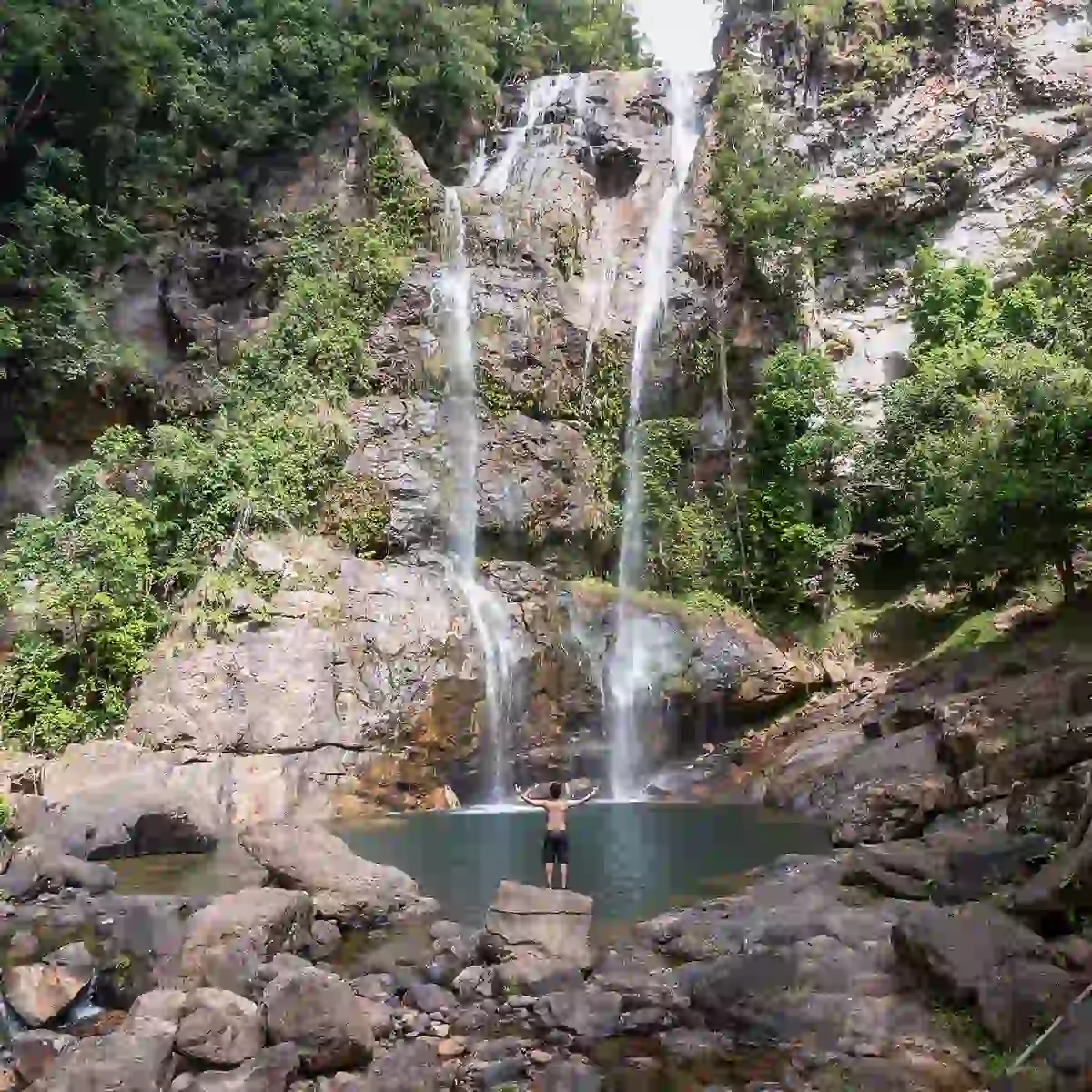
Cunca Wulang’s distinctive character derives from its multi-tiered configuration, with water cascading through several distinct waterfall sections across the canyon system. The primary waterfall descends approximately forty meters in a powerful singular plunge before flowing into the first major pool. Secondary cascade sections follow, creating series of smaller waterfalls and pools distributed throughout the canyon. This configuration contrasts with singular waterfall formations, creating continuous water features and multiple swimming and exploration opportunities distributed across extended canyon length.
The waterfall system’s geological context reflects limestone dissolution processes creating distinctive karst topography. Acidic water percolating through limestone over millennia has carved deep canyon formations and carved elaborate formation patterns into limestone walls. The canyon sides feature distinctive striations and erosion patterns revealing geological history extending back millions of years. Contemporary observers, witnessing water flows that will continue carving canyon features across future geological epochs, develop profound appreciation for temporal scales far exceeding human lifespans.
Water volume and force vary seasonally, with dry season flows substantially reduced compared to wet season torrents. Dry season visits feature manageable water conditions permitting comfortable swimming, while wet season flows create powerful cascades and challenging currents. Experienced guides assess seasonal water conditions, establishing appropriate swimming protocols and canyon navigation routes maximizing safety while maintaining adventurous experiences. The waterfall’s dynamic nature—changing daily with precipitation variations and seasonal patterns—ensures that repeat visitors experience substantially different environmental conditions.
The Canyon Trek: Journey Through Dramatic Geological Landscapes
Accessing Cunca Wulang requires navigation through a scenic canyon system characterized by steep walls, boulders, stream crossings, and occasionally challenging scrambling sections. The trek begins at modest elevations, gradually transitioning toward higher canyon reaches as visitors progress toward the primary waterfall. Approximately thirty to forty minutes of trekking, accounting for variable fitness and terrain difficulty, permits access to the main waterfall and primary swimming pools. More ambitious travelers continue exploring upper cascade sections, requiring additional physical effort and advanced climbing capability.
The canyon trek itself constitutes primary experience component, rather than serving merely as transportation to arrive at waterfall destination. Guides provide geological interpretation, explaining limestone formation, erosion processes, and environmental adaptation strategies used by local flora and fauna. The descent into canyon systems reveals changing vegetation zones—tropical forest canopy gradually replaced by specialized plants adapted to canyon microclimates. Travelers observe how water, rock, and botanical systems interact dynamically, creating intricate environmental relationships subtle to casual observers.
Canyon trekking demands problem-solving capability and adaptability as visitors navigate obstacles, traverse stream crossings, and manage physical challenges emerging from uneven terrain. While professional guides establish safe routes and provide assistance, visitors must actively engage with environmental challenges rather than passively following prescribed paths. This requirement for active participation—negotiating personal physical limitations, developing confidence navigating unfamiliar terrain, collaborating with fellow trekkers—creates substantive psychological experiences beyond standard tourism activities.
Emerald Pools and Swimming Experiences
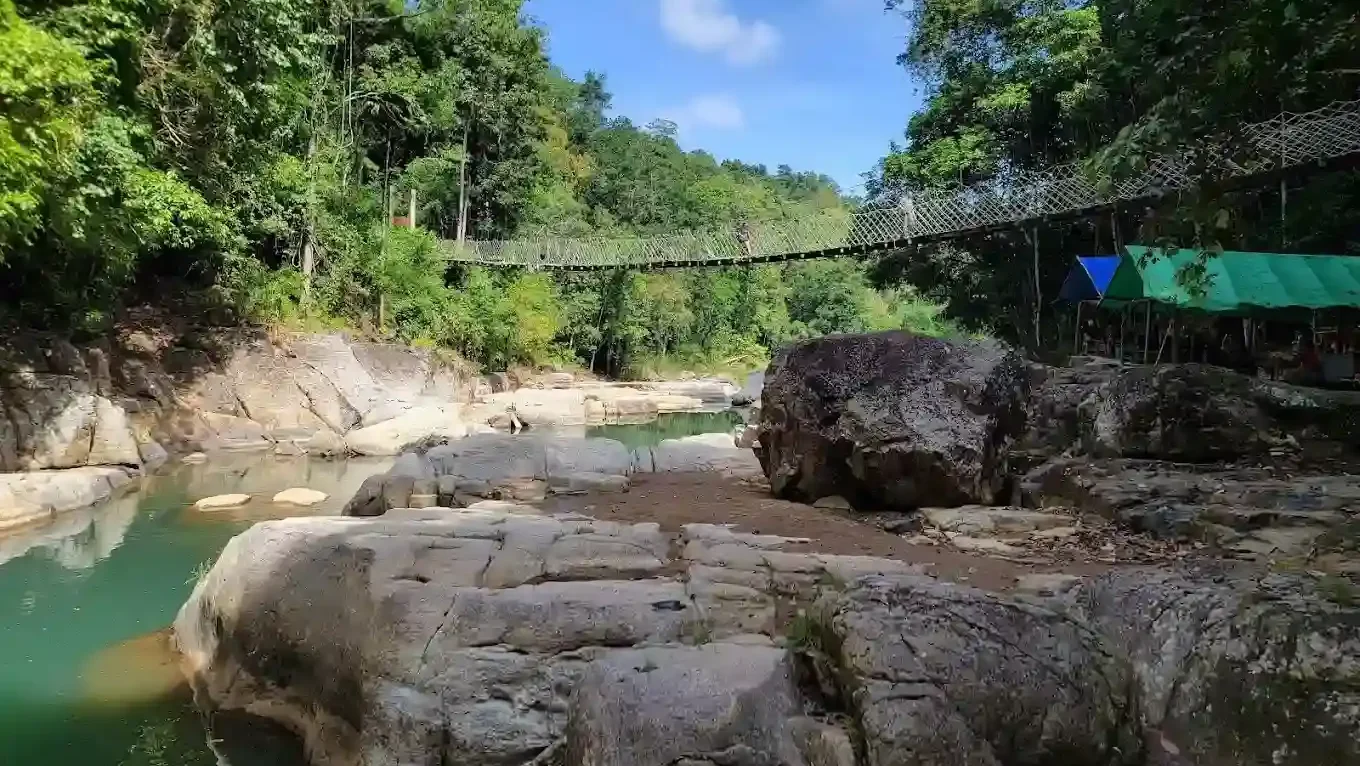
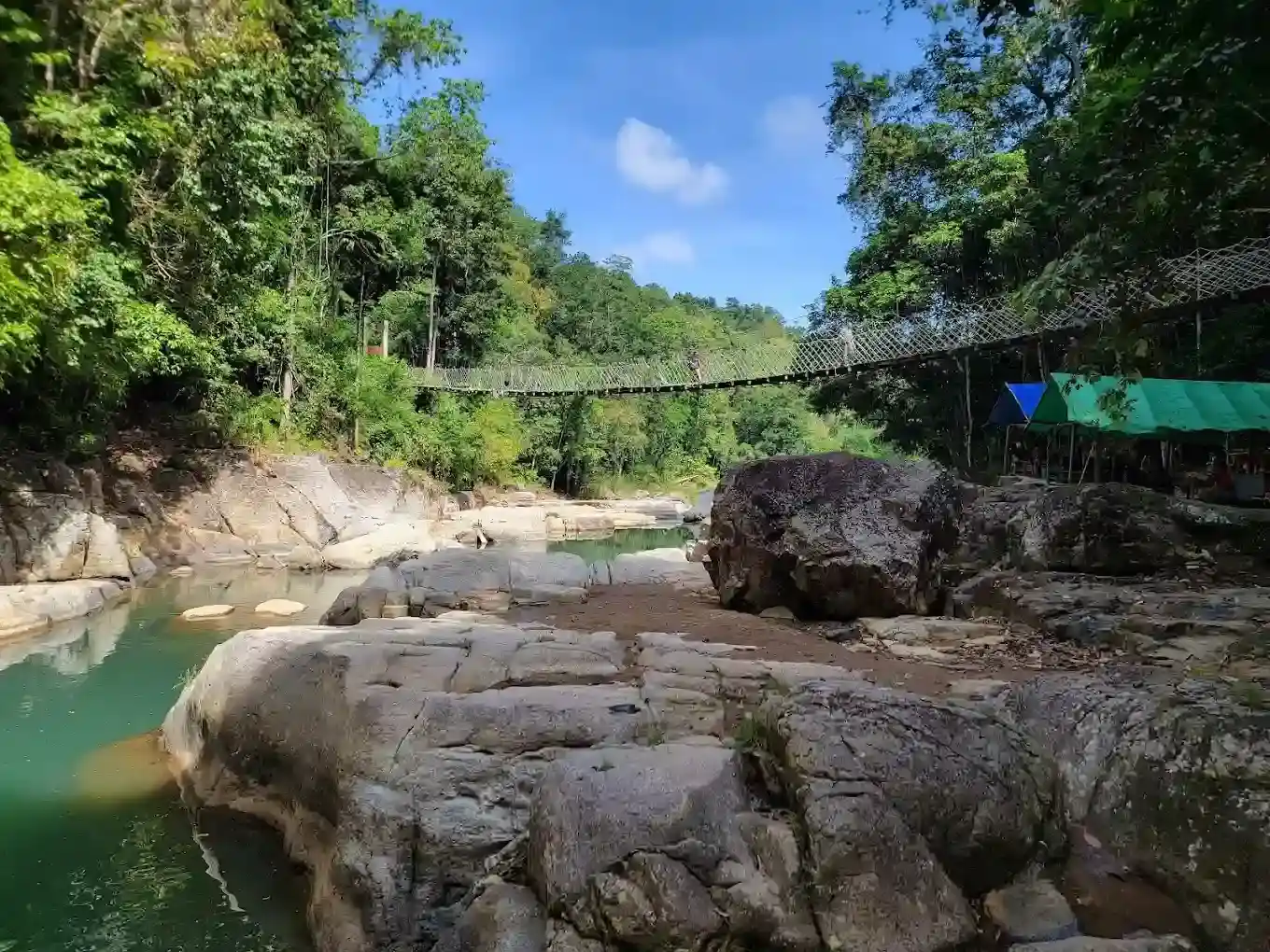
Cunca Wulang’s emerald pools represent distinctive features, with crystalline water clarity and brilliant blue-green coloration creating aesthetic impact rivaling famous tropical beach destinations. The pools’ coloration results from water clarity and limestone mineral content combined with algae growth processes, creating dynamic color gradations throughout the canyon system. Upper cascade pools typically display deeper green hues from height and accumulated algae, while lower pools near the primary waterfall present brilliant turquoise colors influenced by greater water volume and continuous circulation.
Swimming experiences within Cunca Wulang pools create memorable sensory encounters—cool water immersion within dramatic canyon settings, surrounded by cascading water features and towering limestone walls. The primary waterfall pool permits swimming in turbulent water fed by the cascade, creating invigorating hydrotherapy experiences and exhilarating sensations from powerful water currents. More placid upper pools offer serene floating experiences, allowing swimmers to contemplate the surrounding canyon landscape while suspended weightlessly within crystalline water.
Water temperature varies seasonally, typically ranging from 20-24 degrees Celsius, requiring thermal preparation for extended swimming durations particularly for individuals with cold-water sensitivity. Thermal acclimatization generally occurs within minutes, as initial shock diminishes with graduated immersion and continuous movement. Professional guides provide thermal protection recommendations, including neoprene wetsuits for extended swimming periods. Most visitors find water temperature refreshing rather than prohibitively cold, particularly following physical exertion during canyon trekking.
Flora, Fauna, and Ecological Systems
The canyon ecosystem supports distinctive plant and animal communities adapted to limestone topography and perennial water flows. Vegetation transitions throughout the canyon system, reflecting changing light conditions and moisture availability. Upper canyon sections feature tropical rainforest species thriving in humid, protected environments. Lower sections, receiving less water runoff, feature drier-adapted vegetation. This ecological diversity, compressed within limited geographic area, provides educational opportunity regarding environmental adaptation strategies and botanical diversity.
Aquatic ecosystems feature freshwater fish species, crustaceans, and aquatic insects adapted to limestone-influenced water chemistry. These organisms remain largely invisible to casual observers but represent significant ecosystem components. Wildlife observation opportunities include tropical bird species utilizing the canyon habitat, occasional primates at tree canopy levels, and various reptile species. Professional guides assist wildlife observation, identifying species and interpreting behavioral patterns, enriching experiences through ecological context.
The landscape’s ecological integrity depends upon responsible visitor behavior maintaining minimal environmental impact. Restrictions address use of sunscreen and insect repellent within water bodies, protection of fragile vegetation, and responsible waste management. These environmental protocols reflect sophisticated ecological understanding emphasizing that genuine conservation requires visitor participation and behavioral modification extending beyond passive observation.
Photography Opportunities and Visual Documentation
Cunca Wulang presents extraordinary photography opportunities ranging from expansive landscape compositions capturing dramatic canyon walls and cascading water features, to intimate portraits of individual travelers engaging with natural environment. The combination of dynamic lighting conditions, powerful water features, and dramatic topography creates perpetually interesting compositions. Morning light illuminating canyon walls creates warm tones enhancing geological formations, while midday overhead sun challenges photographers through harsh contrast and shadows.
Motion-based photography captures waterfall dynamics, with shutter speed selection creating varied artistic effects. Fast shutter speeds (1/1000th or faster) freeze individual water droplets in apparent suspension, revealing fine detail invisible to human observation. Slow shutter speeds (half-second or longer) render moving water as ethereal mist, creating impressionistic compositions emphasizing flow and motion rather than literal detail. Neutral density filters permit extended exposure durations even in bright daylight, enabling this creative motion-based visual technique.
Waterfall environment presents distinctive challenges for equipment protection, with constant moisture and water spray risking electronics damage. Professional photographers employ waterproof camera housings or protective cases, with sealed lens elements permitting underwater photography at waterfall edges. Casual photographers often sacrifice documentation completeness, consciously choosing authentic presence within the environment rather than attempting comprehensive visual record. This conscious relinquishment of documentation focus frequently proves psychologically liberating, permitting undistracted engagement with sensory experiences and direct environmental interaction.
Difficulty Assessment and Physical Demand Evaluation
Cunca Wulang trekking presents moderate physical difficulty, requiring moderate cardiovascular fitness and basic agility navigating uneven terrain. The canyon trek, while not requiring technical climbing skills, demands careful foot placement, balance capability, and problem-solving regarding route finding through natural obstacle courses. Visitors experiencing vertigo or severe acrophobia (fear of heights) may find canyon walls psychologically challenging, though physical danger risk remains minimal with appropriate guide attention and group awareness.
Physical challenge level varies substantially according to individual choice regarding exploration scope. Visitors satisfied with primary waterfall and associated pool access require approximately forty-five minutes to one hour total trekking time. Ambitious explorers pursuing upper cascade sections require additional physical effort and climbing capability, potentially extending experiences to three to four hours. Professional guides assess individual physical capabilities during pre-visit briefings, establishing appropriate participation levels ensuring safety and enjoyment across diverse fitness levels.
Common physical limitations—balance challenges, limited cardiovascular fitness, joint mobility restrictions—generally do not preclude meaningful Cunca Wulang participation. Professional guides provide individualized assistance, offering hand support during challenging sections, suggesting modified routes accommodating specific limitations, and establishing pace permitting adequate recovery periods. The emphasis remains on ensuring every participant achieves satisfying experiences within personally appropriate challenge levels rather than enforcing uniform participation standards.
Integration with Liveaboard Expeditions and Complementary Activities
Premium liveaboard operators include Cunca Wulang excursions as strategic land-based experience components within comprehensive Indonesian archipelago expeditions. Typical itineraries allocate three to five hours for canyon trekking, waterfall exploration, and swimming activities, typically scheduled as dedicated full-day or half-day excursions. The waterfall visit often coordinates with complementary terrestrial experiences, such as visits to Rangko Cave, Wae Rebo Village, or Komodo Island, creating comprehensive land-based journey segments within primarily marine-focused expeditions.
Logistical coordination between liveaboard vessels and land-based operators ensures seamless transitions between marine and terrestrial experiences. Guests typically depart vessels during morning hours, completing canyon activities with afternoon timing permitting timely return to vessels for evening meals and dive briefings regarding subsequent operations. This integration requires precise timing coordination and reliable transportation logistics, representing operational standards distinguishing luxury providers from budget tourism alternatives.
The experiential contrast between liveaboard marine environments and terrestrial canyon exploration creates psychological depth enriching overall expedition narratives. The transition from ocean water immersion to freshwater river submersion, from saltwater marine ecosystems to limestone-formed freshwater systems, from contemporary vessel technology to primordial geological landscapes generates transformative perspective shifts regarding environmental diversity and human relationships with natural systems.
Seasonal Variations and Weather Considerations
Cunca Wulang’s accessible periods vary substantially with seasonal rainfall patterns characteristic of tropical Indonesia. The dry season, extending from May through October, provides optimal conditions with stable water levels, clear visibility, and reduced flash-flood risks. Water volumes remain manageable while maintaining impressive waterfall aesthetics, with refreshing swimming conditions and safe canyon navigation. This dry season period aligns with optimal diving conditions throughout the Komodo region, enabling seamless coordination of marine and terrestrial activities within integrated liveaboard expeditions.
The wet season, November through April, transforms waterfall conditions substantially. Increased rainfall elevates water volumes, creating powerful cascades and challenging currents. Canyon water levels rise significantly, occasionally rendering upper sections inaccessible. Flash-flood risks, while manageable with experienced guides maintaining awareness of rainfall patterns and water-level trends, increase substantially during peak rainy months. December through February presents peak rainy season, generally avoided for waterfall activities due to suboptimal conditions and enhanced safety risks.
Transitional months—April and October—present compromise conditions, offering relatively favorable circumstances with lingering dry season characteristics and reduced visitor crowds. Experienced operators recognize seasonal nuances, strategically scheduling waterfall visits during optimal windows within broader expedition timelines. Flexibility regarding seasonal activity modification distinguishes professional luxury operators from less responsive competitors unable to adapt to environmental variability.
Essential Gear and Preparation Recommendations
Appropriate physical preparation enhances Cunca Wulang experiences substantially. General cardiovascular fitness supporting sustained moderate exertion benefits canyon trekking capability. Flexibility and balance training facilitates navigation through boulder-strewn terrain and uneven canyon surfaces. Cold water acclimatization assists swimming comfort, particularly for individuals with cold-water sensitivity. If visiting as component of broader liveaboard expeditions, general fitness preparation ensuring adequate energy reserves across multiple activity days proves beneficial.
Essential gear includes sturdy water-resistant footwear with good grip characteristics—aquatic shoes or specialized water boots prevent slipping on wet rocks while protecting feet from sharp limestone surfaces. Thermal protection in form of lightweight wetsuits (2-3mm thickness) addresses cool water temperatures during extended swimming periods. Quick-drying clothing utilizing synthetic materials or technical fabrics minimizes discomfort from prolonged moisture exposure. Sunscreen application protects skin during exposed trekking segments, though use is prohibited in water bodies to prevent environmental contamination.
Waterproof camera protection proves essential for photographers serious about visual documentation. Waterproof camera housings, dry bags, or sealed protective cases shield valuable equipment from water damage. Dry change of clothes stored in waterproof containers permit post-swim comfort. Quick-drying towels facilitate efficient drying before return transit to accommodation. Professional guides provide detailed equipment checklists optimizing preparation while preventing excessive luggage burdens that would complicate canyon navigation.
Comprehensive FAQ Guide for Cunca Wulang Visitors
What is the total trek time and distance for accessing Cunca Wulang’s main waterfall and primary pools?
Standard Cunca Wulang trekking covers approximately 2-3 kilometers of canyon hiking, typically requiring forty-five minutes to one hour to access the main waterfall and primary swimming pool depending on individual fitness levels and terrain complexity. Moderate physical fitness permits comfortable completion of standard routes without excessive fatigue. Ambitious visitors exploring upper cascade sections beyond the primary waterfall require additional trekking time, potentially extending total experience duration to three to four hours. Professional guides modify trekking pace according to group capabilities and individual physical conditions, ensuring all participants maintain sustainable effort levels throughout canyon exploration.
How do seasonal rainfall patterns affect waterfall water volume, swimming safety, and canyon accessibility?
Dry season months (May-October) provide optimal conditions with manageable water volumes, clear visibility, and reduced flash-flood risks. Water remains refreshing without excessive currents, and canyon sections remain safely traversable. Wet season increased rainfall elevates water volumes creating powerful cascades and challenging currents, with peak rainy months (December-February) presenting suboptimal conditions and enhanced flash-flood risks. Professional guides assess daily water conditions and rainfall patterns, communicating restrictions when conditions deteriorate below acceptable safety standards. Seasonal flexibility enables experienced operators to schedule waterfall visits during optimal windows within broader expedition timelines.
What medical considerations and emergency protocols apply to remote waterfall exploration?
Professional guides maintain first-aid training and emergency communication protocols utilizing satellite devices for remote area coverage. Serious medical emergencies require evacuation to Labuan Bajo medical facilities via helicopter or vehicle transport. Pre-trip health screening assesses individual medical history and physical appropriateness, ensuring participants understand inherent risks of remote mountainous terrain. Travel insurance with emergency evacuation coverage proves essential, with luxury operators mandating comprehensive coverage before participation. Guides continuously assess participant physical conditions, establishing immediate descent protocols when health issues emerge.
What hazards exist within the canyon environment, and how do professional guides maintain safety standards?
Primary hazards include slippery limestone surfaces increasing fall risks, flash-flood potential during intense rainfall, and cold water immersion risks for individuals with cardiovascular sensitivities. Boulder-strewn terrain presents navigation challenges requiring careful foot placement and balance. Professional guides mitigate hazards through route selection prioritizing safety, continuous environmental monitoring assessing water levels and weather patterns, group awareness maintenance ensuring participant proximity and mutual support, and behavioral protocols establishing appropriate conduct within natural environment. Life jacket provision offers buoyancy assistance for weaker swimmers, reducing drowning risks within deeper pools. These comprehensive protocols reflect luxury operators’ commitment to visitor safety prioritized over commercial pressure.
How should visitors prepare mentally and physically for canyon trekking and waterfall immersion?
Mental preparation emphasizes embracing physical challenge, accepting discomfort, and developing confidence navigating unfamiliar terrain. Psychological openness toward natural environment interaction—accepting mud, water immersion, and environmental exposure—facilitates authentic experience engagement. Physical preparation benefits from cardiovascular conditioning supporting sustained moderate exertion, flexibility and balance training facilitating safe terrain navigation, and cold-water acclimatization improving swimming comfort. Pre-trip discussions with guides regarding specific concerns permit customized preparation recommendations. Realistic expectation setting regarding physical exertion and environmental conditions enables appropriate mental preparation avoiding disappointment from unmet expectations.
What clothing and footwear choices optimize both comfort and environmental protection during canyon activities?
Water-resistant footwear with excellent grip characteristics proves essential, with specialized aquatic shoes or water hiking boots preventing slipping on wet limestone surfaces while protecting feet from sharp rocks. Lightweight quick-drying clothing utilizing synthetic materials or technical fabrics maintains comfort despite constant moisture exposure, avoiding heavy cotton garments that absorb water and perpetuate discomfort. Thermal protection through 2-3mm wetsuits addresses cool water temperatures during extended swimming periods, particularly important for cold-sensitive individuals. Waterproof bags for camera equipment and dry clothing enable post-swim comfort and equipment protection. Reef-safe sunscreen, applied before waterfall arrival and prohibited within water bodies, protects skin while preventing environmental contamination.
What photographic approaches capture Cunca Wulang’s dramatic visual character within challenging environmental conditions?
Wide-angle lenses (16-35mm equivalent focal length) capture expansive canyon compositions showcasing dramatic geology and waterfall context. Motion-based photography utilizing varied shutter speeds creates artistic effects—fast speeds freezing water droplets, slow speeds rendering flowing water as ethereal mist. Neutral density filters enable extended exposures in bright daylight, facilitating creative motion-based visual techniques. Waterproof camera housings protect equipment from water spray and moisture, essential for serious photographers. Professional photographers often accept imperfect documentation, prioritizing authentic presence and environmental engagement over comprehensive visual record. This conscious relinquishment of documentation completeness frequently permits undistracted sensory engagement and genuine moments of wonder exceeding photographic documentation capacity.
How does Cunca Wulang integration within liveaboard expeditions enhance overall travel experiences compared to independent waterfall visits?
Integrated liveaboard packages provide comprehensive journey narratives connecting marine and terrestrial exploration within professionally coordinated frameworks. Expert guides ensure visitor safety and offer interpretive context elevating experiences beyond passive observation. Logistical coordination eliminates planning complexity while enabling seamless transitions between marine and terrestrial activities. The psychological contrast between oceanic and canyon environments creates perspective shifts regarding environmental diversity. Professional operators maintain comprehensive risk management and emergency protocols superior to independent tourism. Coordination with complementary activities—Rangko Cave, Wae Rebo Village, Komodo Island—creates complete destination experiences addressing multiple traveler interests within single expeditions. This integration represents sophisticated tourism design maximizing experience value across diverse geographic and experiential components.
Planning Cunca Wulang Adventures Through Luxury Coordination Services
Booking Cunca Wulang experiences through premium tourism platforms ensures access to established guide networks, professional logistical coordination, and comprehensive support systems. Professional operators maintain long-term relationships with local communities, ensuring equitable compensation and sustainable tourism practices respecting environmental integrity. Direct independent booking may appear cost-advantageous but risks inadequate logistics, insufficient safety protocols, and potential environmental insensitivity undermining authentic experiences.
Comprehensive booking coordination integrates Cunca Wulang waterfall excursions seamlessly within broader travel itineraries including liveaboard expeditions throughout the Komodo region and complementary destination exploration. Professional coordinators manage transportation logistics, equipment procurement, health preparations, and activity sequencing, allowing travelers to focus on anticipation and mental preparation for immersive experiences awaiting in Indonesia’s remarkable landscapes.
Cunca Wulang Waterfall represents far more than tourist attraction—it embodies pristine natural environment inviting authentic engagement with elemental geological and hydrological systems. The canyon system’s power, beauty, and challenges create transformative experiences generating profound appreciation for natural world complexity. Visiting through professional luxury frameworks ensures responsible environmental stewardship while enabling travelers to develop genuine understanding of tropical ecosystem richness and the profound fulfillment emerging from meaningful encounters with untamed natural environments. The combination of adventure, natural wonder, physical challenge, and environmental engagement establishes Cunca Wulang as essential component of comprehensive Indonesian archipelago exploration.