Cannibal Rock — Macro Photography Capital of Komodo

Quick Answer: Cannibal Rock stands as Komodo’s premier macro diving destination, a south Komodo pinnacle renowned as perhaps the finest small-creature dive site throughout the entire Komodo archipelago. This remarkable location features extraordinary concentrations of sea apples, soft corals, pygmy seahorses, frogfish, nudibranchs, and countless other macro subjects, accessible only via liveaboard diving expeditions. The remote location and dramatic underwater topography create an exclusive diving experience that rewards macro photographers and small-creature enthusiasts with unparalleled photographic opportunities and unforgettable close encounters with the ocean’s most exquisite diminutive inhabitants.

Cannibal Rock: Komodo’s Macro Photography Paradise

Cannibal Rock occupies a unique position within Komodo’s diving landscape as the destination most obsessively sought by macro photographers, nature enthusiasts, and divers passionate about discovering the intricate details of tropical reef ecosystems. Located in the remote southern reaches of the Komodo National Marine Park, this pinnacle structure rises from significant depths, creating distinct ecological zones and hydrographic conditions that concentrate small-creature life into remarkably dense concentrations. The site’s reputation extends throughout the global diving community, attracting discerning travelers who understand that extraordinary experiences require venturing beyond mainstream tourist locations to remote, carefully preserved marine environments.

The nomenclature of Cannibal Rock carries historical significance, referring to the dramatic topography and challenging diving conditions that characterize the site. The rocky pinnacle features crevices, overhangs, and complex three-dimensional structure that create countless microhabitats within vertical relief. This architectural complexity transforms the dive site into something resembling a three-dimensional museum of miniature marine life, where each crevice conceals species found nowhere else in immediate vicinity, and careful exploration reveals astounding biodiversity concentrated within surprisingly compact areas. The site’s remoteness from primary tourist centers and challenging logistics have preserved its exceptional character, preventing the over-visitation and environmental degradation that threatens many tropical dive destinations.

Macro Diving Excellence and Small-Creature Concentration

The designation of Cannibal Rock as Komodo’s premier macro site reflects objectively measurable concentrations of small marine species that exceed those found at other locations throughout the region. While other nearby sites offer individual macro subjects, Cannibal Rock presents the highest probability of encountering multiple macro subjects during a single dive. Experienced macro divers often complete dives at Cannibal Rock having encountered fifteen to twenty distinct macro species, each photographable and fascinating, a concentration that would constitute an exceptional diving day at most other destinations.

Successful macro diving at Cannibal Rock requires a fundamentally different approach than wide-angle diving at manta ray cleaning stations or coral gardens. Macro photography demands meticulous attention to detail, patient observation, and willingness to remain nearly stationary for extended periods while exploring small reef areas in extraordinary depth. The best macro divers at Cannibal Rock often complete dives without moving great distances horizontally, instead exploring relatively small vertical sections of reef in meticulous detail. This approach yields extraordinary results, as subjects reveal themselves to patient observers who invest time in careful observation and precise positioning.

The lighting conditions at Cannibal Rock present both advantages and challenges for macro photography. The pinnacle’s dramatic vertical relief creates shaded areas where many macro subjects concentrate, reducing harsh sunlight and harsh shadows that plague macro work in bright shallows. Artificial lighting via dive lights and camera-mounted strobes becomes essential, allowing photographers to reveal the intricate colors and details of subjects that might appear drab in natural light alone. Professional macro photographers often utilize specialized techniques including focus stacking and image processing to overcome the challenges of photographing three-dimensional small creatures in challenging underwater conditions.

Sea Apples and Soft Coral Ecosystems

Sea apples represent one of Cannibal Rock’s most distinctive inhabitants, gregarious sea cucumbers that congregate in extraordinary numbers across specific reef sections. These creatures, resembling their terrestrial namesakes more than typical sea cucumbers, display vibrant coloration ranging from deep purple and orange to brilliant yellow and red. Sea apples position themselves on reef surfaces where water currents deliver planktonic food, extending their remarkable feeding tentacles to capture passing prey. The collective effect of dozens of sea apples in close proximity creates visual spectacles of color and movement that fascinate both photographers and behavioral observers.

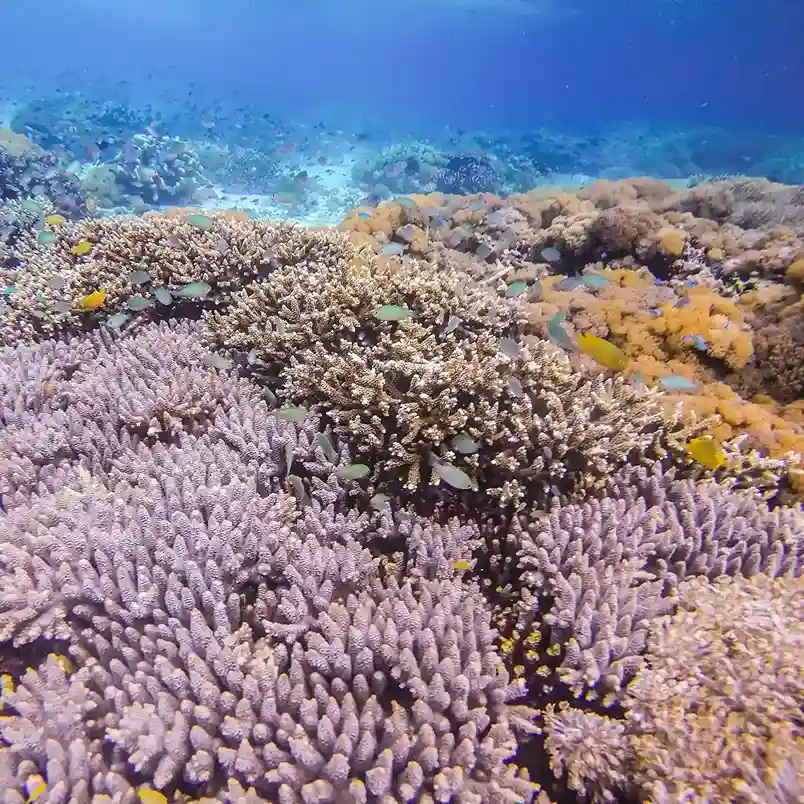
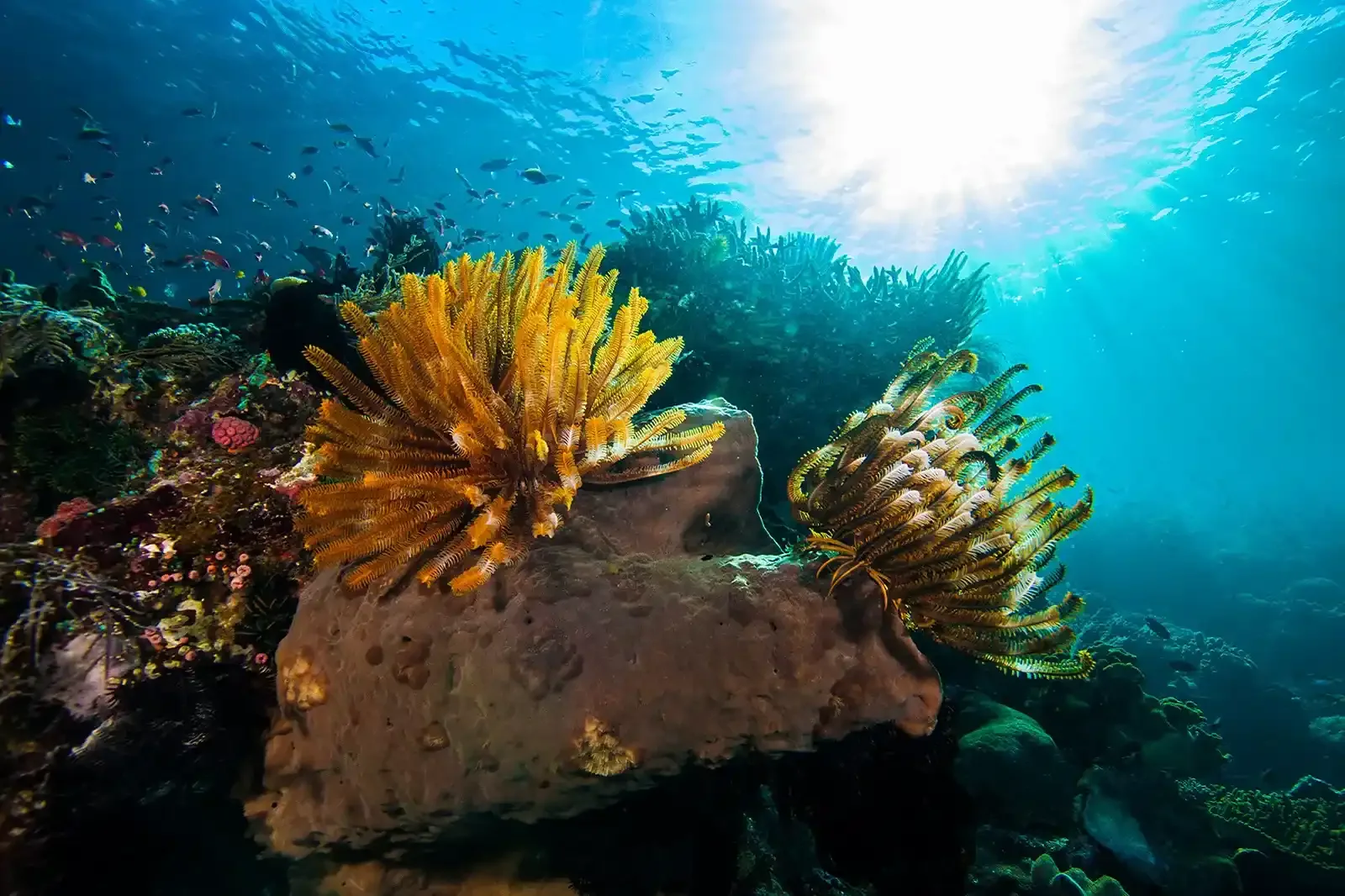
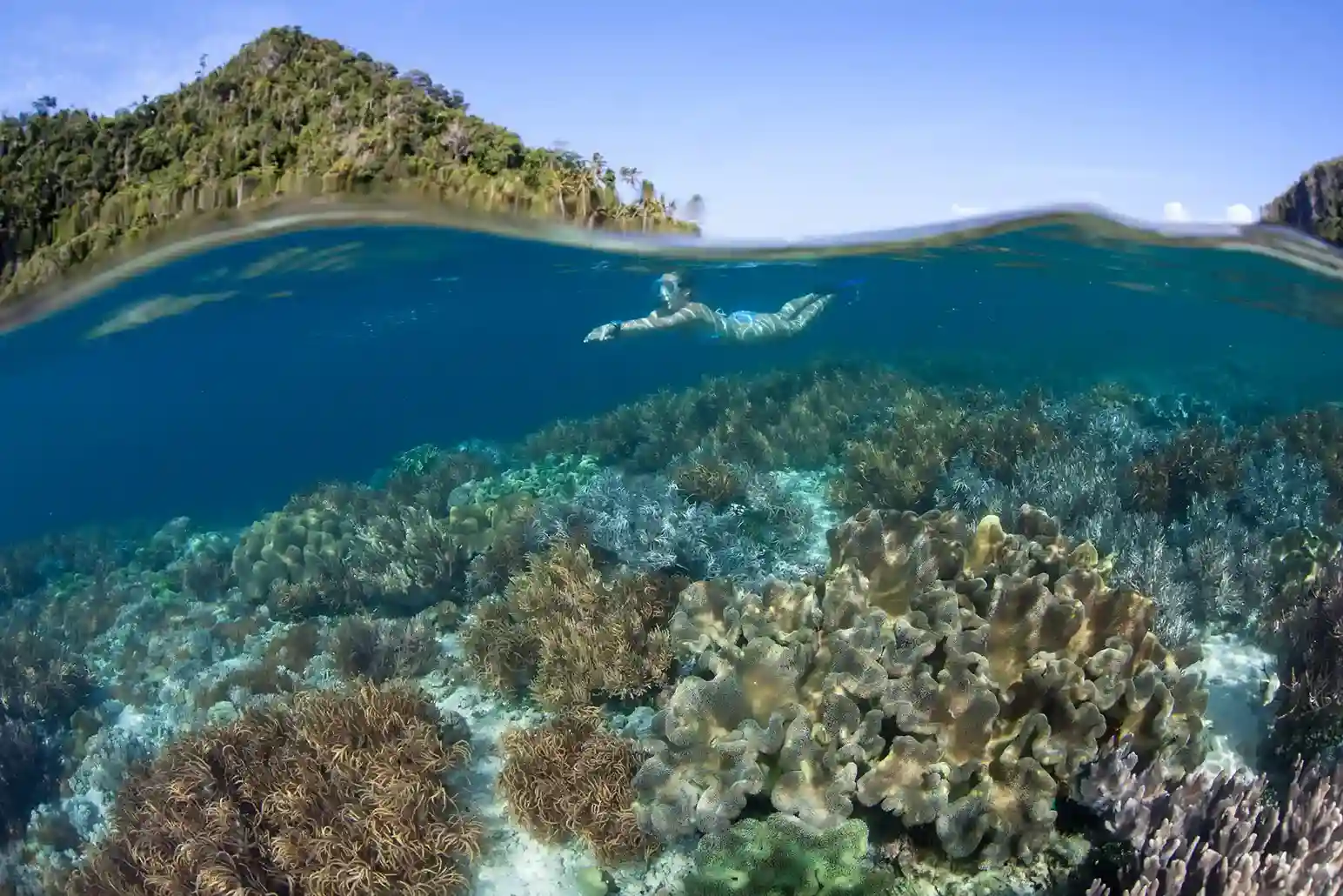
Soft coral formations throughout Cannibal Rock create three-dimensional structure that provides habitat for countless small organisms. Unlike hard corals that build rigid skeletons, soft corals sway and move with currents, creating dynamic environments where flexibility provides evolutionary advantage. The soft coral community at Cannibal Rock encompasses numerous species including gorgonians, leather corals, and various alcyonarian species that display remarkable color diversity. The flexibility of soft corals permits them to survive strong currents and sedimentation that would damage rigid hard coral structures, making them dominant in Cannibal Rock’s exposed location.

The complex interactions between soft corals and associated macro fauna create intricate ecological relationships where small creatures depend upon coral structure for shelter while contributing to coral health through symbiotic relationships. Coral-associated shrimp hover within coral branches, removing parasites and dead tissue. Small fish find protection within branching coral structures. Parasitic copepods and other crustaceans colonize coral surfaces. The cumulative diversity of these relationships, observable in careful detail at Cannibal Rock, reveals the extraordinary complexity hidden within apparently simple coral gardens.

Pygmy Seahorses and Cryptic Species

Pygmy seahorses, among the ocean’s most diminutive and cryptic species, concentrate at Cannibal Rock in numbers that make reliable encounters probable for divers working with experienced guides. These remarkable creatures, often measuring less than two centimeters in length, camouflage themselves with extraordinary precision against gorgonian corals and soft coral structures. The coloration and texture of pygmy seahorses matches their host corals so precisely that untrained eyes often overlook them entirely, even when positioned within immediate viewing distance. Experienced guides at Cannibal Rock develop almost superhuman ability to identify these cryptic creatures, pointing out individuals that would otherwise remain invisible to untrained observers.

The hunting of pygmy seahorses by guides creates ethical considerations requiring thoughtful reflection. Intensive searching for these vulnerable creatures can disturb their microhabitats and compromise their safety. Responsible operators limit the number of divers per guide to manageable levels and establish time limits for searching specific locations, preventing the harassment and over-disturbance that could harm these rare creatures. The commitment to sustainable practices distinguishes luxury operators from less conscientious alternatives, reflecting understanding that long-term access to these extraordinary creatures requires restraint and environmental stewardship.

Photographs of pygmy seahorses reveal the remarkable adaptations that permit these miniature creatures to survive in dynamic reef environments. The complex morphology that creates camouflage also generates striking visual compositions when photographed against contrasting backgrounds. Many macro photographers consider pygmy seahorse imagery among their most prized underwater photographs, representing the culmination of dedicated exploration and careful positioning. The rarity of successful pygmy seahorse encounters in most diving locations makes Cannibal Rock encounters particularly valuable to dedicated photographers.

Frogfish and Ambush Predator Diversity

Frogfish populations at Cannibal Rock provide extraordinary photographic opportunities and behavioral observations that captivate divers interested in predatory strategies and evolutionary adaptation. These benthic fish, camouflaged to match their substrate, remain virtually motionless until prey approaches within striking distance. Multiple frogfish species occur at Cannibal Rock, each displaying distinct coloration, body shape, and behavioral characteristics. The presence of multiple frogfish within a single dive site permits comparison and observation of species variation that enriches understanding of adaptive radiation within this fascinating fish family.

The frogfish hunting strategy exemplifies ambush predation taken to evolutionary extremes. Rather than actively hunting through reef environments like conventional predatory fish, frogfish invest metabolic energy conservatively, positioning themselves strategically and remaining motionless for extended periods. When prey approaches within range, the frogfish strikes with remarkable speed, engulfing the unfortunate prey organism. Divers patient enough to observe frogfish over extended periods sometimes witness these dramatic strike moments, experiencing the raw energy and precision of evolutionary adaptation directly. Such behavioral observations provide context and significance to photographs that extends beyond merely recording the frogfish’s appearance.

Frogfish coloration at Cannibal Rock ranges from cryptic browns and tans that match encrusting coralline algae, to shocking yellows, oranges, and reds that create striking photographic compositions. The elaborate skin texture and body modifications that contribute to camouflage also provide sculptural subjects for macro photography. Close examination of frogfish morphology reveals spines, skin appendages, and modified fin structures that serve specific functional purposes within their specialized ecological niche. The combination of behavioral interest and photographic appeal makes frogfish encounters among the most valued Cannibal Rock experiences.

Nudibranchs and the Intricate World of Invertebrate Diversity

Nudibranch populations at Cannibal Rock rival any tropical reef destination globally, both in species diversity and individual abundance. These remarkable gastropod mollusks, distinguishable by their lack of protective shells and extraordinary coloration, function as both predators and specialists in specific prey organisms. Some nudibranchs consume sea slugs and other gastropods. Others specialize in consuming hydroids, sea anemones, or specific soft coral species. This diversity of feeding strategies supports a diversity of species remarkable for a relatively small geographic area. Experienced macro divers at Cannibal Rock often encounter seven to twelve distinct nudibranch species during a single dive, numbers that would constitute exceptional days at most other diving locations.

The coloration of nudibranchs frequently matches or exceeds the complexity of coral reef fish, employing brilliant hues, contrasting stripes and bands, and elaborate dorsal appendages called cerata. The functions of nudibranch coloration remain incompletely understood by science, though several theories suggest warning coloration that advertises toxicity, or camouflage against specific background substrates. Photographic documentation of nudibranch diversity at Cannibal Rock contributes valuable data to ongoing scientific investigations of these fascinating creatures. Many photographs obtained by dive tourism participants ultimately contribute to taxonomic databases and scientific understanding of species distribution and ecology.

The ecological roles that nudibranchs play within reef ecosystems extend beyond their straightforward function as predators. Nudibranchs that consume toxic hydroids sequester the toxins within their own tissues, creating chemical defenses that protect them from larger predators. Other nudibranchs actively court and consume sea anemones, controlling anemone populations and preventing excessive reef coverage by these competitive organisms. The complex food webs that involve nudibranchs as keystone species demonstrate the elaborate interconnectedness of reef ecosystems, where the removal of apparently insignificant small creatures threatens to unravel the entire system.

South Komodo Location and Remote Access Logistics

The positioning of Cannibal Rock in the remote southern reaches of Komodo National Marine Park creates accessibility challenges that paradoxically preserve the site’s exceptional character. Day trip expeditions from Labuan Bajo face multi-hour transit times complicated by strong tidal currents and variable weather patterns that make reliable access during marginal weather periods impossible. The remoteness that creates logistical challenges also creates preservation benefits, as the difficulty of accessing Cannibal Rock prevents the casual visitation that often degrades tropical diving destinations. Only serious, committed divers willing to undergo rigorous liveaboard expeditions access this remarkable site, creating a self-selecting group of divers who understand and respect the marine environment.

The south Komodo position places Cannibal Rock along the eastern flank of the archipelago, where strong currents generated by tidal flows through the passages between islands create powerful, consistent water movement. These currents, potentially challenging for inexperienced divers, deliver nutrient-rich water that supports the extraordinary biodiversity that makes Cannibal Rock exceptional. Understanding the relationship between oceanographic conditions and biological productivity provides context for appreciating why Cannibal Rock supports such concentrated small-creature populations. The currents that challenge some divers create the exact conditions that make the site ecologically exceptional.

Liveaboard positioning is essential for accessing Cannibal Rock safely and efficiently. Overnight anchoring at the site permits diving during optimal current conditions, usually early morning hours when currents remain slack or manageable. The liveaboard platform allows for flexibility in dive scheduling that accommodates the dramatic tidal cycles and current variations that characterize south Komodo. Guests aboard luxury liveaboards benefit from professional knowledge accumulated through hundreds of previous visits, information that permits optimal positioning and dive planning that maximizes the probability of successful encounters and exceptional experiences.

Why Liveaboard Access Maximizes the Cannibal Rock Experience

The liveaboard advantage at Cannibal Rock extends far beyond simple geographic accessibility. Multiple daily dives permit exploration of different reef sections under varying current and lighting conditions, revealing different subjects and photographic opportunities that might be overlooked during a single dive. Early morning dives often encounter different nocturnal species that haven’t yet retreated to daytime hiding places. Late afternoon dives witness feeding activity and behavioral patterns that become more pronounced as the day ends. Night dives at Cannibal Rock reveal entirely distinct species assemblages, with many photogenic nocturnal creatures becoming active in darkness.

Luxury liveaboards operating in south Komodo often include specialized macro diving guides with expertise in identifying cryptic species and positioning divers for optimal photographic opportunities. These guides function as educators, explaining the behaviors, ecological relationships, and evolutionary adaptations that give context to the organisms divers encounter. The educational component transforms macro diving from simple species-hunting to genuine biological understanding, enriching the experience immeasurably. Guides equipped with underwater slates and lights frequently point out specific details that enhance diving experiences, from the defensive mechanisms of sea cucumbers to the camouflage adaptations of frogfish.

The concentrated expertise of professional macro diving guides represents accumulated knowledge refined through hundreds of dives at Cannibal Rock. These professionals understand seasonal variations in species distribution, optimal positioning for specific subjects, and the subtle indicators that reveal presence of cryptic species. Their knowledge accelerates the learning curve for recreational divers, permitting even novice macro photographers to achieve results that would require years of independent practice to develop independently.

Optimal Diving Conditions and Seasonal Patterns

Cannibal Rock’s exposure to strong tidal currents means that optimal diving conditions exist within narrow windows determined by tidal cycles and seasonal patterns. The best diving typically occurs during the changing seasons, particularly around the transition periods in October-November and March-April, when tidal amplitude remains moderate and wind patterns stabilize. The dry season, while optimal for many Komodo sites, occasionally brings strong easterly winds that generate heavy swells and challenging diving conditions at the exposed Cannibal Rock location.

Spring tide cycles create the strongest currents at Cannibal Rock, concentrating plankton and triggering feeding activity among planktivorous fish and filter-feeding invertebrates. During these periods, sea apples extend their feeding tentacles further, creating more striking visual presentations. The strong currents that characterize spring tides also challenge divers less experienced with current diving, creating a balance where the best conditions for underwater life observation coincide with the most demanding diving conditions. Professional operators carefully assess individual diver skills and current conditions, permitting experienced divers to enjoy strong current conditions while protecting less experienced participants through conservative dive planning.

Night diving at Cannibal Rock reveals nocturnal species and behaviors inaccessible during daylight exploration. Many nudibranchs become more active during darkness. Nocturnal shrimps emerge from daytime hiding places. Cryptic fish species that hide during the day venture into the open during darkness. The cool water temperatures and unique photographic conditions during night diving create opportunities distinct from daytime experiences. Night macro photography presents particular challenges but rewards patient photographers with images impossible to obtain during daylight hours.

Conservation and Responsible Macro Diving Practices

The concentration of vulnerable micro-fauna at Cannibal Rock places particular responsibility upon divers and operators to minimize environmental impact and avoid disturbance of fragile organisms. Improper handling, excessive flash photography, or aggressive pursuit of cryptic species can harm these creatures and compromise their long-term survival. Responsible macro diving demands rigorous attention to buoyancy control, minimal-contact approaches, and restraint in disturbing organisms for photographs. The difference between sustainable diving tourism and exploitative practices lies in these small decisions made during individual dives.

Professional guides establish guidelines limiting the time and intensity of searching for specific cryptic species, preventing the harassment and disturbance that could compromise species survival. Photographers are encouraged to observe subjects in their natural behaviors rather than manipulating them for improved photographic angles. These practices reflect understanding that sustainable access to Cannibal Rock depends upon preserving the integrity of the ecosystem that makes the site exceptional. Luxury operators distinguish themselves through commitment to these practices, understanding that short-term economic gains from intensive disturbance cannot offset the long-term losses that result from ecosystem degradation.

Frequently Asked Questions About Cannibal Rock

Is Cannibal Rock suitable for novice macro photographers or do I need advanced skills?

Cannibal Rock welcomes divers of all macro photography experience levels, from complete beginners to advanced professionals. The site’s extraordinary concentration of subjects means that even photographers with basic cameras and limited experience obtain impressive results. Experienced guides help position divers for optimal subjects and lighting. Many luxury liveaboards provide underwater photography workshops specifically designed for macro work, accelerating the learning curve for participants. The key to success lies not in expensive equipment but in patience, proper positioning, and willingness to learn from guide recommendations.

What is the minimum diving certification level required for Cannibal Rock?

Open Water certification suffices for most Cannibal Rock dives, though some dives occur at greater depths requiring Advanced Open Water certification or equivalent experience. The strong currents characterize some dives, making excellent buoyancy control and moderate current diving experience valuable. Additionally, macro diving rewards divers who have developed precision buoyancy and can maintain stable positioning in the water column. Divers uncomfortable with currents should communicate with guides, who can select alternative dive sites or schedule dives during slack current periods if available.

How do currents at Cannibal Rock compare to other Komodo dive sites?

Cannibal Rock experiences stronger and more consistent currents than many other Komodo locations due to its exposed southern position. Currents frequently range from light to moderate, occasionally becoming strong during spring tides and peak tidal flow periods. While challenging compared to sheltered reef environments, the currents at Cannibal Rock remain manageable for divers with reasonable current diving experience and excellent buoyancy control. The currents deliver the nutrient-rich water that supports the exceptional biodiversity that makes the site renowned. Professional operators schedule dives strategically to access the site during optimal current windows.

What equipment is essential for successful macro photography at Cannibal Rock?

A macro lens or close-focus wide-angle lens represents the foundation of Cannibal Rock macro photography, permitting photography of subjects ranging from a few millimeters to approximately thirty centimeters in length. A camera-mounted strobe or external lighting becomes essential for revealing true colors and details of small creatures. A focus light, manipulated via the dive light used for general illumination, helps locate cryptic subjects and compose photographs. A macro photography guide or reference book identifying common Komodo species enhances the educational value and context of the photographic expedition. Many divers successfully utilize smartphone underwater cameras and simple compact cameras, limiting their subjects but still achieving impressive results.

Are there specific seasons when certain macro subjects are more abundant at Cannibal Rock?

Certain macro subjects display seasonal abundance patterns, though the absolute concentration of subjects at Cannibal Rock remains high throughout the year. Nudibranchs tend to be more abundant and active during transitional seasons when temperature fluctuations trigger spawning and active feeding behaviors. Frogfish populations appear relatively consistent throughout the year. Sea apple abundance may fluctuate seasonally based on plankton availability and water temperature. Rather than being unavailable during certain seasons, subjects typically become more difficult to locate during off-season months. Professional guides possess detailed knowledge of these patterns and adjust expectations and diving strategies accordingly.

How close can I get to subjects like pygmy seahorses and frogfish without disturbing them?

Appropriate distances vary depending on the specific species and individual creature tolerance. Pygmy seahorses generally permit very close approach, as they remain essentially stationary once discovered. Frogfish may adjust positioning or hide if approached too aggressively. Guides develop experience-based understanding of safe approach distances and behavioral thresholds. Photography positioning is typically dictated by lens focal length and desired composition rather than by rigid distance rules. The primary principle guiding interactions is minimizing disturbance while maintaining subject safety and allowing natural behaviors to continue undisturbed.

Can I combine Cannibal Rock with other Komodo dive sites on a liveaboard trip?

Yes, most south Komodo liveaboard itineraries include Cannibal Rock among several other exceptional sites. Typical expeditions might include Batu Bolong, Rinca Island dives, and other macro-focused or broader diving locations. This variety enriches the overall experience, providing contrast and comparison between different environments. The typical week-long liveaboard itinerary includes Cannibal Rock as a highlight while incorporating other sites that showcase different aspects of the region’s diving excellence. Coordinating with operators during booking permits customization of itineraries to emphasize macro diving or broaden the scope to include larger marine life encounters.

What is the significance of the name “Cannibal Rock” and does it affect the diving experience?

The nomenclature reflects historical references to South Komodo’s indigenous people and the dramatic, challenging nature of the rocky pinnacle structure. The name carries cultural and historical significance within the region while serving as distinctive marker for this specific dive site. The name does not affect the diving experience directly, though it reflects the remote, challenging nature of the location. The site’s remoteness and difficulty of access have preserved its ecological integrity, making the name indicative of the conditions that enable the site’s current exceptional status. Professional dive operators approach the site with deep respect for its cultural significance and commitment to environmental stewardship that honors both the cultural heritage and natural resources of south Komodo.

Ready to Explore Komodo?

Start planning your luxury liveaboard adventure through Komodo National Park. Our team is ready to craft your perfect voyage.

WhatsApp Bali Medical Concierge