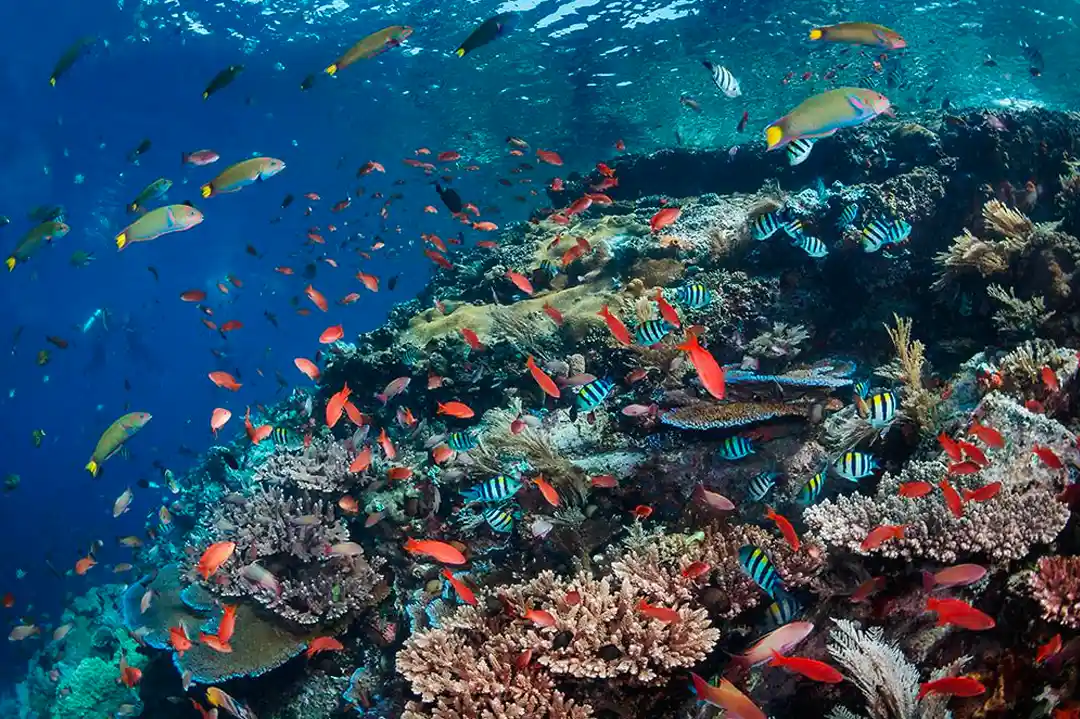
Quick Answer: Batu Bolong is Komodo’s most iconic dive site, featuring a dramatic underwater pinnacle that rises from 60+ meters with exceptional biodiversity including reef sharks, napoleon wrasse, giant trevally, and sea turtles. Best dived during the dry season (April-December) with strong currents that attract pelagic life, making it ideal for intermediate to advanced divers seeking world-class liveaboard diving experiences.
Batu Bolong: Komodo’s Premier Underwater Pinnacle
Batu Bolong stands as the crown jewel of Komodo’s dive sites, a world-renowned destination that consistently ranks among the finest diving experiences in Indonesia and Southeast Asia. Located in the heart of the Komodo National Park, this spectacular dive site has captivated underwater photographers, marine scientists, and diving enthusiasts for decades. The name “Batu Bolong”—meaning “rock with a hole” in Indonesian—refers to the distinctive underwater pinnacle that defines this extraordinary location. This is not merely a dive site; it is a pilgrimage for serious divers who understand that true luxury lies in witnessing nature’s most pristine and dynamic expressions beneath the waves.
The transformation from surface to depths at Batu Bolong represents one of Indonesia’s most dramatic underwater transitions. The reef structure begins at approximately 8 meters and descends through a spectacular sequence of rocky outcrops, coral formations, and open water columns that create a three-dimensional diving environment unlike anywhere else in the region. As a featured dive site in our comprehensive directory, Batu Bolong offers consistently excellent conditions and predictable marine life encounters that justify its premium reputation among liveaboard operators and independent dive centers throughout Komodo.
The Underwater Pinnacle: Geology and Structure
The pinnacle at Batu Bolong rises dramatically from the seafloor, creating what marine geologists describe as a submerged seamount with exceptional current-focusing properties. The primary pinnacle extends from approximately 40 meters at its base to within 8 meters of the surface, though secondary rocky formations and coral-encrusted boulders create multiple diving routes depending on depth capabilities and air management preferences. The distinctive “hole” that gives the site its name occurs at approximately 12 meters, a tunnel-like passage that provides safe passage during optimal conditions and serves as a natural gathering point for schooling fish and hunting predators.
The geological composition of Batu Bolong reflects the complex tectonic activity that shaped the Komodo region. The exposed rock faces provide excellent substrate for coral colonization, and centuries of thriving coral growth have created a living reef ecosystem that supports an astonishing diversity of marine species. The pinnacle’s exposed surfaces face into prevailing current directions, creating surge channels that concentrate nutrients and attract the large pelagic species that Komodo is famous for. When diving at Batu Bolong as part of our specialized liveaboard itineraries, experienced guides position divers to intercept passing sharks and large schooling fish, creating moments of profound marine interaction that define a true luxury diving experience.
Marine Life: The Living Reef Community
Batu Bolong’s reputation rests fundamentally on the extraordinary abundance and diversity of marine life that inhabits its waters. The site functions as a major feeding and breeding ground for species that have learned to exploit the nutrient-rich currents that sweep across the pinnacle. Reef sharks represent the iconic residents of Batu Bolong, with grey reef sharks being the most common large predator. These magnificent creatures patrol the deeper sections of the pinnacle with what appears to be deliberate grace, their presence lending an electric energy to every dive. Blacktip reef sharks also frequent the site, particularly in shallower water columns where they hunt smaller fish schools.
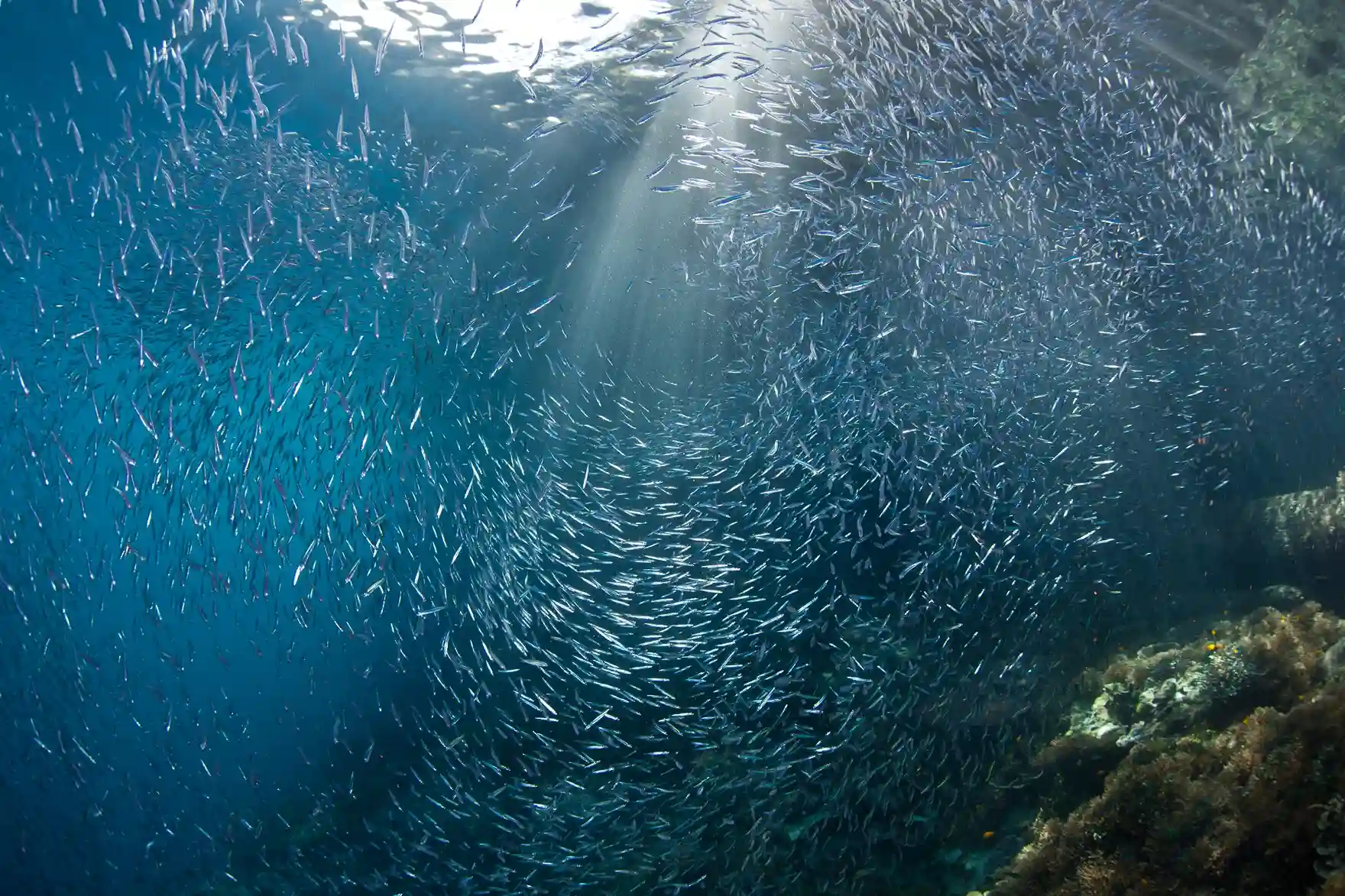
The napoleon wrasse, recognizable by its distinctive hump forehead and impressive size, appears regularly at Batu Bolong, often in pairs or small groups. These intelligent fish, which can exceed two meters in length, demonstrate remarkable awareness of divers and frequently approach in apparent curiosity. Giant trevally patrol the pinnacle in schools, their torpedo-shaped bodies and aggressive hunting behavior creating compelling underwater photography opportunities. Seeing a coordinated attack by a school of giant trevally on smaller fish represents one of the ocean’s most dramatic predator-prey interactions, and such moments occur regularly at Batu Bolong during dive seasons.
The pinnacle’s reef structure provides habitat for countless smaller species that collectively create the rich biodiversity Komodo is celebrated for. Angelfish, parrotfish, snappers, groupers, and fusiliers create living clouds of color around the coral formations. Sea turtles appear frequently, particularly hawksbill and green turtles that navigate the current flows with practiced efficiency. The presence of turtles adds a meditative dimension to Batu Bolong diving—encountering these ancient mariners creates opportunities for contemplative observation that many divers describe as spiritually moving.
Currents and Difficulty: Understanding the Conditions
Batu Bolong’s strong reputation among advanced divers stems directly from its challenging current conditions, which are not obstacles to be overcome but rather dynamic forces that create the exceptional marine life encounters the site is famous for. The currents that sweep across Batu Bolong flow primarily from northwest to southeast during most seasons, though directional variations occur depending on tidal cycles and seasonal wind patterns. Current speeds regularly exceed 1.5 knots and can reach 2-3 knots or higher during spring tides and peak season periods.
These strong currents serve as the site’s life force, concentrating nutrients that support the abundant coral and fish communities while simultaneously drawing large pelagic species to the pinnacle. Understanding how to use current rather than fight against it represents a fundamental skill for Batu Bolong diving. Proper technique involves positioning yourself along the pinnacle to allow the current to present wildlife opportunities while avoiding unnecessary effort. Experienced divers descend early, position themselves strategically, and allow the current to deliver the dive experience rather than attempting to swim against it.
Batu Bolong is most appropriately dived by intermediate to advanced divers with solid buoyancy control, good air management, and comfort with strong current conditions. Absolute minimum requirements include advanced open water certification or equivalent experience, though Rescue Diver or Divemaster-level training is more suitable for maximizing safety and enjoyment. When diving through our specialized booking platform, all divers receive comprehensive pre-dive briefings that detail current conditions, safety protocols, and recommended positioning strategies. Our professional guides have logged hundreds of dives at Batu Bolong and excel at positioning divers for optimal encounters while maintaining absolute safety standards.
Best Conditions: Timing Your Batu Bolong Experience
Batu Bolong can be dived year-round, though seasonal variations significantly impact conditions and marine life encounters. The dry season (April through December) represents the prime diving period, with April through June and September through November offering the most consistent excellent conditions. During these periods, currents tend toward optimal strength—powerful enough to deliver excellent marine life encounters but not overwhelmingly strong—while visibility typically exceeds 25 meters and frequently reaches 40+ meters on exceptional days. Water temperatures during the dry season range from 27-29°C, providing comfortable diving in standard wetsuits.
The wet season (January through March) brings increased rainfall and occasional rough seas, though diving remains possible during breaks between storms. Wet season diving produces excellent coral reproduction spectacles and sometimes cleaner water during specific conditions, though weather unpredictability makes detailed pre-dive planning essential. Visibility during the wet season ranges from 15-30 meters depending on recent rainfall and tidal patterns. Water temperatures increase to 29-30°C, requiring minimal thermal protection.
Tidal cycles significantly impact Batu Bolong diving conditions. Slack tide periods—the brief windows when tidal currents pause before reversing—offer opportunities for more relaxed diving and detailed coral observation. Spring tides (occurring during new and full moons) produce the strongest currents but simultaneously deliver the most impressive pelagic fish aggregations. Neap tides (occurring between full and new moons) generate weaker currents suitable for divers less experienced with strong current conditions. When planning dive experiences at Batu Bolong, professional guides coordinate dive times with tidal cycles to match diver experience and preferences with actual conditions.
The Dive Briefing: What to Expect
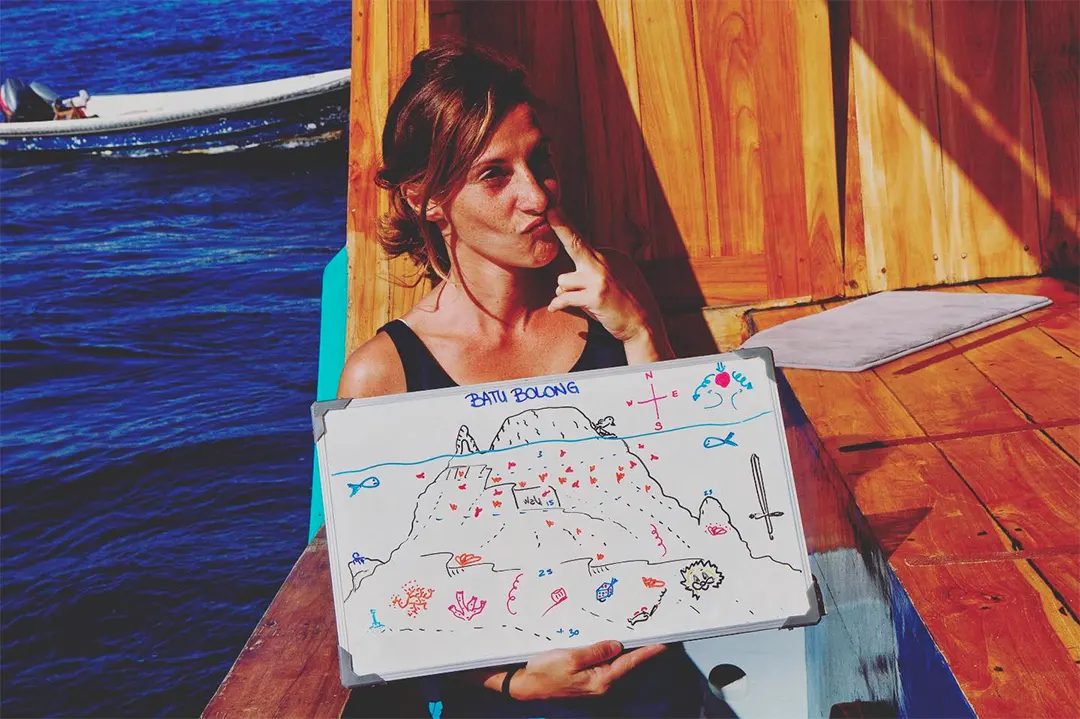
Professional dive briefings for Batu Bolong establish safety parameters while maximizing the experience. Guides describe the current direction and anticipated strength, explain the descent route and underwater topography, identify the primary marine life that divers are likely to encounter, and establish clear protocols for staying together and managing air. The briefing covers the location of the distinctive “hole” in the pinnacle, its depth and safe transit procedure, and alternative route options depending on changing conditions.
Safety protocols for Batu Bolong diving include establishing maximum depth limits (typically 40-45 meters for recreational divers), setting air turn-around points where divers begin ascent regardless of remaining bottom time, and establishing clear visual signals and positioning procedures. Divers learn to position themselves at angles to the current rather than directly in the flow, reducing the physical effort required to maintain position while increasing the time spent observing marine life. The briefing explains that the dive is not a race to swim the pinnacle but rather a positioning exercise where patience and good buoyancy control facilitate wildlife encounters.
The Liveaboard Advantage: Maximizing Batu Bolong
While Batu Bolong can be dived from day-trip centers based in Flores, the site’s true potential emerges when accessed through full liveaboard diving experiences. Liveaboard vessels position overnight near Batu Bolong, enabling early morning dives that often feature excellent visibility and optimal light for marine life encounters and underwater photography. The ability to dive Batu Bolong multiple times during a week-long liveaboard—typically three to four dives including night diving opportunities—allows divers to build understanding of the site’s current patterns, develop relationships with specific marine life (certain turtles and fish become recognizable), and refine techniques for maximizing this world-class diving.
Liveaboard advantages extend beyond multiple dive opportunities. Professional crews maintain sophisticated weather monitoring systems that allow for flexible dive scheduling based on actual conditions rather than predetermined itineraries. If morning conditions at Batu Bolong are suboptimal, the vessel relocates to alternative sites, returning to Batu Bolong when conditions improve. This flexibility, combined with rapid response diving from the vessel, transforms Batu Bolong from a single destination into a complete dive experience that reveals the site across multiple conditions and perspectives.
Many divers report that Batu Bolong transformed their understanding of diving itself. The combination of technical challenge, exceptional marine life, and dramatic underwater topography creates an experience that extends beyond simple recreation into something approaching spiritual communion with the ocean. Returning to Batu Bolong—and many divers do so repeatedly, booking multiple liveaboard experiences—provides opportunities to refine skills, deepen understanding, and repeatedly experience moments of profound connection with the natural world.
Related Dive Sites Worth Exploring
Batu Bolong serves as the anchor site for most Komodo liveaboard itineraries, though the region offers many other extraordinary diving locations. Castle Rock, located nearby, provides equally strong currents and different underwater topography that showcases Komodo’s geological diversity. Crystal Rock offers calmer conditions with exceptional soft coral formations and nudibranchs that appeal to divers seeking macro-photography opportunities. Combining these three sites across a single liveaboard week provides a comprehensive experience of Komodo’s diving diversity.
Frequently Asked Questions About Batu Bolong Diving
What is the minimum certification level required for Batu Bolong?
Batu Bolong is recommended for intermediate to advanced divers with Advanced Open Water Certification or equivalent experience. The strong currents and deep pinnacle structure require solid buoyancy control, excellent air management, and comfort with challenging conditions. While some less experienced divers do dive Batu Bolong with professional guides and restrictive depth limits, Open Water Certification alone is not sufficient preparation. Most professional operators recommend Rescue Diver certification or Divemaster-level training for optimal safety and enjoyment at this site.
How strong are the currents at Batu Bolong?
Current speeds at Batu Bolong typically range from 1.5 to 2.5 knots during normal conditions, with stronger currents (3+ knots) occurring during spring tides. The currents create challenging conditions but also deliver the exceptional marine life encounters Batu Bolong is famous for. Proper diving technique involves using the current to your advantage rather than fighting against it. Experienced guides position divers strategically to maximize the benefits of current flow while maintaining safety.
What marine life can I expect to see at Batu Bolong?
Batu Bolong is famous for abundant large marine life including reef sharks (grey reef sharks and blacktip reef sharks), napoleon wrasse, giant trevally in large schools, groupers, snappers, angelfish, parrotfish, sea turtles (hawksbill and green), and seasonal appearances of manta rays and whale sharks. The site also supports colorful reef fish and invertebrate communities. Marine life encounters are highly probable, though not guaranteed—the ocean always retains elements of unpredictability that make diving a genuine adventure.
What is the best time of year to dive Batu Bolong?
The dry season (April through December) represents the prime diving period, with April-June and September-November offering the most consistent excellent conditions. These periods feature optimal currents, visibility exceeding 25-40+ meters, and comfortable water temperatures. Batu Bolong can be dived year-round, though wet season months (January-March) bring weather unpredictability and occasional visibility reduction due to rainfall runoff.
Can I dive Batu Bolong on a day trip from Flores?
Yes, Batu Bolong can be dived from day-trip operations based in Flores, typically requiring 45-90 minutes of boat travel depending on departure location. However, the site’s full potential is realized through liveaboard diving experiences, which allow multiple dives, flexible scheduling based on conditions, and overnight positioning for optimal light and visibility. Liveaboards typically cost significantly more than day trips but deliver proportionally superior experiences at world-class sites like Batu Bolong.
What depth should I expect at Batu Bolong?
The main pinnacle descends from approximately 8 meters at the shallowest sections to 40+ meters at deeper portions. Most dives operate between 12-35 meters depth, though individual depth varies based on diver certification, experience, and operator guidelines. The distinctive “hole” through the pinnacle occurs at approximately 12 meters. Recreational diving limits typically restrict dives to 40 meters maximum, while technical diving can extend deeper. Your dive guide will establish depth parameters during the pre-dive briefing.
How long are typical dives at Batu Bolong?
Typical recreational dives at Batu Bolong last 45-55 minutes, though duration varies based on diver air consumption, bottom time, and operator guidelines. The strong currents result in somewhat faster air consumption than calmer conditions, and many divers find their air depletes more quickly than at other sites. Professional guides monitor air supplies carefully and initiate ascents with appropriate safety margins. Liveaboard operations typically conduct multiple dives daily with surface intervals for rest and equipment checking.
Is Batu Bolong suitable for underwater photography?
Batu Bolong is exceptional for underwater photography, particularly for wide-angle work capturing the dramatic pinnacle topography alongside large marine life. The strong currents and abundant pelagic fish create dynamic, action-filled photography opportunities. The dry season provides excellent visibility and light penetration that enhances color saturation in photographs. However, the challenging conditions require solid diving skills—photographers must maintain excellent buoyancy and positioning while managing camera equipment. Many serious underwater photographers specifically book liveaboard trips featuring Batu Bolong to maximize photography opportunities across multiple dives in varying conditions.
Planning Your Batu Bolong Diving Experience
Batu Bolong represents the pinnacle of luxury diving experiences in Indonesia, combining technical challenge with exceptional marine life encounters in a setting of dramatic natural beauty. Whether you’re an advanced diver seeking to develop new skills or an experienced underwater explorer returning to one of the world’s greatest dive sites, Batu Bolong delivers transformative experiences that justify its legendary reputation.
Begin your planning through our comprehensive booking platform, which provides access to vetted liveaboard operators, day-trip providers, and specialized dive services throughout Komodo. Our diving information resources offer detailed guidance on preparation, certification requirements, and logistical planning. The dive guides at every professional operator in Komodo understand that Batu Bolong demands respect for both the environment and the challenging conditions—this understanding ensures safe, responsible diving that protects the site’s ecological integrity while delivering the world-class experiences that make Batu Bolong a legendary diving destination.