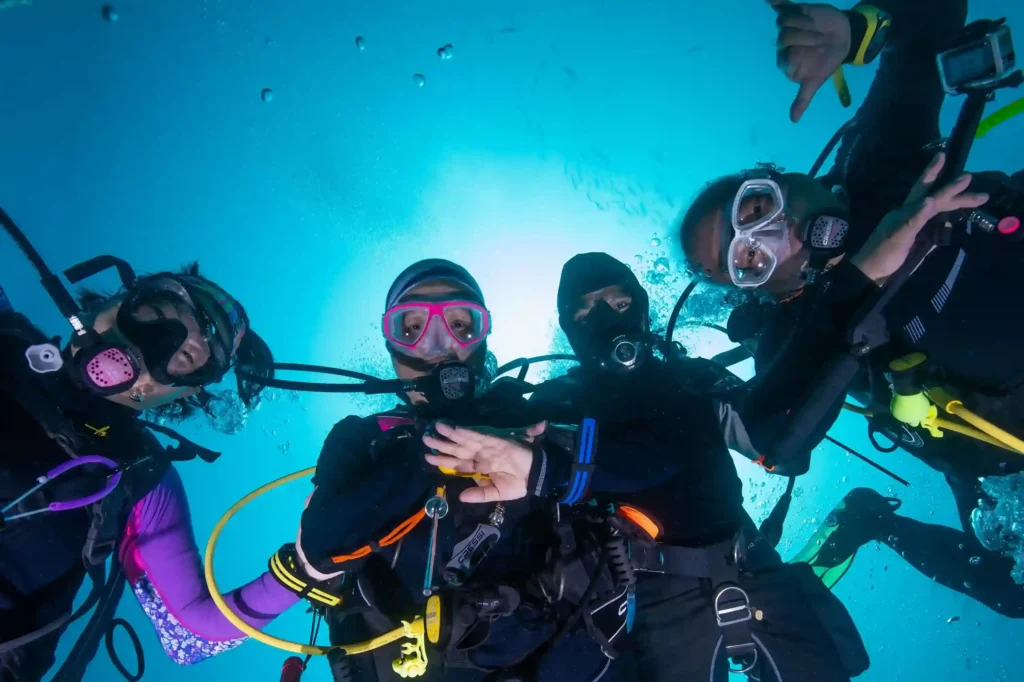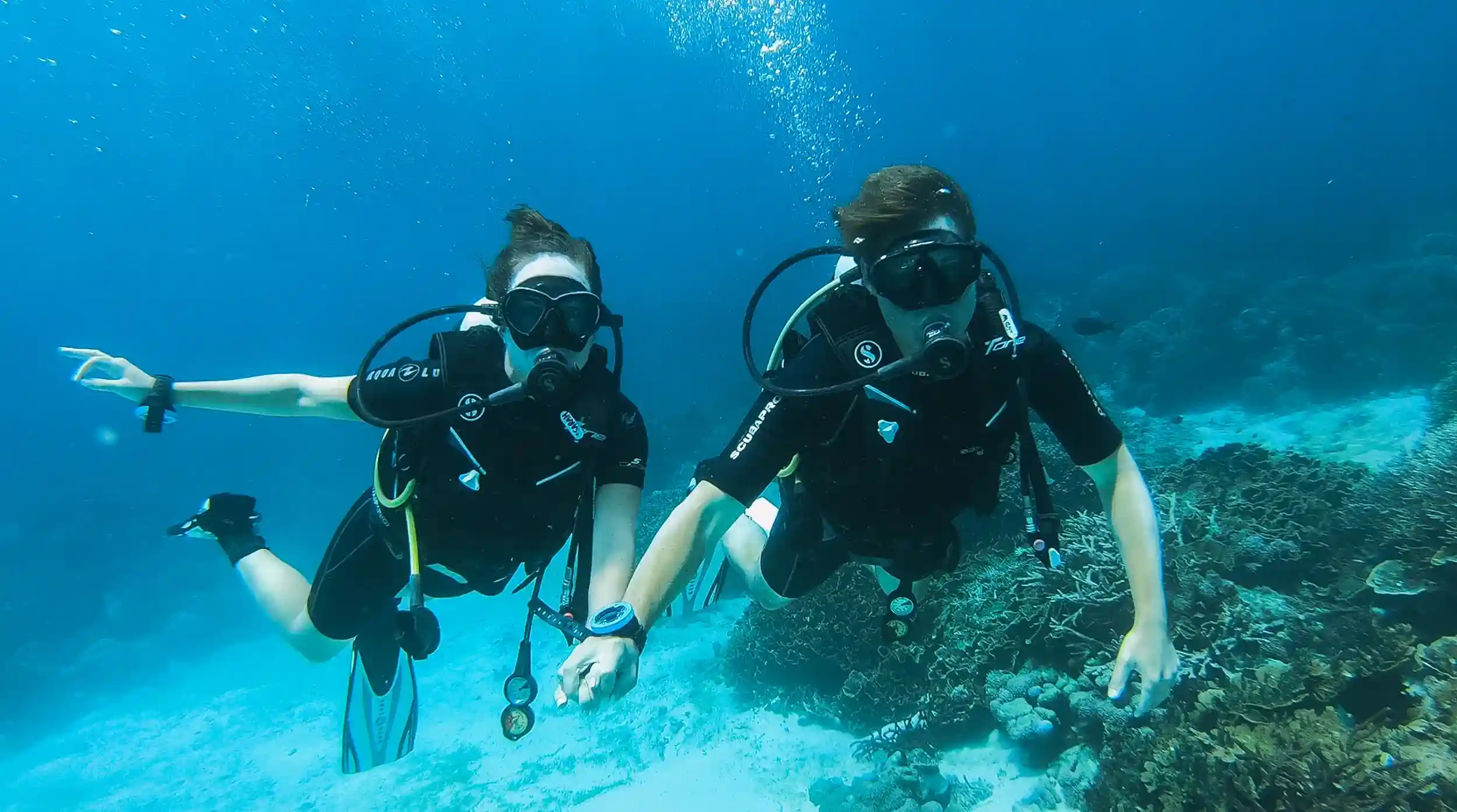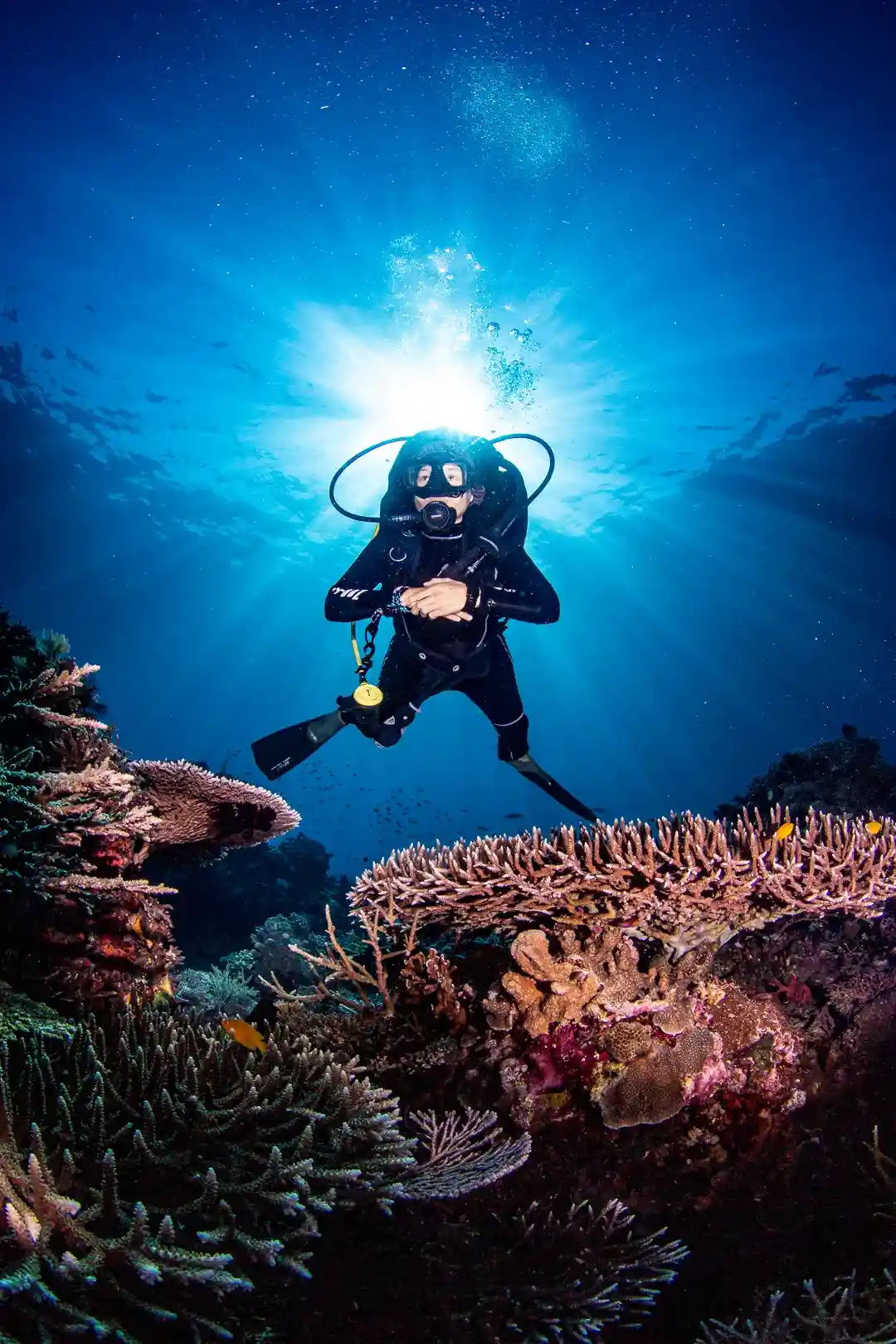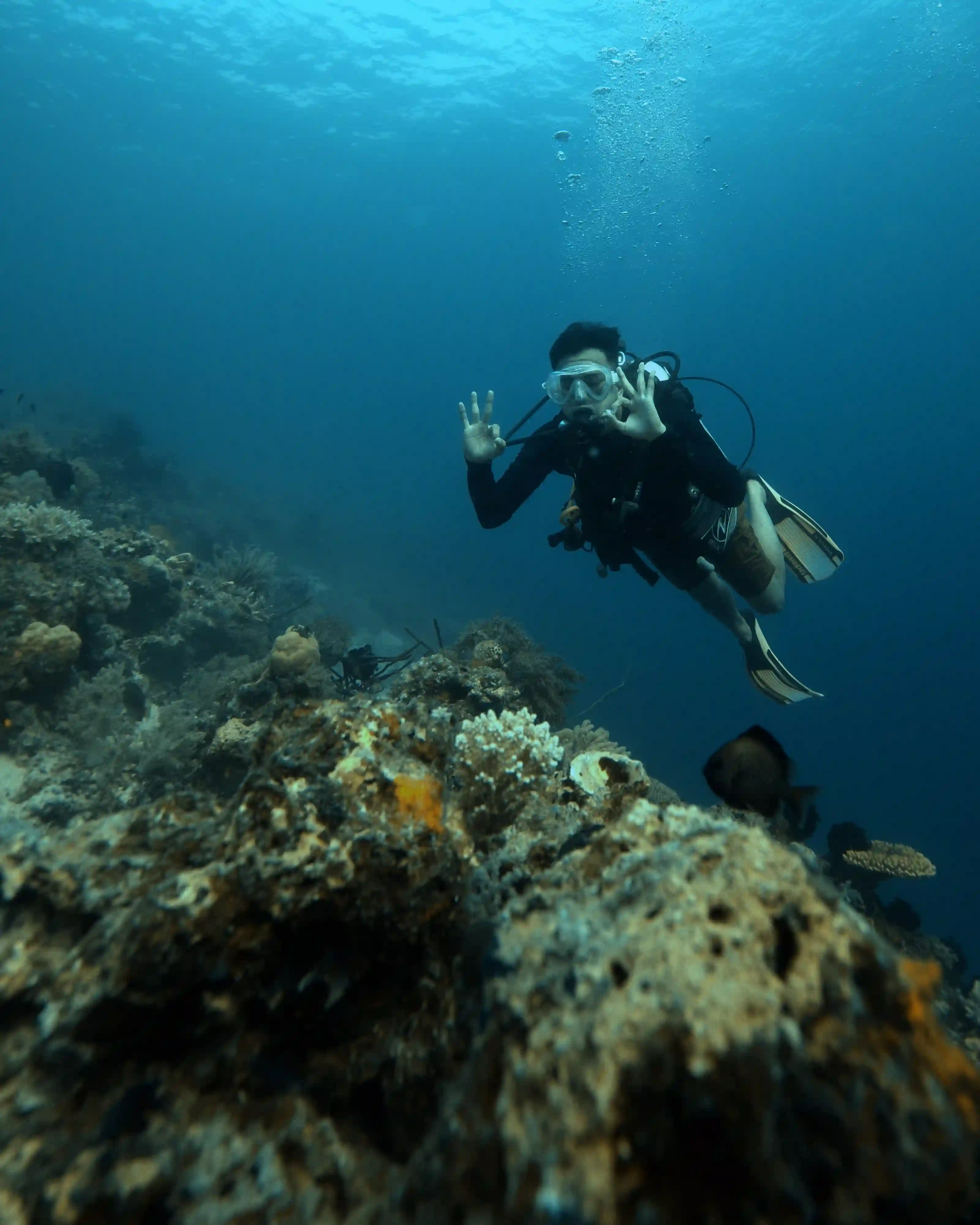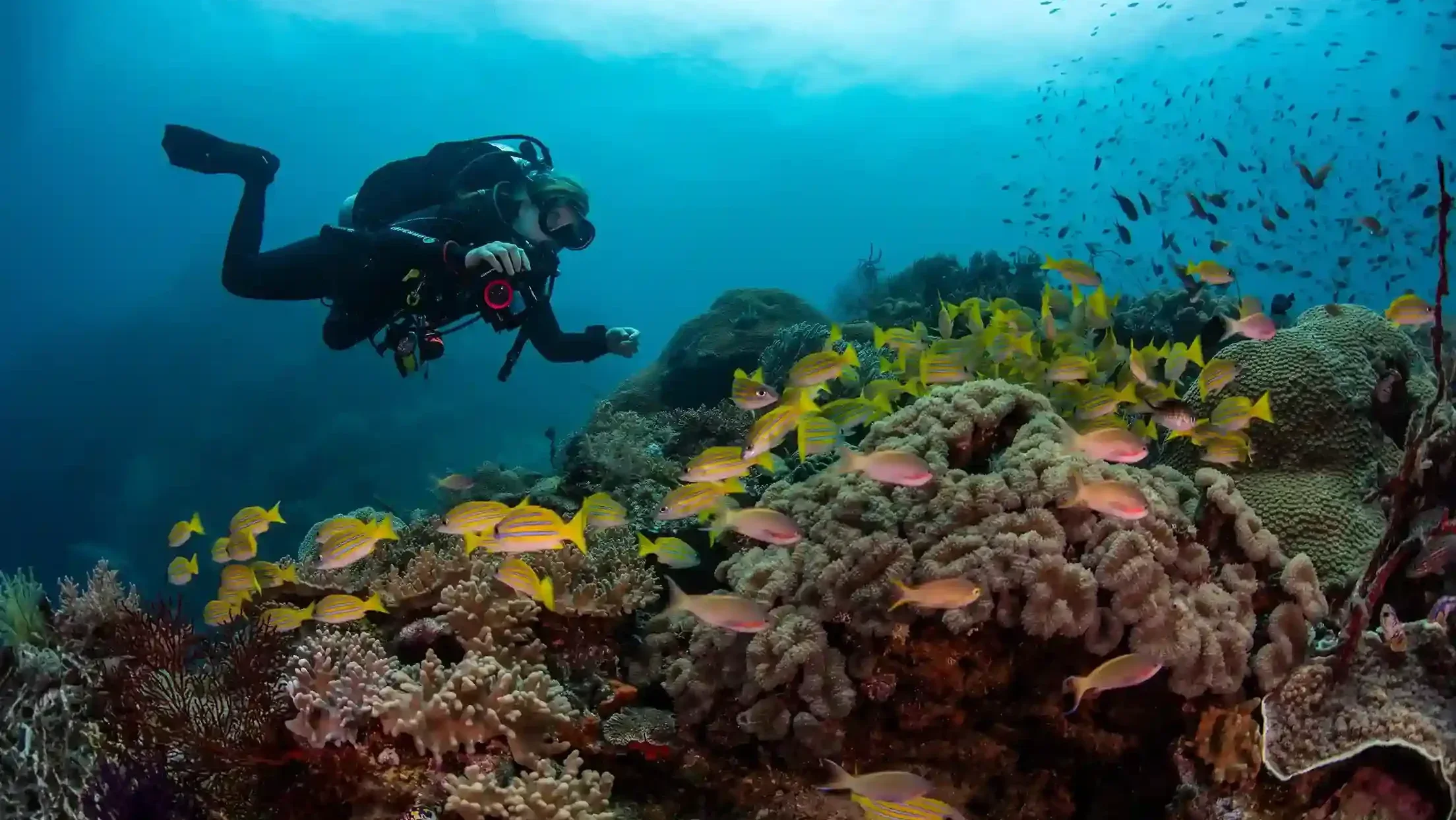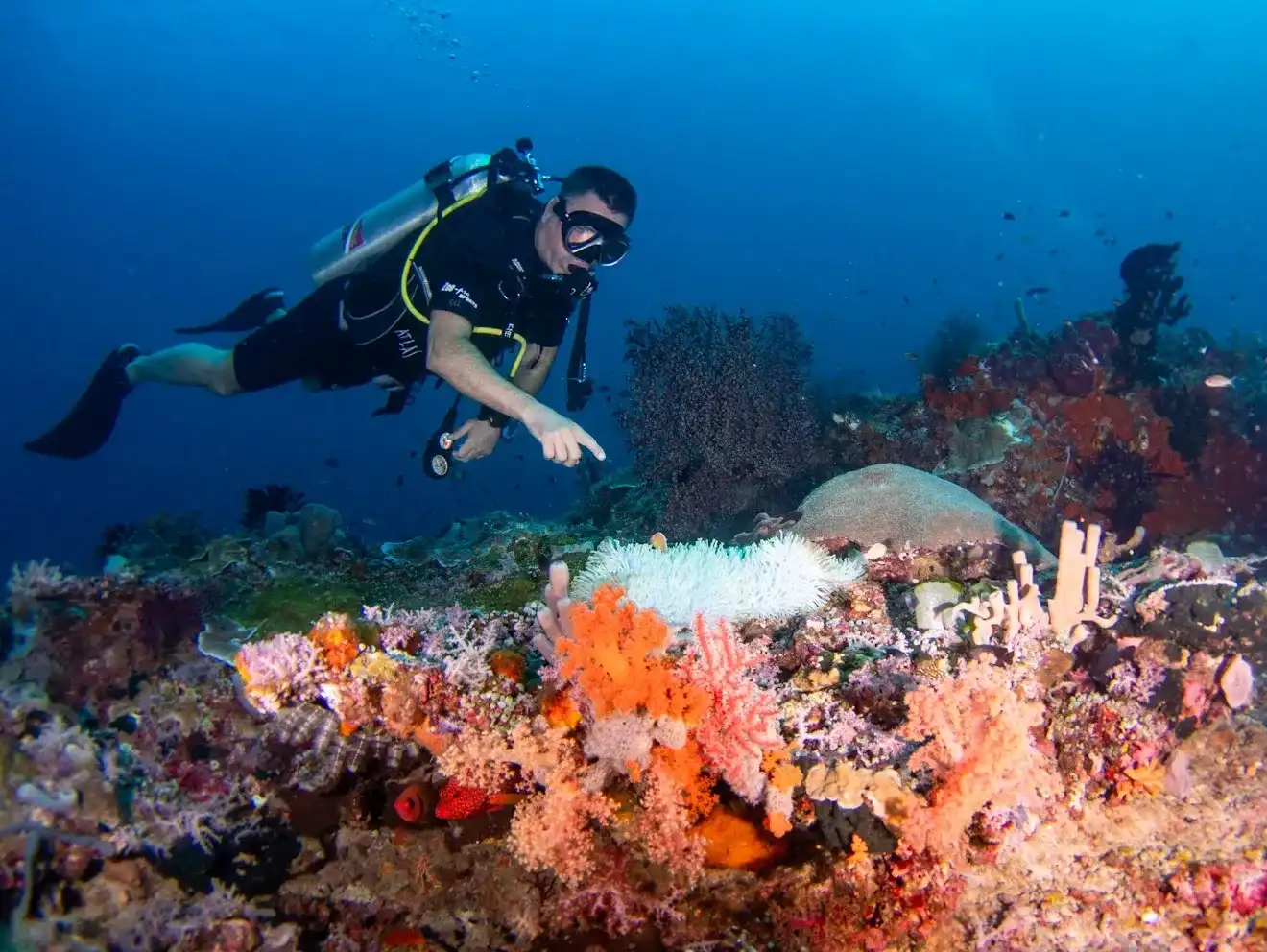
Quick Answer: Komodo National Park has 20+ world-class dive sites including Batu Bolong, Castle Rock, Crystal Rock, and Manta Alley, offering encounters with manta rays, reef sharks, turtles, and over 1,000 species of tropical fish.
Komodo National Park encompasses over 29 pristine dive sites featuring dramatic underwater topography, world-class current-swept walls, abundant manta ray encounters, and exceptional macro marine life. With water temperatures ranging from 26-29°C year-round and visibility frequently exceeding 25 meters during peak season, Komodo stands as one of Asia’s premier diving destinations for adventurous divers seeking unparalleled biodiversity and breathtaking underwater landscapes.
Discover the World’s Most Spectacular Komodo Dive Sites
Nestled within the Coral Triangle at the heart of the Indonesian archipelago, Komodo National Park diving represents one of the last true frontiers for underwater exploration. This UNESCO World Heritage Site encompasses a remarkable collection of dive sites that showcase the raw power of ocean currents, the majesty of ancient geological formations, and the incredible biodiversity that makes this region legendary among the global diving community.
Whether you’re a seasoned technical diver seeking adrenaline-pumping encounters with massive pelagics or a macro photographer hunting for rare critters and unusual species, the best dive sites Komodo has to offer deliver unforgettable experiences that few other destinations can match. Our curated selection of premier dive locations combines accessibility for intermediate divers with challenging terrain for advanced explorers, ensuring that every visitor to Komodo diving destinations finds their perfect underwater adventure.
The allure of komodo national park diving extends far beyond the simple act of submerging beneath the surface. Each site tells a unique geological story, shaped by tectonic forces and sculpted by relentless ocean currents that have created some of the most dramatic underwater topography anywhere on Earth. The convergence of the Indian and Pacific Oceans creates dynamic water conditions that fuel exceptional marine productivity, attracting everything from tiny pygmy seahorses to massive manta rays and sleek sharks.
Why Komodo Reigns as Asia’s Premier Diving Destination
The reputation of komodo dive sites extends globally for compelling reasons. The region’s unique geographic position creates a natural laboratory of marine biodiversity where tropical species intermingle with temperate water organisms, resulting in an astonishingly diverse ecosystem that astounds marine biologists and delights divers with every descent.
The dramatic underwater geography distinguishes Komodo from other tropical destinations. Rather than gentle coral gardens and sloping reefs, Komodo diving emphasizes steep walls that plunge into abyssal depths, towering pinnacles that thrust skyward from the seafloor, and narrow channels where powerful currents accelerate into stunning underwater expressways. This dynamic terrain demands respect and proper preparation but rewards divers with unmatched visual drama and abundant wildlife encounters.
The commitment to marine conservation ensures that these precious ecosystems remain protected and thriving. Komodo National Park maintains strict regulations on diving operations, visitor numbers, and environmental practices, preserving the pristine conditions that make these dive sites so exceptional. When you choose komodo national park diving, you participate in sustainable tourism that directly supports marine protection efforts and the livelihoods of local communities.
Exploring the Distinct Categories of Komodo Dive Sites
The diversity of best dive sites Komodo naturally organizes into several distinct categories, each offering unique characteristics, challenges, and rewards for different diver preferences and experience levels.
Current-Swept Walls and Drift Diving Sites
The most iconic komodo dive sites feature dramatic vertical walls that plunge hundreds of meters into the deep ocean. These sites epitomize the power and majesty of Komodo diving, where strong currents sweep across pristine walls teeming with vibrant coral growth and schooling fish. Sites like Batu Bolong, Castle Rock, and Tatawa Besar represent the pinnacle of current-diving experiences.
Drifting along these walls at depths between 12 and 40 meters, divers encounter dense schools of jacks, trevally, and snapper, alongside resident populations of reef sharks and eagle rays. The current-swept walls support exceptional coral diversity, with hard and soft corals creating vibrant gardens that fringe the rocky structures. Peak visibility at these sites frequently exceeds 30 meters, creating opportunities for photography that captures the true scale and beauty of these underwater monuments.
The Crystal Rock site exemplifies the thrilling conditions found throughout Komodo, where currents create a dynamic diving experience that demands excellent buoyancy control and strong finning technique. This site challenges experienced divers while providing exhilarating rewards in the form of pelagic encounters and spectacular scenery.
Manta Ray Hotspots and Pelagic Encounters
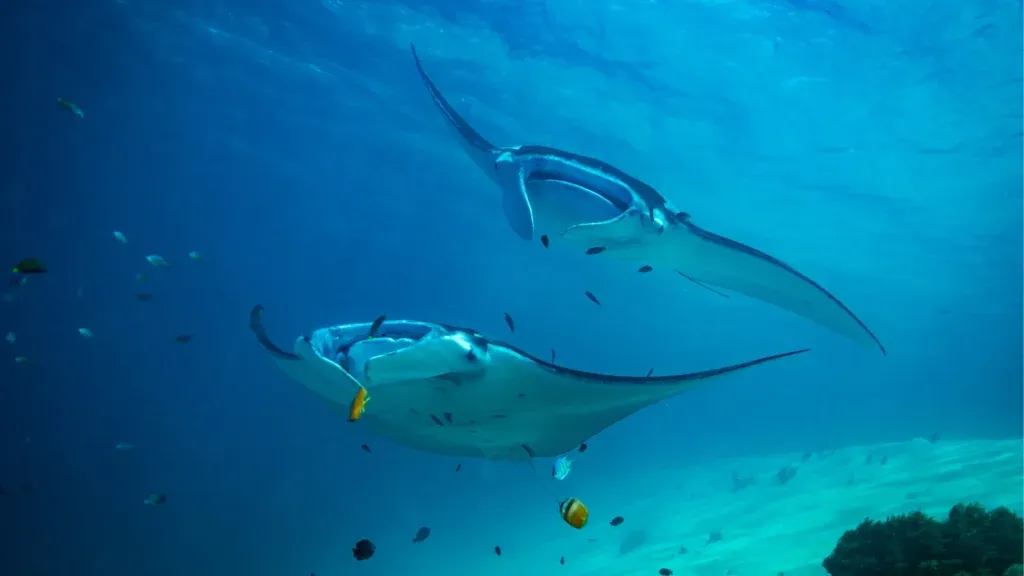
Komodo has earned international recognition as one of the world’s premier manta ray diving destinations, with multiple komodo dive sites offering reliable encounters with these graceful giants. Manta Alley lives up to its evocative name, serving as a gathering point where manta rays congregate to feed on plankton-rich waters during seasonal upwelling periods.
The manta diving season, typically from November through April, transforms these sites into theaters of extraordinary wildlife encounters. Divers witness manta rays gliding gracefully through the water column, their wing-like pectoral fins undulating in perfect synchronization as they filter feed. The experience of sharing the water with these intelligent, curious creatures represents a defining moment in many divers’ underwater careers.
Beyond manta rays, these sites attract an impressive roster of pelagic species. Sharks including reef sharks, hammerheads, and occasional whale sharks patrol the deeper waters. Dogtooth tuna and giant trevally demonstrate explosive hunting behavior, and oceanic sunfish occasionally appear in the deeper channels. Each dive in these manta hotspots carries the tantalizing possibility of a truly exceptional encounter.
Macro Photography and Critter-Rich Sites
While Komodo diving gains fame for dramatic walls and pelagic encounters, the region equally excels as a destination for dedicated macro photographers and critter enthusiasts. Sites such as Cauldron and Shotgun and Siaba Besar provide exceptional opportunities to discover the incredible diversity of smaller species that populate Komodo’s reefs and rocky structures.
These macro sites reveal a hidden world of nudibranchs, seahorses, pipefish, frogfish, and numerous species of shrimp and crabs. The sheltered reefs harbor rare species that marine biologists continue to catalog and study, making these locations valuable for scientific research and educational diving experiences. Patient photographers frequently document previously undocumented species and behavior, contributing to our understanding of tropical marine ecosystems.
The slower pace of macro diving allows for deeper interaction with the underwater environment, encouraging observation of intricate behaviors and adaptations that reveal nature’s remarkable creativity and engineering.
Accessible Sites for Intermediate Divers
Not all exceptional komodo dive sites require advanced skills or challenging conditions. Several locations accommodate intermediate divers seeking excellent experiences without extreme difficulty. Makassar Reef and Sebayur Reef provide approachable diving with fascinating marine life, manageable depths, and interesting reef structures that build diving confidence while delivering memorable experiences.
These accessible sites maintain the characteristic features that make Komodo diving exceptional—vibrant reef systems, abundant fish populations, excellent visibility, and unique geological formations—while presenting reduced hazards and technical demands. They serve as perfect introductions to Komodo diving for divers building experience or as relaxing alternatives to more challenging sites.
Understanding Dive Site Difficulty and Conditions
The best dive sites Komodo encompass a broad range of difficulty levels, requiring careful site selection based on your skills, experience, and comfort level. Current strength, depth, visibility, and wildlife encounters all factor into the overall challenge and reward of any particular dive.
Intermediate to Advanced Sites include those with strong currents, deeper depths, and potentially challenging surface conditions. Cannibal Rock represents one of the most challenging sites, reserved for divers with advanced current-diving experience and excellent buoyancy control. Sites like Batu Bolong demand respect for current conditions and robust underwater skills.
Moderate Difficulty Sites like Castle Rock offer excellent diving experiences with manageable currents and interesting features that appeal to divers with solid intermediate experience and good water confidence. These sites develop advanced skills while remaining accessible to prepared divers.
Beginner-Friendly Sites provide opportunities for newer divers to experience Komodo diving safely. Sites with gentler currents, shallower depths, and abundant marine life accommodate certification divers and those building experience in tropical diving conditions.
Seasonal variations significantly impact site conditions. The dry season from November through April typically offers optimal diving with calmer surface conditions, excellent visibility, and the most reliable manta ray encounters. The wet season from June through September brings stronger currents, lower visibility, and occasional rain but often rewards committed divers with fewer crowds and equally extraordinary experiences.
The Extraordinary Marine Biodiversity of Komodo
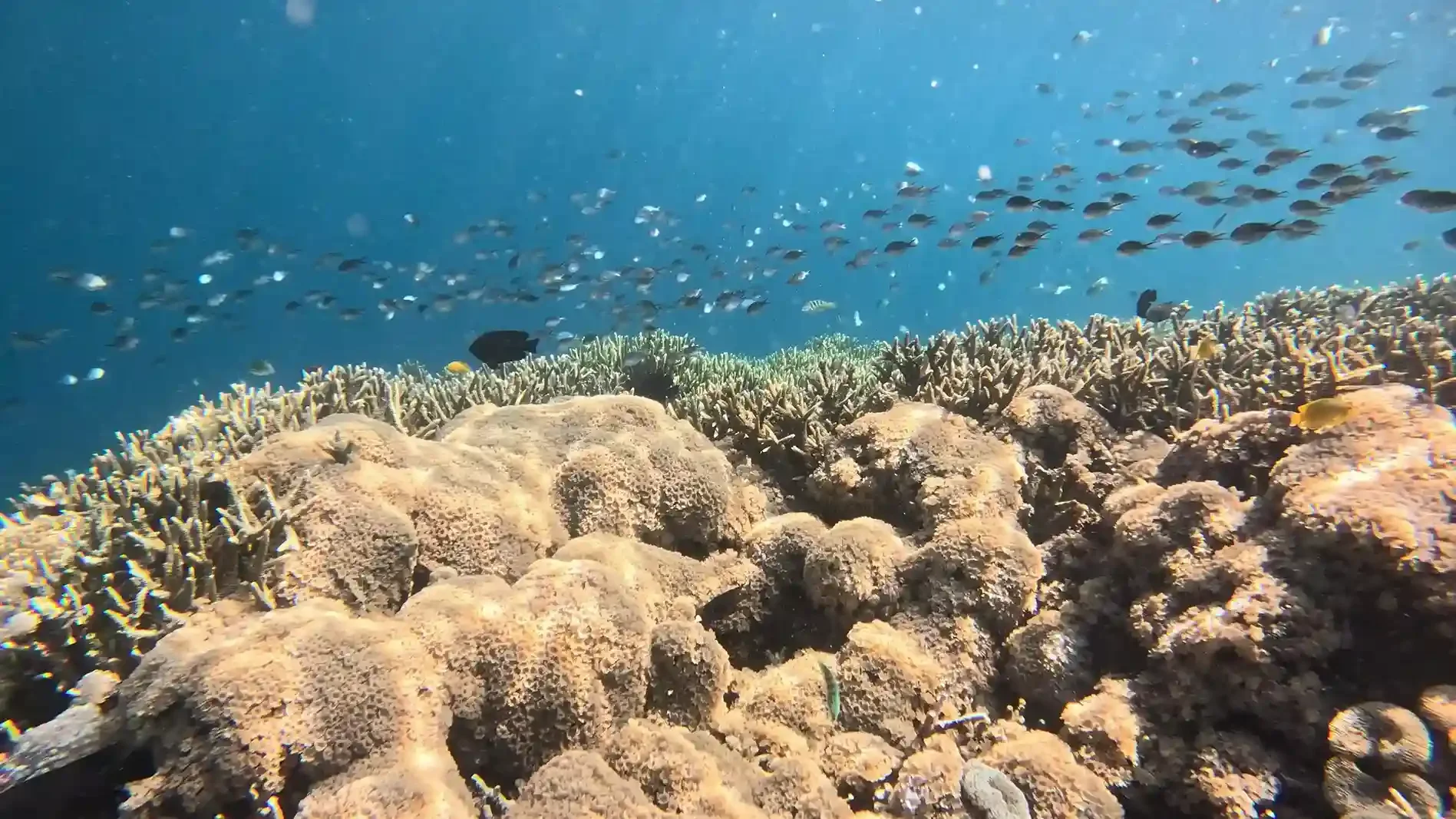
The remarkable marine life populations in komodo national park diving destinations result from the region’s unique oceanographic conditions and the convergence of multiple ocean currents. The area encompasses more than 1,000 species of fish and 385 species of hard coral, creating an ecosystem of stunning complexity and abundance.
Divers commonly encounter reef sharks, including blacktip, whitetip, and reef sharks that patrol the outer walls and channels. Manta rays frequent seasonal feeding grounds where nutrient-rich waters support massive plankton blooms. Turtles glide through the water column, and occasional visits from larger pelagic species like whale sharks and dogtooth tuna add an element of unpredictability and excitement to every dive.
The coral assemblages support an intricate community of smaller species, from cryptic critters invisible to casual observation to brilliantly colored reef fish that form dense aggregations in particular microhabitats. Macro photographers discover pygmy seahorses, mantis shrimp, nudibranchs, and species known only from a handful of scientific records.
The intact reef structure and healthy coral populations reflect successful marine protection efforts and the recovery potential of pristine tropical ecosystems. By choosing to dive these sites through our liveaboard trips and guided expeditions, you directly support ongoing conservation that preserves this irreplaceable ecosystem for future generations.
Best Seasons for Komodo Diving
While komodo diving remains possible year-round, understanding seasonal variations helps maximize your experience. The ideal season extends from November through April, when dry weather creates calm surface conditions, winds diminish, and visibility regularly exceeds 25 meters. This period coincides with the peak season for manta ray encounters, as nutrient-rich currents trigger massive phytoplankton blooms that attract manta rays in spectacular numbers.
The shoulder seasons of May and October present excellent opportunities, with emerging currents creating dynamic diving and fewer crowds. The wet season from June through September challenges and rewards committed divers with stronger currents, lower visibility that typically ranges between 8-18 meters, and active marine life driven by abundant food resources.
Your komodo liveaboard price may vary seasonally, with premium pricing during peak months reflecting demand and optimal conditions. Off-season diving frequently offers outstanding value for flexible divers and dramatic encounters with aggressive feeding activity driven by heightened current energy.
What Makes Komodo World-Class for Advanced Divers
The best dive sites Komodo represent the culmination of ideal conditions that rarely converge elsewhere. The combination of pristine coral ecosystems, exceptional marine biodiversity, dramatic geology, powerful currents, and reliable wildlife encounters creates a diving destination of unparalleled quality for experienced explorers.
The challenge and reward balance sets Komodo apart from more predictable, easier diving destinations. These sites demand proper training, excellent physical conditioning, and strong underwater skills—requirements that ensure divers who successfully complete them earn a profound sense of accomplishment and forge deeper connections with the ocean environment.
The absence of major coastal development and relatively strict access limitations preserve the wilderness character of these dive sites. Divers encounter a truly remote environment where human presence remains temporary and limited. This isolation creates a profound experience of wild nature that increasingly rare in our interconnected modern world.
Planning Your Komodo Diving Adventure
Comprehensive planning ensures you maximize your komodo dive sites experience. Our fleet of dedicated liveaboard vessels provides comfortable bases for multi-day diving expeditions that allow deep exploration of the region’s finest locations. Liveaboard trips eliminate commuting stress and position you for early morning dives and extended underwater time at premium sites.
Each of our vessels maintains rigorous safety standards, employs experienced dive guides intimately familiar with site-specific conditions, and provides the support infrastructure necessary for comfortable, safe diving in challenging conditions. Onboard facilities range from advanced nitrox fills to video review and marine biologist presentations that enrich your understanding of the underwater environment.
Visit our booking portal to reserve your liveaboard adventure, or explore our complete destinations collection to compare Komodo with other premium diving regions. Our team remains available to answer questions and assist with trip planning tailored to your experience level and diving goals.
Complete Komodo Dive Sites Directory
Explore our comprehensive collection of detailed guides to each individual komodo dive sites location:
- Batu Bolong – Iconic current-swept wall featuring dense fish schools and dramatic vertical topography
- Castle Rock – Stunning pinnacle with exceptional coral growth and consistent pelagic encounters
- Crystal Rock – Technical drift site with thrilling currents and abundant wildlife
- Manta Alley – Legendary manta ray hotspot and seasonal gathering point
- Cauldron and Shotgun – Challenging sites for advanced divers with unique geological formations
- Tatawa Besar – Pristine wall diving with exceptional marine life encounters
- Makassar Reef – Accessible reef site suitable for intermediate divers
- Cannibal Rock – Expert-only site featuring extreme currents and dramatic underwater scenery
- Siaba Besar – Macro-rich site teeming with small critters and photogenic subjects
- Sebayur Reef – Shallow reef exploration ideal for building experience and encountering reef species
Frequently Asked Questions About Komodo Diving
What qualifications do I need to dive Komodo’s most challenging sites?
Advanced Open Water certification represents the minimum requirement for most komodo dive sites. However, demanding locations like Castle Rock, Batu Bolong, and Cannibal Rock require Advanced Adventurer or Divemaster certifications, combined with demonstrated current-diving experience and excellent buoyancy control. We strongly recommend rescue diver training and recent diving experience within the 12 months preceding your trip. Many divers pursuing their most ambitious Komodo diving experiences complete specialty training before arrival, including drift diving and deep diving courses.
What water temperature can I expect during a Komodo diving trip?
Water temperatures in komodo national park diving destinations remain remarkably consistent year-round, ranging between 26-29°C (79-84°F). This pleasant temperature permits extended diving with minimal thermal protection, though many divers prefer 3-5mm wetsuits for extended bottom times and abrasion protection when navigating rocky reefs and pinnacles. The warm water contrasts sharply with the intense underwater exertion during current dives, making wetsuits practical for thermal regulation during recovery periods.
How far in advance should I book a Komodo liveaboard expedition?
Prime season liveaboard trips to komodo dive sites frequently book 6-12 months in advance, particularly for departures during the November-April peak season. Off-season expeditions enjoy greater availability but may require minimum 2-3 months advance booking for proper itinerary planning and crew scheduling. We recommend checking komodo liveaboard price and availability early, then securing your reservation promptly to ensure your preferred dates and vessel selection on our fleet.
What camera equipment works best for Komodo diving photography?
The exceptional visibility and dramatic subjects found at best dive sites Komodo suit a wide range of camera systems. Wide-angle photography captures the majesty of tall walls and large pelagics, while macro lenses reveal the intricate details of small critters abundant at sites like Siaba Besar. Many photographers bring dual camera rigs—one equipped with wide-angle lens for environmental shots and manta encounters, and another with macro lens for detailed creature photography. GoPro systems provide affordable video documentation, while serious photographers employ sophisticated housing systems and advanced lighting equipment.
Is nitrox available at Komodo dive sites, and do I need special training?
Yes, nitrox is available onboard our fleet vessels, allowing extended bottom time at depths where decompression becomes a limiting factor on air. Nitrox diving at komodo dive sites provides significant advantages for technical dives on walls extending below 30 meters. You require Advanced Nitrox or equivalent certification to utilize nitrox mixes beyond 40% oxygen. Many liveaboard divers complete nitrox specialization before boarding, enabling maximum bottom time at their chosen sites.
What marine life should I expect to encounter at Komodo dive sites?
The biodiversity at komodo dive sites rewards divers with encounters ranging from massive pelagics to minute critters. Common encounters include multiple shark species, manta rays (seasonal), sea turtles, schooling jacks and snapper, reef fish of extraordinary variety, nudibranchs, seahorses, and countless crevice-dwelling critters. Larger pelagics including dogtooth tuna, barracuda, groupers, and occasional whale sharks add unpredictability. The extraordinary coral assemblages provide homes for hundreds of smaller species, making Komodo diving equally rewarding for those seeking intimate close focus encounters and those pursuing large animal encounters.
How does the liveaboard experience at Komodo compare to land-based diving operations?
Liveaboard expeditions to komodo dive sites dramatically outperform land-based operations by positioning divers directly above the finest dive sites with minimal transit time. Liveaboards permit early morning dives before wind development, extended underwater bottom times at each site, and the flexibility to conduct unscheduled night dives or additional dives when conditions are optimal. The onboard community fosters camaraderie among divers, while superior support infrastructure manages technical fills, video review, and comprehensive safety protocols. Liveaboard diving at Komodo diving locations represents the definitive method for experiencing the region’s most spectacular underwater offerings.
What documentation and health considerations should I address before a Komodo liveaboard trip?
Ensure your passport remains valid for at least six months beyond your planned return date, as Indonesian entry requirements mandate this validity. Obtain comprehensive travel insurance covering diving activities—standard travel policies frequently exclude diving operations. Visit your physician for pre-dive medical clearance and discuss any health conditions or medications that might impact your diving. Consult a travel medicine specialist regarding vaccinations recommended for Indonesia. Practice your diving skills before arrival, particularly if your last dive occurred more than three months prior. Complete required training courses before boarding so you maximize underwater time rather than spending days on certification courses.
Start Your Komodo Diving Journey Today
The waiting ends now. These legendary komodo dive sites represent destinations of a lifetime—wild, challenging, and infinitely rewarding for committed divers. Whether you pursue manta encounters at Manta Alley, technical wall diving at Batu Bolong, or macro photography at Siaba Besar, the best dive sites Komodo await your arrival.
Contact our team to discuss your Komodo diving goals, select ideal liveaboard trips, review pricing options, and secure your reservation. Explore additional information on diving services, our fleet specifications, or other destinations that might complement your komodo national park diving adventure. Complete your booking today and take the first step toward diving the world’s most spectacular underwater realm.
Komodo awaits. Are you ready to answer the call?