Quick Answer: Sebayur Island, a jewel within the Komodo National Park, emerges as the premier destination for underwater photographers and macro enthusiasts, featuring exceptional house reef diving, extraordinary marine biodiversity, and unparalleled proximity to Labuan Bajo. This exclusive island sanctuary offers luxury liveaboard experiences that combine vibrant coral ecosystems with the region’s most photogenic underwater subjects, making it an essential destination for discerning marine explorers.
Sebayur Island: A Photographer’s Paradise in the Komodo Region
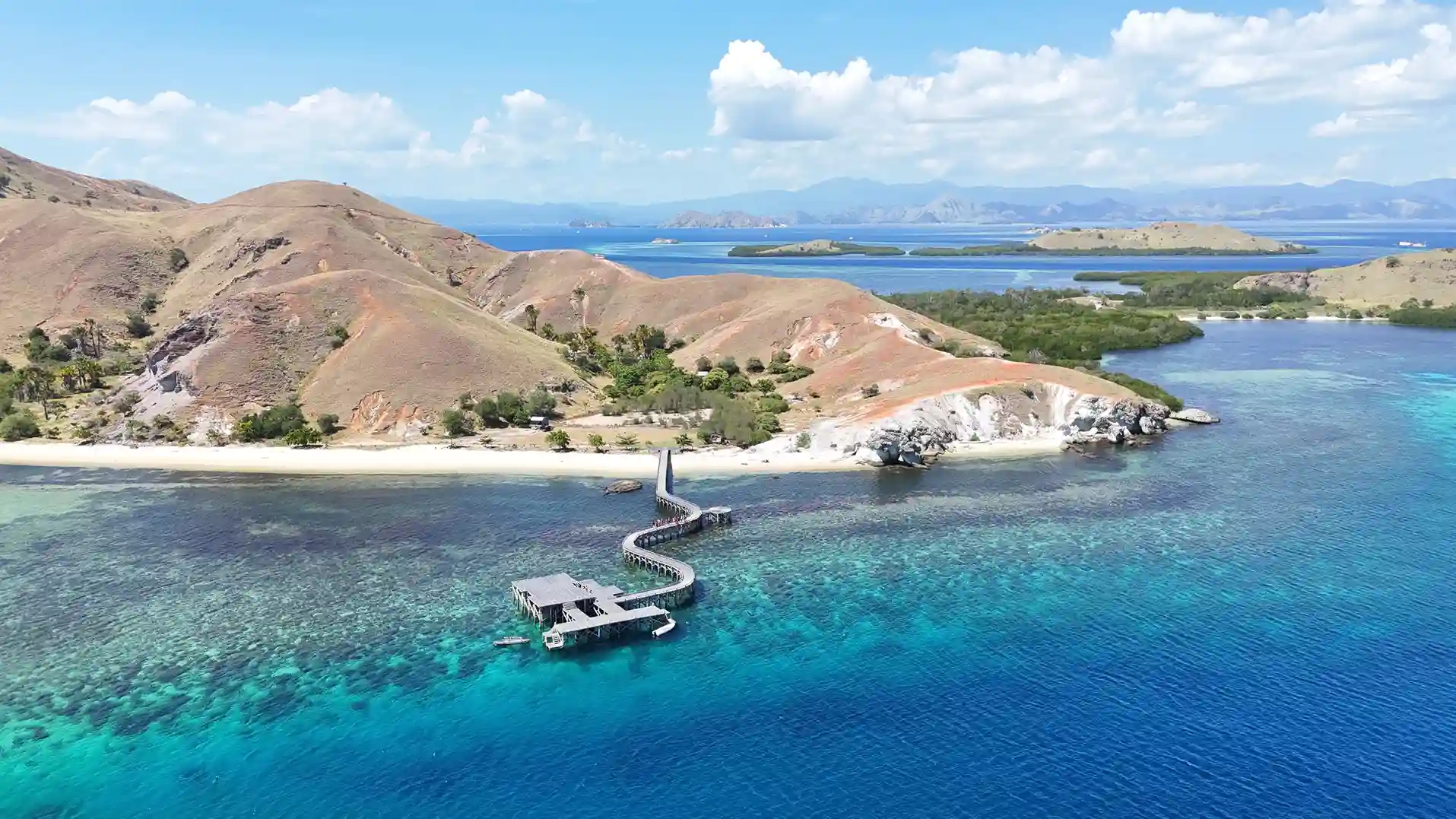
Sebayur Island, known locally as Pulau Sebayur, represents one of the most captivating marine destinations within the broader Komodo archipelago, earning international recognition as a premier location for underwater photography and macro exploration. Located strategically within the Lesser Sunda Islands, this remarkable destination combines exceptional proximity to Labuan Bajo with some of the region’s most vibrant coral ecosystems and diverse marine communities. The island’s well-developed house reef system creates ideal conditions for both liveaboard expeditions and day-excursion diving, offering flexibility that appeals to diverse traveler preferences and experience levels.
The waters surrounding Sebayur Island flow through some of the most biologically productive zones in the entire Indonesian archipelago, creating conditions that support extraordinary concentrations of marine life. Unlike many tropical dive destinations that rely solely on external reefs situated at considerable distances from accommodation, Sebayur’s house reef enables immediate access to world-class diving environments literally meters from vessel anchorages. This exceptional convenience combines with remarkable biodiversity to create unparalleled opportunities for extended underwater exploration without daily transit logistics.
House Reef Excellence: Diving Steps from Your Liveaboard
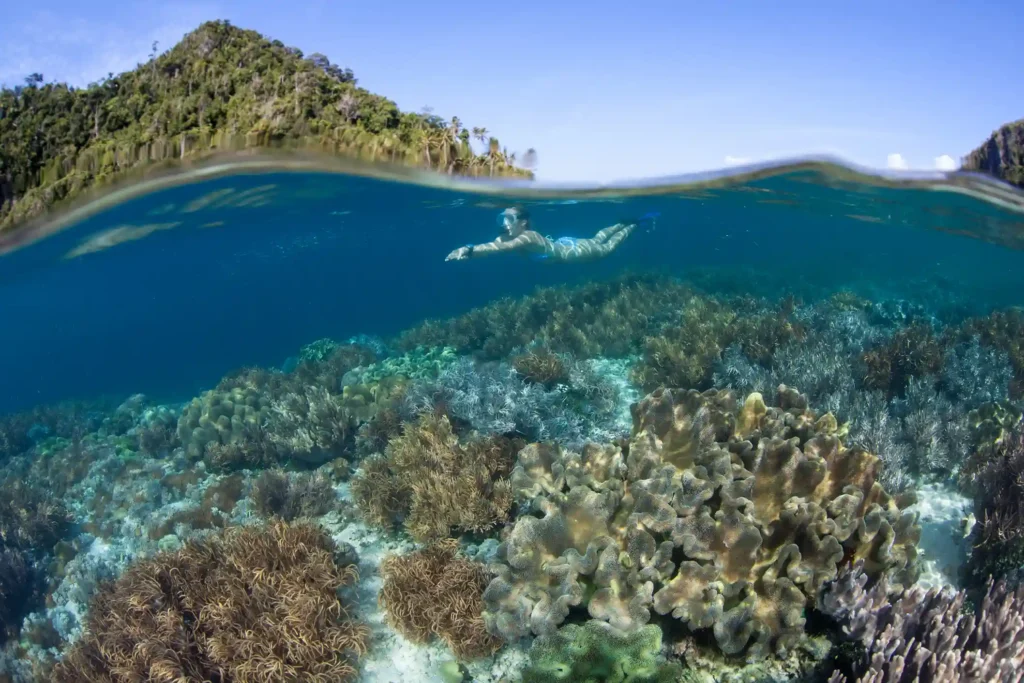
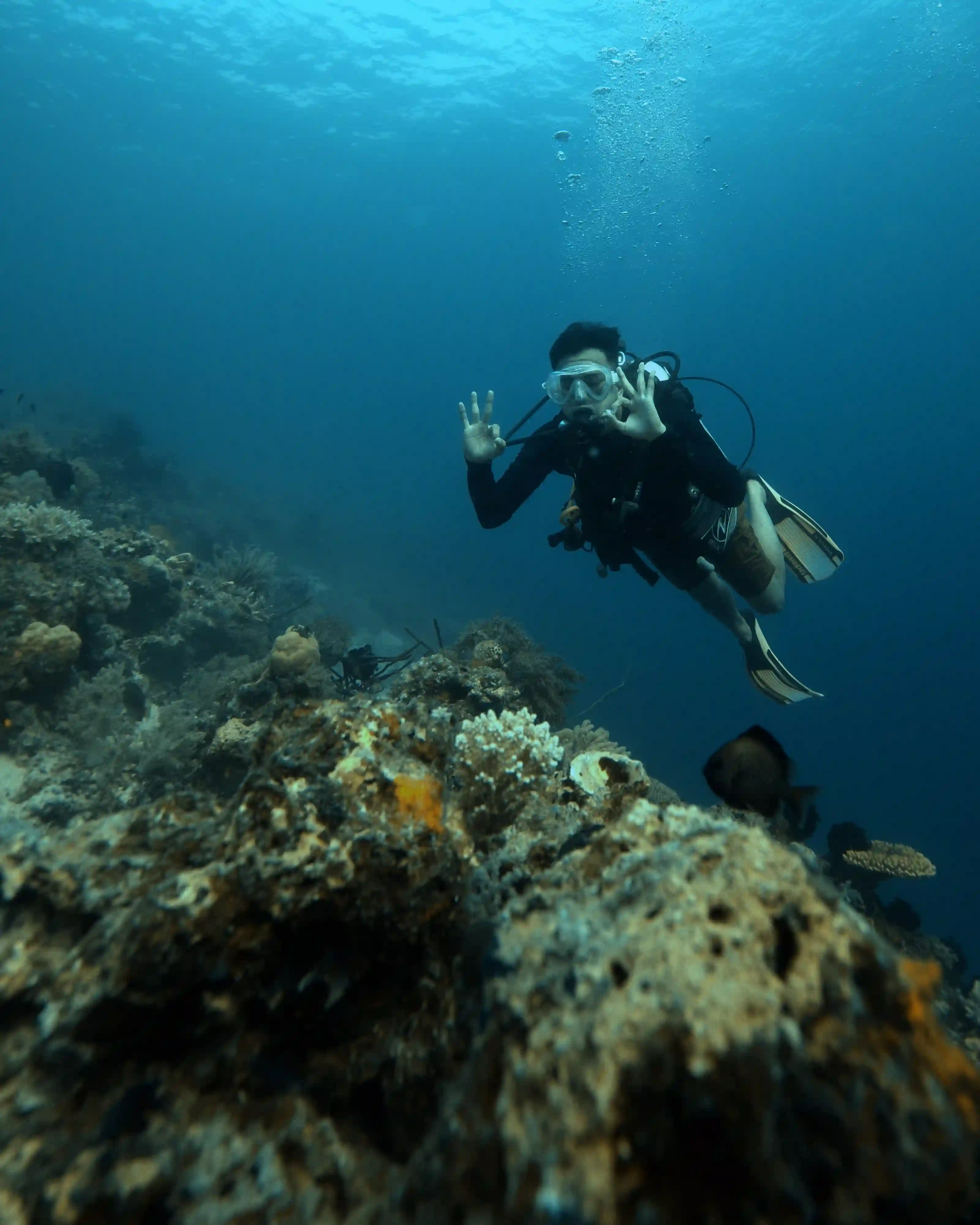
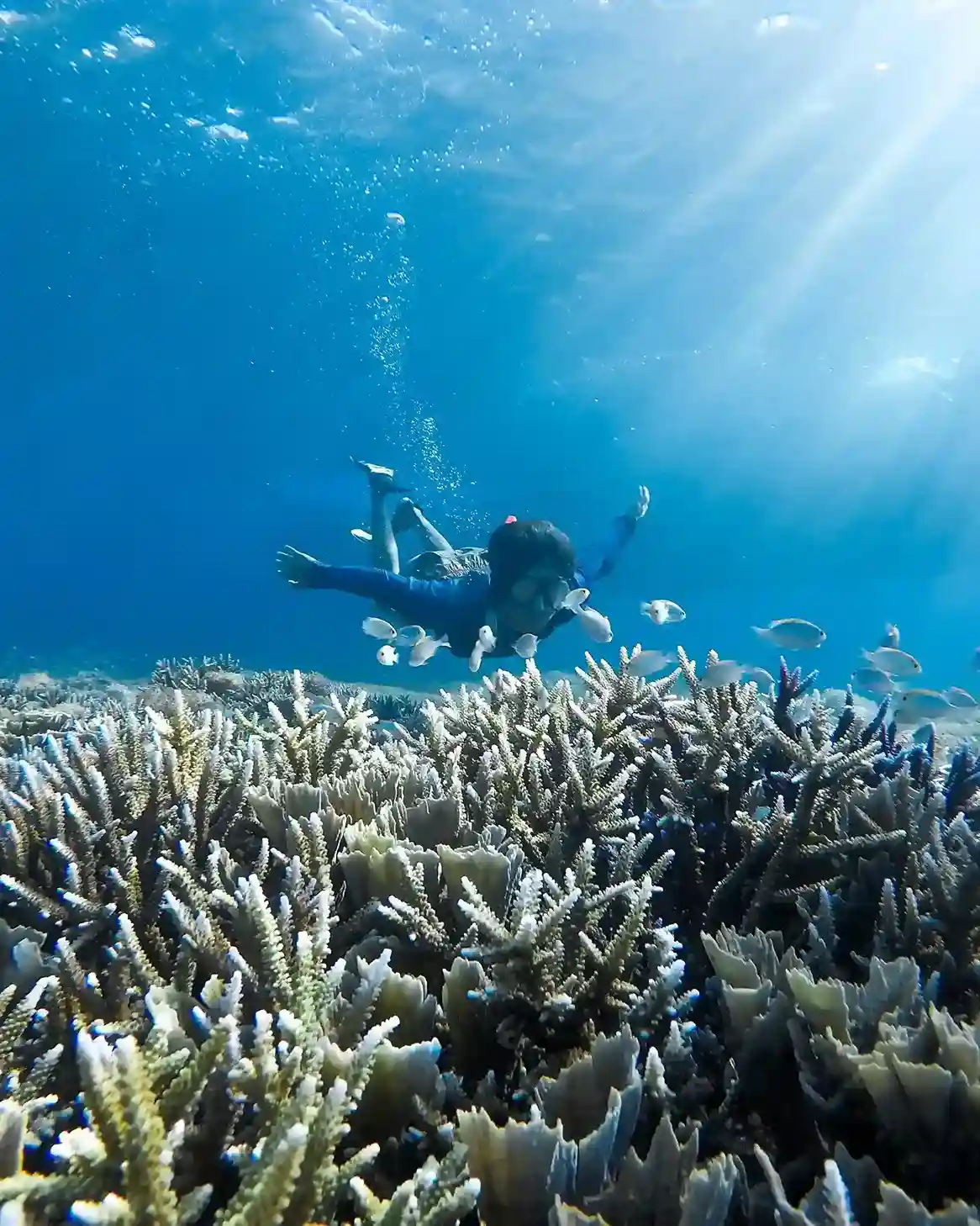
Sebayur Island’s house reef system stands among the finest in the entire Komodo region, offering wall dives, slope formations, and shallow coral gardens that accommodate diving enthusiasts regardless of certification level or experience depth. The reef’s architecture creates distinct diving zones, each presenting unique ecological characteristics and wildlife communities. Shallow zones extending to approximately eighteen meters showcase healthy coral formations and juvenile fish congregations, while deeper wall sections plunging beyond forty meters reveal cave systems, overhangs, and dramatic geological formations.
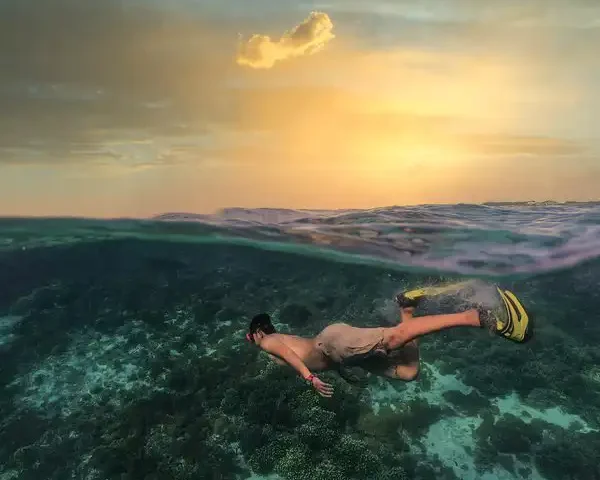
The exceptional proximity of Sebayur’s house reef to liveaboard anchorages enables unlimited diving opportunities without logistical constraints that typically limit deep-water sites to scheduled daily excursions. Guests enjoying afternoon dives, pre-breakfast morning explorations, and moonlit night dives access the same exceptional reef ecosystem throughout their stay. This accessibility fundamentally transforms the dive experience, enabling divers to develop deeper familiarity with specific reef sections, observe behavioral patterns across multiple daily tidal cycles, and discover smaller creatures requiring extended observation periods for reliable location and identification.
The house reef’s shallow sections provide ideal training environments for certification-level divers undertaking initial qualification courses. The combination of excellent visibility, moderate currents, and protected zones creates genuinely comfortable learning conditions that enhance skill development while minimizing stress and physical exertion. Certified instructors utilize the house reef’s varied topography to present progressive challenges, building competence systematically as students advance through certification curricula.
Night diving opportunities at Sebayur’s house reef reveal entirely different ecological communities compared to daytime explorations. Nocturnal species emerge from daytime shelters as darkness falls, creating phenomenal photography subjects and remarkable behavioral opportunities. Bioluminescent organisms illuminate darkened waters with ethereal light displays, while hunting behaviors and feeding activities create dynamic visual spectacles unavailable during daylit hours.
Macro Photography Paradise: Discovering Sebayur’s Tiny Treasures
Sebayur Island has earned distinguished recognition among underwater photographers worldwide as a premier destination for macro photography, offering concentrations of small creatures and photogenic subjects rivaling the world’s most celebrated photography locations. The island’s house reef system supports extraordinary populations of nudibranchs, representing some of the ocean’s most colorful and intricately patterned creatures. These shell-less gastropods, ranging from millimeter-sized species to palm-sized varieties, display biochemically-produced colors and patterns of astonishing complexity and artistry.
Macro photographers at Sebayur encounter numerous nudibranch species during single dives, with experienced guides capable of locating both common species and rare varieties depending on seasonal availability and individual search efforts. Each species exhibits distinctive feeding preferences, coloration patterns, and behavioral characteristics that photographers work to capture in technically challenging underwater environments. The challenge of achieving proper focus on subjects measuring mere centimeters in size, while managing buoyancy, lighting, and composition in three-dimensional underwater conditions, creates genuine artistic satisfaction when successful.
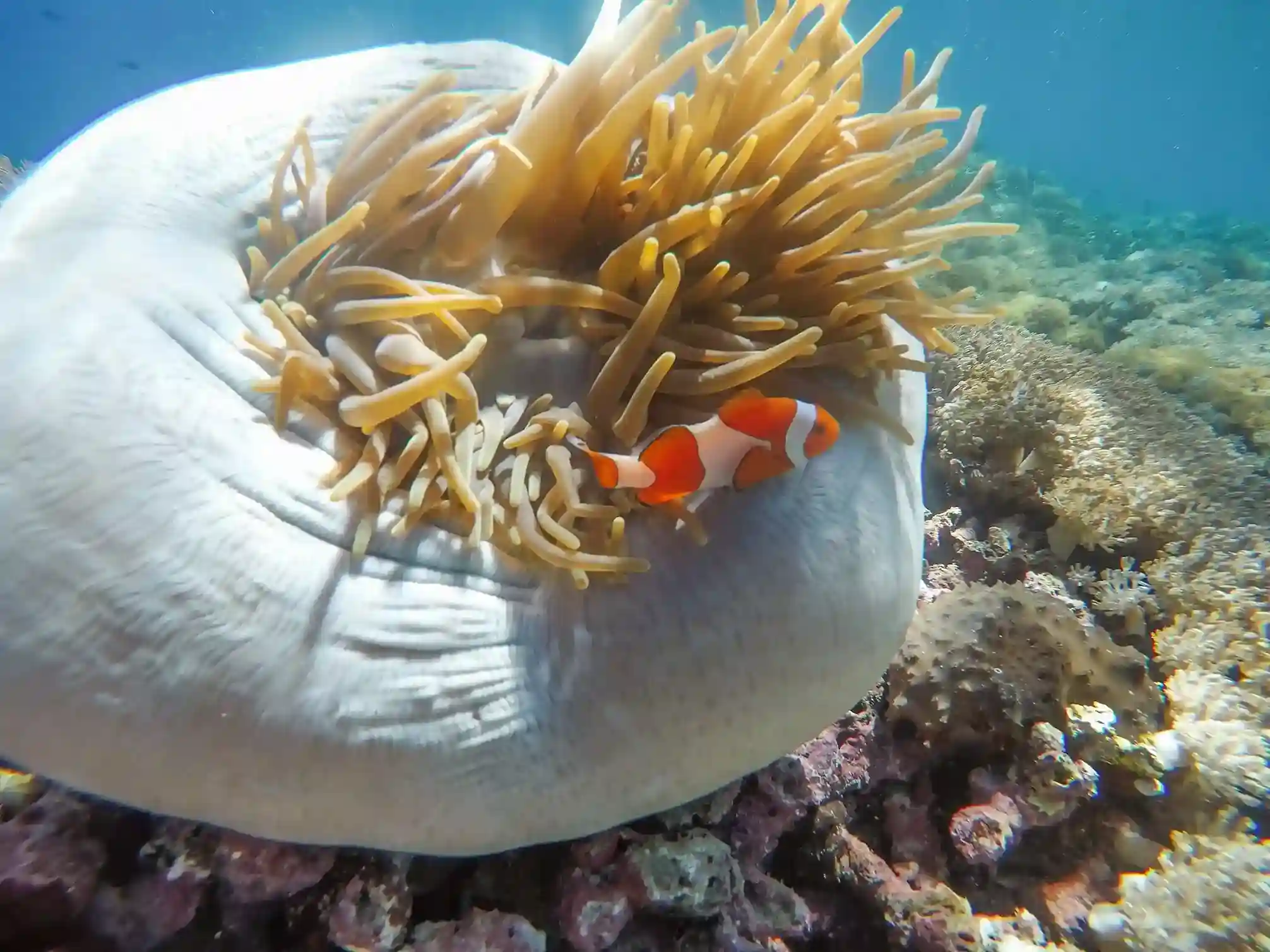
Beyond nudibranchs, Sebayur’s house reef hosts exceptional populations of other macro subjects including seahorses, ghost pipefish, mantis shrimp displaying remarkable color-changing capabilities, and minuscule gobies exhibiting symbiotic relationships with host organisms. Crustaceans, including ornate shrimp species and decorator crabs, provide creative photographic opportunities, while cephalopods including octopuses and cuttlefish demonstrate remarkable intelligence and behavioral complexity.
Sebayur’s macro opportunities extend beyond creature photography into botanical subjects, with photographers capturing images of coral polyps, sea fan colonies, and zooxanthellae-bearing sea slugs displaying remarkable symbiotic relationships with photosynthetic algae. The convergence of technical photographic challenges with subjects of extraordinary natural artistry creates an environment where even advanced photographers discover novel creative possibilities during extended stays.
Marine Biodiversity: Understanding Sebayur’s Ecological Richness
The exceptional marine biodiversity characterizing Sebayur Island results from complex oceanographic conditions, geological formations, and ecological relationships that accumulate to create one of the world’s most productive marine ecosystems. The island’s position at the convergence of two distinct ocean currents creates mixing zones where nutrient-rich waters surface, supporting the photosynthetic base of elaborate food webs. These current patterns simultaneously transport planktonic larvae from distant regions, introducing species beyond their typical distributional ranges and creating surprise encounters for observant divers.
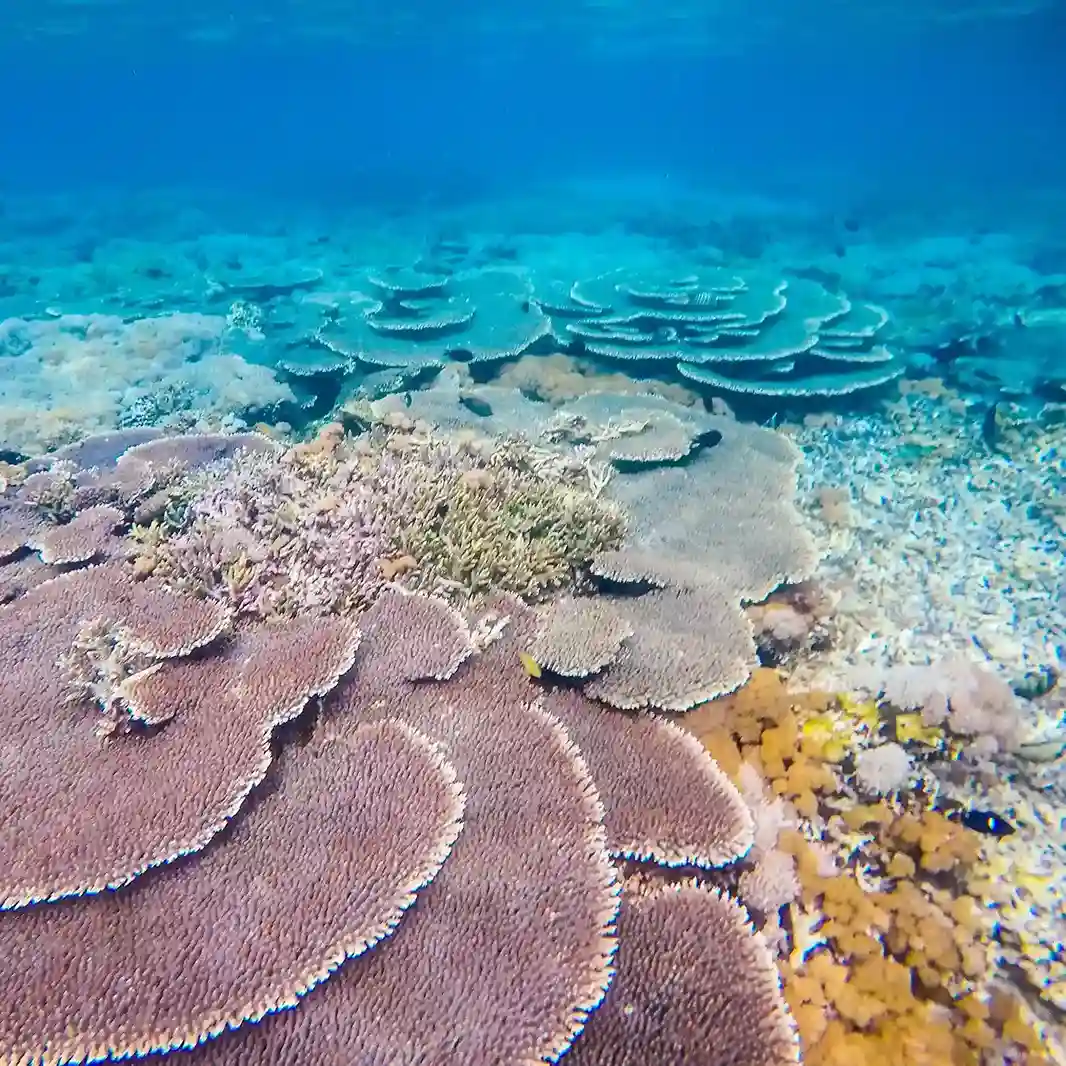
Sebayur’s coral communities display remarkable species diversity, with hard coral colonies representing dozens of distinct species occupying different microhabitats based on light availability, current exposure, and substrate characteristics. Acropora species dominate shallow zones, creating branching formations that provide shelter for juvenile fish species. Deeper areas feature massive Porites colonies with circumferences exceeding three meters, representing decades or centuries of slow growth accumulation. The structural complexity created by coral diversity supports extraordinary fish diversity, from small gobies occupying single coral heads to large predatory fish patrolling reef margins.
Fish communities at Sebayur exhibit remarkable species richness, with counts exceeding four hundred distinct species documented within the broader Komodo region. Schooling fish species congregate in formation above reefs, creating dynamic visual spectacles as thousands of synchronized swimmers maneuver through three-dimensional space. Solitary fish species including unusual anglerfishes, scorpionfishes employing cryptic camouflage, and flatfishes disguised against sandy substrates reward observant divers with discoveries of remarkable creatures rarely noticed by less attentive explorers.
The biodiversity characterizing Sebayur extends beyond visible creatures to include microscopic organisms essential for ecosystem functionality. Bacteria, protozoans, and other microorganisms form the foundation of aquatic food webs, while the zooxanthellae algae living symbiotically within coral tissues provide the energy source enabling coral survival in nutrient-poor tropical waters. Understanding these fundamental ecological relationships transforms reef exploration from casual observation into meaningful engagement with natural systems.
Crystal Waters and Visibility: Perfect Conditions for Exploration
Sebayur Island’s location within the Komodo region exposes it to oceanic conditions creating exceptionally clear water conditions that rival the world’s finest diving destinations. The combination of strong currents continuously flushing the region with nutrient-rich but particle-free seawater, combined with relatively low rainfall and consequently minimal terrestrial runoff, creates visibility conditions frequently exceeding forty meters. These extraordinary optical qualities enable photographers to capture subjects at distances and scales impossible in turbid environments, while divers benefit from sightline distances that reveal reef architecture and wildlife distributions across expansive underwater landscapes.
Seasonal variation influences visibility patterns, with the dry season from June through September consistently providing optimal conditions. During these months, calm trade winds minimize wave action that can suspend particulate matter, clear skies maximize sunlight penetration, and consistent weather patterns enable predictable planning of diving expeditions. Transitional months including May and October offer excellent visibility with reduced tourist congestion characteristic of peak season, providing compelling advantages for travelers seeking to balance environmental conditions with experiential intimacy.
Even during months with reduced visibility, conditions at Sebayur remain exceptional compared to many global diving destinations. The island’s exposure to currents and lack of significant freshwater sources prevent the dramatic visibility reductions that plague rainy season diving in many tropical locations. This consistency enables year-round visitation with confidence in encountering excellent diving conditions across all calendar months.
Beach Sanctuary: Relaxation Between Underwater Adventures
Beyond underwater attractions, Sebayur Island’s pristine beaches provide serene environments for relaxation, sunbathing, and contemplative observation of marine and terrestrial ecosystems. The island’s white sand beaches, backed by casuarina and other tropical vegetation, create quintessential tropical island imagery while providing genuine comfort and natural beauty. The absence of significant commercial development or mass tourism creates genuine tranquility, with beaches remaining undisturbed except by natural processes and the measured footsteps of conservation-conscious visitors.
Beach exploration reveals ecological relationships spanning the terrestrial-marine boundary, with hermit crabs foraging along tide lines, seabirds patrolling shorelines, and the seasonal presence of nesting sea turtles during specific months. Shorebirds including various tern and egret species utilize beach habitats as feeding and roosting sites, while larger raptors patrol overhead searching for unwary prey. The intersection of terrestrial and marine ecosystems creates dynamic ecological communities that reward careful observation.
Sunset experiences at Sebayur’s beaches provide moments of profound natural beauty, with the sun descending toward distant horizons and transforming sky and sea into canvases of color. The optical phenomena created by atmospheric dispersion of sunlight through dust particles and water droplets produce colors ranging from subtle to dramatically intense, with each evening producing unique variations. Many visitors describe sunset observation as spiritual experiences, creating emotional resonance that transcends typical vacation activities.
Proximity to Labuan Bajo: Convenience Meeting Conservation
Sebayur Island’s fortunate location immediately adjacent to Labuan Bajo, the primary gateway community for Komodo National Park access, creates exceptional convenience without compromising the island’s conservation integrity or pristine environmental character. Labuan Bajo provides essential logistical support including international flight connections, medical facilities, provisioning services, and tourism infrastructure that enable sophisticated expedition planning. The short maritime transit from Labuan Bajo to Sebayur, typically requiring under two hours by conventional vessel, minimizes travel fatigue while maintaining the psychological and ecological separation necessary for genuine sanctuary experiences.
This proximity advantage enables diverse trip architectures appealing to varied traveler preferences. Some visitors allocate time in Labuan Bajo for terrestrial exploration, cultural engagement with local communities, and familiarity with regional geography before embarking on marine expeditions. Others prefer minimal shore time, moving directly from airports to liveaboard vessels for immediate immersion in marine environments. The flexibility accommodates diverse preferences while maintaining Sebayur’s essential character as a pristine marine sanctuary.
The established tourism infrastructure surrounding Labuan Bajo provides genuine convenience without excessive commercialization at Sebayur Island itself. Visitor facilities, dining establishments, and shopping venues concentrate in Labuan Bajo, leaving Sebayur free from the commercial structures and associated environmental impacts that inevitably accompany tourism development. This geographical separation preserves Sebayur’s ecological integrity while enabling sophisticated hospitality services aboard liveaboard vessels.
Seasonal Diving Patterns and Optimal Visit Windows
Sebayur Island’s diving conditions follow seasonal patterns influenced by monsoon weather systems, ocean current variations, and marine organism activity cycles. The dry season extending from April through December represents the optimal period for visiting Sebayur, with June through September providing the most consistently excellent conditions. During peak season months, trade winds blow consistently from the southeast, creating relatively calm conditions and excellent visibility. Water temperatures remain pleasantly warm, typically ranging from twenty-eight to twenty-nine degrees Celsius, supporting comfortable extended diving without excessive exposure protection.
Shoulder season months of April, May, November, and December offer compelling advantages including excellent diving conditions, reduced tourist densities, and favorable pricing from accommodation providers seeking to extend their season beyond peak months. These months maintain visibility exceeding thirty meters, water temperatures in comfortable ranges, and macro subject availability consistent with peak season. The psychological experience of diving in relative solitude, encountering fewer other guests at exploration sites, enhances intimacy and creates more profound connections with marine environments.
The wet season from January through March presents challenging diving conditions at Sebayur, with variable visibility, occasional strong currents, and less predictable weather patterns. However, this period offers distinct advantages for specialized photographers and researchers seeking specific subjects or behavioral phenomena occurring during seasonal transitions. Fewer visiting divers and potentially lower accommodation costs appeal to cost-conscious travelers with flexible scheduling and comfort tolerances.
The Liveaboard Experience: Maximizing Sebayur Immersion
Accessing Sebayur Island through luxury liveaboard expeditions enables the most comprehensive and intimate marine experiences available at this exceptional destination. Liveaboard vessels position guests within meters of the extraordinary house reef system, enabling multiple daily diving opportunities that far exceed the constraints of day-trip operations based in distant communities. The combination of unlimited diving access with onboard expertise creates conditions for advanced skill development and sophisticated underwater exploration impossible within time-limited daily excursion frameworks.
Luxury liveaboard accommodations aboard vessels serving the Sebayur region provide accommodation ranging from comfortable basics to supremely sophisticated cabins featuring en-suite facilities, entertainment systems, and amenities rivaling land-based resorts. Onboard dining combines international cuisine with fresh local seafood, while professional hospitality staff address guest needs with discretion and attentiveness. The social environment aboard quality vessels attracts like-minded travelers whose shared interests in marine conservation, photography, and environmental stewardship create exceptional onboard communities.
Liveaboard itineraries typically combine Sebayur with complementary destinations, enabling comprehensive exploration of the broader Komodo region. Visits to nearby islands including Kanawa and Bidadari provide contrast to Sebayur’s house reef focus, while shore excursions to Labuan Bajo or terrestrial Komodo preserve access to diverse experience categories. The integration of multiple destinations within single expeditions creates thematic narratives connecting marine and terrestrial ecosystems while enabling comprehensive regional understanding.
Practical Considerations for Planning Sebayur Expeditions
Visitors planning expeditions to Sebayur Island should undertake thorough preparation ensuring optimal experiences. Obtaining comprehensive travel insurance covering maritime activities, diving operations, and medical evacuations provides essential financial protection and peace of mind. Ensuring passport validity extending minimum six months beyond travel dates, along with obtaining necessary visa documentation for Indonesia, establishes legal authorization for entry and residence.
Divers should verify current certification credentials and, if certifications have lapsed, pursue recertification training prior to departure. Sebayur’s professional diving operations maintain stringent safety standards, typically requiring certification verification before permitting independent diving access. Liveaboard operators frequently offer certification courses accommodating divers needing credential updates or initial qualifications, though pre-arrival training streamlines operations and maximizes expedition time devoted to dive experiences.
Physical conditioning prior to departure enhances comfort during maritime transit and extended diving sessions. Cardiovascular conditioning enables efficient underwater movement with minimal exertion, while strength training supports carrying diving equipment and maintaining stable positions in moderate currents. Divers harboring concerns about physical capabilities benefit from discussing these with liveaboard operators, who can recommend conditioning protocols or accommodate limitations through specialized guidance and adapted diving approaches.
Photography enthusiasts should arrange underwater camera systems in advance, considering equipment rental versus ownership based on frequency of future diving travel. High-quality macro lenses, lighting systems, and housing units represent significant investments, making rental economically sensible for occasional photographers. Conversely, serious enthusiasts purchasing professional-grade equipment achieve superior results and benefit from personal familiarity with equipment characteristics across multiple expeditions.
Connectivity to the Broader Komodo Archipelago
Sebayur Island’s strategic location within the Komodo National Park connects seamlessly with numerous complementary destinations, each offering distinct ecological and experiential characteristics. Nearby Kanawa Island provides excellent snorkeling opportunities and beach experiences contrasting with Sebayur’s diving focus, while Bidadari Island offers coral restoration initiatives and sunset experiences. Comprehensive liveaboard trips frequently incorporate multiple destinations within integrated itineraries, creating narratives that connect the region’s diverse marine and terrestrial ecosystems.
Our comprehensive destinations guide provides detailed information about all regional options, enabling prospective visitors to customize their experiences according to personal interests and priorities. Whether specializing exclusively in Sebayur’s macro photography and house reef diving or combining multiple destination experiences, our booking process accommodates diverse preferences while maintaining commitment to environmental conservation and responsible tourism practices. The diving information section provides technical details about diving conditions, certification requirements, and specialized training available across the region.
What makes Sebayur Island exceptional for macro photography?
Sebayur Island’s house reef system supports extraordinary concentrations of nudibranchs, seahorses, mantis shrimp, and other macro subjects that photographers travel globally to capture. The excellent visibility, close proximity to accommodation, and diverse coral habitats concentrate subjects within compact areas, enabling extended search sessions and multiple encounters with individual specimens across different observation occasions. Professional guides possess detailed knowledge of subject locations and behavioral patterns, significantly enhancing photography success rates.
How does Sebayur’s house reef compare to external dive sites?
Sebayur’s house reef provides immediate access to world-class diving without daily transit logistics, enabling unlimited diving opportunities throughout liveaboard stays. External sites accessed from Sebayur or nearby vessels often feature larger fauna and spectacular geological formations, complementing rather than competing with house reef diving. Many divers find the combination of accessible house reef and occasional external excursions provides optimal balance between diving frequency, subject diversity, and logistical simplicity.
What visibility conditions can visitors expect at Sebayur?
Sebayur typically features visibility exceeding thirty meters during the dry season, with conditions often reaching forty meters or more during peak months. Even during transitional seasons, visibility remains excellent compared to many global diving destinations. Occasional variations occur due to local current shifts or plankton blooms, though such conditions typically persist for limited periods before returning to exceptional clarity. Liveaboard operators monitor conditions continuously and adjust diving plans to maximize visibility based on real-time observations.
Is Sebayur suitable for beginner divers?
Sebayur accommodates divers across all experience levels, with shallow house reef sections providing ideal training environments for certification-level divers. The moderate current conditions, excellent visibility, and protected zones enable comfortable skill development. Advanced divers enjoy deeper wall sections, cave explorations, and night diving opportunities. Liveaboard operations segregate divers by certification level during group dives, ensuring that exploration pace and site selection remain appropriate for participant capabilities.
What nudibranchs and macro subjects can be encountered at Sebayur?
Sebayur hosts dozens of nudibranch species ranging from millimeter-sized species to palm-sized varieties, along with seahorses, ghost pipefish, mantis shrimp, ornate shrimp, decorator crabs, and small octopuses. Specific species presence varies seasonally, with guides maintaining detailed records of typical distributions and optimal locations for subject encounters. Rare species occasional appear, creating surprise discoveries for observant divers with patient search techniques and extended bottom time.
How frequently can liveaboard guests dive at Sebayur’s house reef?
Liveaboard guests typically participate in three to four guided dives daily at Sebayur’s house reef, with additional independent diving permitted for certified divers following safety protocols. Night diving, pre-breakfast morning dives, and extended evening explorations supplement scheduled group dives, enabling motivated divers to accumulate substantial bottom time during week-long expeditions. The unlimited access to house reef diving enables specialized exploration of specific reef sections and extended observation of behavioral patterns not possible during time-limited day trips.
What are the best times to visit Sebayur Island?
June through September represents peak season with optimal visibility, calm conditions, and highest water temperatures. April, May, November, and December offer excellent conditions with reduced tourist densities and favorable pricing. Even during shoulder and transitional months, diving conditions exceed most global destinations. The wet season from January through March presents variable conditions but appeals to specialized photographers seeking specific subjects or those with flexible scheduling and cost considerations.
How accessible is Sebayur from Labuan Bajo?
Sebayur Island sits immediately adjacent to Labuan Bajo, typically requiring under two hours maritime transit by conventional vessel. This proximity enables convenient flight arrivals at Labuan Bajo’s airport, with straightforward transfer to liveaboard vessels. The short transit minimizes travel fatigue while maintaining psychological and ecological separation from commercial tourism infrastructure, preserving Sebayur’s sanctuary character and pristine environmental conditions.