Kalong Island — Flying Fox Sunset Spectacle

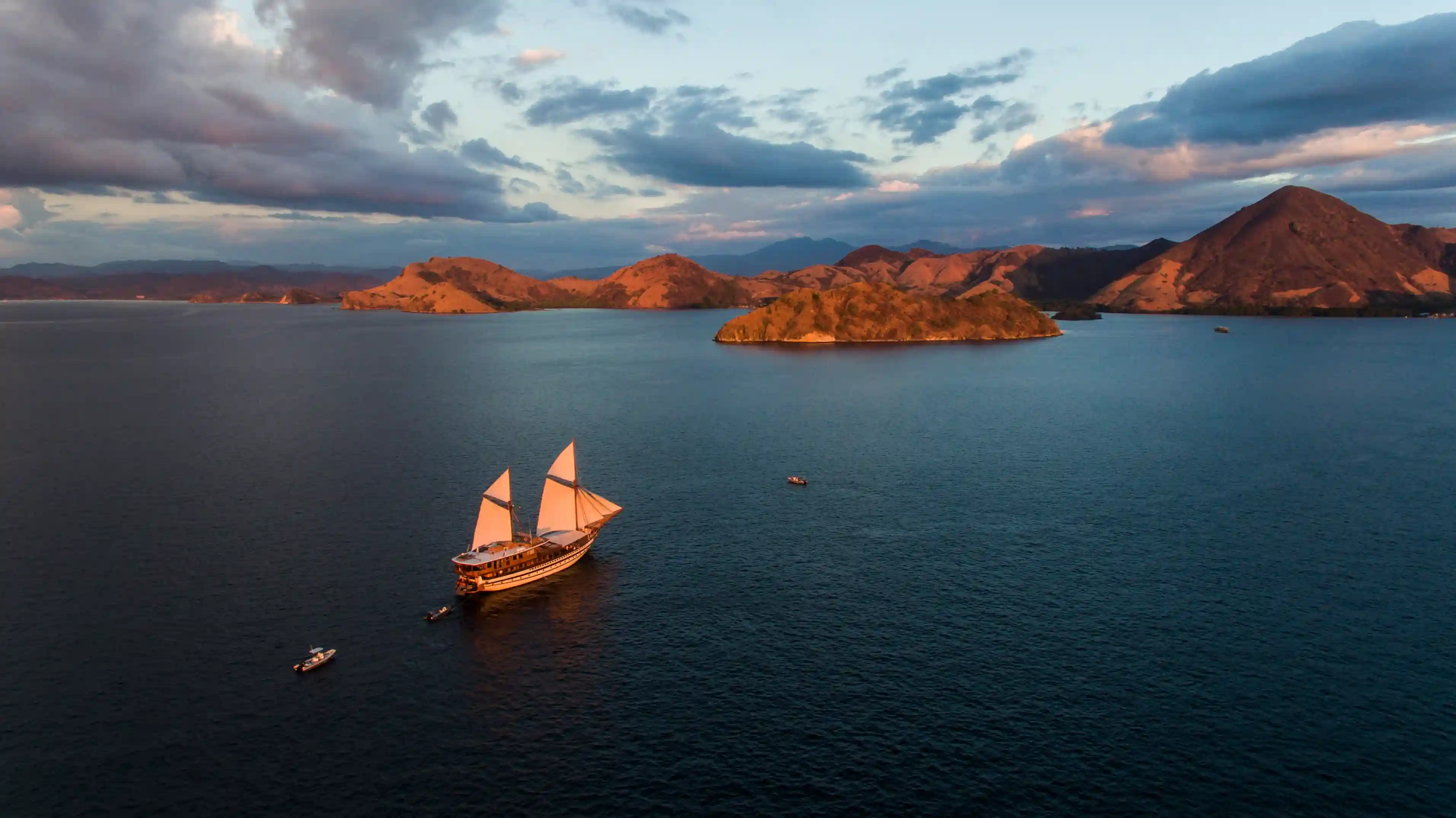
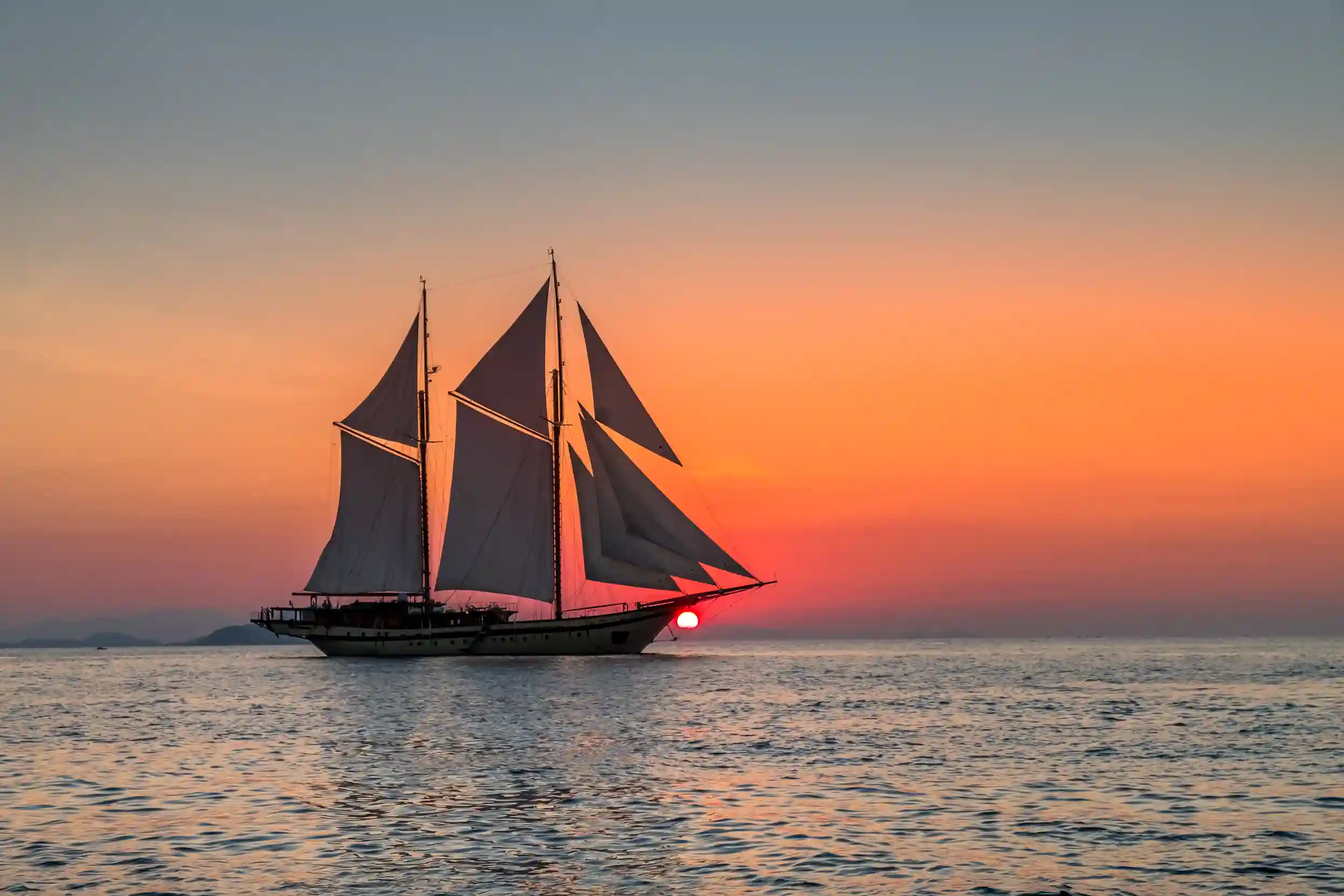
Quick Answer: Kalong Island, also known as Flying Fox Island or Bat Island, is a remarkable destination within the Komodo archipelago where thousands of flying foxes emerge at sunset in a breathtaking natural spectacle. This unique ecosystem is best experienced aboard a luxury liveaboard yacht, offering front-row access to one of Indonesia’s most extraordinary wildlife events combined with world-class diving and pristine mangrove habitats.

Kalong Island: Experience Nature’s Most Spectacular Sunset Exodus

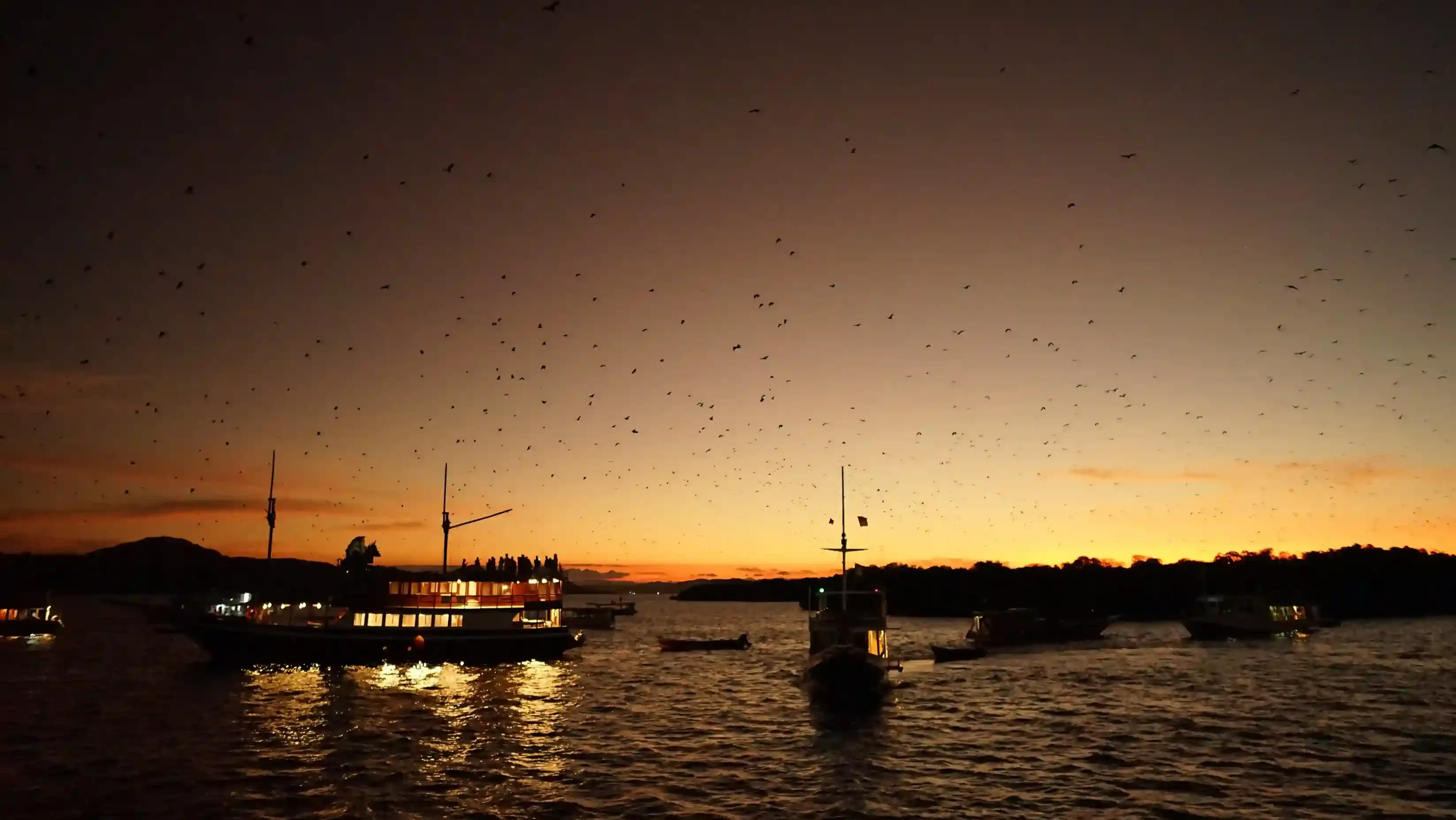
Kalong Island, locally known as Pulau Kalong and internationally recognized as Flying Fox Island or Bat Island, represents one of the Komodo archipelago’s most extraordinary natural attractions. Nestled within the UNESCO-protected Komodo National Park, this small island has gained worldwide recognition as the stage for one of nature’s most dramatic daily performances: the synchronized exodus of thousands of large fruit bats, or flying foxes, that blanket the evening sky in a mesmerizing display of coordinated flight.

Unlike many destinations that offer fleeting glimpses of wildlife, Kalong Island provides an immersive experience that transforms throughout the day. From serene morning explorations to the crescendo of activity as the sun dips toward the horizon, every moment on or around this island offers unique perspectives on Indonesia’s remarkable biodiversity. For discerning travelers seeking authentic encounters with pristine nature, Kalong Island accessed via luxury liveaboard experiences represents the apex of sustainable adventure tourism in Southeast Asia.

The Flying Fox Spectacle: Nature’s Evening Performance

Understanding the Kalong Island Flying Fox Population

Kalong Island serves as a roosting ground for an estimated 3,000 to 12,000 large flying foxes, depending on seasonal variations and ecological factors. These remarkable mammals, scientifically classified as Pteropus vampyrus, are among the world’s largest bat species, with wingspans reaching up to 1.5 meters. Despite their imposing size and their common name suggesting vampire-like behavior, these gentle herbivores subsist exclusively on fruit, nectar, and pollen, playing a crucial role in forest regeneration and pollination throughout the Indonesian archipelago.

The flying foxes of Kalong Island represent a vital ecological population within the Komodo ecosystem. Their presence indicates the health of the island’s environment and their consumption patterns directly influence vegetation patterns across the broader archipelago. Understanding these creatures transforms your Kalong Island experience from mere wildlife observation into participation in cutting-edge conservation science.

The Daily Exodus and Sunset Viewing Experience

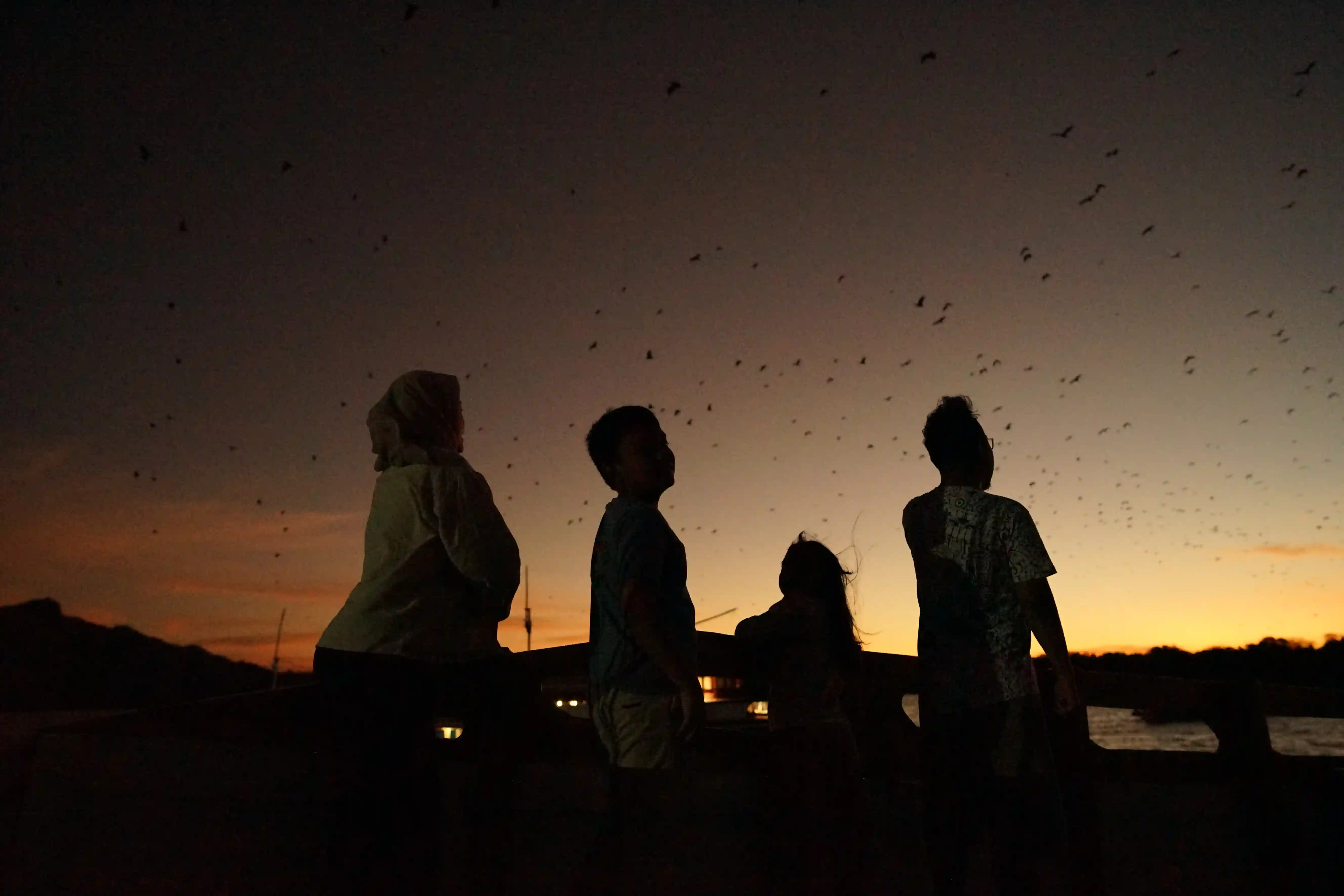
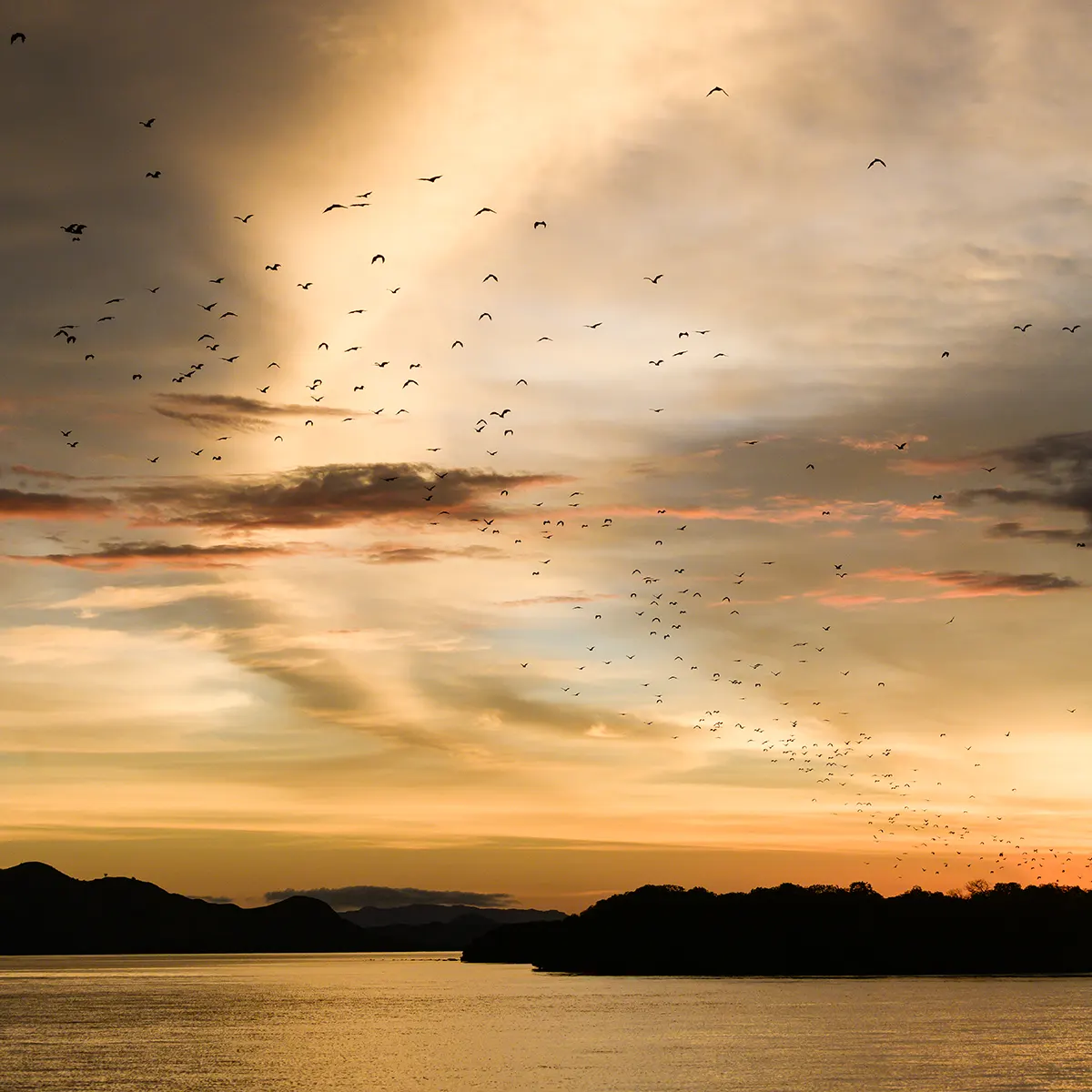
As afternoon transitions to evening, the flying foxes begin their nightly emergence from the dense mangrove forests that cloak Kalong Island. Unlike creatures bound to nocturnal awakening, these bats time their departure to coincide with the declining light—a phenomenon that creates dramatic visual conditions for observers. The exodus typically begins 20 to 30 minutes before sunset, building in intensity until the peak moment when thousands of silhouettes stream across the orange and purple sky in undulating waves.

The experience of witnessing this phenomenon from a stationary liveaboard vessel—anchored in optimal position with marine biologists and naturalists aboard—transcends typical tourism. You’ll observe the bats’ deliberate navigation patterns, their hierarchical flight formations, and the intelligence demonstrated by mothers and juveniles as they depart together. This is not chaotic wildlife activity; this is organized, purposeful behavior that scientists continue to study and understand.

The spectacle typically culminates within 45 minutes to an hour, as the final bats depart for their nighttime feeding territories that can extend 40 kilometers from Kalong Island. Your liveaboard crew can position your vessel to capture optimal photographic angles while maintaining ethical distance and minimal disturbance to the animals’ natural behavior.

The Mangrove Ecosystem: Hidden Complexity Beneath the Surface

Ecological Significance of Kalong Island’s Mangrove Forests

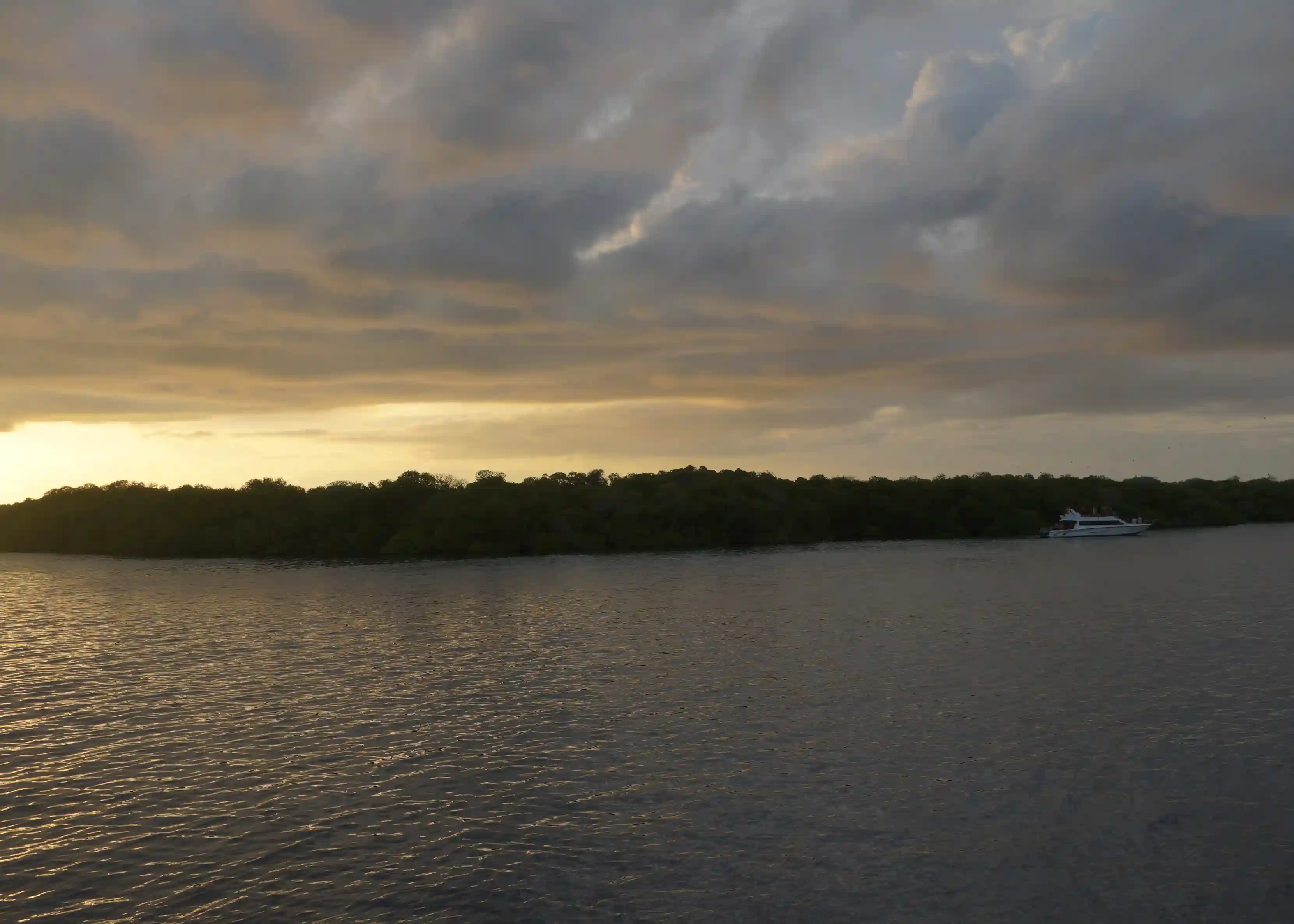
While the flying foxes captivate imaginations with their aerial display, the true ecological heart of Kalong Island lies in its mangrove forests—the complex network of salt-tolerant trees that serve as nursery, shelter, and resource center for the island’s bat population. These mangroves represent one of the archipelago’s most biodiverse ecosystems, supporting intricate food webs that begin with microscopic organisms and extend through crustaceans, fish, and the larger mammals that depend upon them.

The mangrove ecosystem surrounding Kalong Island functions as a living carbon sequestration system of global significance. These forests trap and store more carbon per hectare than terrestrial rainforests, making them invaluable allies in climate stabilization efforts. The mangroves also provide crucial nursery habitat for numerous fish species, many of which become the prey of the flying foxes when the bats venture inland at night.

Biodiversity and Interconnected Relationships

A true luxury experience at Kalong Island acknowledges the complexity of ecological relationships. The mangrove thickets shelter juvenile flying foxes during their vulnerable development stages. They provide roosting platforms during daylight hours when the bats enter their daytime torpor—a metabolic state similar to hibernation that conserves energy. The medicinal compounds and antimicrobial properties of mangrove vegetation may also play roles in maintaining bat health and population stability.

Liveaboard naturalists and marine biologists can guide you through shallow mangrove exploration, revealing the micro-ecosystems that exist within root systems and between trunks. You may encounter monitor lizards, diverse bird species, and aquatic life that forms the foundation of the entire Kalong Island food web. This educational component elevates your experience from passive observation to active understanding of ecosystem function and ecological relationships.

Photography at Kalong Island: Capturing Nature’s Drama

Optimal Camera Settings and Equipment Recommendations

Photographing the Kalong Island flying fox exodus presents unique technical challenges that reward preparation and knowledge. The rapidly changing light conditions of sunset require flexible camera settings and fast autofocus systems. Professional photographers consistently recommend ISO ranges of 1600 to 6400, shutter speeds of at least 1/500th of a second to freeze flying bat movement, and apertures between f/4 and f/8 to maintain adequate depth of field while capturing silhouettes against the colorful sky.

Telephoto lenses in the 70-200mm range provide exceptional flexibility, allowing you to capture both the overall scene and detailed shots of individual bats. Wide-angle lenses (14-35mm) prove invaluable for capturing the grandeur of the exodus against dramatic sky conditions. Most serious photographers bring multiple camera bodies and lens combinations to prevent missed opportunities during peak moments.

The tropical marine environment of Kalong Island demands waterproof protection for equipment. Salt spray, humidity, and intense sun exposure can degrade camera systems rapidly. Protective cases, lens cleaning kits, and silica gel moisture absorbers should feature prominently in your photographic preparation. Many liveaboard vessels now provide dedicated camera equipment rental and rental lockers designed specifically for tropical marine photography.

Advanced Photographic Techniques and Compositional Strategies

Superior Kalong Island photographs result from understanding compositional principles specific to wildlife and sunset photography. Leading lines created by the flight paths of bats draw viewers into images. The rule of thirds—positioning the sunset horizon on the lower third of the frame and the densest bat clusters in the upper frame—creates balanced, dynamic compositions. Silhouette photography, where bats appear as dark shapes against brilliant sky gradients, often produces more dramatic images than attempts to capture fine detail in low light.

The most memorable Kalong Island photographs frequently incorporate human elements of scale—the mast of your liveaboard vessel, crew members at the railing, or other contextual elements that convey the magnitude of the phenomenon. These images communicate not merely the presence of flying foxes, but the personal experience of witnessing an extraordinary natural event.

Professional liveaboard operators understand the photographic requirements of their guests and position vessels accordingly, communicate optimal timing, and sometimes reduce engine noise and movement during peak photography windows. This thoughtful consideration extends your photographic opportunities and demonstrates the luxury hospitality standards that distinguish exceptional liveaboard experiences.

Best Time to Visit: Seasonal Considerations and Bat Exodus Patterns

Seasonal Variations in Flying Fox Population and Behavior

The optimal season for visiting Kalong Island extends from March through May and again from August through November, when dry season conditions and moderate sea states create ideal liveaboard conditions. During these windows, the flying fox population at Kalong Island typically reaches its maximum concentrations, as seasonal fruit availability in surrounding areas drives stable roosting patterns.

The monsoon seasons—November through February and June through August—can reduce visible bat populations as the flying foxes disperse to follow fruit availability across wider geographic areas. However, monsoon season visits can sometimes reveal concentrated populations when fruit abundance draws bats back to Kalong Island’s mangrove resources. Experienced liveaboard operators monitor seasonal patterns and adjust itineraries accordingly, ensuring optimal wildlife experiences regardless of the broader season.

Lunar Cycles and Behavioral Patterns

Scientific research has documented correlations between lunar cycles and flying fox behavior. During full moon phases, flying foxes sometimes remain in the mangroves longer before emerging, potentially delaying the visible exodus by 30 minutes to an hour. Conversely, new moon phases can intensify the exodus as the bats depart earlier to navigate by starlight. Luxury liveaboard operators share this knowledge with guests, explaining the nuanced patterns that natural history interpretation adds to wildlife observation.

Planning your Kalong Island liveaboard booking to coincide with new moon phases and peak dry season windows maximizes the likelihood of exceptional experiences. The best operators provide lunar calendars and seasonal guides as part of their pre-departure information, ensuring you understand the ecological context of your visit.

What to Expect: A Day at Kalong Island

Morning Exploration and Mangrove Navigation

Typical liveaboard itineraries include dawn exploration around Kalong Island, where naturalists guide small tender operations through shallow mangrove channels. The morning light creates ideal conditions for bird photography and observation of aquatic life. You may encounter saltwater crocodiles, monitor lizards, and numerous wading bird species. The mangrove environment remains tranquil during morning hours, with roosting bats visible in the canopy overhead, creating intimate observation opportunities unavailable in the evening chaos.

Morning mangrove exploration provides essential context for understanding evening behavior. Recognizing individual roosting sites, observing pre-departure grooming rituals, and learning from naturalists about bat physiology and behavior enriches the subsequent sunset experience immeasurably.

Midday Activities and Optional Diving Opportunities

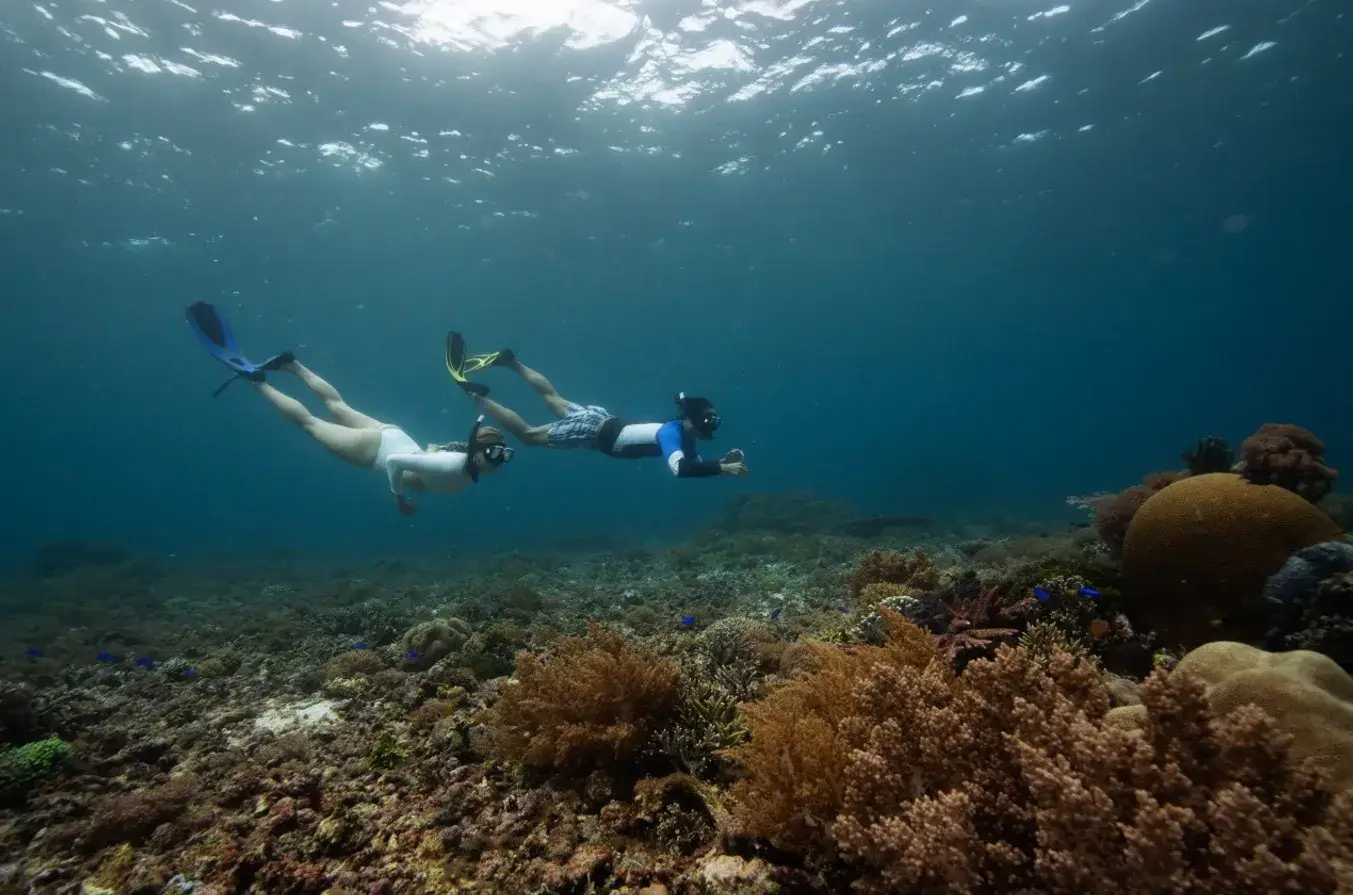
The period between morning mangrove exploration and afternoon sunset preparation typically includes diving or snorkeling opportunities in the surrounding marine environment. The waters surrounding Kalong Island host healthy coral gardens, diverse tropical fish populations, and occasional visits from larger pelagic species. Rinca Island, nearby in the Komodo archipelago, offers exceptional diving experiences that complement Kalong Island observations.

Many guests use midday hours for relaxation, marine biologist presentations, photographic equipment preparation, and review of previous footage. Luxury liveaboard vessels typically provide gourmet meal service, spa facilities, and educational programming during these hours, ensuring complete comfort and intellectual stimulation throughout your expedition.

Sunset Preparation and the Evening Exodus

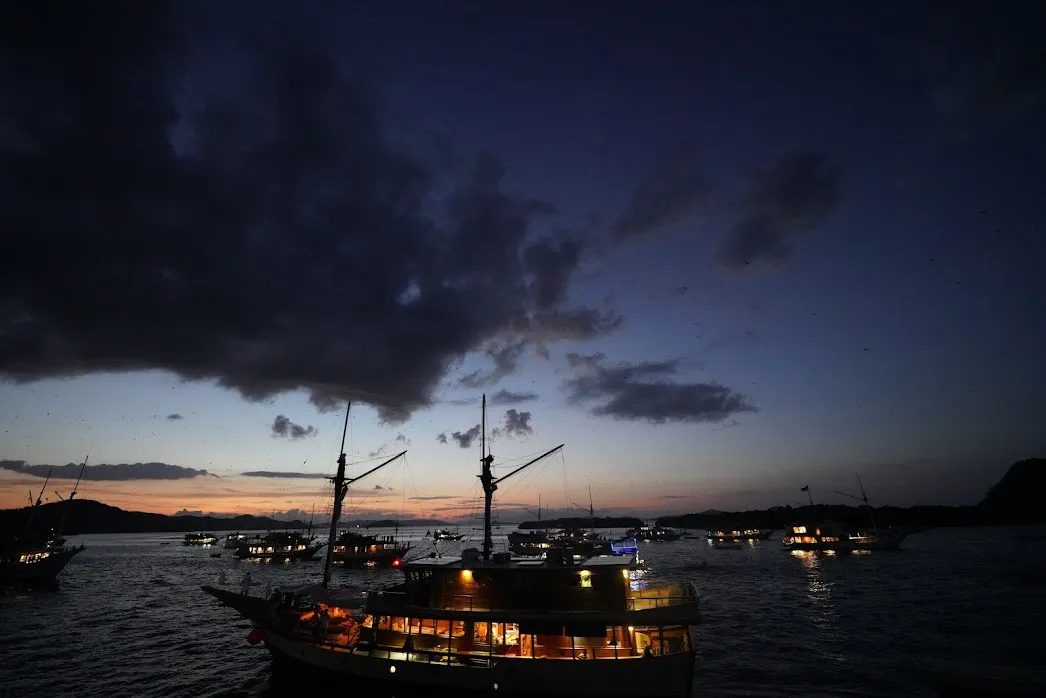
As afternoon transitions to evening, the liveaboard vessel positions itself in carefully selected locations optimized for viewing, photography, and minimal disturbance to the bats. Crew members explain the upcoming phenomena, discussing expected behavior patterns and photographic opportunities. This preparation transforms the sunset experience from random observation into informed, contextualized participation in an extraordinary natural event.

As the exodus reaches its peak, professional guides provide real-time information about flight patterns, population estimates, and behavioral observations. The combination of visual spectacle and scientific narrative creates a multi-sensory experience that engages both emotional and intellectual faculties.

The Liveaboard Sunset Experience: Luxury Meets Wilderness

Why Liveaboard Access Transforms Kalong Island Experiences

While day trips from Labuan Bajo represent more economical alternatives, luxury liveaboard access to Kalong Island offers incomparable advantages. Overnight positioning near the island allows vessels to depart before dawn mangrove exploration and maintain optimal positioning throughout the sunset exodus without rushing to return to port. The multi-day immersion environment permits accumulation of ecological knowledge and development of naturalist relationships that enrich every subsequent observation.

Liveaboard vessels provide comfort amenities—fresh cuisine, luxury accommodations, spa facilities, and educational programming—that transform what could be merely instructive into genuinely luxurious. You can pursue photography with dedicated concentration, knowing that a tender will retrieve you after sunset, that warm beverages await on deck, and that expert staff will manage all logistical details.

Naturalist-Led Interpretation and Scientific Context

Superior liveaboard operations employ marine biologists, naturalists, and conservation specialists who transform passive wildlife observation into active scientific participation. These specialists explain flying fox physiology, conservation challenges, ecological relationships, and ongoing research initiatives. They facilitate meaningful understanding of why Kalong Island represents a globally significant natural site worthy of protection.

Evening presentations in the vessel’s salon or on deck provide additional context—perhaps explaining climate change impacts on bat populations, discussing the role of mangrove conservation in addressing global challenges, or sharing field research findings from ongoing studies. This educational context elevates your Kalong Island experience beyond entertainment into intellectual engagement with fundamental natural science.

Liveaboard experiences within our luxury destination collection consistently emphasize this interpretive approach, recognizing that informed appreciation produces more profound satisfaction and stronger personal commitment to conservation.

Conservation Perspectives: Understanding Kalong Island’s Ecological Importance

Threats to Flying Fox Populations and Habitat Loss

Flying fox populations throughout Southeast Asia face mounting pressures from habitat loss, human-wildlife conflict, and climate change impacts. Mangrove forests—the essential ecosystems that sustain flying fox populations—have diminished by over 35% across Indonesia in recent decades due to aquaculture development, coastal urbanization, and agricultural expansion. The flying foxes that depend upon these habitats face reduced roosting sites, altered food sources, and increased human-wildlife conflict as their foraging ranges contract.

Climate change presents additional challenges, altering the fruiting phenology of trees upon which flying foxes depend. When fruit availability becomes unpredictable, bat populations experience increased malnutrition and mortality. The warming Indian Ocean influences monsoon patterns that determine regional fruit production patterns, creating cascading ecological impacts that reverberate through populations like Kalong Island’s flying foxes.

Conservation Initiatives and Responsible Tourism Participation

Kalong Island exists within Komodo National Park, a UNESCO World Heritage Site protected by Indonesian law and managed through international conservation partnerships. Revenue generated through responsible tourism supports park management, scientific research, and local community development programs. By choosing luxury liveaboard experiences that prioritize conservation values, you directly contribute financial support to these critical initiatives.

Responsible operators implement strict protocols minimizing disturbance during bat departure—maintaining quiet engines, limiting vessel movement, and positioning to avoid flash photography or sudden environmental changes that could interfere with natural behavior. These seemingly subtle considerations reflect sophisticated understanding of animal welfare and conservation ethics that distinguish truly luxury operators from merely comfortable accommodations.

Your participation in conservation-minded Kalong Island experiences supports scientific research monitoring bat population health, mangrove ecosystem vitality, and broader regional conservation strategies. Many liveaboard operators partner with research institutions, providing vessel access and guest participation opportunities in citizen science initiatives that advance conservation knowledge.

Frequently Asked Questions About Kalong Island

Are the flying foxes at Kalong Island dangerous?

Despite their imposing size and vampire bat misnomer, flying foxes at Kalong Island are entirely herbivorous and pose no threat to humans. These gentle creatures consume fruit, nectar, and pollen exclusively. They exhibit calm, docile temperaments and avoid human contact naturally. Liveaboard operations maintain safe distances that protect both guests and animals, ensuring risk-free observation of these remarkable mammals. The only “danger” flying foxes present is the risk of emotional overwhelm at witnessing such an extraordinary natural spectacle.

What is the difference between flying foxes and other bat species?

Flying foxes (Pteropus species) represent megabats—among the world’s largest bat species with wingspans exceeding 1.5 meters. Unlike insectivorous microbats that navigate by echolocation, flying foxes rely on excellent vision and smell to locate fruit and navigate. Their size, intelligence, and ecological importance distinguish them from smaller bat species. Kalong Island flying foxes represent a charismatic megabat population offering viewing experiences impossible with smaller, nocturnal insectivorous species.

Why do the flying foxes leave Kalong Island every evening?

Kalong Island serves as a roosting site but not a primary feeding ground. The flying foxes depart each evening to feed in surrounding areas, traveling distances of 10 to 40 kilometers to reach fruiting trees in forests throughout the Komodo archipelago and beyond. This nightly exodus represents normal, essential behavior that permits energy acquisition necessary for survival and reproduction. Scientists estimate that a single flying fox consumes approximately 25% of its body weight in fruit daily—requiring substantial nocturnal foraging.

Can I see flying foxes during the day on Kalong Island?

Yes, morning mangrove explorations provide opportunities to observe roosting flying foxes within the canopy overhead. During daylight hours, the bats remain relatively inactive, entering a metabolic state called torpor that conserves energy. Their daytime behavior differs dramatically from nighttime activity, offering opportunities for detailed observation and photography of individual animals at rest. Morning observations complement evening exodus experiences, providing comprehensive understanding of flying fox daily cycles.

What is the best month to visit Kalong Island for bat viewing?

March through May and August through November represent optimal periods for Kalong Island visits, offering reliable flying fox populations, calm sea conditions suitable for liveaboard positioning, and pleasant weather for water-based activities. September and October frequently feature exceptional visibility and comfortable temperatures. However, experienced operators can facilitate remarkable experiences year-round, with monsoon seasons sometimes concentrating bats when fruit availability drives roosting decisions.

How close can I get to the flying foxes during the exodus?

Responsible liveaboard operators maintain distances of 100-200 meters from primary exodus flight paths, permitting excellent viewing and photography while minimizing disturbance. This distance accommodates powerful telephoto lenses, provides safe observation conditions for guests, and respects the bats’ natural behavior. Closer approaches can disrupt coordinated flight patterns and violate both Indonesian regulations and international conservation ethics. The perceived distance diminishes considerably when hundreds of silhouetted bats fill the sky overhead—the spectacle remains extraordinary despite ethical positioning practices.

What photography gear is essential for capturing Kalong Island flying foxes?

While smartphone photography can capture sunset colors, serious flying fox photography requires interchangeable-lens cameras with fast autofocus, telephoto lenses (70-200mm range), and high ISO capability (3200-6400 range). Shutter speeds of 1/500th second or faster freeze bat movement. Many guests bring multiple camera bodies and lenses to manage the rapidly changing light conditions of sunset. Professional liveaboard operators often provide camera equipment rental, advice, and optimal positioning assistance for photographically-focused guests. Waterproof protective gear is essential in the tropical marine environment.

How do liveaboard experiences differ from day trips to Kalong Island?

Liveaboard vessels provide overnight positioning near Kalong Island, enabling dawn mangrove exploration, leisurely preparation, optimal sunset positioning, and comprehensive naturalist interpretation unavailable on day trips. Multi-day immersion permits knowledge accumulation, relationship development with guides, participation in optional research activities, and integration of Kalong Island experiences with surrounding Komodo archipelago destinations. Luxury amenities—gourmet cuisine, spa facilities, spacious accommodations, and educational programming—distinguish liveaboard experiences from economical alternatives. The result is transformative rather than merely instructive tourism.

Planning Your Kalong Island Liveaboard Experience

Your Kalong Island adventure begins with understanding the destination’s significance, the ecological relationships that sustain its flying fox population, and the conservation imperatives that protect this extraordinary site. Selection of an operator committed to responsible tourism, scientific interpretation, and luxury hospitality standards determines whether your experience becomes merely pleasant or genuinely transformative.

Comprehensive liveaboard trip planning should address seasonal considerations, photographic equipment preparation, physical fitness requirements for water-based activities, and integration with complementary destination experiences within the broader Komodo archipelago. Pre-departure reading about flying fox biology, mangrove ecology, and Komodo conservation initiatives enriches your on-site experiences and deepens personal engagement with the destination.

Whether you visit Kalong Island for the drama of the flying fox exodus, the richness of mangrove ecosystems, the exceptional diving opportunities in surrounding waters, or the comprehensive nature experience that luxury liveaboard operations provide, you participate in conservation, support scientific research, and engage with one of Indonesia’s most remarkable natural phenomena. Your responsible tourism choices demonstrate market demand for conservation-minded travel experiences, influencing destination development trajectories and supporting local communities economically and culturally.

Ready to experience the magic of Kalong Island? Begin your luxury liveaboard booking today and prepare for an encounter with nature’s most spectacular aerial performance.

Ready to Explore Komodo?

Start planning your luxury liveaboard adventure through Komodo National Park. Our team is ready to craft your perfect voyage.

WhatsApp Bali Medical Concierge