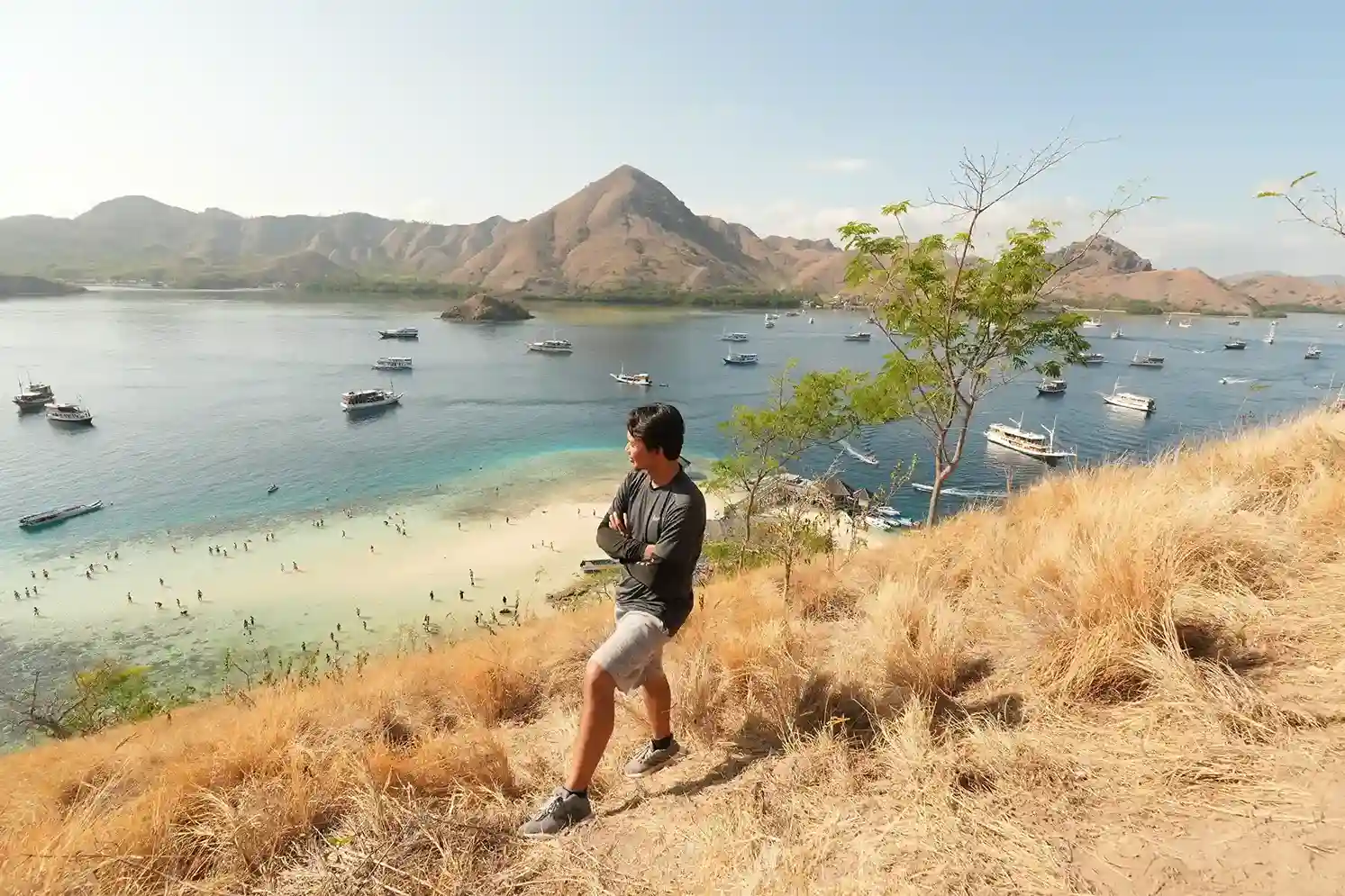
Kelor Island — Hilltop Views & Pristine Beach Near Labuan Bajo

Quick Answer: Kelor Island is a pristine gem in the Komodo archipelago, located near Labuan Bajo, offering exceptional snorkeling, panoramic hilltop viewpoints, and white-sand beaches. As an ideal first or last stop on your liveaboard trip, Kelor Island combines accessibility with unspoiled natural beauty, making it a perfect complement to your Komodo liveaboard experience.

Discover Kelor Island: The Crown Jewel of Your Komodo Liveaboard Adventure

Nestled in the pristine waters of the Komodo National Park, Kelor Island stands as one of the most captivating destinations for luxury liveaboard enthusiasts seeking an authentic Indonesian experience. This remarkable island combines accessibility with untouched natural splendor, offering an exceptional blend of adventure, relaxation, and unparalleled natural beauty. Whether you’re embarking on or concluding your liveaboard journey, Kelor Island delivers an unforgettable experience that captures the essence of the Komodo archipelago.

Located just 45 minutes by speedboat from Labuan Bajo, the main gateway to Komodo, Kelor Island has become increasingly recognized as a must-visit destination for discerning travelers who appreciate both comfort and authentic exploration. The island’s strategic position makes it the perfect introduction to your Komodo adventure or an ideal final memory before returning to the mainland.

Kelor Island Overview: A Hidden Paradise in the Komodo Archipelago

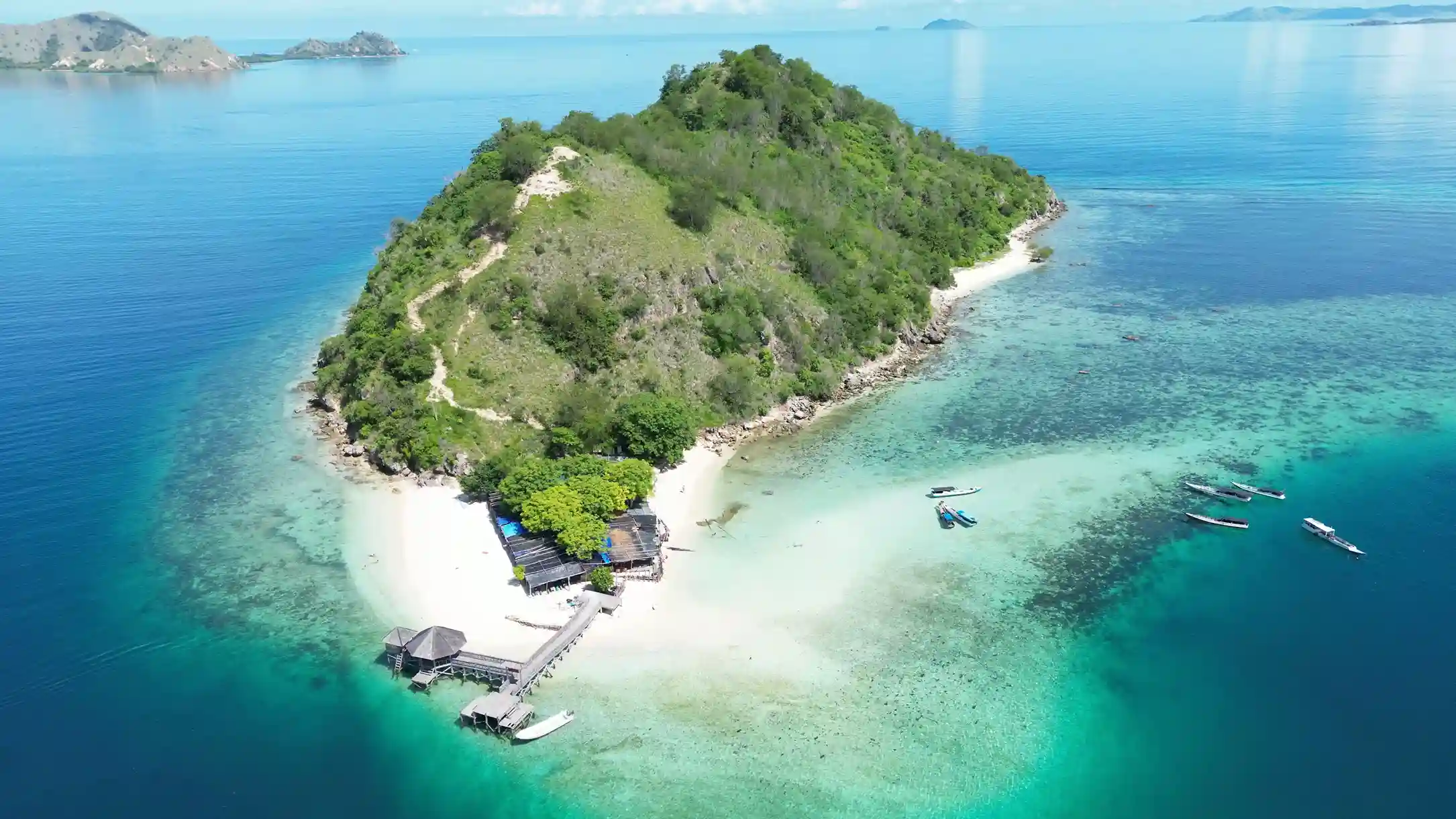
Kelor Island, also known locally as Pulau Kelor, represents a perfect marriage of accessibility and exclusivity within the Komodo ecosystem. This small but magnificent island stretches across just a few hectares, yet it contains an extraordinary diversity of experiences that rival much larger destinations. The island’s compact size allows visitors to experience multiple attractions in a single day, making it exceptionally popular with luxury liveaboard operators who use it as a strategic stop on multi-day itineraries.

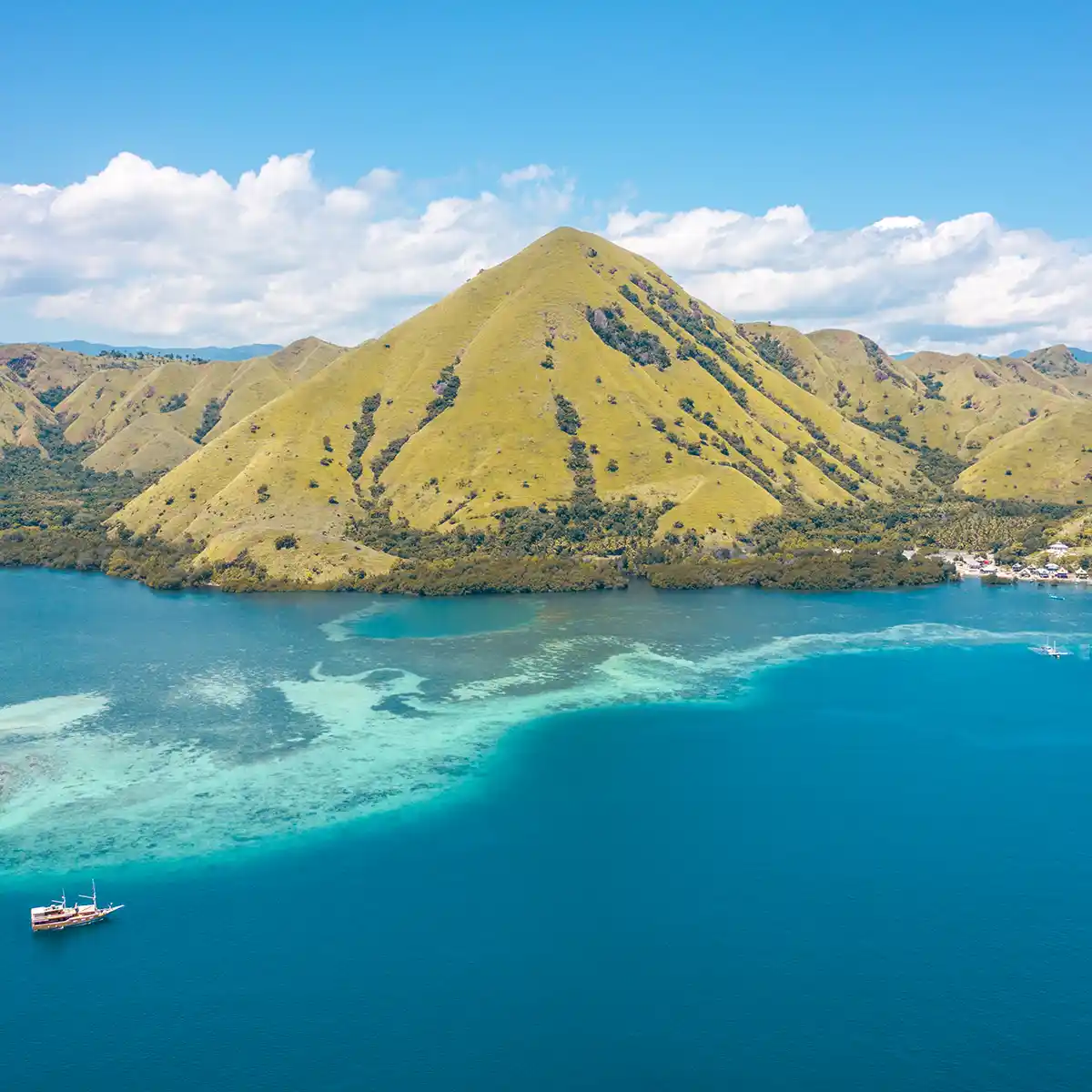
The island’s distinctive geography features a prominent volcanic ridge that rises dramatically from pristine beaches, creating stunning visual contrasts between the turquoise waters below and the verdant hillsides above. This dramatic topography has made Kelor Island increasingly popular among luxury travel photographers and Instagram-savvy travelers seeking authentic Indonesian coastal scenery without compromising on comfort or amenities.

What truly distinguishes Kelor Island from other destinations in the Komodo region is its relatively untouched status. While nearby islands have experienced increased tourism development, Kelor Island has maintained its pristine character, offering visitors an authentic encounter with the natural Komodo landscape. The island remains far less crowded than popular tourist spots, ensuring that your experience retains an exclusive, intimate quality that increasingly sophisticated travelers now demand.

The Iconic Hilltop Viewpoint: Panoramic Perspectives Across the Sunda Strait

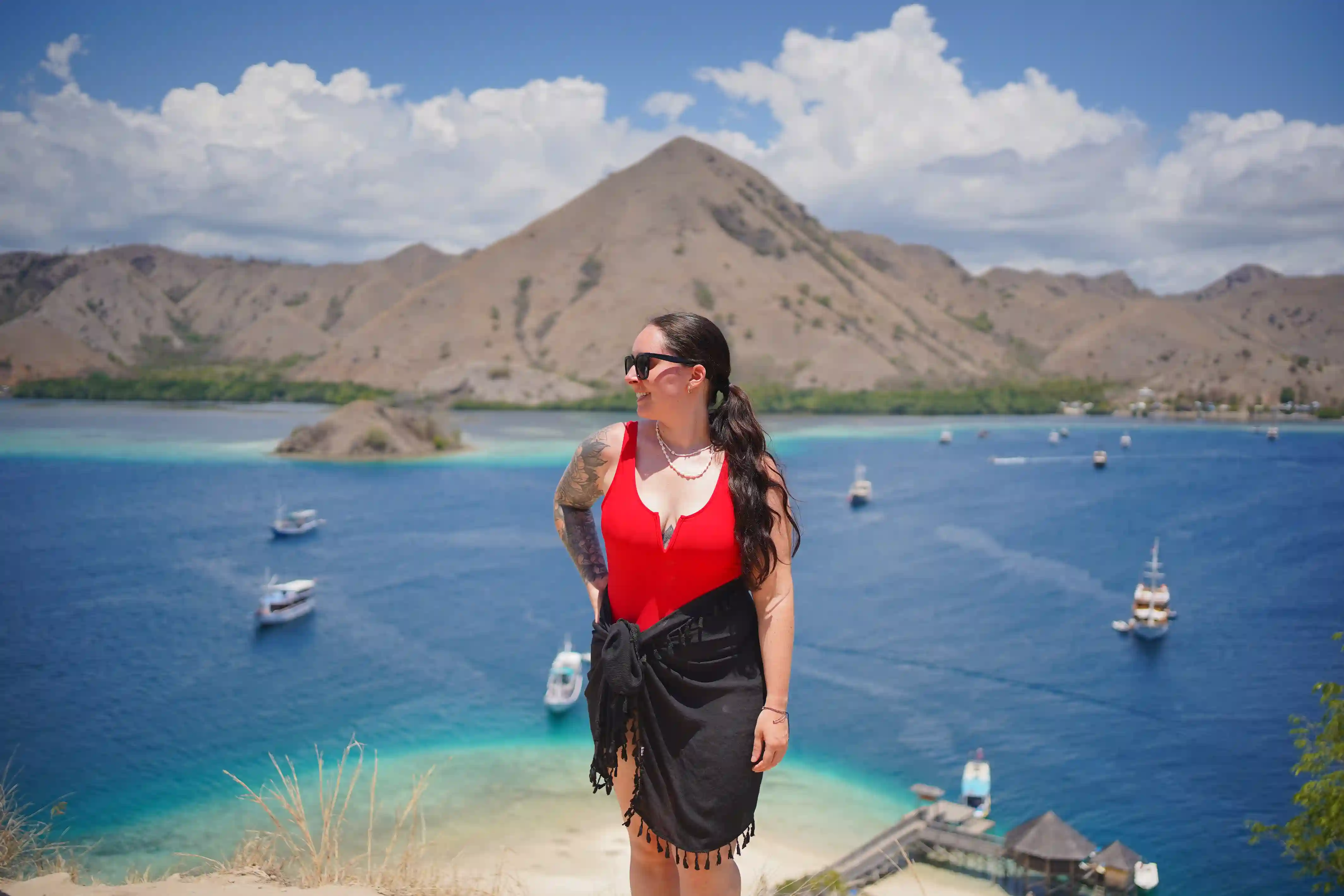
The crowning achievement of any Kelor Island visit is the ascent to the hilltop viewpoint—a 20-minute trek that rewards visitors with some of the most breathtaking panoramic vistas in the entire Komodo archipelago. This elevated vantage point offers 360-degree perspectives across the Sunda Strait, encompassing the neighboring islands of Komodo, Rinca, and Flores, along with countless smaller islets dotting the crystalline waters below.

The hike itself is professionally manageable, designed to be accessible to travelers of various fitness levels. The well-maintained trail winds through natural vegetation characteristic of the Komodo region, ascending gradually to the summit where an expansive viewing platform awaits. This strategic pause point provides the perfect location for photography, meditation, or simply absorbing the magnificent natural landscape that stretches endlessly across the horizon.

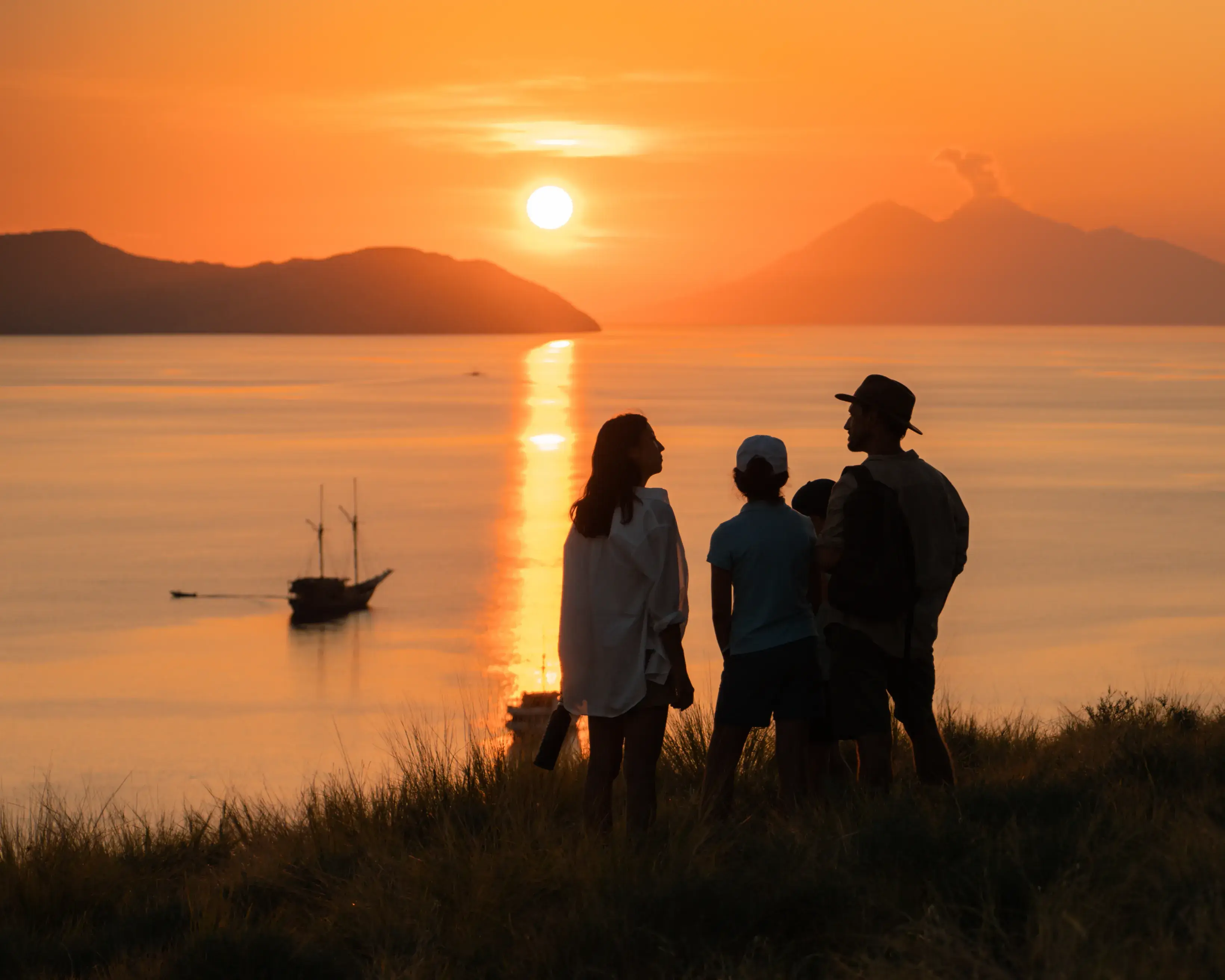
The hilltop viewpoint offers distinct visual characteristics depending on the time of day. Morning visits present opportunities for capturing the soft golden light as it illuminates the adjacent islands, while afternoon visits offer dramatic cloud formations and the interplay of light and shadow across the water. The most coveted time for hilltop visits is late afternoon, when the declining sun bathes the landscape in warm amber tones and the islands cast elongated shadows across the sea.

From this elevated position, you’ll gain a profound appreciation for the geographic context of your liveaboard experience. The viewpoint provides essential orientation for understanding the Komodo National Park’s layout, the positions of various diving destinations, and the strategic importance of Kelor Island’s position within the broader archipelago.

World-Class Snorkeling: Vibrant Coral Gardens and Abundant Marine Life

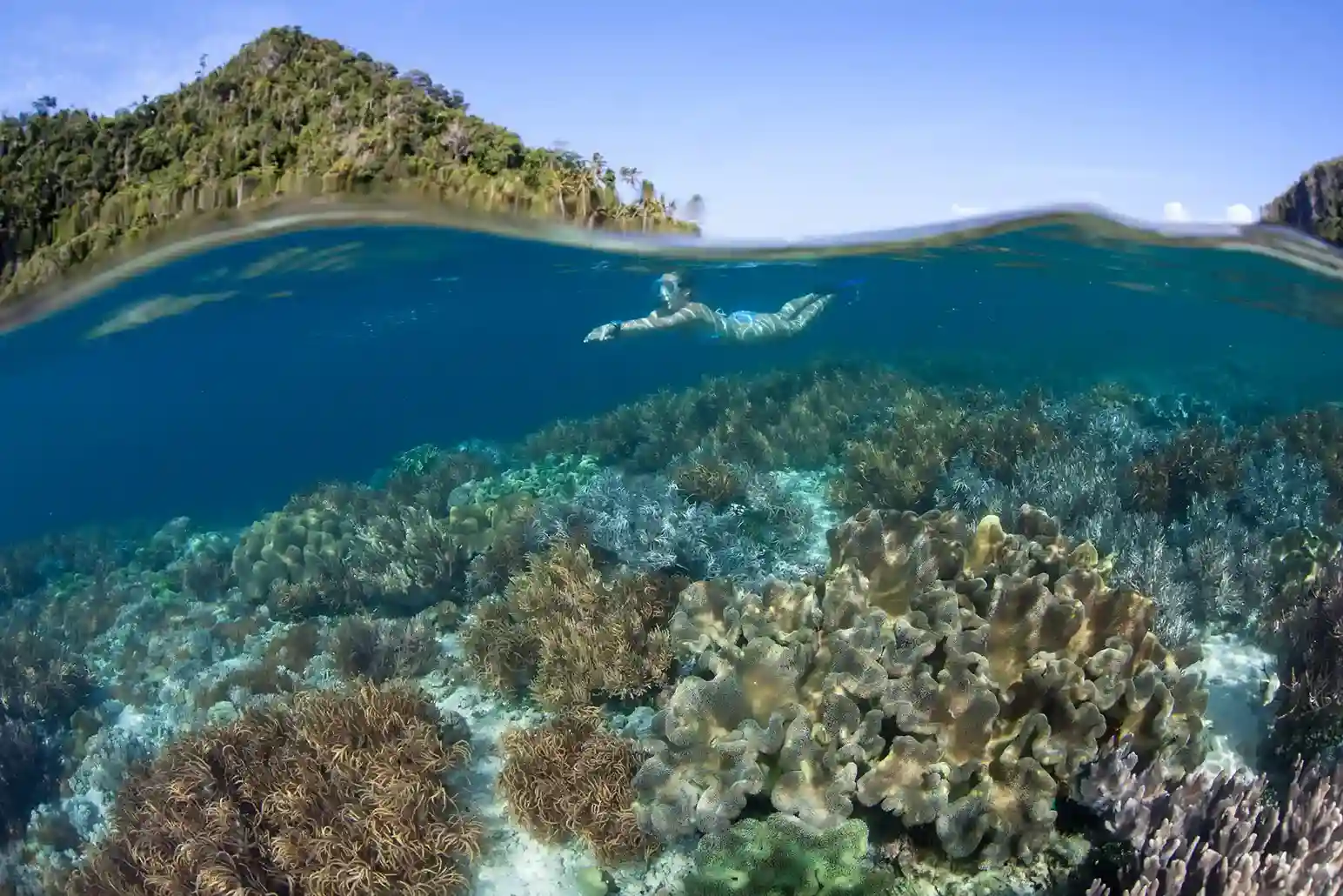
Kelor Island has earned recognition as one of the premier snorkeling destinations within the Komodo region, rivaling dedicated diving sites in terms of biodiversity and visual spectacle. The island’s shallow reef systems, combined with excellent water clarity and healthy coral ecosystems, create an ideal environment for underwater exploration accessible to snorkelers of all skill levels.

The primary snorkeling area centers around the island’s western shoreline, where a vibrant coral garden extends from the shallow beach environment into slightly deeper waters. This gradient approach allows snorkelers to experience multiple ecological zones during a single outing. Beginners can explore the shallow fringing reefs mere meters from shore, while more experienced snorkelers can venture into deeper channels where larger pelagic species frequently patrol.

The coral communities at Kelor Island represent the pinnacle of Komodo’s reef health. Hard coral species dominate the reef structure, with staghorn, branching, and massive coral formations creating complex three-dimensional habitats that support extraordinary biodiversity. Soft corals add graceful movement and additional color variation, while sponge communities contribute to the overall visual spectacle and ecological functionality of these remarkable ecosystems.

Fish populations at Kelor Island demonstrate the exceptional marine health of this protected destination. Schools of fusiliers, trevally, and mackerel cruise through the water column, while reef-associated species—including colorful parrotfish, butterflyfish, angelfish, and wrasse species—maintain constant activity across the coral landscape. Larger pelagic species occasionally patrol the deeper channels, and fortunate visitors may encounter reef sharks, turtles, or rays during their snorkeling adventures.

The Pristine Beach: White Sand and Crystal Waters

Complementing Kelor Island’s exceptional snorkeling is an equally magnificent beach environment. The island features a pristine crescent of white sand that stretches generously along the eastern shoreline, creating an idyllic environment for relaxation, swimming, and beach-based activities. The sand composition—fine, powdery, and brilliant white—contrasts dramatically with the crystalline turquoise waters, creating the quintessential tropical beach aesthetic that luxury travelers envision during their Komodo liveaboard journey.

Beach conditions at Kelor Island remain exceptionally favorable throughout the year, though seasonal variations in swell direction and intensity do occur. During the dry season (April through November), the beaches present their most sheltered, calm appearance. The wet season brings more dynamic ocean conditions, but even during these months, the beaches retain their beauty and appeal, often presenting powerful wave action that appeals to more adventurous beach enthusiasts.

The beach environment supports remarkable biodiversity. Hermit crabs and various crab species explore the sand surface, while shorebirds patrol the waterline in search of food. The beach vegetation—characterized by low scrub species adapted to coastal conditions—provides habitat for local fauna and creates natural framing for the beach environment. This ecological integrity means that your beach experience at Kelor Island contributes to conservation rather than degradation.

Encounters with Marine Life: Understanding Kelor Island’s Underwater Ecosystem

The marine biodiversity surrounding Kelor Island represents one of the most compelling reasons to include this destination in your liveaboard itinerary. The island’s protected status, combined with its strategic position within the Komodo ecosystem, has allowed marine populations to flourish at density levels rarely encountered in increasingly pressured global reef systems.

Reef fish populations at Kelor Island demonstrate remarkable species diversity. Parrotfish—crucial ecosystem engineers that feed on algae and dead coral—maintain healthy populations that help preserve reef health and vitality. Grouper species, including various rockcod varieties, provide dramatic encounters for snorkelers and divers. The presence of significant predator populations, including reef sharks and jacks, indicates a healthy, balanced ecosystem where trophic cascades remain intact.

Invertebrate communities at Kelor Island contribute substantially to the underwater visual spectacle. Cephalopods—including octopuses and cuttlefish—demonstrate remarkable intelligence and camouflage capabilities. Sea urchins, starfish, and cucumber species occupy important ecological niches while providing visual interest to snorkelers. Nudibranchs, sea slugs of extraordinary color and form diversity, constitute a specialized fascination for macro-oriented photographers and naturalists.

The presence of sea turtles in Kelor Island waters represents a particularly meaningful encounter. These magnificent reptiles, increasingly threatened globally, maintain healthy populations within the Komodo ecosystem. Encounters with turtles—whether during snorkeling, diving, or beach exploration—provide profound connections to conservation efforts and the irreplaceable value of protected marine environments.

Larger pelagic species, including tuna, mackerel, and jacks, create dramatic moments as they sweep through snorkeling areas. These high-speed hunters demonstrate the dynamic energy of healthy reef ecosystems and provide unforgettable visual experiences that justify the continued protection and preservation of Kelor Island and its surrounding marine environment.

Sunset Viewing: Golden Hour Magic Above the Sunda Strait

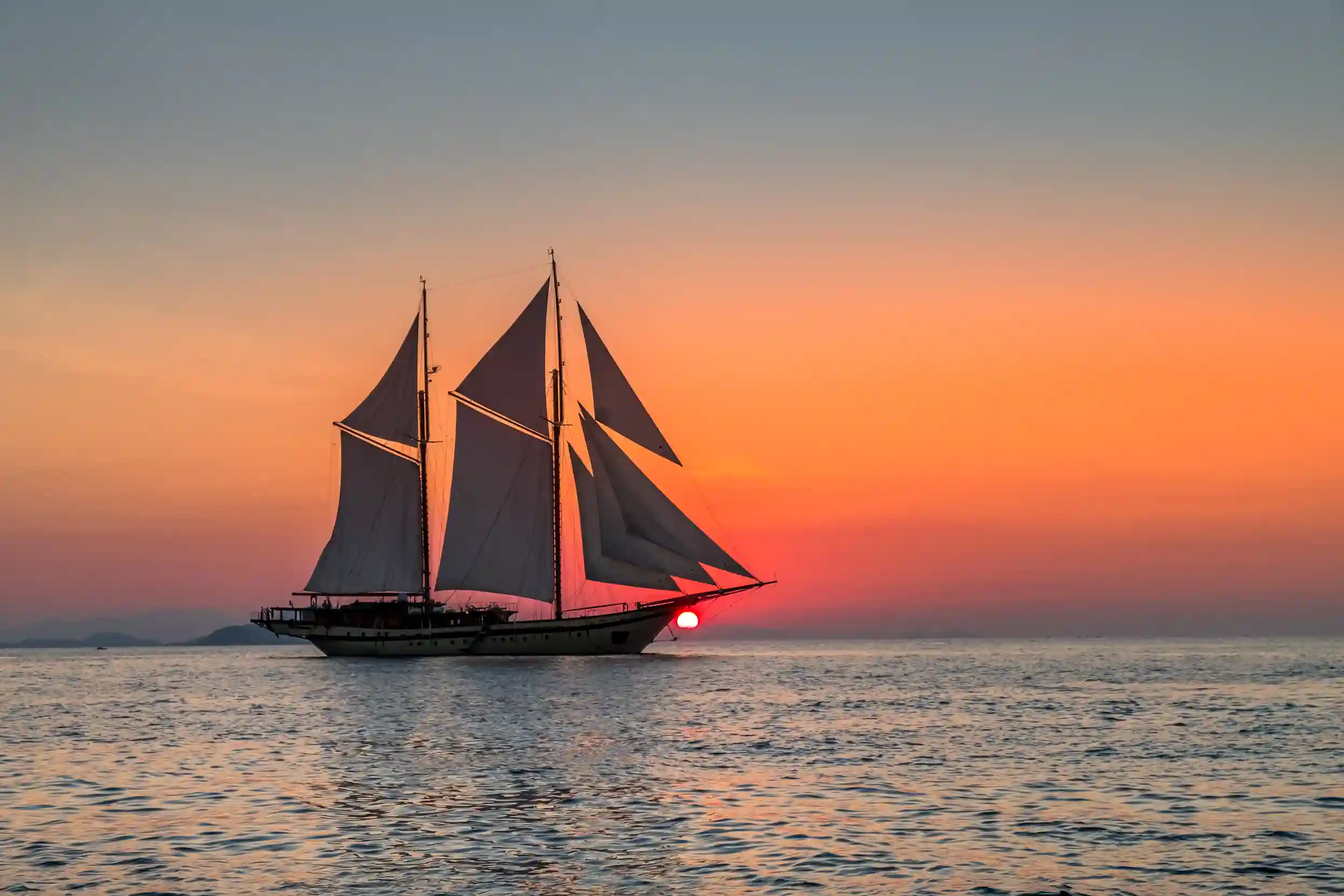
Perhaps no experience at Kelor Island captures the essence of tropical luxury as perfectly as witnessing sunset from the island’s elevated vantage points. As the sun descends toward the western horizon, the sky transforms through an extraordinary palette of warm tones—from brilliant gold and amber through deep orange and crimson, concluding in subtle purples and deep blues as twilight falls.

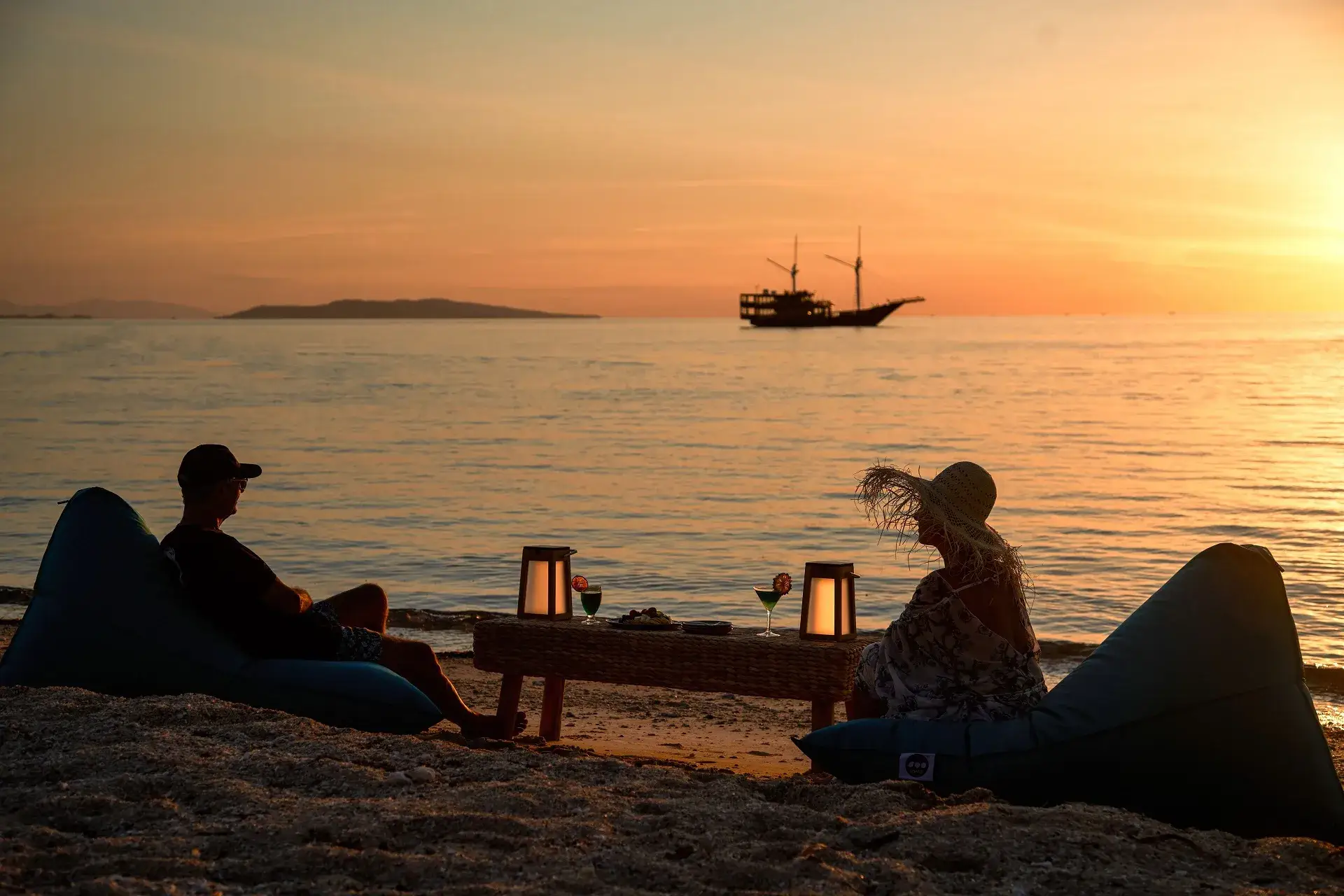
The sunset experience at Kelor Island offers multiple perspective options. The hilltop viewpoint provides the most comprehensive vista, allowing you to observe sunset across the entire Komodo archipelago. Alternatively, the beach environment offers a more intimate sunset experience, with the ocean reflecting the declining sun’s colors in shimmering golden pathways. Many luxury liveaboard operators include sunset viewing as a scheduled activity, allowing you to pause your day and appreciate the natural drama unfolding across the landscape.

Photography enthusiasts discover that Kelor Island’s sunset conditions provide exceptional opportunities. The interplay of warm light, dramatic cloud formations, and the archipelago’s distinctive geography creates compositional possibilities that satisfy even demanding photographers. The extended golden hour—lasting considerably longer than sunsets in temperate regions due to Kelor Island’s tropical latitude—provides extended time for photographic exploration before twilight fully descends.

From a sensory and emotional perspective, sunset at Kelor Island represents a moment of profound connection with the natural landscape. The island’s relatively untouched status means that the sunset experience retains authenticity—no artificial lights or developed infrastructure interrupt the view. This genuine encounter with natural beauty, increasingly rare in our developed world, constitutes one of the most valuable experiences your liveaboard journey can offer.

Proximity to Labuan Bajo: Strategic Accessibility in the Komodo Region

Kelor Island’s location within the Komodo ecosystem is not merely geographically interesting—it’s strategically significant for liveaboard operations and luxury tourism logistics. Situated just 45 kilometers from Labuan Bajo, the primary gateway to Komodo and home to Flores International Airport, Kelor Island offers exceptional accessibility without sacrificing remoteness or authenticity.

This proximity to Labuan Bajo transforms Kelor Island into the ideal first or last stop for your Komodo liveaboard adventure. Travelers arriving at Flores International Airport can be snorkeling at Kelor Island within hours of landing, immediately transitioning from airport logistics into the core liveaboard experience. Similarly, travelers concluding their liveaboard journeys can arrange schedules that place Kelor Island as the final destination, allowing them to transition back to Labuan Bajo afterward with minimal scheduling complications.

The accessibility also means that Kelor Island serves as a strategic breakpoint during longer liveaboard journeys. Multi-day trips that explore various Komodo destinations—including nearby islands like Kanawa Island, Bidadari Island, and Sebayur Island—can incorporate Kelor Island as a anchor point that provides psychological and logistical familiarity within the broader archipelago exploration.

The boat transfer from Labuan Bajo to Kelor Island typically requires 45 minutes to one hour, depending on sea conditions and the specific vessel used. Modern speedboat transfers maintain passenger comfort throughout the journey, with many liveaboard operators providing welcome refreshments and orientation briefings during the transit. This manageable travel time means that Kelor Island remains accessible to travelers with varying physical capabilities and time constraints.

Kelor Island as the Perfect First Stop: Beginning Your Komodo Liveaboard Experience

Luxury liveaboard operators increasingly recognize Kelor Island’s exceptional value as an opening destination on multi-day Komodo itineraries. The island’s unique characteristics make it an ideal psychological and experiential introduction to your liveaboard journey. Upon arrival, guests transition from the logistics of mainland travel into the rhythm of island life, beginning their adventure with an accessible yet profoundly rewarding experience.

The moderate physical demands of Kelor Island activities—the 20-minute hilltop hike, the accessible snorkeling conditions, the pristine beach environment—allow travelers to acclimate to tropical conditions while building confidence in their abilities to navigate liveaboard activities. This gentle introduction reduces anxieties that might accompany more challenging diving or snorkeling situations later in the journey.

Importantly, Kelor Island delivers exceptional marine and natural experiences on the first day, immediately validating your decision to undertake a liveaboard journey. The combination of the hilltop viewpoint, pristine snorkeling, and sunset viewing provides multiple “highlight” experiences that establish confidence and excitement for the adventures to follow. This psychological boost enhances your reception to subsequent destinations and activities throughout your liveaboard itinerary.

Arriving at Kelor Island as your first destination also provides strategic advantages for booking purposes. Many liveaboard operations offer flexible itineraries that adjust based on weather, guest interests, and real-time conditions. Starting at an accessible, protected island allows operations to assess group dynamics, individual capabilities, and environmental conditions before committing to more specialized or remote destinations.

Kelor Island as Your Final Stop: Concluding Your Komodo Adventure

Equally compelling is Kelor Island’s role as the concluding destination on liveaboard journeys. After multiple days exploring diverse Komodo destinations, witnessing remarkable wildlife, and engaging in intensive snorkeling or diving activities, Kelor Island provides a psychological and physical space for reflection and integration of your experience.

The island’s accessible activities—particularly the hilltop viewpoint and sunset viewing—invite contemplation and appreciation of the broader archipelago you’ve explored. From the elevated perspective, you can trace your journey mentally across the landscape, recalling moments of connection and discovery from previous days. This concluding perspective transforms individual moments and destinations into a coherent narrative of exploration and growth.

Physically, Kelor Island’s gentler activities provide appropriate counterbalance to the intensive exertion of previous liveaboard days. After perhaps multiple diving sessions, boat transfers, and physical exploration of more challenging terrain, the relaxed pace of Kelor Island beach time and the moderate hilltop hike allow gradual deceleration from the liveaboard adventure. This transition back toward mainland life unfolds naturally, rather than jarring guests with sudden return to urban logistics.

Psychologically, concluding with Kelor Island’s sunset creates a profound sense of closure and completion. As you witness the sun descending across the archipelago for the final time during your journey, you experience a natural bookending moment. This sensory and emotional conclusion often provides guests with the most lasting memories of their Komodo liveaboard experience—the quiet beauty and peaceful contemplation of the final evening supplanting even the most dramatic adventures of preceding days.

Photography at Kelor Island: Capturing Tropical Paradise

Photography enthusiasts discover that Kelor Island provides exceptional opportunities for both casual snapshots and serious professional work. The island’s diverse environments—from elevated hilltop perspectives to intimate beach moments to colorful underwater scenes—offer varied compositional possibilities within a compact geographic area.

The hilltop viewpoint creates ideal conditions for landscape photography, particularly during golden hour when directional light creates dramatic modeling and shadow definition across the archipelago. Wide-angle lenses prove essential here, capturing the expansive vista while selective framing draws viewer attention to compelling compositional elements. The elevated position also provides superior perspectives for capturing distant islands and the curvature of Kelor Island’s foreground terrain.

Beach photography at Kelor Island offers intimate documentary possibilities. The white sand, turquoise water, and gentle vegetation create classic tropical aesthetic that photographs beautifully in natural light. Golden hour beach photography—performed as sunset approaches—creates particularly compelling portraits and environmental images, with warm directional light enhancing skin tones and creating dramatic backlighting opportunities.

Underwater photography at Kelor Island presents challenges and rewards specific to snorkeling photography. The shallow depths, excellent water clarity, and abundant coral provide ideal conditions for colorful reef photography. Compact waterproof cameras and smartphone housings prove sufficient for casual underwater imagery, while serious underwater photographers bring dedicated digital cameras in specialized housings for superior image quality and creative control.

The sunset creates dynamic opportunities for silhouette photography—a particularly compelling technique when combined with human subjects positioned against the declining sun. Cultural photography—capturing local guides, fellow travelers, and genuine moments of interaction and discovery—often proves more meaningful than purely landscape or ecological imagery. These human-centered images anchor your photographic narrative to the social and experiential dimensions of your Kelor Island visit.

Seasonal Considerations: Timing Your Kelor Island Visit

Understanding seasonal patterns allows you to optimize your Kelor Island experience. The dry season (April through November) typically offers the most favorable conditions, with calm seas, excellent water visibility, and minimal precipitation. During these months, beach conditions reach their most serene, and the hilltop viewpoint offers the clearest atmospheric visibility for panoramic photography.

The wet season (December through March) brings increased cloud cover, occasional rainfall, and more dynamic ocean conditions. However, these months also offer advantages—fewer tourists, more dramatic lighting conditions created by cloud formations, and the unique aesthetic of tropical landscape during the rainy season. Water temperatures remain warm year-round, and the temperature differential between seasons remains minimal at Kelor Island’s tropical latitude.

Wind patterns impact snorkeling and diving conditions at Kelor Island. The dry season’s trade winds create choppier conditions during exposed reef areas, while the wet season’s more variable winds can produce exceptionally calm days. Seasonal current patterns also vary, affecting water visibility and the dynamics of marine animal distribution. Experienced liveaboard operators schedule Kelor Island visits strategically within broader itineraries to optimize conditions based on season-specific environmental patterns.

Responsible Tourism: Preserving Kelor Island for Future Generations

The exceptional natural condition and pristine quality of Kelor Island results directly from conservation-oriented management and responsible visitor practices. As you experience this remarkable destination, your actions contribute either to preservation or degradation of the ecosystems that make Kelor Island special.

Reef-conscious snorkeling practices prove essential. Avoid stepping on coral, even in shallow water, as modern reef ecosystems demonstrate surprising sensitivity to mechanical damage. Reef-safe sunscreen—specifically formulas that exclude oxybenzone and octinoxate—protects coral symbiosis while maintaining your personal sun protection. Maintain appropriate distance from marine animals, allowing them to continue natural behaviors undisturbed by human presence.

Beach practices similarly contribute to preservation. Respect designated nesting areas if sea turtles are present. Avoid removing shells, coral fragments, or other biological materials—these items support ongoing ecosystem function within their original locations. Properly dispose of all waste, carrying non-organic items off the island for appropriate disposal on Labuan Bajo or Flores.

Cultural respect extends to interactions with local guides and communities. These individuals possess comprehensive knowledge of Kelor Island and the Komodo ecosystem, developed through generations of intimate interaction with this landscape. Approaching local guides with genuine curiosity and respect creates meaningful cultural exchanges that transcend the transactional nature of tourism services.

Frequently Asked Questions About Kelor Island

What is the best time to visit Kelor Island?

The dry season (April through November) offers the most favorable conditions with calm seas and excellent visibility for snorkeling. However, Kelor Island remains visitable year-round. The wet season brings fewer tourists and unique atmospheric conditions. Your specific preferences—regarding weather, crowd levels, and photographic opportunities—should guide your seasonal selection. Most luxury liveaboard trips operate year-round, adjusting itineraries seasonally to optimize conditions based on weather patterns and guest interests.

How long does the hilltop trek take, and is it physically challenging?

The ascent to the hilltop viewpoint typically requires 20 to 30 minutes, depending on individual fitness levels and trail conditions. The descent requires similar time. The trail is well-maintained and designed for accessibility, though it does involve steady uphill effort and some uneven terrain. Most travelers of moderate fitness can complete the hike comfortably. The reward—panoramic 360-degree vistas across the Komodo archipelago—justifies the physical effort. Those with mobility limitations should consult with their liveaboard operator about alternative viewpoint options.

Can I encounter large marine animals while snorkeling at Kelor Island?

Kelor Island’s snorkeling areas feature abundant smaller reef fish, sea turtles, and occasionally reef sharks. Larger pelagic species—including trevally, mackerel, and occasionally manta rays—sometimes patrol deeper channels adjacent to the main snorkeling zone. These encounters remain unpredictable; encountering large animals is never guaranteed, though the healthy marine ecosystem makes such encounters more likely here than in degraded reef systems. All encounters occur in their natural context, with animals continuing normal behaviors undisturbed by respectful observers at appropriate distances.

What are the current and tide conditions at Kelor Island?

Tidal ranges at Kelor Island are moderate, typically ranging 1-2 meters between low and high tide. Currents vary depending on location around the island and seasonal weather patterns. The western snorkeling areas typically experience gentler conditions than channels facing open water. Your liveaboard operator monitors daily tidal and current patterns, scheduling snorkeling activities to optimize safety and visibility. Tidal considerations particularly impact boat positioning and entry/exit logistics, which your guide will manage professionally.

Are there facilities on Kelor Island, or should I bring supplies?

Kelor Island remains undeveloped—there are no restaurants, shops, restrooms, or permanent structures. Your liveaboard vessel provides all necessary facilities, food, and freshwater. You should bring sun protection, snorkeling equipment (though most liveaboards provide equipment), and any personal items needed for island activities. The absence of developed infrastructure constitutes a primary advantage—it preserves Kelor Island’s pristine character and ensures that your visit contributes to conservation rather than environmental degradation.

Can I combine Kelor Island with other Komodo destinations on my liveaboard journey?

Absolutely. Kelor Island’s strategic position and accessibility make it ideal for combining with other Komodo destinations. Common multi-island itineraries include combinations with Kanawa Island, Bidadari Island, and Sebayur Island. Your specific liveaboard package will outline which islands are included. Pricing varies based on which islands and activities you include, with flexibility to customize your booking based on your interests and available time.

What underwater photography equipment do I need for Kelor Island snorkeling?

Basic photography requires only a waterproof smartphone housing or compact waterproof camera, both of which capture the vibrant reef colors and marine life adequately. For serious underwater photography, dedicated digital cameras in professional housings provide superior image quality and creative control. Macro lenses allow capture of nudibranchs and small invertebrates, while wide-angle lenses capture broader reef and fish school compositions. Your liveaboard operator can advise on equipment recommendations based on your experience level and photographic goals.

How should I prepare for my Kelor Island visit?

Physical preparation should include general fitness conditioning, as the hilltop trek and water-based activities require moderate exertion. Mental preparation involves researching the marine ecosystem you’ll encounter—understanding fish species, coral types, and conservation principles enriches your experience substantially. Practical preparation includes gathering reef-safe sunscreen, bringing an underwater camera if desired, and consulting any diving or snorkeling certifications you may hold. Your liveaboard operator will provide detailed pre-trip information addressing specific preparation recommendations for your journey.

Conclusion: Kelor Island as Your Gateway to Komodo Liveaboard Excellence

Kelor Island represents more than simply another destination within the Komodo archipelago—it embodies the quintessence of tropical luxury travel combined with authentic ecological experience. Whether beginning your journey at this magnificent location or concluding your liveaboard adventure with its serene beauty, Kelor Island delivers profound satisfaction across multiple dimensions of human experience.

The island’s combination of accessible activities, exceptional snorkeling, panoramic viewpoints, and pristine beach environment creates a complete tropical experience within a compact geographic area. The maintained proximity to Labuan Bajo ensures logistical feasibility, while the island’s protected status guarantees continued ecological integrity that will sustain these experiences for future generations.

As you contemplate your Komodo liveaboard experience, Kelor Island merits serious consideration as either your opening or closing destination. The island’s strategic position within the broader archipelago, combined with its exceptional natural attractions and luxury accessibility, makes it an ideal component of comprehensive Komodo exploration. Begin your planning today by exploring available liveaboard options, reviewing pricing information, and proceeding to booking your transformative tropical adventure.

Ready to Explore Komodo?

Start planning your luxury liveaboard adventure through Komodo National Park. Our team is ready to craft your perfect voyage.

WhatsApp Bali Medical Concierge