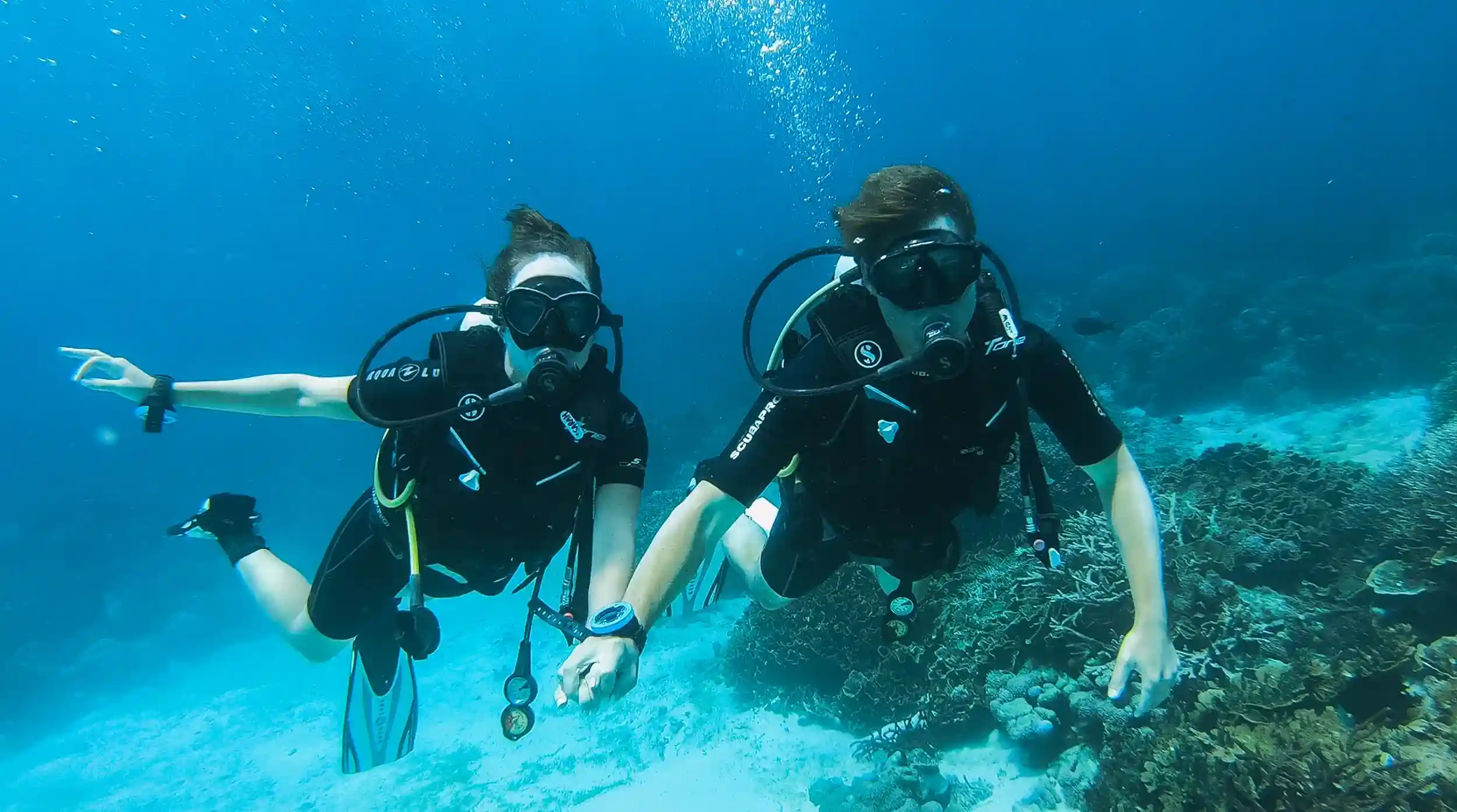
Manta Point Komodo — Swim with Giant Manta Rays

Quick Answer: Manta Point in Komodo is one of the world’s most extraordinary destinations for encountering manta rays in their natural habitat. This premier dive site attracts gentle giant mantas year-round, with peak season from July through October. Experiencing mantas at Manta Point is best achieved through a liveaboard expedition, which provides early morning access to ensure the most magical encounters with these magnificent creatures.

Manta Point Komodo: An Unparalleled Destination for Manta Ray Encounters

Nestled within the pristine waters of the Komodo archipelago lies one of the world’s most coveted diving destinations: Manta Point Komodo. This exceptional locale has earned its reputation as a premier hotspot for encountering manta rays, offering discerning travelers and diving enthusiasts an unmatched opportunity to witness nature’s most graceful ocean dwellers in their native environment. The waters surrounding Komodo Island host a thriving population of manta rays that are remarkably curious, often approaching divers with an intelligence and gentleness that creates profoundly moving moments beneath the surface.

For those seeking to experience komodo manta diving at its finest, Manta Point represents the pinnacle of underwater adventure. The convergence of ocean currents, nutrient-rich waters, and unique topographical features creates ideal conditions for manta ray activity. Whether you’re an experienced diver or considering your first manta encounter, this destination promises an experience that transcends typical tourism and touches something deeper within the soul.

Understanding Manta Rays: Gentle Giants of the Ocean

The Manta Ray Species and Their Behavior

Manta rays belong to the genus Manta, and there are two primary species: the giant manta ray (Manta birostris) and the reef manta ray (Manta alfredi). At Manta Point Komodo, you’ll encounter primarily reef manta rays, though occasional giant mantas do visit the area. These magnificent creatures are the largest rays in the world, with wingspans reaching up to 23 feet or more. Despite their imposing size, mantas are gentle filter-feeders, consuming plankton and small fish through a specialized feeding mechanism that makes them completely harmless to humans.

What makes manta rays particularly special is their apparent curiosity and intelligence. Divers and snorkelers frequently report that mantas seem genuinely interested in observing humans, often approaching divers to investigate. This behavior, combined with their fluid, almost balletic movements through the water, creates an emotional connection that many describe as transformative. The intelligence in a manta’s eyes, visible even from behind your mask, conveys a sense of ancient wisdom and peaceful awareness.

Manta Ray Anatomy and Feeding Patterns

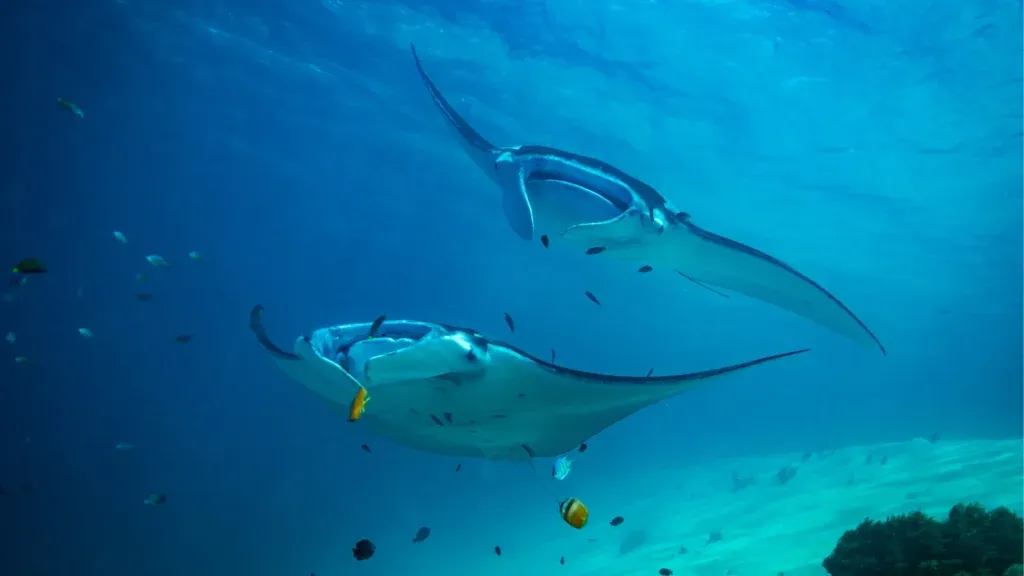
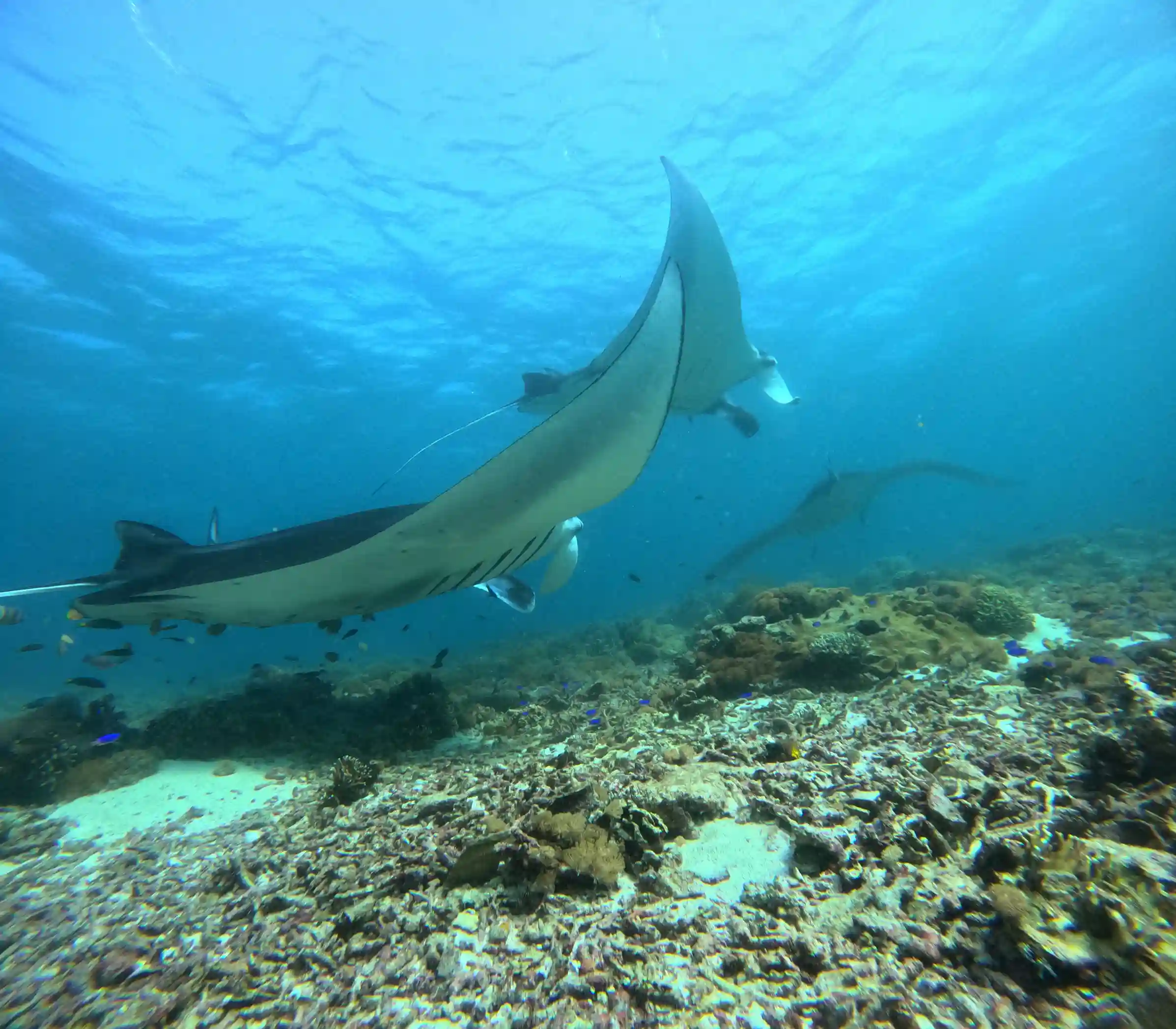
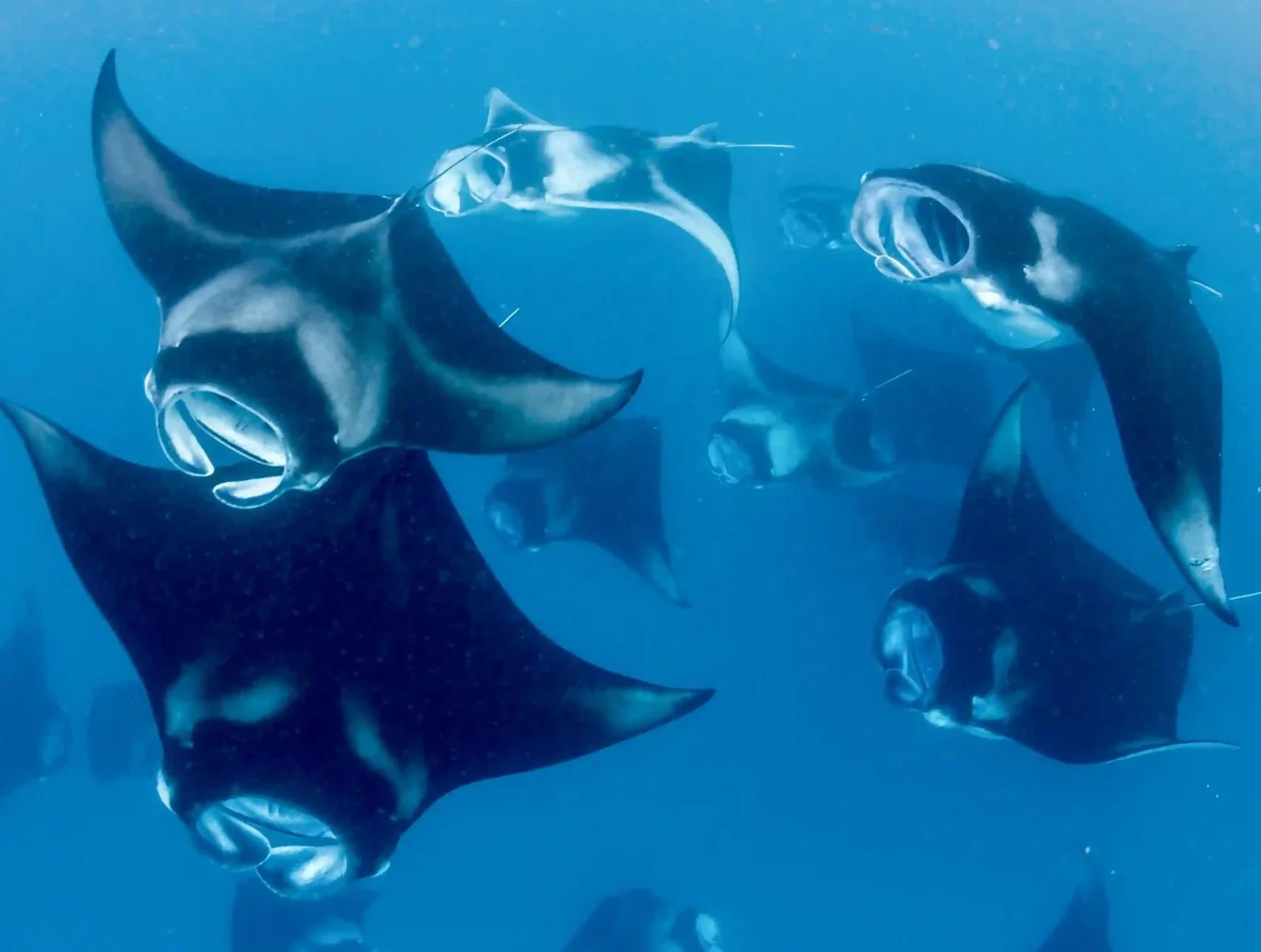
The distinctive head fins, or cephalic fins, that give mantas their characteristic appearance serve as funnels to direct plankton and small organisms into their mouths. These organic appendages are often mistaken for horns, hence the popular nickname “devil fish,” though this name dramatically misrepresents the manta’s gentle nature. Their bodies are flattened horizontally, and their wing-like pectoral fins enable them to perform graceful undulating movements that make them appear to fly through the water.

Manta rays are typically found in areas with strong currents and upwelling, which concentrate their food sources. Manta Point Komodo sits at the confluence of several major ocean currents, making it an ideal feeding ground. During certain times of the year, particularly the upwelling season, food concentrations attract manta rays in significant numbers, providing extraordinary opportunities for encounters.

The Magic of Manta Point Komodo: Location and Conditions

Geographic Significance and Current Dynamics

Manta Point is located on the northwestern coast of Komodo Island, positioned at a critical junction where multiple ocean currents converge. This geographic advantage creates the perfect storm of conditions that manta rays find irresistible. The topography of Manta Point features a sloping sandy bottom that transitions to deeper waters, with occasional rock formations that further concentrate nutrients and plankton.

The Flores Sea currents that flow through the Komodo region are exceptionally strong, particularly during certain seasons. These currents bring nutrient-rich water from deeper ocean layers to the surface, a process known as upwelling. This upwelling fuels the growth of plankton, which forms the foundational link in the food chain that ultimately attracts manta rays. Understanding these oceanographic principles helps explain why Komodo Island has become such a renowned destination for manta encounters.

Visibility and Environmental Conditions

Visibility at Manta Point varies seasonally, ranging from 10 to 40 meters depending on current strength, time of year, and recent weather patterns. The strongest currents often coincide with the most dramatic plankton blooms, which can reduce visibility somewhat, but these same conditions bring the highest concentration of mantas. Experienced divers understand this trade-off and appreciate that reduced visibility often means heightened manta activity.

Water temperature at Manta Point ranges between 26-29°C (79-84°F) throughout the year, providing comfortable conditions for extended underwater exploration. The relatively consistent warm water, combined with the nutrient-rich environment, supports one of the richest marine ecosystems in the world.

Best Season for Manta Ray Encounters at Komodo

Peak Season: July Through October

The optimal season for manta ray Komodo encounters spans from July through October. During this period, the southeast monsoon winds drive strong currents that create ideal feeding conditions for manta rays. The water temperature remains warm, and the increased plankton concentrations reliably attract large numbers of mantas to Manta Point.

July and August typically represent the absolute peak, when manta sightings are virtually guaranteed on daily dives. September and October maintain excellent conditions, though slightly fewer mantas visit compared to mid-summer months. During these months, you can expect to encounter mantas on most, if not all, of your diving days.

Shoulder Seasons and Year-Round Opportunities

From November through June, manta encounters become less predictable, though certainly possible. The dry season months of May and June can produce excellent results, with warming waters and decent current activity. The wet season from December through February brings stronger, more unpredictable currents and occasionally reduced visibility, but patient divers may still encounter mantas.

It’s important to note that manta rays are present in Komodo waters year-round. Even during off-season months, dedicated liveaboard trips visiting multiple sites throughout the archipelago maintain respectable chances of manta encounters. The advantage of booking during peak season, however, is the almost guaranteed sightings and the opportunity to spend quality time observing manta behavior.

Manta Point Komodo: Diving vs. Snorkeling Experiences

The Diving Experience at Manta Point

Diving at Manta Point offers the most immersive manta ray experience. Most dives at Manta Point are conducted as drift dives, where divers descend to the sandy bottom (typically 8-15 meters) and drift with the current while remaining stationary relative to the water column. This technique positions you directly in the path of manta rays feeding in the current.

From the sandy bottom, you maintain perfect buoyancy control, allowing extended observation periods. Mantas often approach divers multiple times during a single dive, seemingly curious about the bubbles and human presence. Experienced divers report that remaining calm and still increases the likelihood of close encounters. The average dive duration at Manta Point is 40-50 minutes, providing ample time for meaningful interaction.

Diving also grants access to the full depth of the site, where stronger current activity often brings the highest manta concentrations. Additionally, divers can explore the surrounding reef structure and encounter the abundance of other marine life that inhabits this ecosystem.

Snorkeling at Manta Point

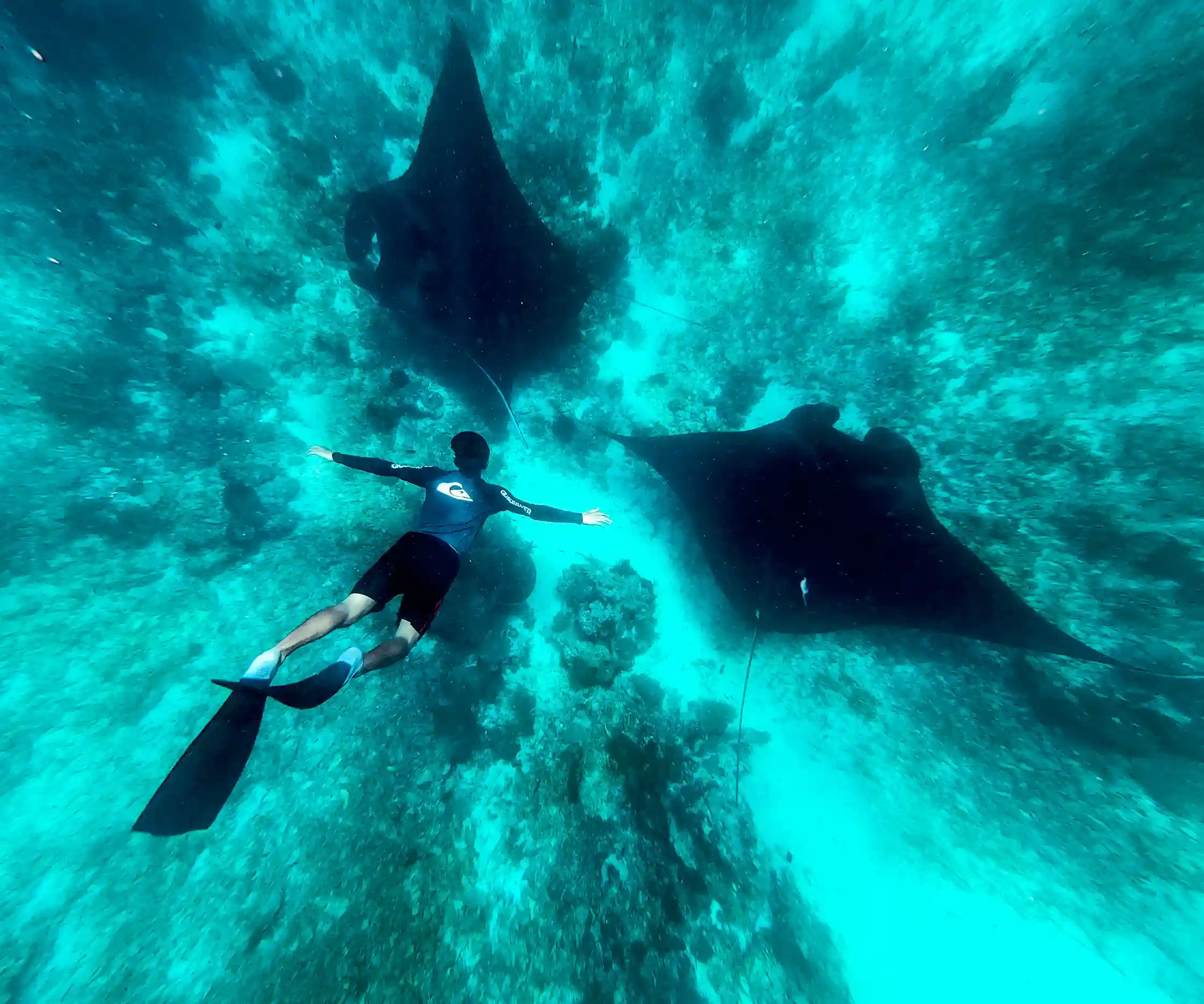
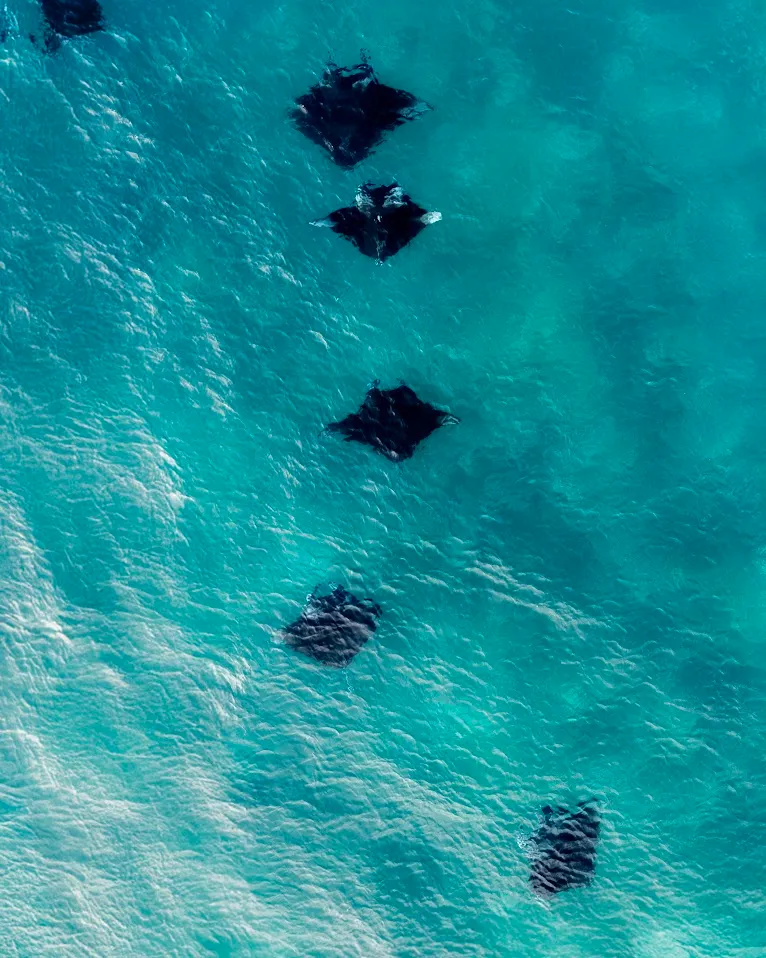
Snorkeling at Manta Point is equally rewarding and often produces spectacular results, particularly when manta rays are actively feeding near the surface. Snorkelers experience the mantas from above, witnessing their graceful wing-like movements as they glide through the water. The visual spectacle of a manta’s entire body is often more impressive from the snorkeling perspective than from depth.

Snorkeling at Manta Point accommodates individuals who may not be certified divers, opening this extraordinary experience to a broader audience. Many liveaboard expeditions offer both diving and snorkeling at Manta Point, ensuring that all members of a group can participate in manta encounters at their chosen comfort level.

Combining Diving and Snorkeling for Maximum Experience

The ideal approach for a complete Manta Point experience combines both diving and snorkeling sessions. A typical day might include an early morning dive, a lunch break, and an afternoon snorkeling session. This dual approach provides the benefits of both perspectives: the intimate underwater connection of diving and the panoramic visual spectacle of snorkeling.

The Marine Biology of Manta Point Komodo

Ecosystem Diversity and Nutrient Cycles

Manta Point exists within one of the world’s most biodiverse marine ecosystems. The waters surrounding Manta Point support thousands of species, from microscopic plankton to large pelagic predators. The nutrient upwelling that attracts manta rays also supports a complex food web that sustains the entire region’s marine life.

The plankton that mantas consume consists primarily of copepods, fish larvae, and other tiny organisms. These plankton thrive in the nutrient-rich waters brought to the surface by upwelling currents. This base of the food chain supports fish species of all sizes, from anchovies to large jacks and trevally that form schools in the currents alongside feeding mantas.

Associated Species and Multi-Species Encounters

While manta rays are the primary attraction, diving or snorkeling at Manta Point provides opportunities to encounter numerous other magnificent species. Large schools of jacks and trevally often accompany mantas, sometimes in groups of hundreds. These fish demonstrate remarkable coordination and create a dynamic visual spectacle as they swirl around feeding mantas.

Reef sharks, including whitetip and blacktip reef sharks, frequently patrol Manta Point. These sharks are gentle, curious creatures that add to the excitement without posing any threat. Occasionally, larger pelagic species such as eagle rays, eagle sharks, or even whale sharks visit the area, particularly during the peak season months.

The reef structure around Manta Point supports a traditional coral reef ecosystem with colorful reef fish, nudibranchs, octopuses, and countless other creatures. This biodiversity ensures that even on days when manta sightings are limited, the dive remains extraordinary in its own right.

Conservation and Manta Ray Protection in Komodo

International Conservation Status

Manta rays hold protected status under the Convention on International Trade in Endangered Species (CITES) and are listed as vulnerable on the International Union for Conservation of Nature (IUCN) Red List. Manta populations face threats from fishing, particularly gillnetting, which can entangle and kill these gentle giants. Other threats include habitat degradation and climate change impacts on ocean ecosystems.

Indonesia has taken progressive steps to protect manta rays through the Komodo National Park designation and the creation of marine protected areas. The government has implemented regulations that restrict fishing in critical manta habitat and has even established specific protections for certain species within park boundaries.

Responsible Tourism and Manta Interaction Guidelines

Tourism at Manta Point can coexist with conservation when conducted responsibly. The interaction between divers and manta rays is inherently non-invasive, as mantas are the ones choosing to approach. However, responsible operators follow strict guidelines to minimize disturbance and stress to the animals.

Best practices include maintaining proper distance and buoyancy control, never touching or chasing mantas, and respecting their behavior and space. Reputable liveaboard operators train all guests on appropriate manta interaction protocols before entering the water. These guidelines ensure that tourism generates economic incentive for conservation rather than contributing to environmental degradation.

Community Benefits and Economic Incentives for Protection

Tourism revenue from manta diving has become a powerful conservation tool in Komodo. Local communities benefit economically from sustainable tourism, creating strong incentives to protect manta ray habitat and populations. This economic model demonstrates how responsible tourism can align commercial interests with conservation objectives, benefiting both people and wildlife.

What to Expect During Your Manta Point Komodo Experience

Pre-Dive Preparation and Safety Protocols

Before your first manta dive or snorkel, your liveaboard expedition guides will conduct a comprehensive briefing covering safety protocols, site features, and manta interaction guidelines. This briefing ensures that all participants understand current conditions, expected depth ranges, and behavioral expectations for the manta rays.

Safety equipment is meticulously maintained on professional liveaboard vessels. You’ll be provided with properly-fitted wetsuits, BCDs (buoyancy control devices), regulators, and all necessary safety gear. Experienced guides conduct a final equipment check before every dive, ensuring everything functions perfectly.

The Descent and Current Adaptation

As you descend at Manta Point, you’ll immediately sense the powerful current pushing against you. Your guide will direct you to a suitable position on the sandy bottom, where you’ll establish buoyancy control and settle into stillness. The current creates a gentle pressure sensation, but experienced divers quickly adapt to this environment.

From your stationary position, you’ll observe the underwater landscape: the sloping sand bottom, occasional rocky outcrops, and schools of fish moving in the current. The water gradually transitions from the bright blue of shallow water to the deeper blue of the open ocean as you look into the distance.

The Manta Approach and Behavioral Observations

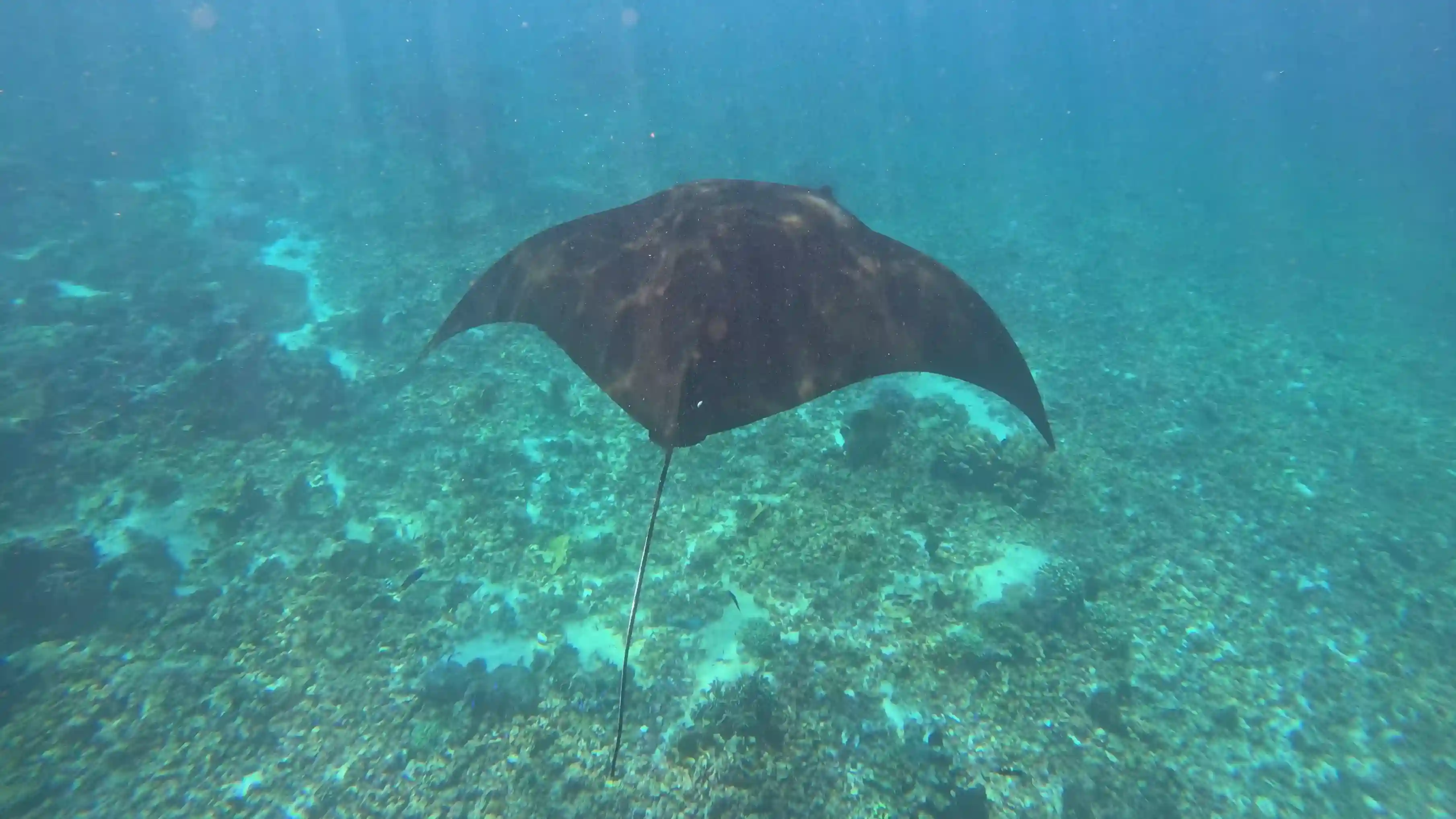
Often within minutes of settling on the bottom, you’ll spot a manta ray approaching. The first visual is typically the distinctive silhouette against the brighter water above, growing progressively larger as the manta draws near. As the manta approaches, you’ll notice the incredible grace of its movement, the gentle undulation of its massive wings, and the surprising elegance of a creature that weighs hundreds of pounds.

Many mantas pass within arm’s reach of divers, though touching is strictly discouraged. At close range, you can observe the manta’s texture, the color variations across its body, and the remarkable intelligence evident in its eyes. Some mantas perform multiple passes, returning again and again, seemingly curious about the strange bubble-breathing creatures in their domain.

A successful manta dive typically provides multiple manta encounters, with some experienced divers and snorkelers witnessing ten or more individual mantas during a single expedition. Even if you encounter fewer mantas than hoped, the experience of being in their presence, witnessing their majesty and grace, creates indelible memories.

The Liveaboard Advantage for Manta Point Komodo Access

Strategic Positioning and Early Access

The primary advantage of a liveaboard expedition for Manta Point Komodo is strategic positioning. Liveaboard vessels depart their moorings at dawn, positioning boats at Manta Point before 7 AM when manta activity is typically highest. This early access is virtually impossible for land-based operations, which require travel time from shore-based accommodations.

By being first at the site, liveaboard guests encounter mantas before they’ve been disturbed by multiple dive groups. This often means encountering less wary mantas that are more actively feeding and more likely to approach divers. The competitive advantage of early morning access significantly increases both the frequency and quality of manta encounters.

Flexibility and Multiple Site Visits

A liveaboard vessel can rapidly relocate based on weather conditions, current predictions, and recent sightings from other guides. If conditions at Manta Point are less than ideal on a particular day, the vessel can pivot to alternative dive destinations in the region, then return to Manta Point when conditions improve.

Liveaboard itineraries typically include multiple premier dive sites throughout the Komodo region. You might visit Pink Beach, explore the dramatic formations at other Komodo sites, and encounter mantas at Manta Alley in addition to Manta Point. This variety provides exceptional value and reduces dependence on any single site.

Comfort, Convenience, and Immersion

Liveaboard vessels eliminate the fatigue of daily travel to dive sites. You sleep, eat, and prepare for dives all in one location, maximizing time in the water and minimizing wasted hours on transit. This efficiency means more diving hours during your expedition, directly translating to increased manta encounter opportunities.

Beyond logistics, liveaboard vessels create a unique community atmosphere. You’ll share this extraordinary experience with other like-minded travelers, often forging friendships that extend beyond the expedition. Experienced guides become mentors, sharing insights about the marine environment, manta ray behavior, and the Komodo ecosystem.

Customization and Luxury Standards

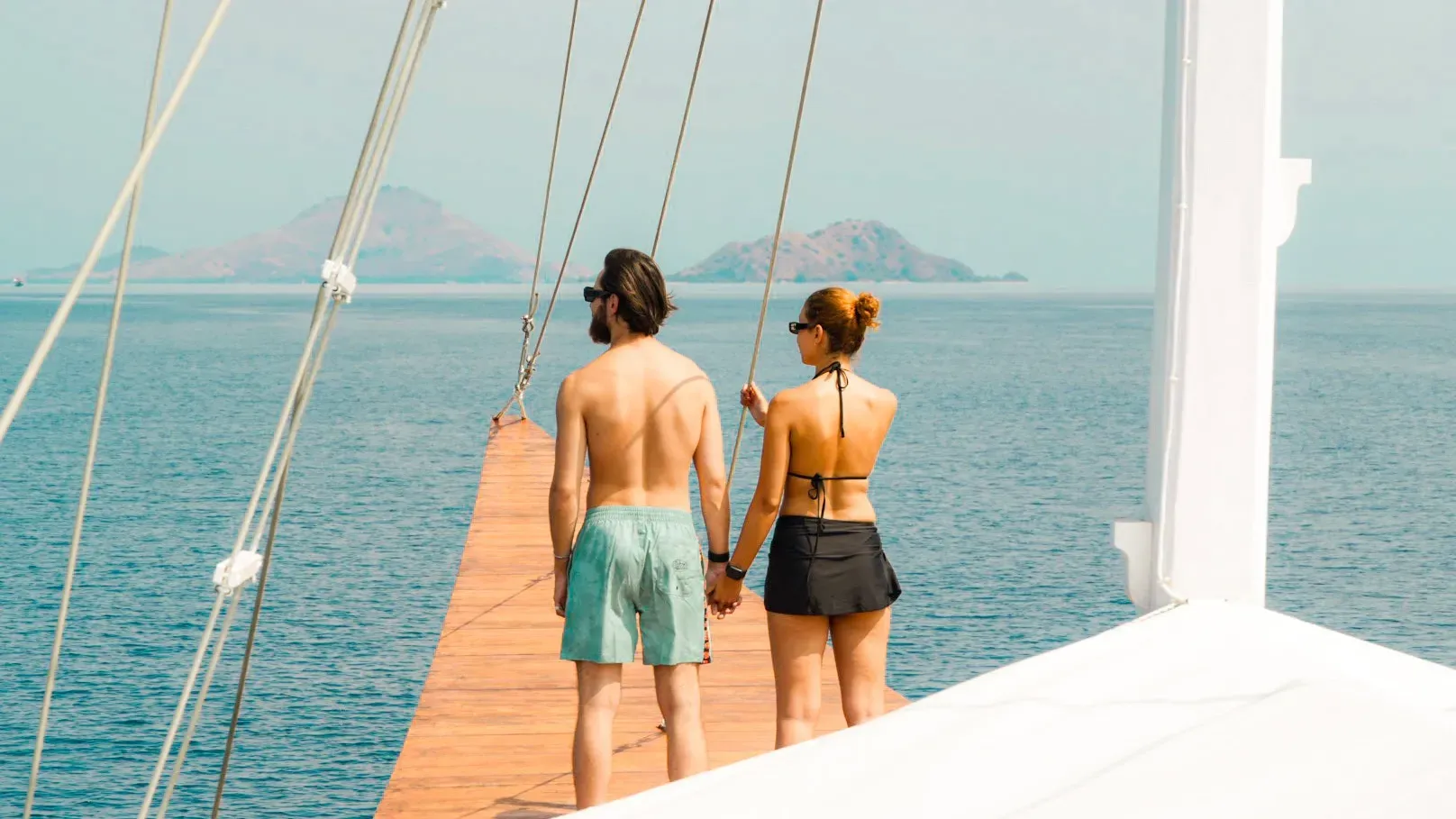
Premium liveaboard expeditions to Manta Point offer customizable itineraries tailored to your interests and diving level. Whether you’re a newly certified diver gaining experience or an advanced technical diver seeking deeper explorations, operators can accommodate your needs. Many luxury liveaboards provide exceptional cuisine, spacious cabins, and amenities that rival land-based resorts, ensuring physical comfort complements the psychological rewards of manta encounters.

Planning Your Manta Point Komodo Adventure

Duration Recommendations

Optimal liveaboard trips to Manta Point Komodo range from 4 to 7 days. A 4-day expedition allows 2-3 full diving days at Manta Point or related sites, providing reasonable opportunity for manta encounters. For maximum experience, 7-day expeditions offer 4-5 diving days, allowing multiple visits to Manta Point under varying conditions and virtually guaranteeing substantial manta interaction.

Certification and Skill Requirements

While snorkeling at Manta Point requires no special certification, diving requires Open Water certification or equivalent. The strong currents and depth of Manta Point dives make them moderately challenging, though not requiring advanced certification. Divers should be comfortable with drift diving and capable of managing strong currents.

If you’re not yet certified, many operators offer liveaboard expeditions that include certification courses, allowing you to earn your Open Water certification while exploring the extraordinary waters of Komodo.

Booking and Logistical Considerations

To secure your place on a liveaboard expedition to Manta Point Komodo, book well in advance, particularly during peak season from July through October. Popular vessels fill months ahead during these months. Pricing varies based on vessel quality, season, and itinerary length, ranging from budget-friendly options to ultra-luxury experiences.

Consider travel logistics to Labuan Bajo, the primary departure port for Komodo liveaboards. Most operators arrange airport transfers and pre-expedition accommodations, simplifying logistics. Ensure your passport is valid for at least six months and check visa requirements for Indonesia well before your planned departure date.

FAQ About Manta Point Komodo

When is the absolute best time to dive Manta Point Komodo?

July and August represent the peak season for manta encounters at Manta Point Komodo. During these months, the southeast monsoon creates strong currents that concentrate plankton, virtually guaranteeing manta sightings on most diving days. September and October maintain excellent conditions, though with slightly fewer mantas. May and June can also produce outstanding results as warming water temperatures increase manta activity.

Is it safe to dive with manta rays at Manta Point Komodo?

Yes, diving with manta rays at Manta Point Komodo is exceptionally safe. Manta rays are gentle filter-feeders that pose no threat to humans. They have no interest in eating humans and cannot cause harm. The only safety considerations involve respecting the underwater environment, managing currents, and following guide instructions regarding dive procedures and equipment maintenance. Choose reputable liveaboard operators that maintain rigorous safety standards to ensure a safe experience.

What is the water temperature at Manta Point Komodo, and what thickness wetsuit should I bring?

Water temperature at Manta Point ranges between 26-29°C (79-84°F) throughout the year. A 3-5mm wetsuit provides adequate thermal protection and buoyancy control for most divers. Some divers prefer thinner suits during peak season months when water is warmest, while others choose thicker suits for extended dive durations or personal cold sensitivity. Many liveaboards have wetsuits available for rent if you prefer not to travel with your own equipment.

Can I encounter manta rays if I’m not a certified scuba diver?

Absolutely. Snorkeling at Manta Point Komodo provides spectacular manta ray encounters without requiring scuba certification. Snorkelers observe mantas from the surface and often witness the entire body of these magnificent creatures as they glide beneath the water. Many liveaboard expeditions accommodate both snorkelers and divers, allowing families and groups with varying certification levels to experience mantas together.

How close can I get to manta rays at Manta Point Komodo?

Manta rays often approach divers and snorkelers voluntarily, sometimes swimming within a few feet of people. However, touching or attempting to chase mantas is strictly prohibited and disrespectful. The ideal approach is remaining calm and still, allowing mantas to approach on their own terms. This respect for the animals ensures their welfare and creates more authentic, rewarding encounters than any artificial interaction could produce.

What other marine life can I expect to see at Manta Point Komodo besides mantas?

Manta Point exists within an extraordinarily biodiverse ecosystem. You can expect to encounter large schools of jacks and trevally, reef sharks (whitetip and blacktip), colorful reef fish, and occasionally eagle rays or eagle sharks. The reef structure supports nudibranchs, octopuses, and countless smaller creatures. During rare occasions, whale sharks or other large pelagic species visit the area, making every dive unique and rewarding even when manta sightings are limited.

What should I pack for a liveaboard trip to Manta Point Komodo?

Essential items include a quality diving computer or dive watch, underwater camera, personal medications, sun protection, and reef-safe sunscreen. Bring multiple wetsuits in case one becomes damaged, at least two pair of fins, and any prescription eyewear needs (contact lenses or corrective lens inserts). Pack toiletries, casual clothing for between-dive relaxation, and technical dive equipment if you use specialty gear. Most liveaboards provide diving equipment and encourage you to book your space early to reserve preferred accommodations and amenities.

How do I book a liveaboard trip to Manta Point Komodo, and what is typical pricing?

Begin your journey at the booking page, where you can explore available liveaboard expeditions and pricing options. Costs vary significantly based on vessel quality, season, itinerary duration, and included amenities. Budget options may start around $100-150 per day, while luxury liveaboards can exceed $500-800 per day. During peak season (July-October), book several months ahead to secure availability on your preferred vessel. Consider the Komodo Island region’s other attractions and include additional destinations like Pink Beach in your itinerary for a comprehensive exploration of this extraordinary region.

Conclusion: The Transformative Power of Manta Point Komodo

Manta Point Komodo represents far more than a spectacular diving destination or a checklist item for wildlife enthusiasts. The encounter with manta rays in their natural habitat offers something profoundly transformative: a direct connection with intelligence and grace that reminds us of nature’s magnificence and our place within it. The intelligence visible in a manta’s eyes, the power and gentleness of their movements, and the privilege of witnessing their existence in the wild creates a lasting impact that extends far beyond the bounds of the dive or snorkel itself.

Whether you choose diving or snorkeling, a liveaboard expedition to Manta Point Komodo will introduce you to one of the planet’s most remarkable creatures and one of the world’s most exceptional marine environments. The manta ray komodo encounter awaits, ready to redefine your understanding of what it means to share our world with creatures of such beauty and grace.

Ready to Explore Komodo?

Start planning your luxury liveaboard adventure through Komodo National Park. Our team is ready to craft your perfect voyage.

WhatsApp Bali Medical Concierge