Pink Beach Komodo — One of the World’s Rarest Beaches

Quick Answer

Pink Beach Komodo is one of Indonesia’s most exclusive and visually stunning snorkeling and diving destinations, featuring rare pink-hued sand created by red volcanic minerals and vibrant coral ecosystems. A liveaboard experience provides unrivaled access to this pristine location with early morning descents before day-trippers arrive, allowing you to experience the authentic beauty of pink beach komodo in ultimate luxury and tranquility.

Pink Beach Komodo: Indonesia’s Most Exclusive and Enchanting Destination

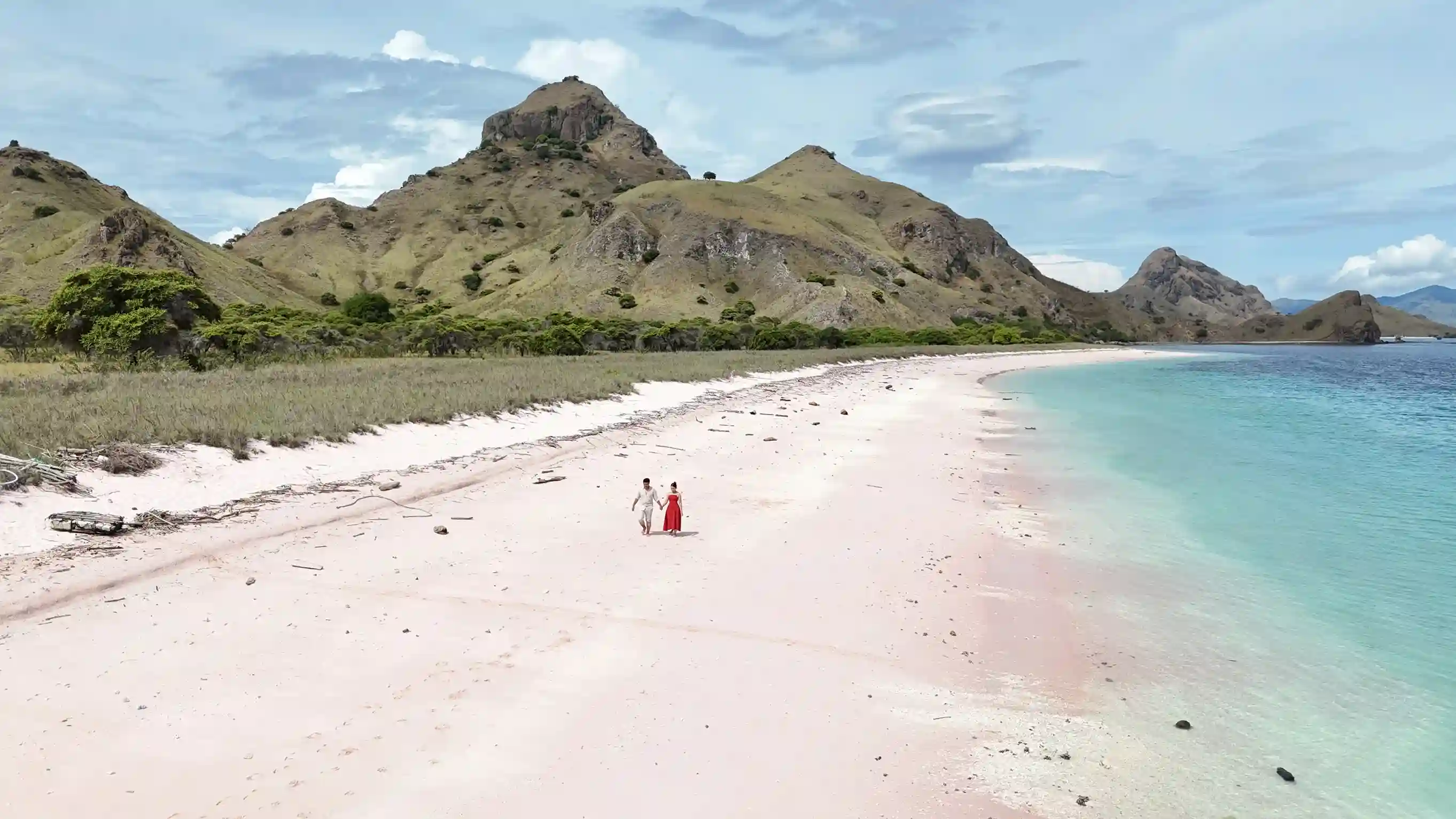
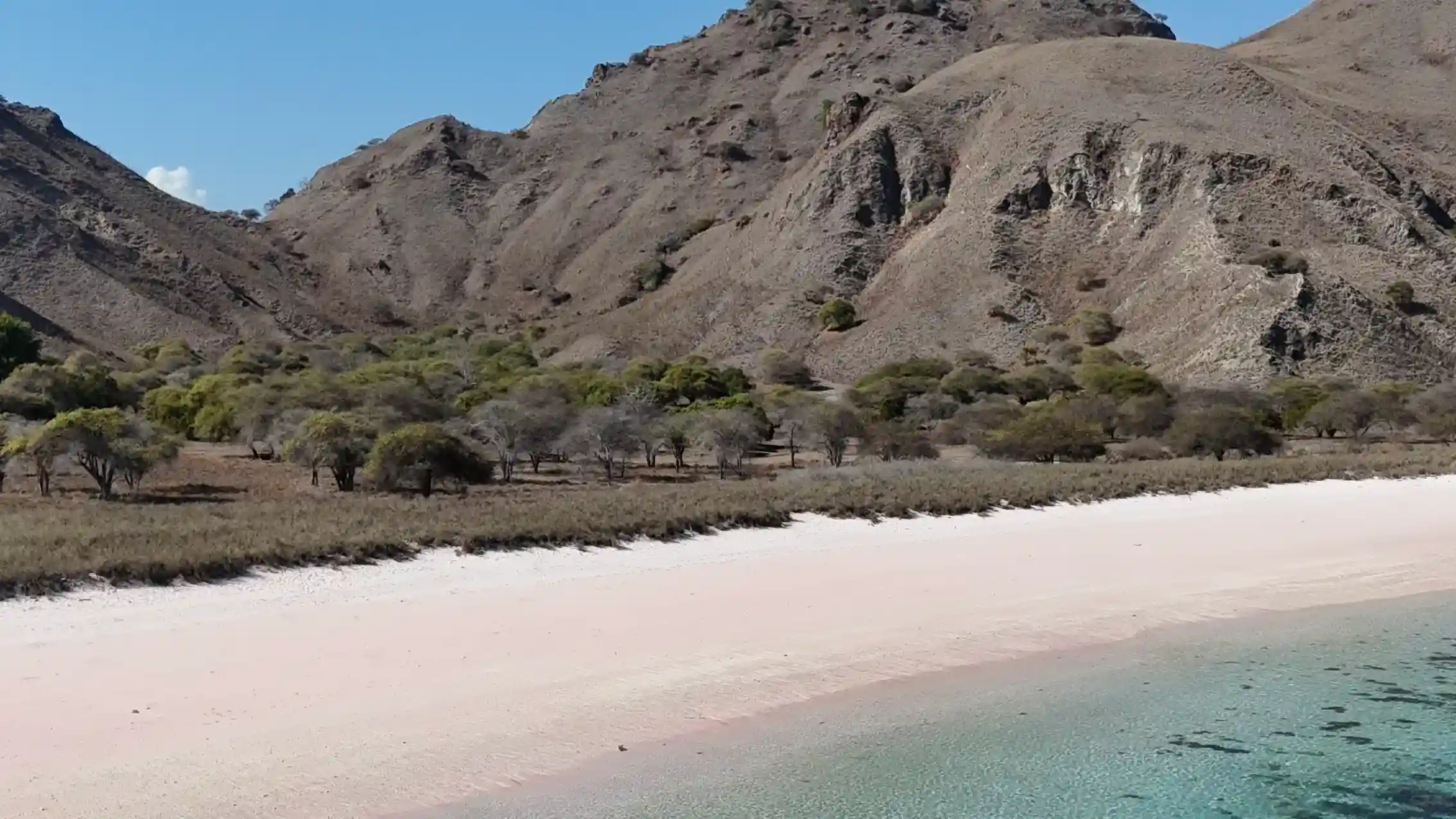
Nestled within the protected waters of Komodo National Park, Pink Beach Komodo stands as one of the world’s most extraordinary and sought-after destinations for discerning travelers seeking both natural beauty and adventure. Known locally as Pantai Merah, this exceptional location combines pristine marine ecosystems with a geological phenomenon found in only a handful of locations worldwide—sand of remarkable rose-pink hue that transforms the shoreline into something almost dreamlike in its beauty.

The allure of Pink Beach Komodo extends far beyond its captivating appearance. This region represents the convergence of three continental plates, creating an underwater landscape of extraordinary complexity and richness. For luxury travelers and seasoned adventurers alike, experiencing Pink Beach Komodo through a liveaboard expedition represents the ultimate expression of sustainable, exclusive travel—one that respects the delicate balance of this UNESCO World Heritage Site while delivering unforgettable memories.

Our comprehensive guide explores every aspect of Pink Beach Komodo as a premier destination, from the scientific mysteries behind its unique coloring to the unparalleled marine experiences awaiting you beneath the surface. Whether you’re drawn to the adventure of diving and snorkeling, the artistry of underwater photography, or simply the privilege of witnessing one of nature’s rarest creations, this guide illuminates why Pink Beach Komodo deserves a place on every luxury traveler’s bucket list.

The Geological Wonder: Why Pink Beach Komodo’s Sand Is Pink

The Science Behind the Distinctive Pink Coloration

The extraordinary pink hue of Pink Beach Komodo’s sand represents one of nature’s most fascinating geological phenomena. Unlike the countless golden or white sand beaches found throughout Indonesia and Southeast Asia, Pantai Merah owes its distinctive rose-pink coloration to a unique combination of minerals derived from the surrounding volcanic landscape.

The primary component responsible for this remarkable coloring is red volcanic minerals, particularly those rich in iron oxide and magnetite. These minerals originate from the volcanic rock formations that characterize the Komodo region, the product of ancient and ongoing geological activity related to the intersection of multiple tectonic plates. As these volcanic rocks are naturally weathered and broken down through millennia of wave action, coastal erosion, and geological processes, they fragment into increasingly fine particles. These mineral-rich sediments accumulate along the beach, creating the signature pink-hued sand.

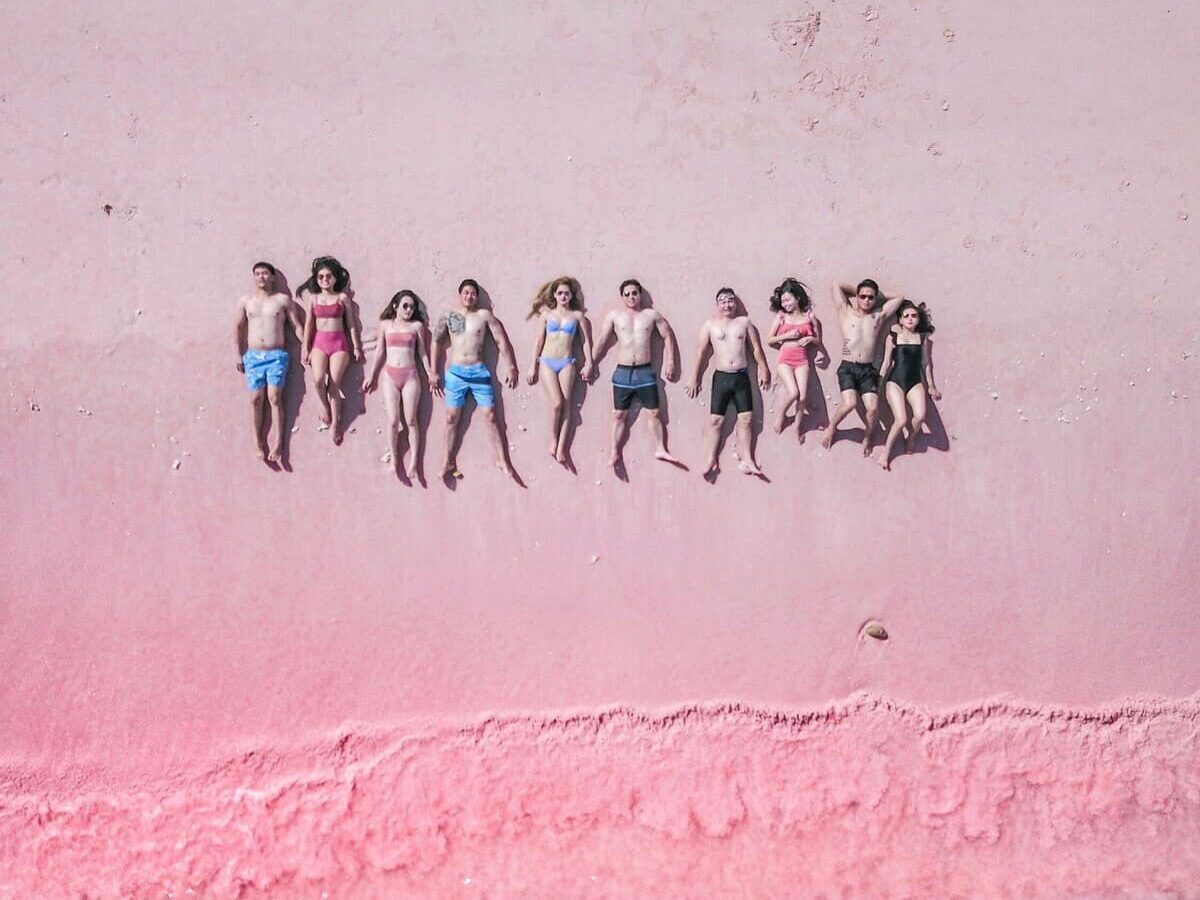
The sand’s coloration is further enhanced by the presence of red coral fragments and crushed shells containing similar mineral compositions. The interplay of these various red and rose-tinted mineral components creates a gradient of coloration, ranging from pale rose to deeper coral tones depending on the specific location along the beach and the time of day. The angle of sunlight dramatically affects perception of the color—morning and late afternoon light intensifies the pink appearance, while midday sun can make the sand appear more neutral or sandy in tone.

Rarity and Global Significance

Pink beaches are exceptionally rare on a global scale. Only a handful of locations worldwide possess the precise geological conditions necessary to create sand of this distinctive coloration. This rarity places Pink Beach Komodo in the same exclusive category as destinations such as Bahamas’ Harbour Island and various volcanic islands in the South Pacific. This geological distinction alone makes a visit to Pantai Merah a truly singular experience—you are standing on terrain that represents an infinitesimal fraction of the world’s coastlines.

The preservation of this unique geological feature makes sustainable tourism practices essential. A liveaboard experience actively contributes to conservation by minimizing the number of visitors on the beach at any given time and reducing the physical and environmental impact compared to traditional day-trip tourism models.

Snorkeling and Diving at Pink Beach Komodo

World-Class Diving Experiences

Pink Beach Komodo’s reputation extends far beyond its aesthetic appeal—it is recognized internationally as one of Asia’s premier diving destinations. The waters surrounding Pantai Merah represent a convergence point of marine biodiversity, where nutrient-rich currents from the Indian Ocean, the Flores Sea, and other surrounding waters create ideal conditions for thriving coral ecosystems and abundant marine life.

The dive sites immediately adjacent to Pink Beach offer experiences suitable for divers of varying skill levels. The shallow reef systems are ideal for recreational divers, featuring vibrant coral gardens at depths of 5-20 meters. More experienced divers can explore deeper areas, including dramatic drop-offs and canyon formations that plunge beyond 40 meters, revealing specialized ecosystems adapted to deeper conditions.

The underwater topography near Pantai Merah is remarkably diverse. Coral walls descend from the shallow reef, creating dramatic vertical formations covered in soft corals, gorgonians, and branching hard corals. Boulder fields create natural shelters for small fish species and invertebrates. Sandy channels between coral formations provide unique environments where specialized species have adapted to transitional habitats. This diversity ensures that repeat dives in the same general area continually reveal new details and different species.

Visibility at Pink Beach Komodo typically ranges from 8-25 meters, with the clearest conditions occurring during the dry season (April through October). Current strength varies considerably, ranging from gentle to challenging. These currents, while requiring respect and proper technique, are essential drivers of the region’s marine productivity—they deliver the nutrients that sustain the abundant life.

Exceptional Snorkeling Opportunities

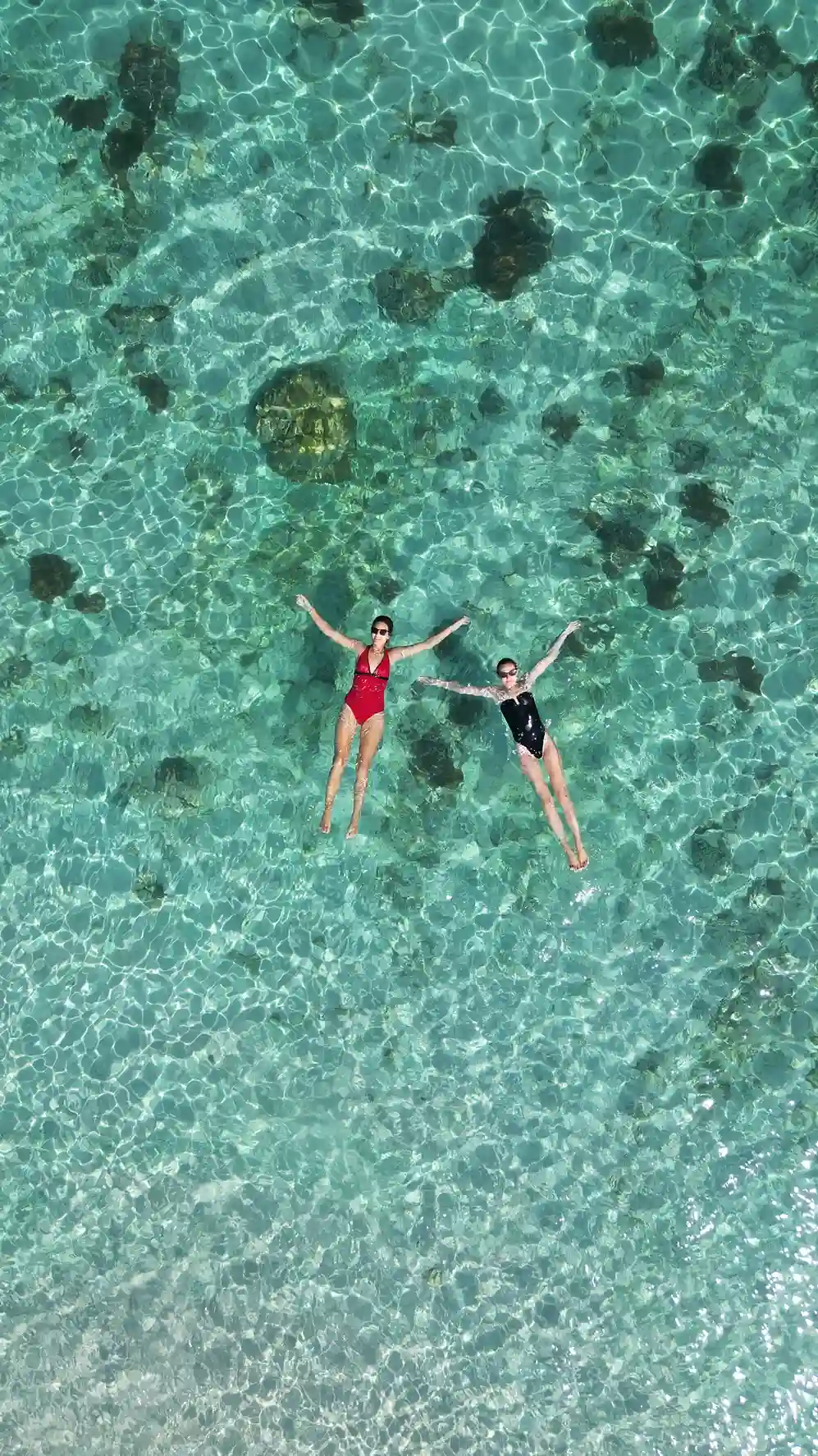
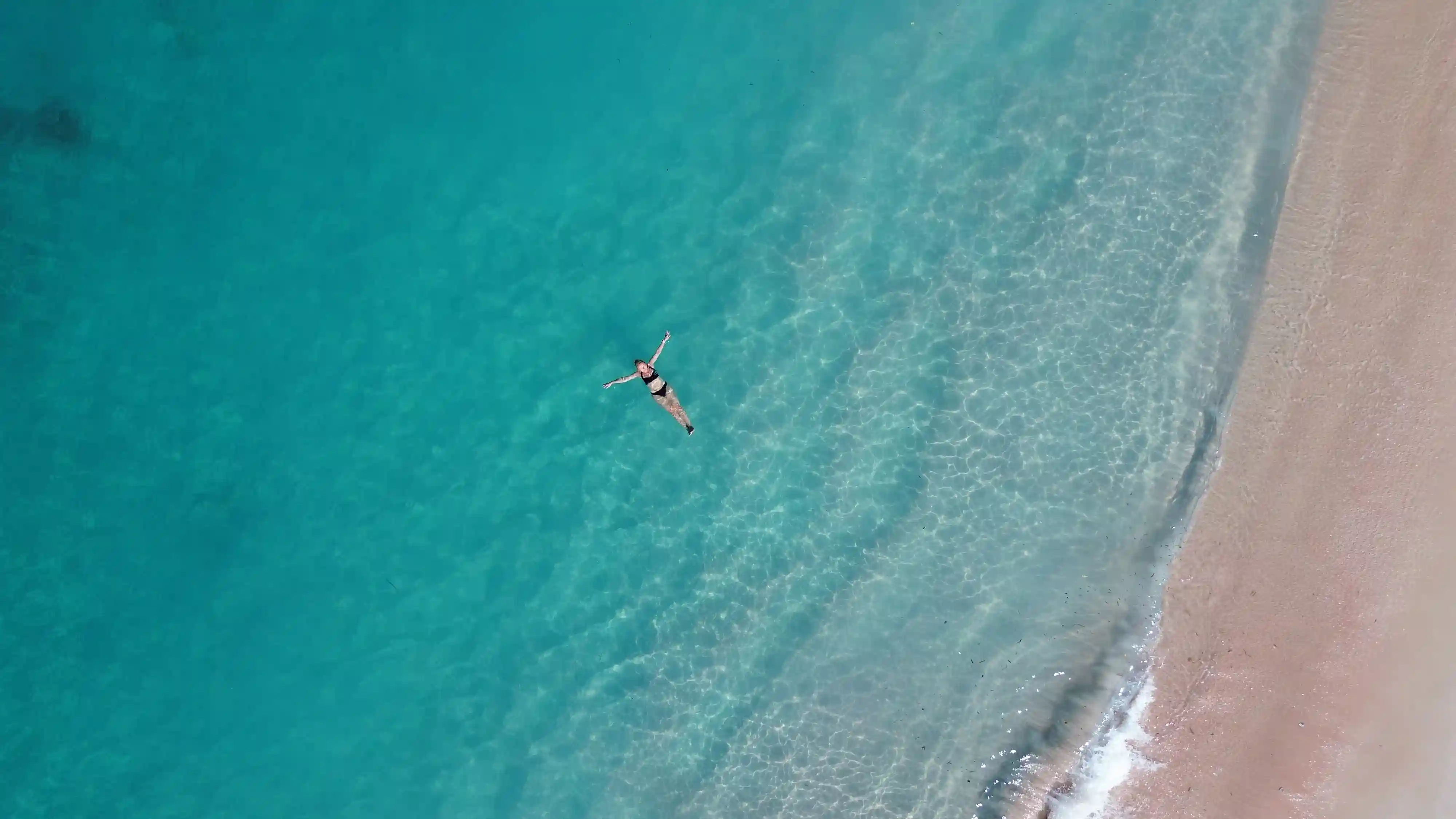
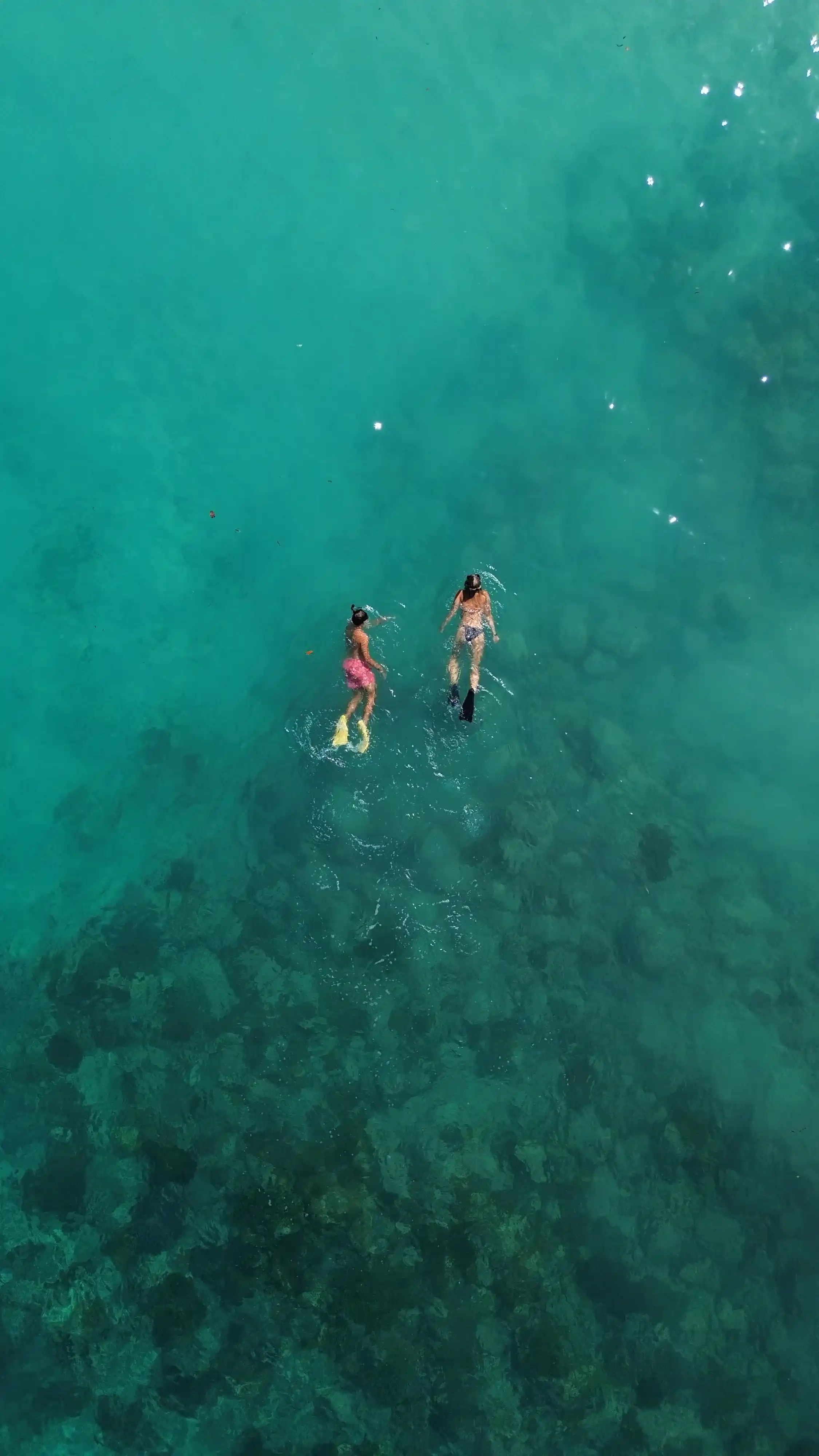
One of the genuine luxuries of experiencing Pink Beach Komodo via liveaboard is the exceptional snorkeling directly from the beach itself. When arriving early morning, before land-based tour operators bring their day-trip groups, you can enter the water in near-solitude and experience reef ecosystems teeming with life in their natural state.

The shallow reef adjacent to the pink sand beach drops gradually to about 5-8 meters, creating an ideal snorkeling environment. The coral formations immediately behind the beach include branching corals, table corals, and massive head corals, many of which have taken decades to grow to their impressive sizes. These structures are interspersed with sandy areas where rays and small sharks can often be observed gliding gracefully across the bottom.

Snorkeling at Pink Beach offers the unique advantage of experiencing the complete visual context of the destination—the distinctive pink sand remains visible as your reference point, creating a surreal sense of being suspended above an otherworldly landscape. This combination of the rare beach above and the thriving reef below makes for an unforgettable sensory experience.

Optimal Dive Timing and Liveaboard Advantages

A critical advantage of the liveaboard model is the timing flexibility it provides. Liveaboard guests can conduct dawn dives at Pink Beach Komodo before commercial day-trip boats arrive, ensuring pristine diving conditions and a sense of exclusive access. These early morning dives, when marine life is most active and visibility often peaks, represent the optimal time for experiencing the destination.

Evening dives are similarly exceptional, offering the possibility of nocturnal species encounters and the unique atmospheric quality of diving during the transition from daylight to darkness. Liveaboard guests can conduct these special dives without the pressure of returning to land-based accommodations at specific times.

Marine Life and Biodiversity

The Riches of Komodo’s Marine Ecosystem

Pink Beach Komodo exists within Komodo National Park, one of the world’s most biodiverse marine environments. The waters surrounding Pantai Merah are home to an astonishing array of fish species, marine reptiles, mollusks, echinoderms, and invertebrates. The specific intersection of ocean currents creates a unique ecosystem where tropical species coexist with temperate-water species, expanding overall biodiversity.

Coral diversity is exceptional, with both hard and soft coral species representing dozens of families. Acropora species create branching structures that provide habitat for small reef fish. Massive porite corals form boulder-like formations that can be centuries old. Soft corals, gorgonians, and black corals create textured underwater landscapes of remarkable beauty.

Fish species diversity is extraordinary. Schools of jacks, trevally, and fusiliers create dynamic movement throughout the water column. Parrotfish methodically graze on algae, creating the sand that accumulates to form beaches. Groupers, snappers, and emperors inhabit deeper reef structures. Smaller species—damselfish, wrasses, gobies, and blennies—add color and activity to every available reef crevice. Pelagic species including tunas and mackerel are frequently observed, particularly during seasonal migrations.

Megafauna Encounters

One of the genuine thrills of diving at Pink Beach Komodo is the possibility of encountering larger marine species. Reef sharks, including whitetip and blacktip species, are resident in the area and generally exhibit the passive behavior typical of reef sharks. These encounters are exhilarating but, from a conservation perspective, somewhat concerning as shark populations globally are under intense pressure.

Manta rays are regularly encountered in Komodo waters, particularly during specific seasons when plankton blooms attract these graceful giants. While Manta Point is the most renowned location for manta encounters in the region, Pink Beach dives occasionally reward visitors with these magical encounters.

Sea turtles, including hawksbill and green sea turtle species, inhabit the area. Encounters with these ancient creatures are always memorable—their unhurried grace and evident awareness create a sense of connection across the evolutionary divide.

Invertebrate Specialists and Macro Life

For macro photographers and invertebrate enthusiasts, Pink Beach Komodo offers endless fascination. Nudibranchs in remarkable color patterns are common, with over a hundred species recorded in the greater Komodo region. Sea slugs, Spanish dancers, and chromatic specimens create opportunities for detailed photography. Octopuses, squid species, and cuttlefish are regularly encountered, exhibiting remarkable intelligence and adaptive behavior.

Crustaceans include numerous shrimp species, crabs with surprising colors and shapes, and mantis shrimp—creatures so specialized they perceive colors invisible to human vision. Sponges, ascidians, and other attached organisms create the biological foundation upon which reef structure depends.

The Best Time to Visit Pink Beach Komodo

Seasonal Considerations and Diving Conditions

Pink Beach Komodo can be visited year-round, but specific seasons offer distinct advantages for different priorities. The dry season, extending from April through October, is generally considered the optimal period for diving and snorkeling. During these months, winds are lighter and more consistent, ocean swells are smaller, and underwater visibility typically exceeds 15 meters, occasionally reaching 25 meters or beyond.

Within the dry season, May through September typically offers the most stable conditions. Water temperature remains consistently warm, ranging from 27-29 degrees Celsius. Currents during this period are moderate and predictable, allowing divers to plan drift dives and explore specific formations with reasonable confidence.

The wet season, from November through March, brings increased rainfall and more variable wind patterns. Ocean swells are often larger, and visibility can be reduced to 8-12 meters. However, the wet season is not to be entirely dismissed—some divers actually prefer this period because the increased nutrient flow can attract larger pelagic species and create dramatic topography as currents sculpt the reef.

Crowd Considerations

Peak tourist season in Komodo coincides with the dry season peak (July through August), when school holidays in Australia, Europe, and the United States drive increased visitation. If your priority is experiencing Pink Beach with minimal crowds, shoulder season—April through June or September through October—offers an optimal balance of excellent diving conditions with fewer land-based visitors.

A liveaboard experience inherently provides greater exclusivity regardless of season. Even during peak season, liveaboard guests access the beach and dive sites during early morning hours when land-based tourism has not yet impacted the environment.

Photography at Pink Beach Komodo

Capturing the Destination’s Unique Beauty

Pink Beach Komodo presents remarkable photography opportunities that extend across multiple genres—landscape photography, underwater photography, wildlife photography, and cultural documentation. The distinctive pink sand creates a natural color palette that enhances both wide-angle compositions and detailed macro work.

Above-water photography is particularly rewarding during sunrise and sunset hours, when warm-colored light accentuates the pink tone of the sand. The contrast between the distinctive beach and surrounding volcanic formations creates compelling compositions. Including the liveaboard vessel in frame, anchored offshore, adds scale and human context to images while documenting the experience of expedition travel.

Underwater Photography Opportunities

The clarity of water at Pink Beach and the diversity of marine life create exceptional underwater photography conditions. The shallow reef areas are ideal for natural light photography without excessive reliance on artificial lighting. The distinctive characteristics of Komodo’s fish species—sharp colors, unusual behaviors, and considerable size variety—create diverse photographic subjects.

Macro photography enthusiasts will find endless subjects in the nudibranchs, crustaceans, and small fish that inhabit reef crevices. Wide-angle photography captures the overall reef structure and larger marine animals. The combination of accessible subjects at all magnifications makes Pink Beach suitable for photographers of all skill levels, from beginners with compact cameras to professionals with sophisticated equipment.

Many liveaboard operators provide photography-focused itineraries with dedicated time for optimal lighting conditions and guidance from experienced underwater photographers. Some even offer equipment rental and educational workshops.

How Liveaboard Experiences Provide Exclusive Access

The Limitations of Land-Based Tourism

Pink Beach Komodo is technically accessible via day-trip boat tours departing from nearby islands or from Labuan Bajo on Flores Island. However, these day-trip experiences face significant limitations that diminish the quality of the visit. Day-trip boats typically carry 30-80 passengers, creating inherently crowded experiences on the beach itself. Departure times are fixed, meaning you must leave the beach at a predetermined time regardless of optimal lighting, wildlife activity, or personal preference.

The drive to extract maximum value from day-trip economics means limited time at each location, rushed experiences, and compressed timelines that prevent the contemplative pace that enhances travel experiences. The beach experience is fundamentally altered by the presence of crowds—the sense of discovery and personal connection to place is diminished when dozens of other visitors are present.

Liveaboard Advantages and Exclusive Timing

A liveaboard experience transforms the Pink Beach Komodo experience through several key advantages. First, guest capacity is dramatically lower—luxury liveaboards typically accommodate 8-20 guests maximum, and often 12-14. This difference in group size creates an entirely different social and environmental context.

Second, timing is entirely flexible. Liveaboard guests can dive and snorkel at Pink Beach during early morning hours when marine life is most active and before land-based tourists arrive. You can spend extended time at the location without artificial time constraints, allowing for multiple dives, snorkeling sessions, and beach time.

Third, the liveaboard vessel itself provides comfortable, on-site accommodations. Rather than exhausting yourself with long boat transits from distant island hotels, you sleep where you dive. This proximity enables optimal scheduling—you can be in the water within minutes of dawn, experience the most magical hours of the day, and return to rest and meals without travel time.

Customization and Personalized Service

Liveaboard itineraries can be customized to match your specific interests. Photographers can arrange extended time during optimal light hours. Diving enthusiasts can conduct multiple dives daily at preferred sites. Snorkeling-focused guests can enjoy relaxed, unhurried sessions in the water. The crew can adjust the itinerary based on weather conditions, marine life activity, and guest preferences in ways that standard tour operations cannot.

The service model is fundamentally different. With smaller guest counts and intimate accommodations, crew members develop genuine knowledge of your interests and preferences. Your diving guide remembers which species interest you most and prioritizes sightings. Your cabin attendant understands your preferences for room temperature, timing of service, and dietary requirements. This personalization transforms the experience from tourism into something approaching private expedition travel.

Conservation and Sustainable Practices

The Importance of Responsible Tourism

Pink Beach Komodo exists within Komodo National Park, a UNESCO World Heritage Site designated for both its terrestrial biodiversity (the famous Komodo dragons) and its marine ecosystems. The marine areas surrounding Pantai Merah represent some of the most biodiverse waters in the world, supporting ecosystems of global significance. Responsible tourism practices are not optional—they are essential to ensuring that future generations can experience this remarkable destination.

High-impact day-trip tourism creates cumulative environmental stress. Beach erosion from foot traffic, anchor damage to seabed habitats, boat congestion and pollution, and disturbance to nesting turtles and breeding fish all represent potential harms from poorly managed visitation. The coral reefs, already under pressure from global climate change, cannot withstand additional local stress from tourism.

Liveaboard Conservation Benefits

Responsible liveaboard operations implement conservation practices that reduce environmental impact. Anchoring systems designed to avoid coral damage, fuel-efficient vessel operation, limits on guest numbers, and adherence to established mooring buoys all minimize direct environmental harm. Staff training emphasizes marine protection principles—no touching corals, maintaining appropriate distance from wildlife, removing only photographs from the marine environment.

Reputable liveaboard operators contribute financially to conservation organizations supporting Komodo National Park. Some operators employ former fishermen as crew members, providing alternative livelihoods for local communities that might otherwise depend on resource extraction. By supporting liveaboard tourism rather than other economic activities, you are directly supporting conservation.

Climate Resilience and Future Viability

Komodo’s marine ecosystems face unprecedented challenges from climate change—rising ocean temperatures, ocean acidification, and changing current patterns threaten coral communities and fish populations. Sustainable tourism practices that minimize local stressors contribute to ecosystem resilience. By visiting through responsible operators, you join a global community prioritizing preservation of these irreplaceable ecosystems.

Planning Your Pink Beach Komodo Experience

Choosing Your Liveaboard Operator

Not all liveaboard operations are created equal. When evaluating liveaboard pricing and operators, prioritize companies demonstrating genuine commitment to conservation, excellent safety records, and experienced crew. Request information about their environmental practices, staff training, and partnerships with conservation organizations. Read reviews from multiple independent sources, not just the operator’s own website.

Consider whether the operator offers comprehensive destination planning resources. Quality operators provide detailed pre-trip information about marine life, photography techniques, history and geology of the region, and cultural context. This educational component transforms a simple boat trip into a genuine expedition experience.

Booking and Logistics

To book your Pink Beach Komodo liveaboard experience, begin by determining your preferred travel dates and fitness level. Verify that liveaboard itineraries are operating during your planned timeframe—some operators maintain seasonal schedules. Confirm that your physical condition and diving certification level match the itinerary’s requirements.

Work with knowledgeable travel advisors who understand your specific interests and preferences. Luxury liveaboard travel coordinators can recommend specific vessels that match your priorities, whether that’s photography focus, luxury accommodations, educational content, or diving intensity.

Most liveaboard trips to Komodo begin and end in Labuan Bajo on Flores Island, accessible via flights from major Indonesian cities or international hub airports. Build in adequate travel time—you’ll want at least one night in Labuan Bajo before departure to adjust to local time zones and prepare equipment.

What to Expect During Your Visit

A typical Pink Beach Komodo liveaboard day begins with early morning coffee and snacks followed by your first dive as dawn breaks. Morning dives at the beach allow you to experience the location’s peak beauty. The day continues with surface intervals including meals and rest periods. Afternoon dives might explore other nearby Komodo Island destinations or return to Pink Beach. Evening briefings prepare you for the next day’s diving and provide educational content about the sites, marine life, and natural history.

Meals on board are typically excellent, featuring fresh seafood, locally-sourced produce, and accommodations for dietary preferences. Accommodations range from basic comfortable cabins on budget operators to luxurious suites on premium vessels, depending on the price point. Common areas provide spaces for relaxation, book libraries, and social interaction with fellow passengers.

Exploring Related Komodo Destinations

Complementary Sites Within Komodo National Park

Most comprehensive liveaboard itineraries combine Pink Beach Komodo with other exceptional Komodo destinations. Padar Island offers remarkable landscape photography opportunities and snorkeling, featuring similar geological characteristics and excellent marine life. Manta Point provides high-probability encounters with manta rays during the rainy season and unparalleled opportunities to observe these magnificent creatures.

Other Komodo dive sites include pristine coral gardens at Batu Bolong, dramatic underwater topography at Gili Laba, and the healthy coral ecosystems at Makassar Reef. Each site offers distinct characteristics and different marine life assemblages. A multi-day liveaboard expedition allows you to experience the full spectrum of Komodo’s marine diversity rather than being limited to a single location.

Creating Your Comprehensive Komodo Adventure

The ultimate Komodo experience combines Pink Beach Komodo with these complementary destinations. Consider pairing your liveaboard diving with post-trip activities such as terrestrial Komodo National Park visits to observe the famous Komodo dragons, cultural visits to local villages, or relaxation on pristine island beaches. Pre-trip or post-trip stays on nearby islands such as Rinca or Flores Island can provide context and broaden your understanding of the region.

Frequently Asked Questions About Pink Beach Komodo

Is Pink Beach Komodo suitable for beginner divers?

Pink Beach Komodo can accommodate divers of various experience levels, though specific dive conditions depend on current strength and underwater topography. The shallow reef areas immediately adjacent to the beach are excellent for newer divers, typically 5-20 meters deep with manageable currents. However, some liveaboard itineraries include deeper dives at other Komodo sites with stronger currents that require advanced skills. Before booking, clearly communicate your experience level to the operator and request suitable itineraries. Most reputable liveaboard companies actively manage guest assignments to match experience levels with appropriate dive sites.

How does water temperature at Pink Beach Komodo change seasonally?

Water temperature at Pink Beach Komodo remains relatively warm year-round, ranging from 26-29 degrees Celsius depending on season. During the dry season (May-September), water temperature typically stabilizes at 27-28 degrees Celsius. During transition seasons (April, October), temperatures hover around 26-27 degrees Celsius. The wet season (November-March) sees slightly cooler temperatures, occasionally dropping to 26 degrees Celsius. Most divers find a 3mm wetsuit comfortable year-round, though divers sensitive to cold water may prefer 5mm suits during cooler months. These warm temperatures reflect Pink Beach Komodo’s tropical location and support the exceptional coral and fish biodiversity.

What is the visibility like at Pink Beach Komodo?

Visibility at Pink Beach Komodo typically ranges from 8-25 meters depending on season, weather patterns, and current conditions. During the optimal dry season (May-September), visibility frequently exceeds 15 meters and often reaches 20-25 meters. The clearest water occurs during May-June and September-October when currents are stable and plankton blooms are minimal. During the wet season, visibility can be reduced to 8-15 meters due to increased runoff and plankton. Even reduced-visibility dives at Pink Beach offer exceptional experiences—the abundance of marine life compensates for any visibility limitations, and macro photography thrives under reduced light conditions.

How strong are the currents at Pink Beach Komodo?

Current strength at Pink Beach Komodo is highly variable and represents one of the defining characteristics of diving in Komodo National Park. Currents can range from gentle to quite strong, depending on tidal cycles, seasonal patterns, and the specific dive site. The shallow reef areas immediately at Pink Beach typically feature lighter currents suitable for snorkelers and recreational divers. Deeper sites and areas between major currents corridors can experience stronger flows requiring advanced drift diving techniques. Experienced dive guides manage current exposure by selecting appropriate sites based on daily conditions. Strong currents, while challenging, are ultimately beneficial—they deliver nutrients supporting the exceptional coral and fish populations.

Can you see sea turtles at Pink Beach Komodo?

Yes, sea turtle encounters are reasonably common at Pink Beach Komodo. Both hawksbill and green sea turtles inhabit the waters surrounding Pantai Merah, and divers can expect to encounter one or more turtles during a multi-day liveaboard visit. Encounters are more frequent during specific seasons when sea turtles undertake breeding migrations or disperse from nesting beaches. These ancient creatures are generally unbothered by respectful divers maintaining appropriate distance. Sea turtle encounters are always memorable—their casual grace and evident awareness create a sense of connection across evolutionary history. Remember that touching turtles, handling them, or pursuing them for photographs is prohibited and harmful.

What camera equipment is recommended for underwater photography at Pink Beach Komodo?

Equipment recommendations depend on your photographic priorities and experience level. Beginners benefit from compact underwater cameras, GoPro-style action cameras, or dedicated underwater housings for smartphones—these devices deliver acceptable results without requiring substantial technical knowledge. Intermediate enthusiasts should consider mirrorless or DSLR cameras in quality underwater housings, paired with wide-angle and macro lenses covering the range of subjects present. Advanced photographers often employ dual-camera systems—one for wide-angle reef and fish photography, another for macro subjects. Many liveaboard operators offer equipment rental, allowing you to experiment with different systems before committing to purchase. The warm water, good visibility, and abundant subjects make Pink Beach Komodo excellent for developing underwater photography skills at any level.

How long does a typical Pink Beach Komodo liveaboard itinerary last?

Liveaboard itineraries to Pink Beach Komodo typically range from 3-7 days, with the most common duration being 5-7 days. Shorter 3-4 day itineraries usually include 2-3 dives plus snorkeling at Pink Beach alongside visits to nearby sites. Comprehensive 7-10 day itineraries allow extended time at multiple Komodo destinations, including Pink Beach, Manta Point, Padar Island, and various other dive sites. Longer itineraries provide better value as a percentage of travel costs and allow deeper exploration of the region’s marine diversity. Consider the total travel time required—long international flights to reach Labuan Bajo make shorter itineraries less economical than booking adequate time to justify the journey.

Is Pink Beach Komodo accessible to non-divers?

Absolutely—Pink Beach Komodo offers exceptional experiences for non-divers and snorkeling-focused guests. The shallow reef and clear water make snorkeling immediately from the beach accessible to swimmers of virtually any ability who are comfortable in saltwater environments. Liveaboard vessels routinely accommodate snorkelers, and many dedicated snorkeling-only itineraries are available. Snorkeling at Pink Beach provides unparalleled opportunities to observe coral ecosystems and fish species without the training and equipment requirements of diving. The distinctive pink sand itself provides remarkable aesthetics from the surface. Some guests choose mixed itineraries combining snorkeling with introductory diving instruction or recreational dives following certification courses conducted onboard. Discuss your interests with booking specialists to find itineraries matching your specific preferences.

Ready to Explore Komodo?

Start planning your luxury liveaboard adventure through Komodo National Park. Our team is ready to craft your perfect voyage.

WhatsApp Bali Medical Concierge