Snorkeling in Komodo: Best Spots for Non-Divers

Ghifari

Ghifari

April 4, 2026

16 min read

Quick Answer: Komodo offers world-class snorkeling rivaling diving in marine life encounters and accessibility—without requiring certification or extensive training. Best snorkeling sites include Pink Beach’s accessible coral reefs, Manta Point for gentle giant encounters, Kanawa Island’s vibrant fish populations, and numerous liveaboard snorkeling stops. Equipment is provided by operators, snorkeling suits families and non-swimmers, and liveaboard experiences accommodate non-divers as fully as certified divers, combining underwater exploration with hiking, dragon viewing, cultural engagement, and relaxation.

Why Komodo Is Exceptional for Snorkeling Travelers

Snorkeling represents diving’s more accessible alternative, delivering similar marine biodiversity encounters without technical training, certification requirements, or equipment complexity. In Komodo, snorkeling transcends “compromise activity for non-divers”—it becomes a complete adventure alongside diving, offering distinct advantages that many experienced travelers intentionally prioritize snorkeling over diving during their visits.

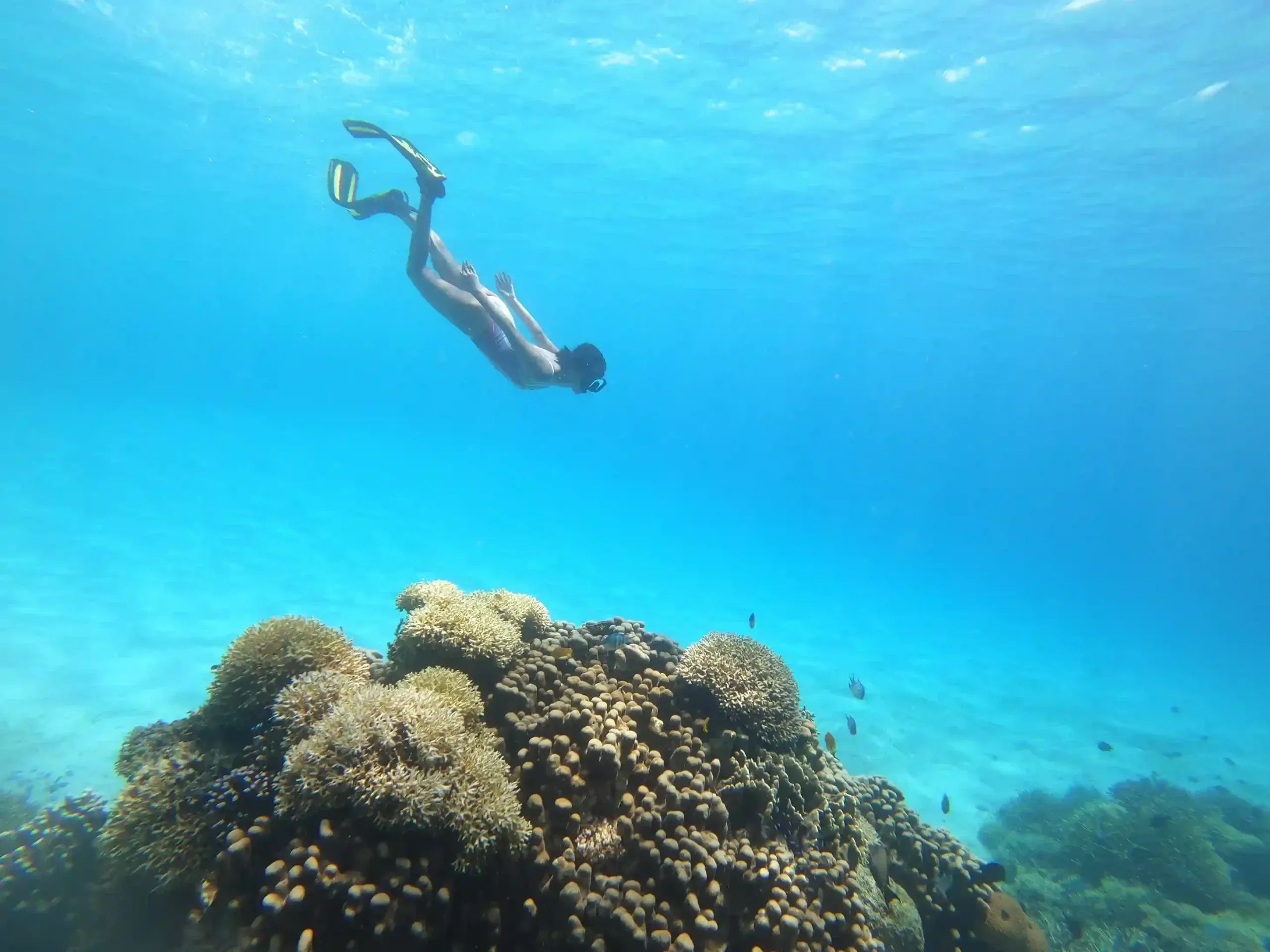
The distinction between snorkeling and diving in Komodo matters less than most tropical destinations. While divers descend deeper into water column, snorkelers access identical reef zones where the most abundant, diverse marine life congregates in shallow waters (2-6 meters). You’ll encounter the same fish species, corals, and frequent sea turtle sightings that divers observe. The primary difference lies in perspective—snorkelers observe from above, while divers view reefs at eye level. Both perspectives deliver remarkable experiences.

Komodo snorkeling requires minimal equipment: a mask (breathing tube through surface), fins (foot propulsion), and optional wetsuit (thermal protection and sun protection). Unlike diving with complex regulators, tank systems, and buoyancy control devices, snorkeling demands no specialized training. Physical ability to swim, combined with comfort in water environments, represents the only prerequisite. This accessibility makes snorkeling ideal for families with children, seniors, and anyone preferring activity without technical complexity.

Komodo’s Premier Snorkeling Destinations

Pink Beach: Unique Beauty with Exceptional Snorkeling

The famous Pink Beach combines aesthetic novelty (rose-colored sand from pulverized coral and volcanic materials) with immediate reef access. Unlike many beautiful beaches requiring boat transport to snorkeling sites, Pink Beach features healthy coral formations beginning at the shoreline’s edge. You can wade directly from sand into snorkeling habitat, making entry effortless.

Immediately beneath the surface, you’ll encounter diverse reef fish populations, hard and soft corals in remarkable color variety, and occasional sea turtles. Visibility typically exceeds 15 meters, allowing observation of fish behavior and coral ecosystem details. The shallow depths (2-8 meters maximum in standard snorkeling zones) keep you in the water column’s brightest, most vibrant zones where colors retain full saturation.

Pink Beach’s unique advantage lies in minimal boat dependence. You can snorkel indefinitely without relying on boat operations, providing absolute freedom of pace and duration. Many liveaboards include extended Pink Beach visits allowing hours of unhurried exploration. Families with young children particularly appreciate the ability to approach beach snorkeling at comfortable, gradual paces without time constraints imposed by boat scheduling.

Manta Point: Encounters with Gentle Giants

The Manta Point snorkeling experience rivals diving in manta-encounter reliability. These magnificent creatures, sometimes spanning seven meters across, glide gracefully through water searching for plankton. Snorkelers observe mantas from surface perspective while they pass below, creating awe-inspiring encounters of these gentle giants.

Manta encounters require boat-based access to optimal snorkeling zones. Your liveaboard will position you at current-driven locations where mantas aggregate, then guide snorkelers to drift with the current observing feeding behavior. The experience combines the meditation of drifting in current with the thrill of unexpected manta sightings. Manta season peaks during dry months (April-November) when nutrient availability attracts concentrated populations.

Manta snorkeling requires only comfort in moving water and basic swimming ability. The activity occurs at surface level, requiring zero breath-holding or diving. You simply float, observe, and experience the profound privilege of witnessing prehistoric-appearing creatures in their natural habitat. Many travelers report manta encounters as their most memorable Komodo experiences, regardless of diving experience level.

Kanawa Island: Vibrant Marine Life and Family-Friendly Access

The Kanawa Island snorkeling site combines beautiful beach environments with immediate reef access. This site particularly suits families with children—beaches provide relaxation, swimming, and beachcombing opportunities alongside snorkeling. Gradual entries allow young children to progress at comfortable paces into reef zones.

Kanawa’s reefs feature abundant reef fish in diverse species and remarkable color variety. Parrotfish munch audibly on coral (a distinctive underwater sound). Morays peek from coral crevices. Schools of jacks create dynamic movement patterns. The marine life observation density exceeds many tropical destinations, creating memorable wildlife encounters within minutes of snorkeling commencement.

Beach facilities on Kanawa include fresh-water rinses, changing facilities, and shade structures. The combination of amenities with exceptional snorkeling makes Kanawa popular among liveaboard itineraries accommodating families and mixed-experience groups. Comfortable beach time between snorkeling sessions prevents fatigue from continuous water activity.

Additional Exceptional Snorkeling Locations

Beyond primary destinations, numerous additional sites offer excellent snorkeling. Siaba Island, Three Sisters, and Tatawa Besar feature healthy reef systems with abundant marine life. Each location offers distinct characteristics—different fish species congregations, varying coral types, or specific seasonal wildlife attractions. Your liveaboard will visit multiple locations across your trip, exposing you to diverse reef ecosystems and marine habitats.

Mangrove snorkeling, less common than coral-reef snorkeling, offers unique perspectives on juvenile fish nurseries and specialized wildlife. Floating through mangrove channels observing small fish, occasional seahorses, and unique bird populations provides ecosystem diversity complementing coral-reef snorkeling. Some liveaboards include mangrove components in comprehensive itineraries.

What You’ll Encounter: Marine Life Observations

Fish Diversity and Behavioral Observation

Komodo’s fish diversity approaches or surpasses coral-reef biodiversity globally. Over 300 fish species inhabit these waters, from tiny gobies barely visible to large pelagics patrolling deeper zones. During snorkeling sessions, you’ll frequently encounter 30+ species daily, observing behaviors ranging from stationary reef feeding to schooling dynamics creating coordinated movement patterns.

Parrotfish, named for beak-like mouth structures, munch audibly on coral, producing distinctive grinding sounds. This herbivorous behavior prevents algae overgrowth suffocating coral ecosystems. The sound—subtle but clearly audible underwater—creates memorable sensory experiences beyond visual observation.

Reef sharks and rays, common in Komodo, actively avoid snorkelers and divers. These animals prioritize food and reproduction over human interaction. Shark sightings usually involve creatures fleeing as you approach. The experience—seeing sharks retreat rather than approach—provides perspective about their disinterest in human-sized prey. Far from dangerous, shark encounters represent exceptional wildlife viewing opportunities.

Sea turtles, beloved by snorkelers, frequently appear at Komodo snorkel sites. These gentle creatures, unconcerned with human presence, sometimes allow close observation before leisurely departing. Witnessing sea turtle feeding behavior or basking near surface ranks among travelers’ most treasured moments. Probability of sea turtle encounters varies seasonally but remains reasonably high across most months.

Coral Ecosystems and Geological Formations

Komodo’s coral systems demonstrate extraordinary health and diversity. Hard corals in branching, plate, and boulder formations provide fish habitat, while soft corals add graceful movement and color variety. The combination creates visually stunning environments where each snorkel session reveals previously unobserved details.

Coral colors—blues, purples, oranges, yellows, and browns—appear more saturated and vivid underwater than photographs suggest. Many snorkelers express amazement at colors exceeding expectations established by underwater documentaries and photos. The visual splendor creates lasting memories and understanding of why coral reefs are called “rainforests of the sea” due to their biodiversity and visual magnificence.

Geological formations, including rocky outcrops and dropoffs, create varied topography. Snorkeling across these features—ascending rocky ridges, floating along cliff faces, navigating sandy channels between formations—creates dynamic experiences transcending simple “floating and observing.” The three-dimensional movement possibilities make snorkeling more engaging than stationary observation.

Equipment Provided and Personal Preferences

What Liveaboards Provide

Most Komodo liveaboards provide complete snorkeling equipment: masks, fins, and snorkels in multiple sizes accommodating various head and foot proportions. Wetsuits (thin 3mm ideal for Komodo’s warm water) are provided, or you might choose to snorkel without wetsuits if comfortable with direct sun exposure and minor abrasion risk.

This provided equipment, maintained professionally and regularly serviced, functions reliably. Sizing assistance ensures proper fit—critical for mask comfort (poorly fitting masks leak constantly). Most operators maintain sufficient inventory accommodating group size variations and equipment preferences.

Bring Your Own Equipment: Pros and Cons

Many experienced snorkelers prefer personal equipment ensuring familiar fit and comfort. A personally-fitted mask eliminates leak frustration plaguing many rental users. Quality fins providing responsive propulsion reduce fatigue compared to stiff rental fins. Personally-fitting wetsuits ensure comfort without chafing.

However, transporting snorkeling equipment adds luggage weight and baggage considerations. Airlines sometimes charge excess baggage fees for equipment, negating cost savings from avoiding rental. For many travelers, renting operator-provided equipment proves more economical and convenient than purchasing personal gear.

If planning future snorkeling adventures, personal equipment investment becomes increasingly justified. A $100-$150 mask investment eliminates $20-$30 rental costs per trip, achieving payback within 4-5 trips. Consider your realistic snorkeling frequency before purchasing expensive personal equipment.

Why Snorkeling Suits Non-Divers Better Than Alternatives

Physical Demands and Activity Duration

Snorkeling requires basic swimming ability and water comfort, avoiding the learning curve and physical exertion demanded by diving. You maintain continuous surface position, breathing naturally through your snorkel. No breath-holding, no descent training, no buoyancy control complexity. The physical demands remain minimal, making snorkeling suitable for broader age ranges and fitness levels than diving.

Duration flexibility represents snorkeling’s advantage over diving. Divers limit bottom time (typically 30-50 minutes per dive) due to air supply and nitrogen loading calculations. Snorkelers, breathing from surface air continuously, can remain in water indefinitely, broken only by personal fatigue or weather changes. This unlimited duration allows deeper exploration and repeated visits to favorite locations without time pressure.

Safety Profile and Minimal Risk

Snorkeling’s safety profile is excellent. There’s no decompression risk (no nitrogen absorption at surface breathing), no nitrogen narcosis concerns, no complex emergency procedures required. The basic rule—stay comfortable, breathe naturally, return to boat—encompasses snorkeling safety comprehensively.

Fitness requirements remain minimal. Unlike diving demanding cardiovascular conditioning for breathing under pressure, snorkeling accommodates sedentary individuals, seniors, and those with moderate physical limitations. Children as young as 4-5 years old can snorkel with supervision, while older adults dive safely snorkeling far past ages diving demands limiting.

Medical conditions that contraindicate diving often don’t affect snorkeling. Respiratory conditions, cardiac issues, or ear problems might prevent diving while remaining compatible with snorkeling. If you possess any medical uncertainty, discuss snorkeling compatibility with your physician—most conditions contraindicting diving allow snorkeling safely.

Snorkeling and Non-Diver Liveaboard Experience

Liveaboards Accommodating Mixed Groups

Modern liveaboards accommodate non-diving snorkelers as fully as certified divers. Daily itineraries include multiple snorkeling sessions alongside diving activities. While some group members descend for dives, snorkelers explore identical locations from surface perspective. This arrangement ensures everyone experiences the same dive sites simultaneously rather than snorkelers waiting idle while divers dive.

The integrated approach creates community including both divers and snorkelers throughout the trip. Shared meals, evening activities, and social time build community spanning both groups. Non-divers don’t experience exclusion or feeling like second-class participants—they’re full trip members experiencing Komodo’s marine magic in their preferred manner.

Some liveaboards specialize in snorkeling-focused itineraries, optimizing site selection and timing for snorkeling rather than diving considerations. These trips visit shallower reefs, emphasize manta encounters (equally accessible to snorkelers), and provide snorkeling-specific instruction. If snorkeling is your primary interest, selecting snorkeling-focused operators optimizes your experience.

Non-Diving Activities Complementing Snorkeling

Snorkeling isn’t your sole activity during liveaboard adventures. Dragon trekking, Padar Island hiking, Pink Beach relaxation, kayaking, stargazing, and cultural engagement provide activity diversity. This combination prevents water-saturation while building comprehensive Komodo experiences addressing multiple interest areas.

The activity diversity accommodates varying energy and interest levels. Some days you’re energetically snorkeling multiple times; other days you’re leisurely hiking or relaxing on beaches. This rhythm prevents fatigue and ensures sustainable enjoyment across week-long trips. The balance between active adventures and peaceful contemplation creates satisfying vacation pacing.

Choosing Your Komodo Snorkeling Experience

Liveaboard vs. Day-Based Snorkeling

Liveaboards offer superior snorkeling access through multiple daily sessions, diverse location access, and flexibility. Rather than 2-3 snorkeling sessions daily, liveaboards offer 3-4 snorkeling opportunities daily plus optional evening sessions. This frequency allows extensive reef exploration and repeated site visits building familiarity impossible during limited day-boat sessions.

Day-boat snorkeling from land bases requires daily commuting and weather-dependent operations. Weather disruptions affecting boat operations occur frequently. Liveaboards maintain operations even during marginal weather, remaining sheltered aboard ship during rough seas while day-boat operations suspend. This weather flexibility ensures trip continuity despite environmental challenges.

Liveaboards provide integrated vacation experiences combining snorkeling with accommodation, meals, and entertainment. Day-boat options require separate resort accommodation, meal arrangements, and transportation coordination. The liveaboard all-inclusive approach simplifies logistics while improving vacation value.

Trip Duration Considerations

A 3-day liveaboard provides introduction-level snorkeling exposure, visiting 2-3 snorkeling sites and experiencing marine life diversity. Adequate time for initial comfort building and orientation but limited location variety. Many snorkelers report 3-day trips as appetizers generating desire for longer future adventures.

Five-day trips optimize snorkeling experiences, visiting 5-7 distinct locations and facilitating repeated site visits. Multiple visits to favorite locations reveal increased marine life familiarity as fish recognize your presence and approach closer. The timeline accommodates snorkeling, hiking, cultural visits, and adequate rest without rushed pacing.

Seven-day trips provide comprehensive Komodo exploration, visiting 8+ snorkeling sites while maintaining relaxed scheduling. You’ll develop genuine familiarity with Komodo’s snorkeling ecosystems, return to favorite locations refining observations, and balance water activities with terrestrial adventures and restorative leisure. Most experienced snorkelers recommend 7+ day trips as optimal duration.

Preparing for Your Komodo Snorkeling Adventure

Essential Preparation and Fitness Building

Swimming ability is the primary requirement—you should comfortably swim 50+ meters in pools without excessive fatigue. If lacking this baseline fitness, swimming lessons before your Komodo trip enhance enjoyment substantially. Basic swimming competency isn’t negotiable; liveaboard operators require confirmation of swimming ability before accepting passengers.

Physical conditioning for snorkeling involves cardiovascular fitness for sustained activity without excessive fatigue. Moderate cardio exercises (walking, cycling, swimming) 4-6 weeks before trips build endurance preventing fatigue degrading multi-hour snorkeling sessions. Upper-body and core strengthening improve finning efficiency, reducing energy expenditure and fatigue accumulation.

Mental preparation involves comfort building with mask-and-snorkel equipment. Practicing in swimming pools before trips removes novelty and anxiety surrounding equipment. Many people report initial discomfort breathing through snorkels—practice in controlled environments creates familiarity reducing anxiety during actual snorkeling.

Packing and Equipment Planning

Bring personal snorkeling equipment only if you own well-fitting masks and prefer personal gear. Most travelers rent operator-provided equipment avoiding luggage complications. However, bring underwater sunscreen (reef-safe formulations prevent coral damage), which operators sometimes forget providing. Additionally, consider bringing rash guards (lightweight sun-protection shirts) if concerned about sun exposure or prefer additional coverage.

Pack reef booties or water shoes ($20-$40) if planning beach walking or rocky snorkeling entries. These protect feet from coral cuts and sea-urchin encounters. Consider bringing seasickness medication if prone to motion sickness—liveaboard movement, while usually manageable, affects some individuals. Discuss medication with your physician regarding snorkeling compatibility.

Frequently Asked Questions About Komodo Snorkeling

Can I snorkel in Komodo if I’m not a strong swimmer?

Swimming ability is essential for snorkeling safety. You should comfortably swim 50+ meters without excessive fatigue. If lacking these basics, swimming lessons before your trip are strongly recommended. However, many operators offer confidence-building snorkeling instruction for nervous swimmers, using shallow reefs and close supervision building comfort progressively. Discuss swimming concerns with your operator when booking; many accommodate varying comfort levels through patient, progressive introduction to snorkeling environments.

Is snorkeling safe compared to other Komodo activities?

Snorkeling ranks among Komodo’s safest activities. No technical equipment complexity, no certification requirements, no decompression concerns—simply surface breathing while observing marine life. Most health conditions compatible with general vacation activity suit snorkeling. Safety involves basic swimming competency, attention to operator guidance, and respect for environmental conditions. Compared to hiking (slip risks, exhaustion), diving (equipment complexity, decompression), or dragon trekking (wildlife encounters), snorkeling presents minimal risk to properly-prepared participants.

What marine life should I be cautious about while snorkeling?

Most Komodo marine life actively avoids humans. Fish flee your approach. Sharks disappear upon sighting snorkelers. Sea urchins and spiny fish are avoided through attentiveness and appropriate footwear. Stonefish (well-camouflaged venomous fish) are rare encounters avoided through careful fin placement and reef respect. The greatest danger involves environmental conditions (currents, deep water) rather than aggressive marine life. Following operator guidance and remaining attentive ensures safe snorkeling experiences.

What’s the water temperature and will I be cold while snorkeling?

Komodo’s water maintains 27-29°C (81-84°F) year-round—warm enough that many snorkelers require minimal protection. Thin 3mm wetsuits provide thermal protection and sun protection, though some comfortable snorkelers skip wetsuits entirely. Extended snorkeling sessions might cause gradual heat loss; most snorkelers appreciate thin wetsuit protection. Operators provide wetsuits fitting most body types, though personal wetsuits ensure perfect fit if concerned about comfort.

How much experience do I need before snorkeling Komodo?

Zero snorkeling experience is acceptable—many people snorkel successfully for their first time in Komodo! Operators expect novices and provide patient instruction, equipment guidance, and confidence-building support. Previous pool snorkeling helps but isn’t required. Visiting Komodo as your first snorkeling experience is entirely reasonable; many operators offer beginner-appropriate sites and progressive location difficulty building comfort through successive days.

Do I need special certification or training to snorkel in Komodo?

No certification whatsoever is required for snorkeling. Unlike diving (requiring Open Water certification), snorkeling demands no formal training. Operators might provide brief orientation regarding equipment use and safety guidelines, but this isn’t formal certification—simply practical safety briefing. Your swimming ability and comfort with equipment represent the only prerequisites. This accessibility makes snorkeling ideal for families, non-athletic travelers, and anyone avoiding technical training requirements.

How long can I snorkel during each session?

Snorkeling duration depends entirely on personal fatigue and operator preferences. Sessions typically last 45-90 minutes, though you can exit earlier if tired. Unlike diving with strict air-supply limitations (30-50 minute bottom times), snorkeling permits indefinite water time limited only by personal stamina. Most snorkelers comfortably snorkel 2-3 hours daily across multiple sessions without excessive fatigue. Pace yourself through multiple sessions rather than continuous marathon snorkeling, allowing recovery time between water periods.

What’s included in liveaboard costs for snorkeling vs. diving?

Most liveaboards cost identically regardless of snorkeling vs. diving participation. Accommodation, meals, snorkeling/diving sessions, and guides are included in daily rates. You’re not charged differently for snorkeling rather than diving. The only cost difference involves optional certifications (if pursuing diving certification) or personal equipment choices. If snorkeling-only, you’ll save by skipping certification courses, making snorkeling-focused liveaboards more economical than diving-focused trips for non-certified participants.

WhatsApp Bali Medical Concierge