Top 10 Things to Do in Komodo National Park

Ghifari

Ghifari

April 4, 2026

15 min read

Quick Answer: Komodo National Park offers extraordinary adventures beyond just dragon viewing, from world-class diving and snorkeling to hiking Padar Island’s dramatic cliffs, swimming with manta rays at iconic Manta Point, and exploring untouched pink-sand beaches. The park’s complete experience combines terrestrial wildlife encounters with underwater biodiversity, cultural immersion with local communities, and adrenaline-filled activities with peaceful moments of solitude in one of Earth’s most pristine natural regions.

Exploring Komodo’s Complete Adventure Landscape

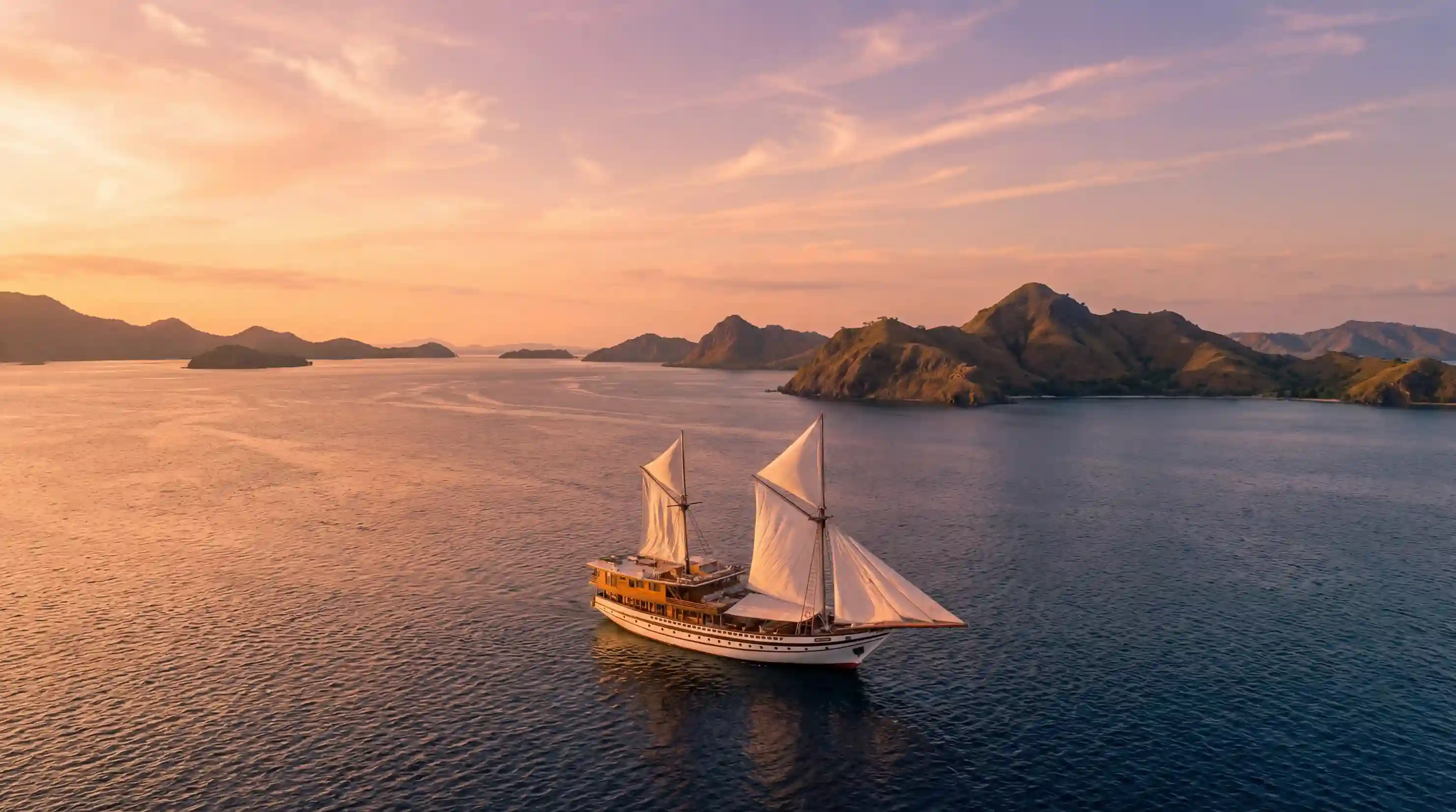
Komodo National Park represents far more than a single-attraction destination. While the Komodo dragon captures global attention as the park’s iconic megafauna, this UNESCO World Heritage Site encompasses a remarkably diverse array of experiences ranging from thrilling adventurous pursuits to peaceful contemplative moments. Spanning 1,733 square kilometers of terrestrial and marine ecosystems, the park offers sophisticated travelers a sophisticated palette of carefully curated experiences.

The park’s genius lies in its integration of multiple adventure types within a relatively compact geography. A well-planned visit might include underwater encounters one day, mountain-hiking adventures the next, and intimate cultural experiences thereafter. This diversity ensures that varied travel companions with different interests all find compelling reasons to venture into Komodo’s protected realm.

Understanding Komodo’s complete activity spectrum allows strategic itinerary planning that maximizes your time in this extraordinary destination. Rather than concentrating solely on single attractions, sophisticated travelers combine complementary activities that highlight the region’s multifaceted appeal while building narratives of personal discovery throughout their journey.

Ranking Komodo’s Top 10 Must-Do Experiences

1. Witness Komodo Dragons in Their Natural Habitat

While not ranking at the top arbitrarily, dragon-viewing anchors Komodo’s reputation globally. These prehistoric-appearing reptiles, existing nowhere else on Earth, represent living connections to Pleistocene megafauna. Observing dragons in their natural environment—moving through savanna landscape with characteristic dragging gait, displaying territorial postures, or congregating around water sources—provides visceral understanding of this species’ extraordinary adaptation to their isolated island home.

The experience requires managed expectations. Dragons don’t perform on demand, nor do they exhibit constant dramatic behavior. Instead, successful dragon-viewing combines wildlife photography patience with field ecology understanding. Your destination guide will lead you along established trails where dragons have been previously spotted, maintaining safe distances (minimum 10 meters) while maximizing viewing opportunities.

Dragon-viewing occurs most reliably during cooler morning hours when these reptiles emerge from nocturnal shelters. The wet season (December-March) concentrates dragons around limited water sources, improving encounter probability. Your liveaboard operator coordinates dragon expeditions with experienced naturalists providing expert commentary about dragon behavior, conservation status, and ecological relationships.

2. Dive or Snorkel the World’s Most Biodiverse Reefs

Komodo’s underwater realm rivals its terrestrial fame. The convergence of major ocean currents creates exceptional nutrient delivery supporting extraordinary reef productivity. Diving in Komodo exposes you to fish species diversity approaching or exceeding coral reef biodiversity, alongside coral structures of remarkable complexity and health.

Whether pursuing certification through comprehensive diving programs or choosing non-diver snorkeling options, Komodo’s reefs provide world-class marine encounters. You’ll observe giant groupers, schools of trevally numbering hundreds, seahorses and nudibranchs in remarkable diversity, sharks of multiple species, sea turtles, and countless reef fish creating dazzling color displays.

The park’s designation as marine protected area has resulted in exceptional fish populations and healthy coral ecosystems. Many dive sites exhibit pristine conditions with coral recovery indicating effective management and conservation. Divers consistently report that Komodo surpasses more famous diving destinations in marine life abundance and ecosystem health.

3. Trek to Padar Island’s Summit for Panoramic Vistas

The Padar Island hike ranks among Indonesia’s most dramatic short treks. This 3-4 hour round-trip journey ascends approximately 600 meters via steep, rocky trails rewarding hikers with summit views encompassing three distinct beaches featuring contrasting sand colors: white sand, black sand, and red sand. The panorama extends across the entire Komodo archipelago—a vista simultaneously encompassing terrestrial savanna, coastal formations, and open ocean.

Hiking difficulty demands reasonable fitness but remains accessible to most reasonably active travelers. The exposed summit offers minimal shade, necessitating early morning departure before heat intensifies. Most hikers depart around 5:00-6:00 AM, reaching summit by 7:30-8:30 AM to capture morning light across the landscape and avoid peak-sun hiking periods.

The hike’s photogenic appeal extends beyond summit vistas. The journey itself traverses varied terrain—rocky ridgelines, steep switchbacks, and panoramic viewpoints appearing throughout the ascent. Each elevation gain reveals expanded ocean vistas. The descent (often faster than ascent) provides opportunities for lower-angle photography emphasizing texture and drama.

4. Discover Pink Beach’s Unique Beauty and Historic Significance

The Pink Beach derives its distinctive rose color from pulverized coral and volcanic materials creating a sunset-hued shoreline found nowhere else globally. This geological oddity combines with exceptional snorkeling access to create one of Komodo’s most uniquely beautiful locations.

The beach’s appeal transcends aesthetic novelty. Immediately adjacent coral reefs harbor diverse marine life accessible to snorkelers from shore. You’ll encounter reef fish, occasionally sea turtles, and healthy coral ecosystems just meters from the sand. The beach’s shallow snorkeling zone makes it exceptionally beginner-friendly, allowing non-divers to observe remarkable reef diversity without requiring certification training.

The beach’s historical significance adds interpretive depth to visits. Historical documents reference Pink Beach as a trading post during earlier centuries, connecting Komodo to broader maritime commercial networks. Walking the beach, you’re traversing paths previously traveled by merchants, explorers, and local communities across centuries of regional history.

5. Encounter Manta Rays at Iconic Manta Point

The Manta Point dive site offers some of the world’s most reliable manta ray encounters. These gentle giants, sometimes measuring seven meters across, congregate at this location due to consistent nutrient delivery creating ideal feeding conditions. The experience of observing these animals gliding gracefully through water represents one of diving and snorkeling’s most profound experiences.

Manta encounters occur year-round, though seasonal peaks in dry months (April-November) offer highest encounter probability. The behavior commonly observed involves mantas performing barrel rolls through plankton-rich water columns, feeding on microscopic organisms invisible to human eyes. Witnessing this feeding behavior—graceful, peaceful, and utterly captivating—creates lasting memories for many travelers.

Manta encounters work for both divers and snorkelers. Snorkelers observe mantas from the surface, watching their silhouettes gliding beneath them. Divers descend to deeper waters where mantas often frequent, achieving closer encounters and underwater perspective. Either approach provides remarkable wildlife experiences few destinations worldwide can match.

6. Hike to Kalong Bat Roosting Caves for Sunset Experience

Rinca Island’s Kalong cave hosts one of Southeast Asia’s largest fruit bat colonies. Thousands of large flying foxes—unique bats with fox-like faces and impressive wingspans—roost in cave crevices during daytime, departing en masse at dusk for nocturnal foraging. The exodus spectacle—countless creatures streaming from cave entrances like living smoke—represents one of Komodo’s most dramatic natural phenomena.

The experience begins with a scenic hike through savanna landscape reaching the cave’s entrance. The cave interior reveals thousands of bats clinging to overhead rock, creating an otherworldly atmosphere. As sunset approaches, bats become increasingly active, stretching wings and repositioning. The departure occurs suddenly—waves of bats flooding from cave openings across darkening sky, continuing for thirty-plus minutes as the colony disperses for nighttime feeding.

Hikes to Kalong require stamina but remain manageable for reasonably active travelers. Tours depart from major Komodo locations, reaching caves well before sunset. The combination of geology, biology, and natural spectacle creates unforgettable experiences particularly compelling for wildlife enthusiasts and photographers.

7. Snorkel in Crystal-Clear Waters Without Requiring Certification

Snorkeling represents Komodo diving’s accessible alternative, requiring no certification, minimal equipment, and offering extraordinary marine experiences. Komodo boasts exceptional snorkeling locations featuring shallow, healthy reefs and impressive marine life visibility. Accessible snorkeling destinations range from dock-side reefs requiring mere minutes to reach, to dedicated snorkeling sites accessed via boat.

The beauty of Komodo snorkeling lies in democratic accessibility—you can enjoy remarkable marine experiences while remaining surface-bound. Even shallow reefs harbor diverse fish populations, colorful coral formations, and occasional sea turtle or reef shark encounters. The minimal learning curve makes snorkeling appropriate for all ages and fitness levels.

Liveaboard itineraries accommodate non-diving snorkelers as fully as divers, offering multiple snorkeling sessions daily, prioritizing snorkeling-appropriate sites, and providing expert guidance from crew experienced with non-diver groups. Families with young children and seniors frequently choose liveaboard snorkeling trips, benefiting from the integrated community experience while enjoying age-appropriate marine exploration.

8. Kayak Through Scenic Channels and Hidden Coves

Kayaking through Komodo’s pristine waters combines peaceful recreation with intimate landscape exploration. Single or tandem kayaks launch from designated beaches, allowing paddlers to explore areas inaccessible to larger vessels. Paddling through mangrove channels reveals habitat complexity often missed from boat perspective. Entering hidden coves and narrow passages between islands creates adventure sensations despite the gentle, peaceful paddling pace.

Kayaking trips range from two-hour beginner-friendly excursions to multi-day expeditions camping on remote beaches. No special experience is required—basic paddling techniques are quickly learned. The activity combines physical engagement (paddling provides excellent upper-body exercise) with contemplative aspects (gliding silently through pristine seascape) that appeal to diverse traveler personalities.

The marine life observed from kayak perspective differs from boat-based observation. Approaching quietly allows closer fish observation before creatures flee. Bird populations respond less alarm to kayaks than to motorized vessels, allowing improved birdwatching opportunities. Experienced kayakers frequently encounter wildlife and scenic views superior to faster-paced transportation methods.

9. Experience Stargazing Amid Minimal Light Pollution

Komodo’s remote location and protected status mean remarkably minimal light pollution. Clear nights reveal star fields rivaling dark-sky destinations worldwide. The Milky Way stretches horizon to horizon, creating vistas increasingly rare in our light-polluted world. Nocturnal observation—whether casual stargazing or serious astronomy—rewards visitors with perspectives connecting them to cosmic grandeur.

Liveaboard vessels offer exceptional stargazing platforms. Deck-bound evening observation, lying beneath vast star fields while gently rocking on oceanic swells, creates meditative experiences transcending ordinary leisure. Many travelers report stargazing nights as their most contemplative and spiritually meaningful Komodo moments—not adventurous in conventional sense, but profound in introspective depth.

Seasonal influences affect stargazing quality. Clear, dry-season skies (April-November) offer superior conditions compared to wet-season cloud cover. However, even wet-season visits often include clear evenings allowing remarkable celestial observation. Binoculars or telescopes enhance experiences, though naked-eye observation alone captivates most viewers unfamiliar with pristine dark-sky environments.

10. Engage with Local Communities Through Cultural Immersion

The people inhabiting Komodo and surrounding regions possess rich cultures, unique traditions, and complex histories. Authentic cultural engagement—beyond superficial tourist interactions—offers profound insights into community values, subsistence practices, and contemporary life in protected park regions. Responsible tourism operators facilitate meaningful cultural exchange benefiting both travelers and local communities.

Village visits introduce you to traditional fishing communities, agricultural practices adapted to local environments, and craft traditions representing cultural heritage. Conversations with local guides reveal perspectives on conservation challenges, community aspirations, and the complicated relationship between environmental protection and economic survival. This nuanced understanding replaces tourist-destination stereotypes with genuine human connection.

Supporting local economies through ethical tourism ensures communities benefit from park protection rather than bearing costs while external entities reap profits. Purchasing locally-made crafts, eating meals at community establishments, and hiring local guides as primary service providers ensures tourism revenue distributes within communities. This economic participation becomes cultural engagement—understanding livelihoods dependent on sustainable tourism and environmental conservation.

Planning Your Komodo Itinerary Around These Experiences

Matching Activities to Your Interests and Abilities

Optimal Komodo itineraries balance diverse activities according to your specific interests and physical capabilities. Adventure-seekers might prioritize diving, snorkeling, and hiking, structuring days around these physically demanding activities. Photography enthusiasts might emphasize sunset hikes, Padar island golden-light trekking, and manta encounters. Naturalists might focus on dragon viewing, bat cave visits, and marine life observation across multiple ecosystems.

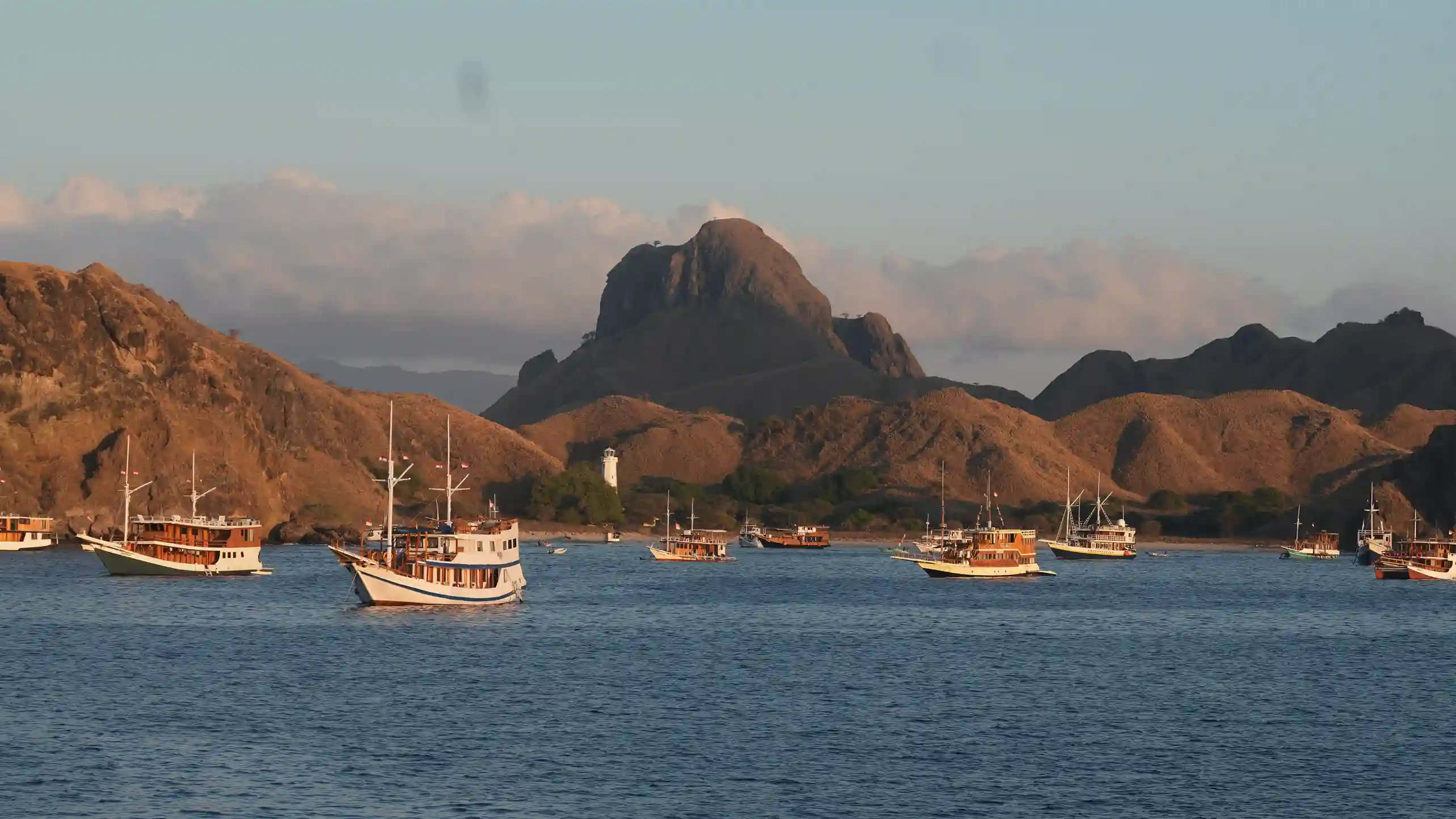
Liveaboard itineraries offer flexibility accommodating diverse interests within single groups. Daily activities can range from intense diving sessions to relaxed snorkeling, hiking adventures to peaceful stargazing. This activity diversity ensures varied group members—from thrill-seekers to contemplation-focused travelers—all experience fulfilling, engaging journeys aligned with personal preferences.

Time allocation significantly impacts experience quality. Rushing through Komodo’s top ten experiences in five days creates superficial exposure to each activity. Better alternatives involve selecting four to five activities and deeply exploring each, allowing skill development (diving training deepens understanding), repeated visits building familiarity, and adequate time for spontaneous discoveries emerging from unhurried engagement.

Seasonal Timing Considerations

Komodo’s dry season (April-November) offers calm seas, excellent visibility, and minimal rainfall—optimal conditions for most activities. Hiking is most comfortable during dry months when heat stress is less intense than wet-season months. Diving visibility peaks during dry season. Manta encounters peak during dry months when nutrient-rich currents remain strongest.

However, wet season (December-March) shouldn’t be dismissed. Occasional rain creates dramatic atmosphere and photogenic sky conditions. Plankton blooms attract concentrated marine life, sometimes resulting in exceptional diving encounters. Wet-season prices drop significantly as tourism decreases, providing cost savings for budget-conscious travelers accepting occasional weather interruptions.

Lunar cycles influence several activities. Spring tides (new and full moons) create strongest currents affecting diving conditions. Neap tides (quarter moons) provide gentler conditions benefiting less-experienced divers. Plankton availability varies seasonally, affecting manta aggregations and overall marine life visibility. Your liveaboard operator strategically times activities to align with optimal seasonal and lunar conditions.

Frequently Asked Questions About Komodo Activities

Can I see dragons, dive, hike Padar, and encounter mantas in a single trip?

Yes. Most comprehensive liveaboard itineraries combine multiple activities across 5-7 day durations. A typical itinerary might include dragon trekking (full day), diving (multiple days with 3-4 dives daily), Padar hiking (half-day), manta encounters (1-2 dives dedicated to manta sites), and snorkeling excursions. The key is realistic scheduling—attempting all ten activities in five days results in superficial experiences, while 7-10 days allows comfortable depth for four to six activities. Book trips of appropriate duration matching your activity ambitions and physical capacity.

Do non-divers feel excluded on Komodo trips?

Absolutely not. Komodo offers exceptional non-diving activities—snorkeling, hiking, dragon viewing, kayaking, stargazing, and cultural engagement rival diving in quality and memorability. Many travelers skip diving entirely and report completely fulfilling experiences. Liveaboards accommodate non-diving guests with multiple daily snorkeling sessions, hiking excursions, and optional activities. Family groups often include excellent swimmers who snorkel rather than diving, experiencing remarkable marine life without certification requirements.

What’s the best time to visit for all-around activities?

Dry season (April-November) offers optimal conditions for nearly all activities. Calm seas mean comfortable boat rides and stable diving conditions. Clear skies facilitate stargazing and hiking photography. Excellent visibility maximizes marine life observation. Within dry season, April-May and September-October offer superb conditions with fewer crowds than July-August peak season. These shoulder months provide excellent activity conditions while maintaining more peaceful, less-crowded experiences compared to peak months.

How physically demanding are Komodo activities?

Activity difficulty ranges from minimal (snorkeling, boat-based observation) to quite demanding (Padar hike, multi-dive days). Your itinerary can be customized for comfort levels—slower-paced snorkeling-focused trips suit those preferring relaxation, while activity-intensive trips appeal to adventure-seekers. Age or fitness limitations rarely exclude anyone from Komodo experiences; activities simply adjust for individual capabilities. Discuss any physical concerns when booking trips so operators can tailor activities appropriately.

Are Komodo activities safe for families with children?

Yes, with age-appropriate activity selection. Snorkeling suits virtually any strong swimmer. Dragon trekking, hikes, and cultural visits accommodate families. Kayaking works for older children with basic swimming ability. Diving requires minimum age 10 with junior certification. Family-friendly liveaboards structure activities ensuring children’s safety while maintaining engagement. Many families report Komodo trips as transformative experiences building family bonds through shared adventure and discovery in extraordinary natural settings.

Can I do individual activities like just hike Padar or only snorkel?

Yes, though liveaboard packages integrate multiple activities, individual components can be emphasized. You could choose liveaboards prioritizing hiking and cultural visits over diving. Or book primarily snorkeling-focused trips with optional hiking. Discuss your specific interests when booking—experienced operators accommodate preference variations within comprehensive packages, emphasizing specific activities while maintaining access to others. Some travelers prioritize single activities; operators successfully structure itineraries accommodating these preferences while maintaining comprehensive park experience.

What’s included in activity costs and what costs extra?

Most liveaboard packages include diving/snorkeling, guides, meals, and accommodation. Typically extra costs include diving certification courses (if pursuing), equipment rentals beyond standard provision, tips for crew, travel insurance, and personal expenses. Hiking is generally included in itineraries. Dragon trekking guides are included. Manta encounters occur during standard diving. Clarify inclusions versus extras when finalizing your booking to prevent surprise costs and ensure transparent budgeting for your complete Komodo experience.

Should I bring my own equipment or rent from operators?

Most operators provide complete equipment packages (wetsuits, BCDs, regulators, tanks) suitable for standard travelers. Experienced divers often prefer personal regulators ensuring familiar equipment. Snorkelers might prefer personal masks fitting perfectly. Hikers benefit from personal boots matching their feet. Most other equipment (large tanks, buoyancy devices, specialty technical gear) is better rented from professional operators maintaining equipment to exacting standards. Discuss equipment preferences when booking—operators can usually accommodate personal-equipment preferences while providing backup if needed.

WhatsApp Bali Medical Concierge